
Rolex 36 vs 41: Which Wrist Weight Feels Right?
Rolex 36 vs 41: Which Wrist Weight Feels Right?

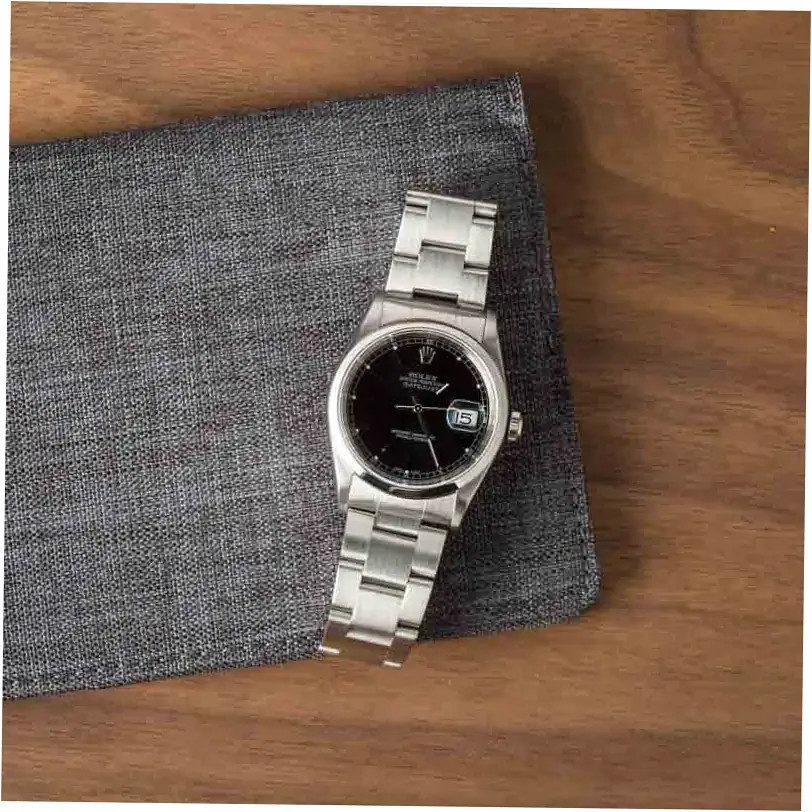
I’ve been into watches for ages and have owned both a Datejust 36 and a Submariner 41. People often ask me if you can really feel the weight difference. The quick answer is yes, you can. But the bigger deal is how that weight difference actually feels when you’re wearing it every day. The weight difference between a Rolex 36 and a 41 isn’t just a number on a scale. It’s about how it sits on your wrist, how comfy it is all day, and that solid, quality feel you get from the heft. This guide will walk you through the real reasons for that different feel. We’ll look at everything from what the case is made of and how the bracelet is built, to where the weight sits on your wrist. It’ll help you figure out which size and its weight are right for how you live.
Recommended Products
You might be interested in these products
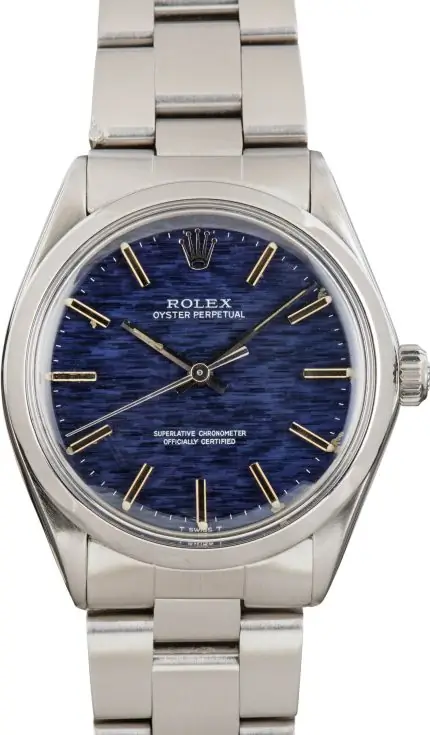
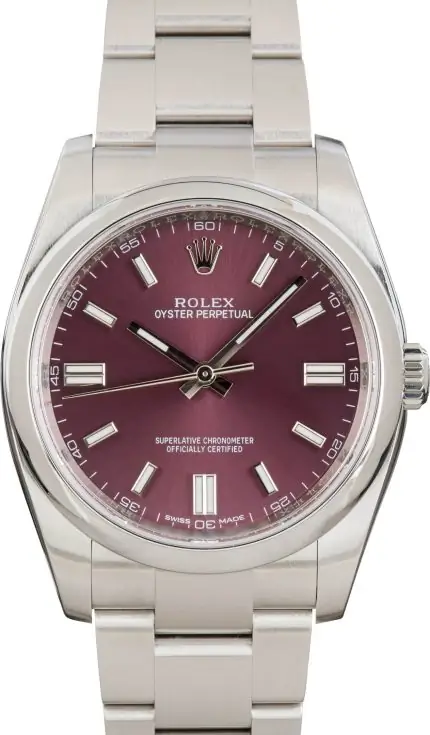
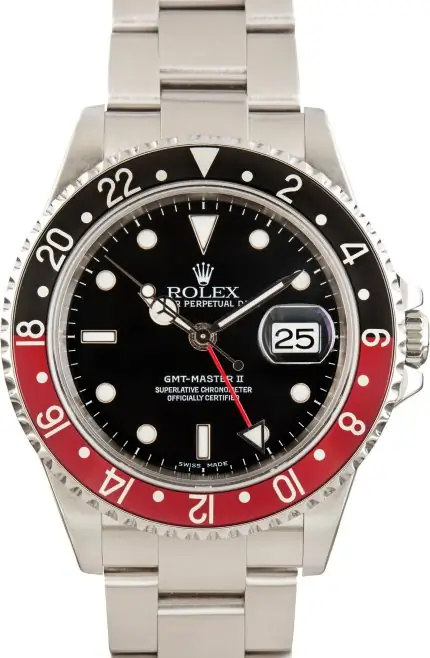
Table of Content
The Core Factors Driving Weight Disparity
Material Composition and Case Construction
Core operation: Compare the foundational weight contributors. So, what makes the 41mm Rolex heavier? It’s mostly about the metal. There’s just a lot more of it. Think about the Oyster case.
Whether it’s stainless steel, white gold, or Everose gold, the 41mm version uses way more material than the 36mm one. Take a solid stainless steel Oyster Perpetual. Pick up the 41mm, then the 36mm. You’ll feel the 41 is noticeably denser in your hand.
But it’s not just the bigger face. The case is thicker too, and even the back of the case is designed differently. All that adds to the weight. And if you go for a Datejust with a fluted bezel? That bezel is usually a heavy precious metal. On the 41mm watch, it piles on even more grams.
Core operation: Analyze the bracelet’s impact. Now, let’s talk about the Oyster bracelet. On the 41, it’s longer. The links themselves are wider and chunkier to suit the bigger case. So every single link has more metal in it.
I found this out myself swapping bracelets once. I held a link from my Submariner 41 and one from an old 36mm Datejust. The 41’s link felt much heavier, no question. Don’t forget the clasp! It’s bigger on the 41mm as well, which just adds to the whole watch’s heft.
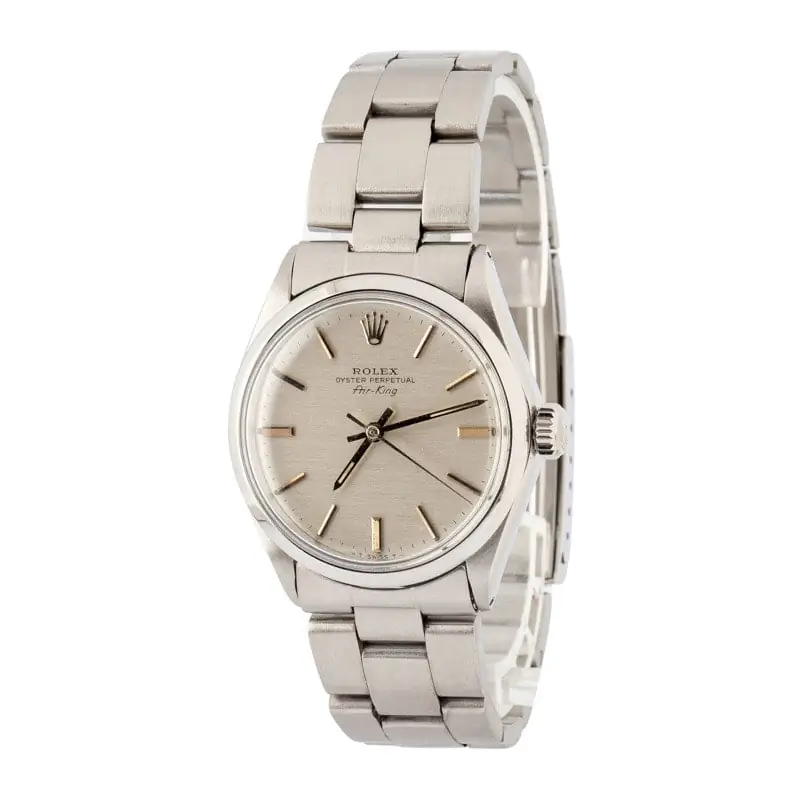
Let’s talk about the real weight difference.
We’ll look at the actual grams and how heavy they feel.
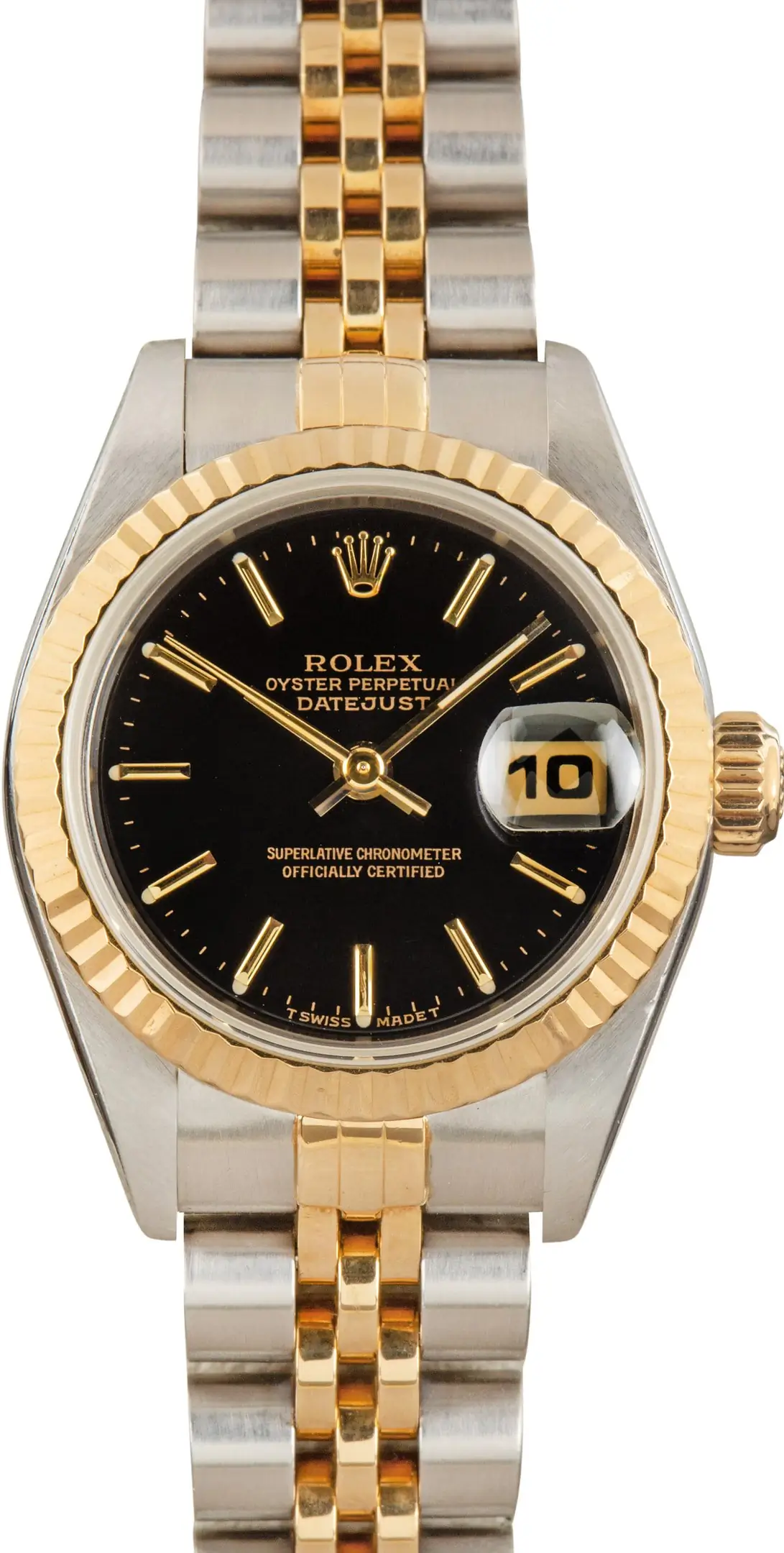
First up, let’s check out the hard facts. Forget just guessing, we need the numbers. From what dealers and collectors measure, a standard stainless steel Rolex Oyster Perpetual 36 comes in around 120 to 130 grams when it’s sized for your wrist.
The bigger 41mm version usually weighs more, somewhere between 145 and 160 grams. That’s a real difference of 20 to 40 grams. It’s like holding two extra AA batteries. This table shows you the numbers for some popular models:
| Watch Model | 36mm Weight (about) | 41mm Weight (about) | The Difference |
|---|---|---|---|
| Oyster Perpetual | 125 grams | 150 grams | 25g |
| Datejust on an Oyster bracelet | 130 grams | 155 grams | 25g |
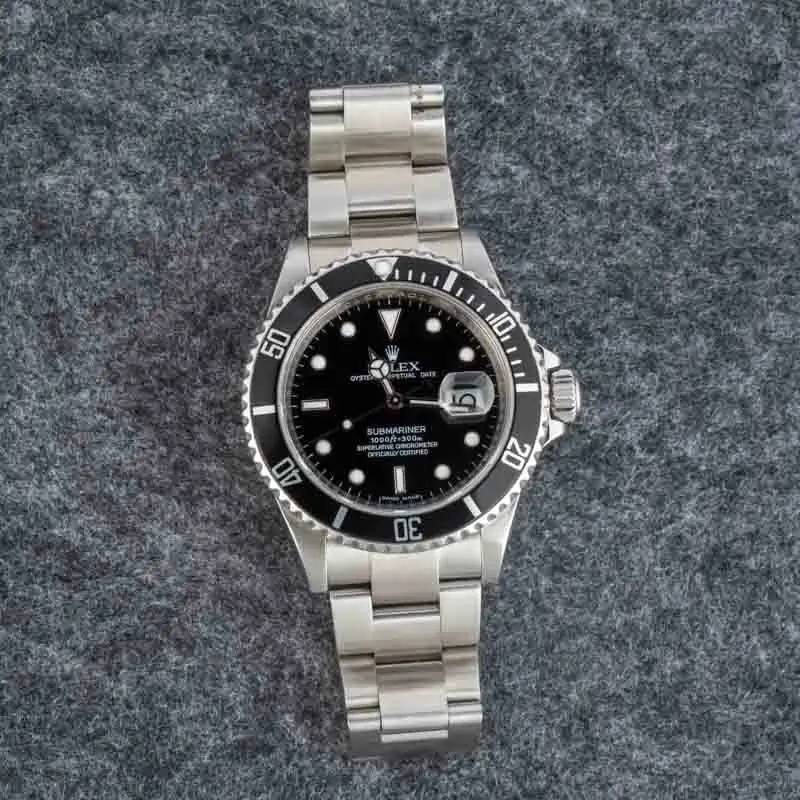
| Submariner (comparing the No Date 40mm to the Sub Date 41mm) | 153 grams for the 40mm Sub* | 160 grams for the 41mm Sub | 7g* |
*Just a note: With the Submariner, things like the rotating bezel also change the weight, not just the size difference.
Now, here’s the thing about how it feels. But the weight you feel isn’t a straight line. Because a bigger watch has more surface area and spreads the weight out, adding 20 grams might not feel as huge as you’d think.
The weight gets distributed over more of your wrist. When I wore them, my 41mm felt solid, not really heavy. The 36mm, though, was clearly lighter and more nimble. You’ll really notice the weight difference when you pick them up, more than after wearing one all day.
Wearability and Comfort Implications
All-Day Comfort vs. Substantial Presence
Let’s talk about how the weight feels day-to-day. If you’re wearing it all day, every day, the lighter 36mm Rolex usually wins on comfort. It hugs your wrist better, slips right under a shirt cuff, and doesn’t swing around as much when you move.
If your wrist is slimmer, say under 7 inches, the 36mm just feels more natural and balanced. It’s less likely to tip over to the side. The heavier 41mm Rolex, on the other hand, has a solid, undeniable presence.
You always feel it’s there, and a lot of watch fans love that—it’s a constant reminder of what’s on your wrist.
Now, let’s see which weight works best for different activities. Really, your lifestyle decides which weight is right for you. For formal office wear where comfort over 10 hours is key, the 36mm’s lighter touch is a boon.
But for casual or outdoor stuff, where you want that tough tool-watch vibe, the 41mm’s extra weight makes it feel even more durable. I find the 41mm stays put better when you’re active. The 36mm might twist a bit more on your wrist.
One isn’t better than the other—they just fit different needs when it comes to how they feel on your wrist.
Model-Specific Weight Variations
How Different References Change the Equation
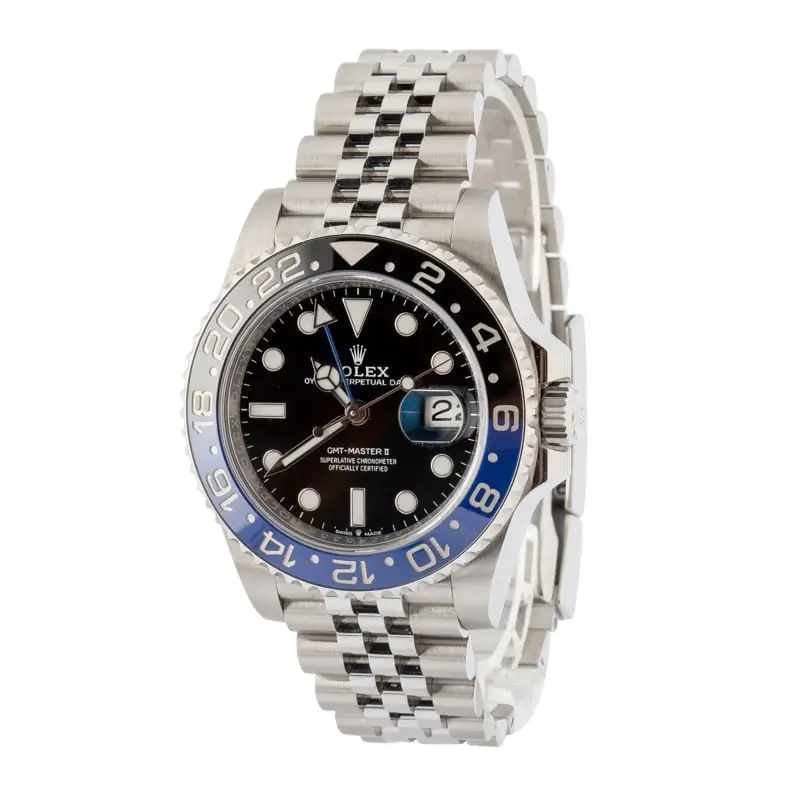
Here’s the key thing: not every 36mm or 41mm Rolex weighs the same. The model line you pick makes a huge difference to the base weight. Take a platinum Day-Date 36, for example.
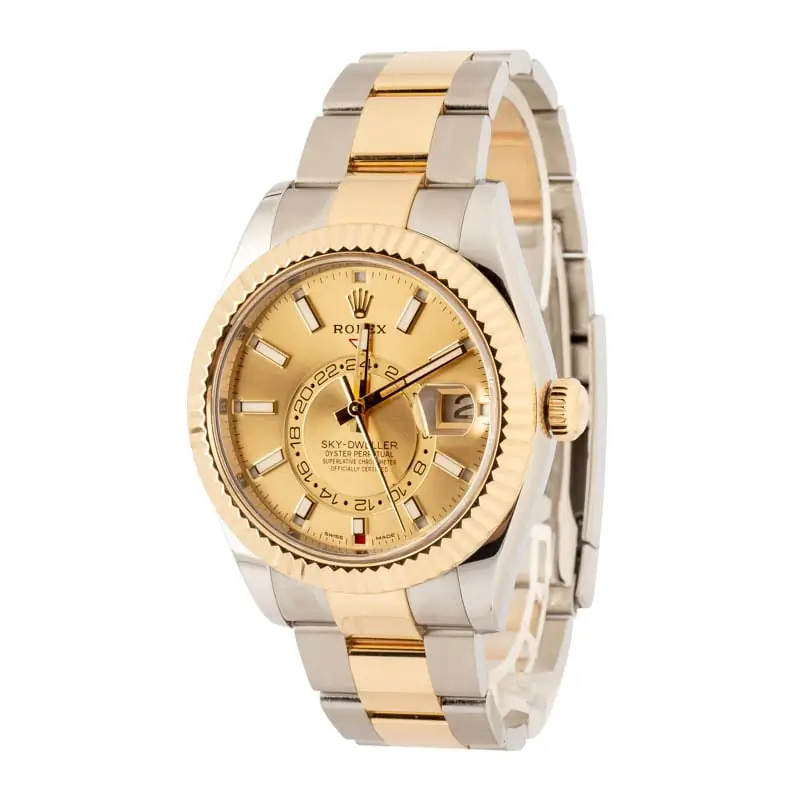
It’s one of the heaviest Rolexes out there and could even be heavier than a stainless steel Submariner 41. On the flip side, a 42mm white gold Sky-Dweller is in a whole other league for weight. Your bracelet choice is super important too.
For the same case size, a five-piece Jubilee is usually lighter than a three-piece Oyster. So my advice? Always check the specific reference number, don’t just go by the case diameter.
| Factor | Effect on Weight (36mm vs. 41mm) | Example |
|---|---|---|
| If the case is made from a precious metal, | it really bumps up the weight for both sizes. A 41mm watch gets especially hefty. | Think of a platinum Day-Date 40. |
| Functional complications, | like extra modules inside, add weight too. This effect is pretty similar across different sizes. | Compare a simple Datejust to one with a fancier movement. |
| The type of bezel matters as well. | Fluted or diamond-set bezels add extra weight, while smooth bezels keep things lighter. | Look at a fluted bezel Datejust versus a smooth bezel Oyster Perpetual. |
Here’s a practical guide to help you pick the right fit.
Let’s break it down based on your wrist size and how you live.
First up, let’s walk through a simple step-by-step guide. Don’t just go by the specs on paper. Start by measuring your wrist. Got a wrist under 6.75 inches? The 36mm Rolex, with its lighter weight, will probably feel more secure and comfy on you.
If your wrist is over 7 inches, the 41mm’s extra heft will sit and balance much better. Next, think about what you usually wear. Do you often wear shirts with fitted cuffs? The slimmer and lighter 36mm model is way more versatile for that.
Also, consider how sensitive you are. Does wearing jewelry ever bother you or feel like it’s there? If yes, you might want to lean towards the 36mm.
Here’s the most important step you absolutely must do: try them on. This isn’t optional. Head to an authorized dealer and ask to try on both sizes. Try to compare the same model, like a Datejust 36 and a Datejust 41.
Wear each one for a good 10 minutes. Walk around, move your arm, pretend you’re typing. Pay attention to which watch’s weight sort of disappears on your wrist—that’s a great sign of comfort. Notice which one has a satisfying, solid feel you like.
The right pick is the one you kind of forget is there (in a good way), not the one that keeps reminding you it’s heavy.
So, to sum it up, the weight difference between a Rolex 36mm and 41mm is real. It comes down to how much metal is used, the bracelet design, and the specific model’s features. The 41mm gives you a more substantial, modern look on the wrist.
The 36mm, on the other hand, delivers that classic, all-day comfort. Your best choice really depends on your wrist, what feels comfortable to you, and how you want the watch to feel all day. Do you want a discreet companion or a bold statement piece?
Have you ever tried on both sizes? Share your thoughts in the comments below—which weight do you prefer for daily wear? Or, check out our detailed guide on Rolex bracelet adjustments to get that perfect, custom fit.
FAQ About Rolex 36 vs 41 weight difference
Is the weight difference between Rolex 36 and 41 noticeable on the wrist?
Oh yeah, you can totally feel the difference, especially right when you strap it on or if you hold them side by side. The 41mm one feels chunkier and more solid on your wrist, but the 36mm version is noticeably lighter and sits more easily.
You get used to the weight of either one after a while, but that first impression and how it sits on your wrist are definitely not the same.
Which is more comfortable for all-day wear, the 36mm or 41mm Rolex?
If your wrist is average or on the smaller side—say, under 7 inches—you’ll probably find the 36mm more comfy for wearing all day. It’s lighter and doesn’t stick out as much.
It snags on sleeves less often and doesn’t swing around as much when you move your arm. But hey, comfort is really personal. If you’re used to heavier watches, the 41mm might feel just right for you.
Does a heavier Rolex (like a 41mm) mean it’s better quality?
Nope, don’t think a heavier Rolex means it’s better made. Both the 36mm and 41mm are made with the same top-notch Rolex quality. The main reason for the weight difference is just that the bigger one uses more metal.
Sure, a heavier watch can *feel* more luxurious and solid to some people. But that lighter 36mm has the same great craftsmanship, a just-as-reliable movement, and it’s just as tough.
How much heavier is a Rolex Datejust 41 compared to the 36?
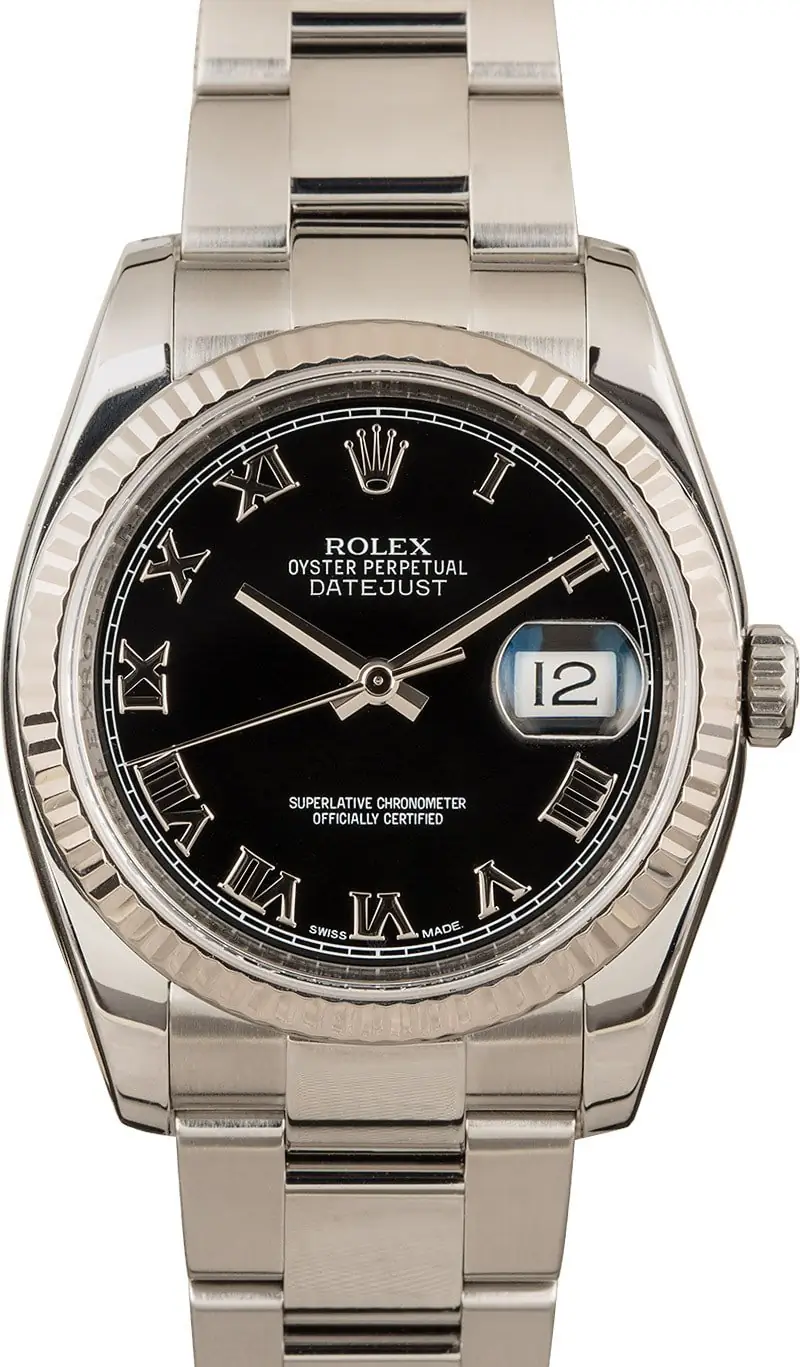
So, a stainless steel Datejust 41 with an Oyster bracelet usually weighs about 25 to 30 grams more than the same setup in a 36mm. The exact number can change a bit depending on the specific model and how the bracelet fits.
but that 25-30 gram range is pretty standard. It’s all because of the bigger case, a slightly thicker crystal, and heftier bracelet links.
