
Is a 36mm Rolex Too Small for Modern Wrists?
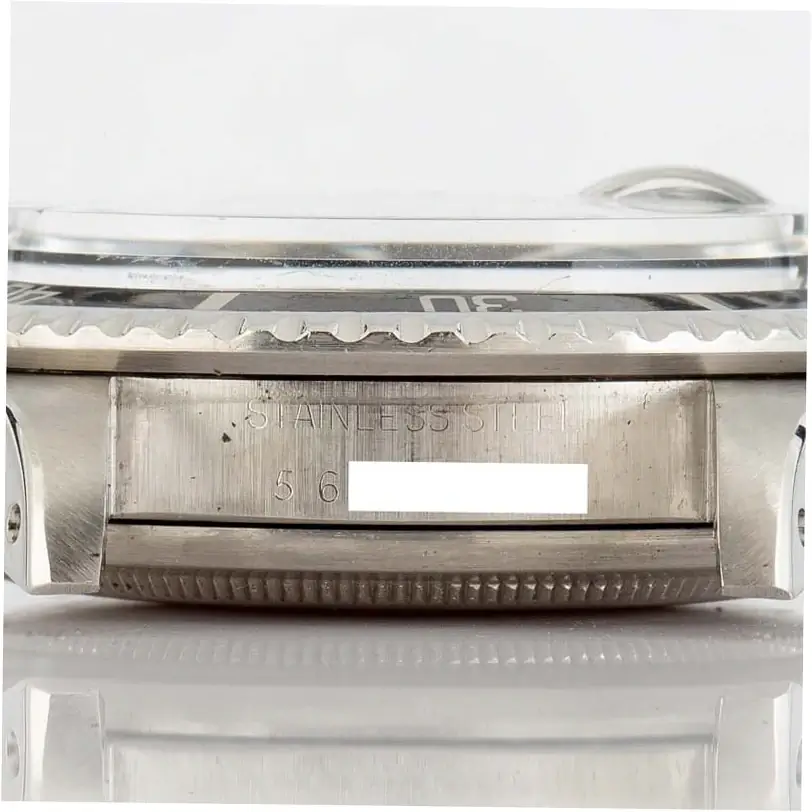
Is a 36mm Rolex Too Small for Modern Wrists?

Lots of watch fans eyeing a Rolex Datejust or Oyster Perpetual really wrestle with the case size question. The classic 36mm size used to be the go-to for men’s watches, no question. But these days, bigger, bolder watches rule. So here’s the big dilemma everyone faces: is a 36mm Rolex just too small now? Or is it actually a timeless, classy pick that never goes out of style? There’s no easy yes or no answer. It really comes down to your wrist size, your personal style, and how that particular watch is designed. Let’s dig into the practical stuff and the look to help you figure out if this iconic 36mm size is your perfect match.
Recommended Products
You might be interested in these products
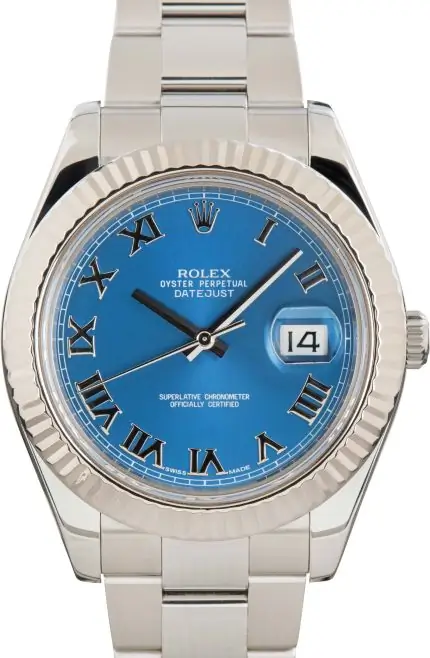
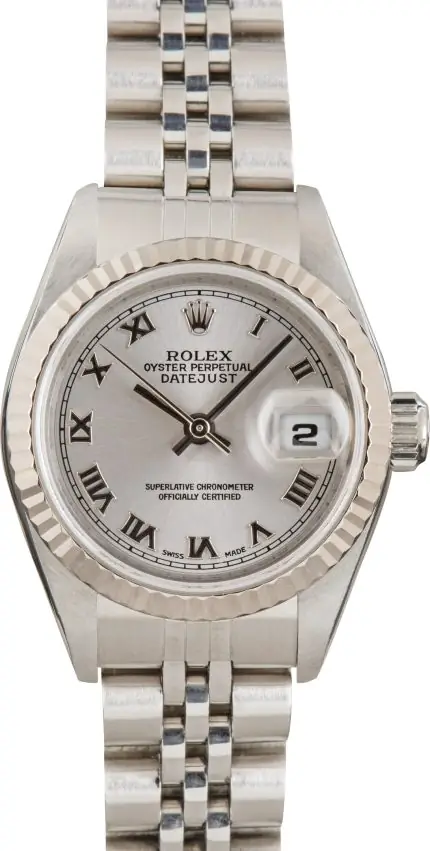
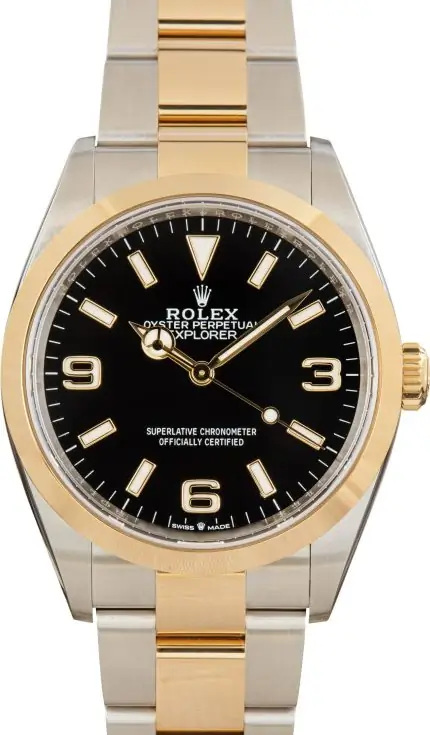
Table of Content
How watch sizes have changed: from classic to now.
A quick look back at the 36mm standard.
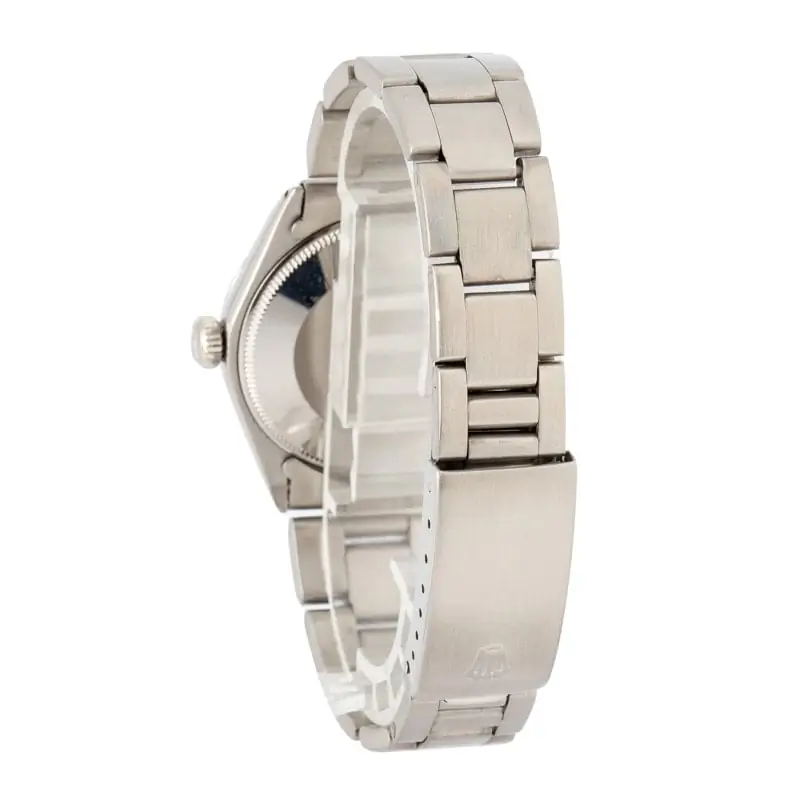
Back in the day, the 36mm case was seen as the perfect size for a man’s watch. Icons like the Rolex Datejust ref. 1601 are the perfect examples. For ages, this 36mm size nailed the balance. It was easy to read, super comfy, and just looked right.
It wasn’t too flashy, and it wasn’t too tiny either. Watch historian John Goldberger points out that mid-1900s watches were built as time-telling tools, meant to be worn under a shirt cuff. Their elegance came from being subtle.
That era loved subtlety, and the 36mm Rolex was king at that. It became a must-have for pros and style icons.
Things started changing in the late 90s and early 2000s. Fashion and new tech pushed the trend. Bigger cases got linked to fancy sport watches, complicated features, and a more look-at-me vibe on the wrist.
Brands rolled out 40mm, 42mm, and even bigger watches, and people loved them. This set a new normal, making the classic 36mm watches seem kinda small next to them. But trends go in cycles.
Lately, there’s been a real comeback for vintage-style and mid-size watches. It looks like people are falling for those classic 36mm proportions all over again.
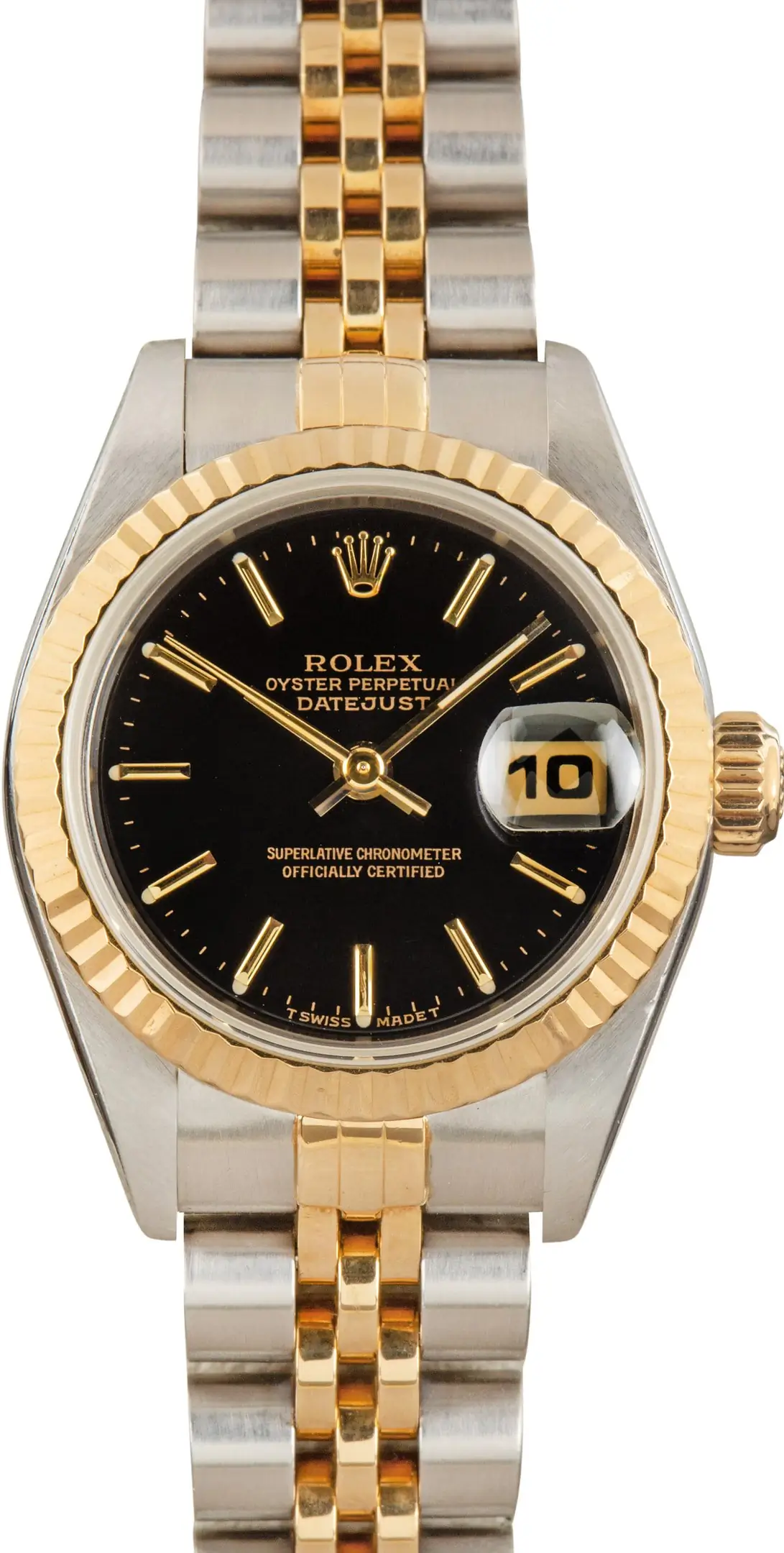
Putting Rolex’s current 36mm and 41mm watches side by side.
Looking at specific models, Rolex plays in both size camps. Take the Datejust, for example. You can get it in 36mm or 41mm (they call that one the Datejust 41). They’re not just the same watch made bigger or smaller.
The 41mm version usually has a bit wider lugs and a tweaked movement to fit the bigger case. They also adjust the dial layout and bezel size so everything still looks good together. The 36mm one keeps that original, elegant, and balanced shape.
Picking one isn’t about right or wrong. It’s more about which classic Rolex look you vibe with: the historic one or the modern take.
Figuring out the right fit: it’s all about your wrist size and how it looks.
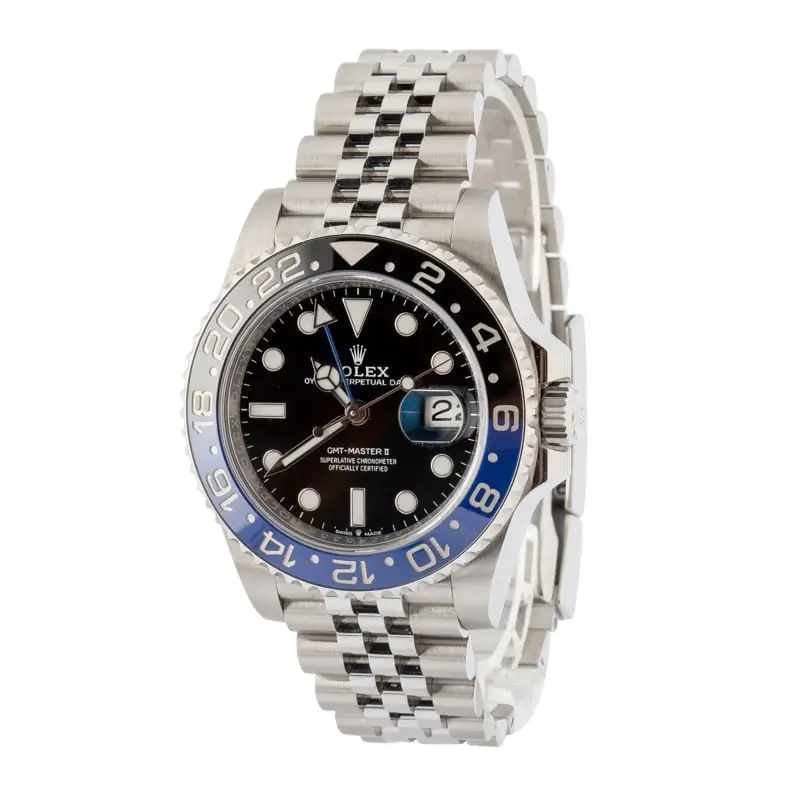
How to measure your wrist and find your ideal watch size.
Here’s a practical tip: the best way to check the fit is to just measure your wrist. Grab a soft tape measure or a piece of paper to get your wrist’s circumference in millimeters.
A good rule of thumb (not a hard rule) is to pick a watch with a case diameter about 34% to 40% of your wrist’s width, not the circumference. If your wrist is about 7 inches (around 178mm), a 36mm watch fits nicely in that range.
It usually looks really balanced and proportional. The real key is the lug-to-lug measurement—that’s the distance from the very top of the watch lugs to the very bottom. That number needs to be smaller than the flat part of your wrist top for it to be comfy.
| Wrist Circumference | Wrist Width (Approx.) | Suggested Case Diameter Range | 36mm Suitability |
|---|---|---|---|
| 6 – 6.5 inches (152-165mm) | 50-55mm | 34mm – 39mm | Excellent fit, classic look |
| 6.5 – 7.5 inches (165-190mm) | 55-62mm | 36mm – 41mm | Very good to ideal fit |
| 7.5 inches (190mm ) | 62mm | 39mm – 44mm | May appear modest; try on first |
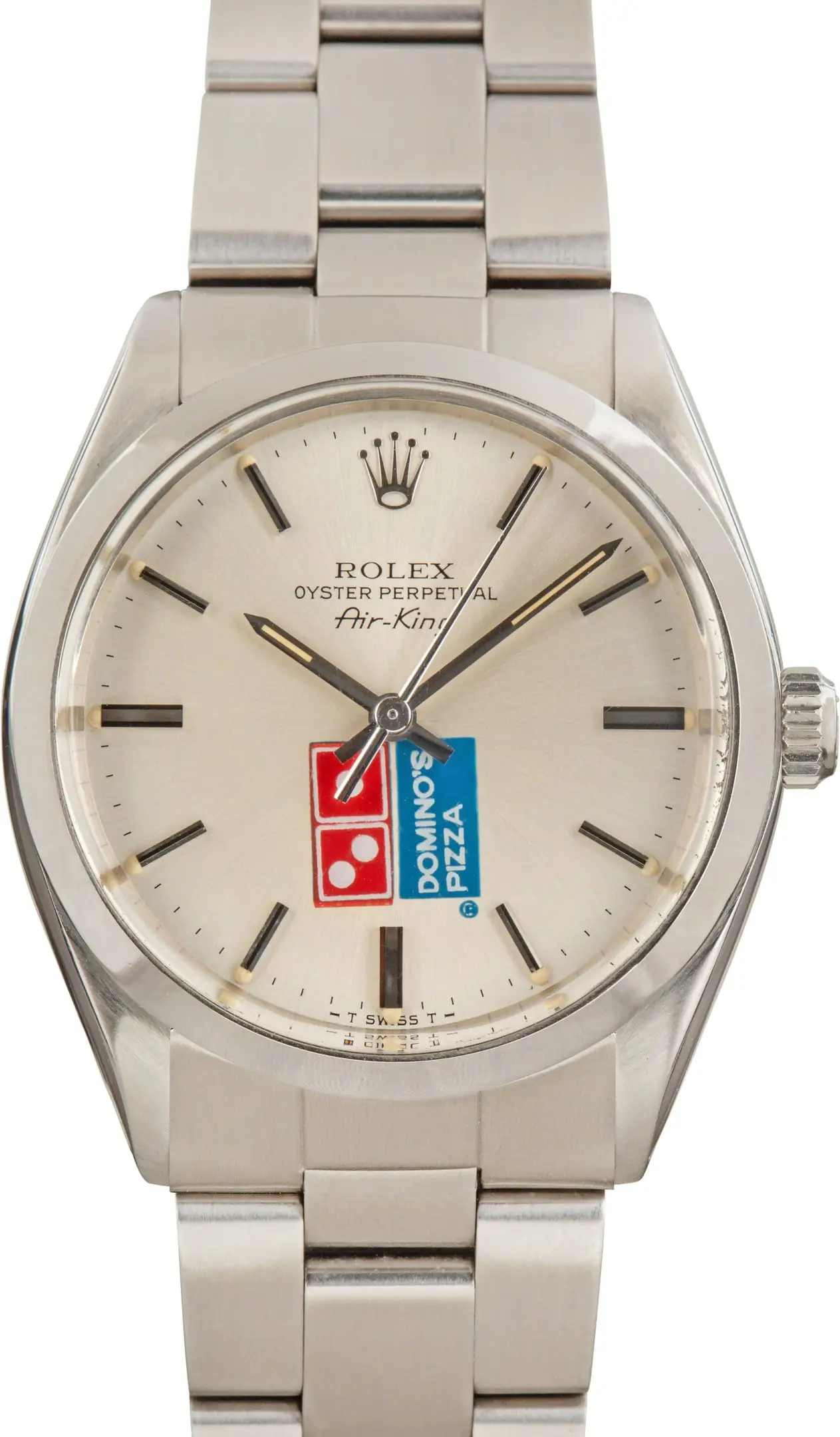
Trying it on is a must—here’s why.
Here’s my own story: I once wrote off a 36mm Explorer as too small, just from seeing pictures online. But trying it on was a total game-changer. It fit perfectly on my 7.25-inch wrist. The lugs curved right along with my wrist, with no overhang.
The watch sort of vanished on my wrist, in a good way. It felt light, low-key, and super comfy. That experience showed me the numbers on paper only give you half the picture.
How thick it is, how wide the bezel is, the dial color, and the bracelet style all change how big it looks. A 36mm Oyster Perpetual with a black dial can actually look bigger on your wrist than a 39mm one with a silver dial. It’s all about contrast and how our eyes see it.
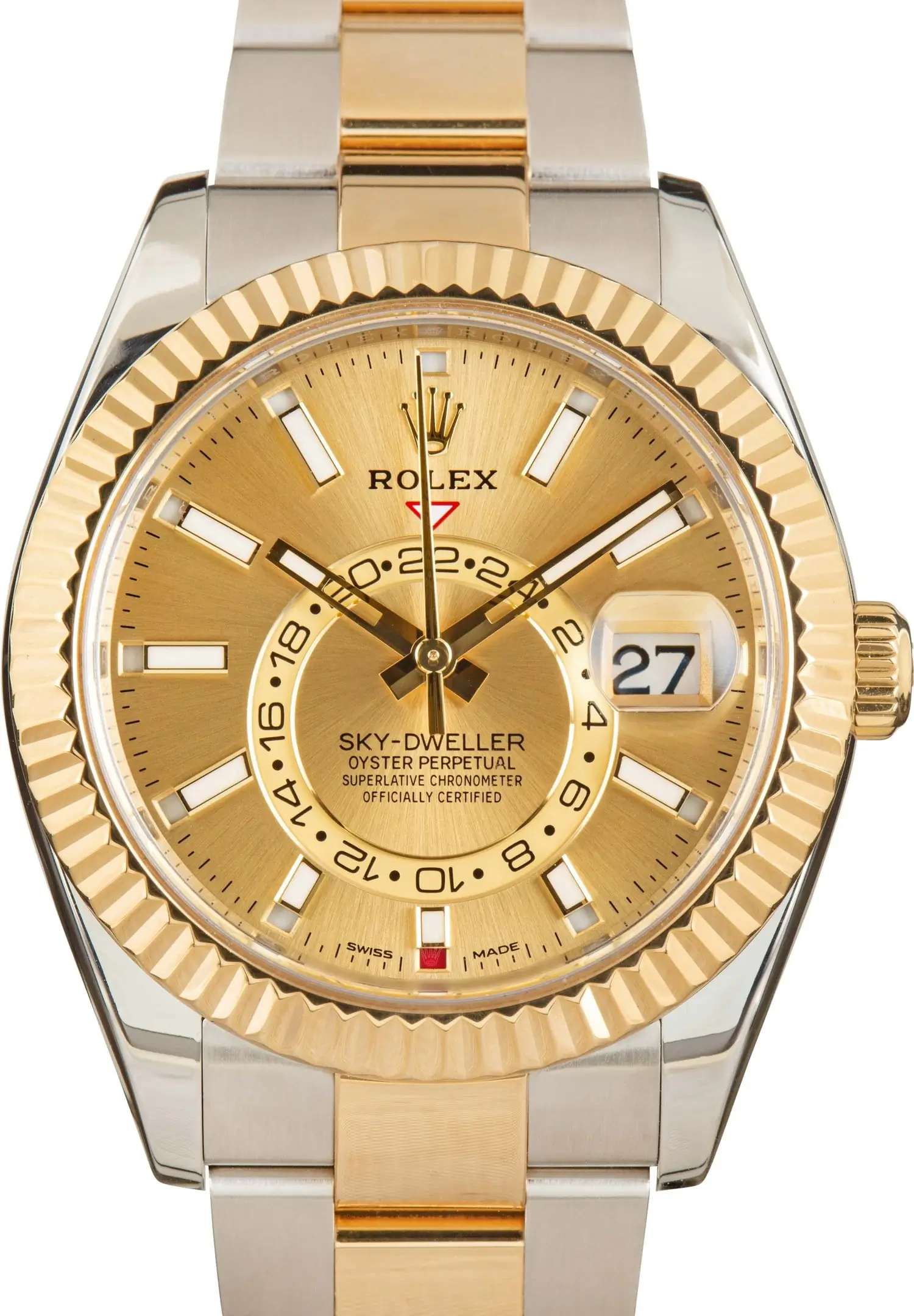
Let’s talk about style and how we see things, going beyond just the millimeter size.
It’s really about quiet elegance versus making a big statement with size.
Here’s the idea: a 36mm Rolex is all about that understated, classy look. It whispers instead of shouting. That fits perfectly with a more refined, classic, or vintage style. It slides right under a dress shirt cuff, no problem.
That’s why so many people see it as the perfect one-watch choice. Bigger watches, on the other hand, are bold and modern. So, it comes down to your own story. Do you want the watch to stand out, or blend in smoothly with your style?
Michael Kors, the designer and collector, put it well. He said a great small watch is like perfect jewelry. It finishes your look without taking over.
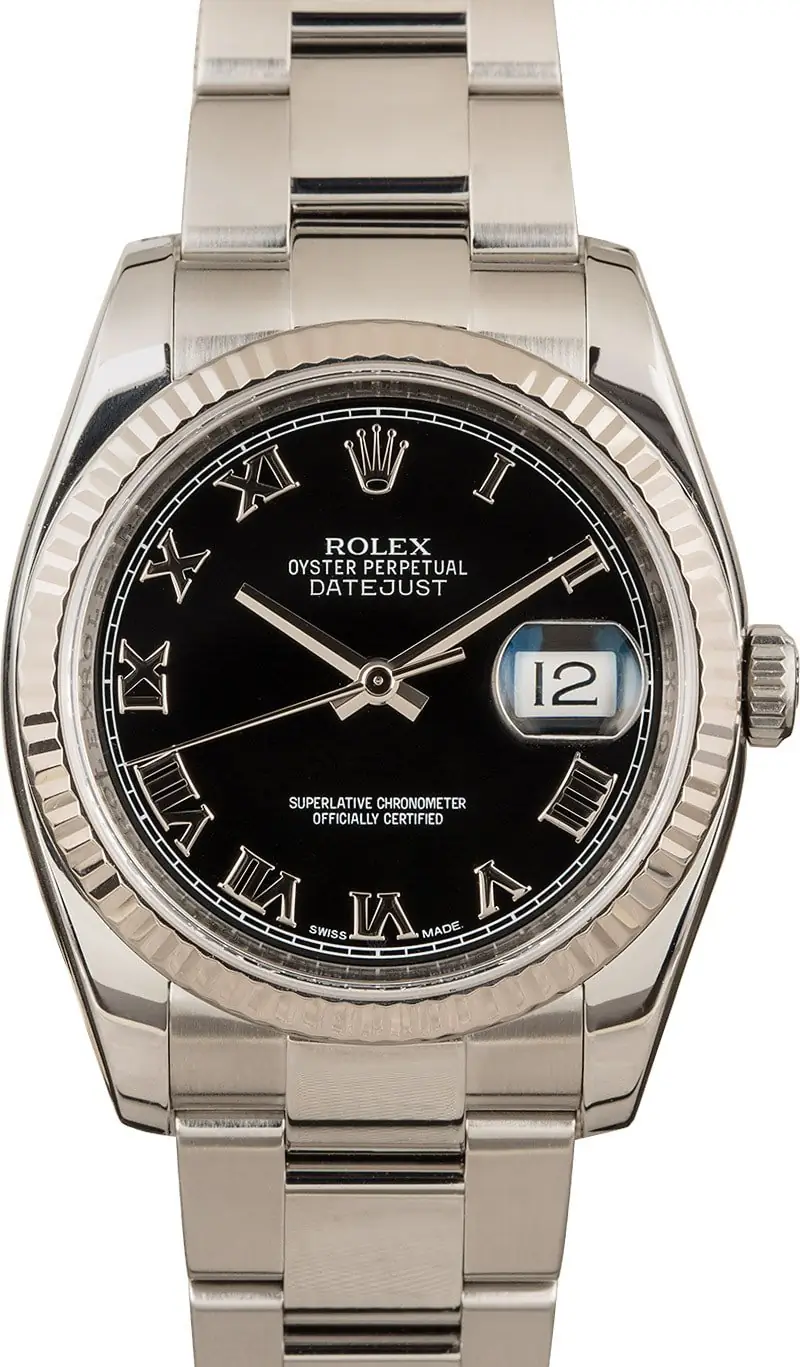
Okay, but does a smaller watch look too feminine?
Let’s clear this up. This worry comes from recent trends, not watch history. For most of the 1900s, 34 to 36mm was the normal size for a man’s watch. Legends like Paul Newman and Steve McQueen wore watches that size.
Now, people are starting to see it differently again. Modern men’s fashion, which cares a lot about fit and proportion, is bringing back smaller cases. A 36mm Rolex Datejust on a Jubilee bracelet? Its history and design are totally masculine.
It’s about having the confidence to wear a classic, well-proportioned piece, not just following the temporary trend for huge accessories.
Let’s look closer at some specific 36mm Rolex models.
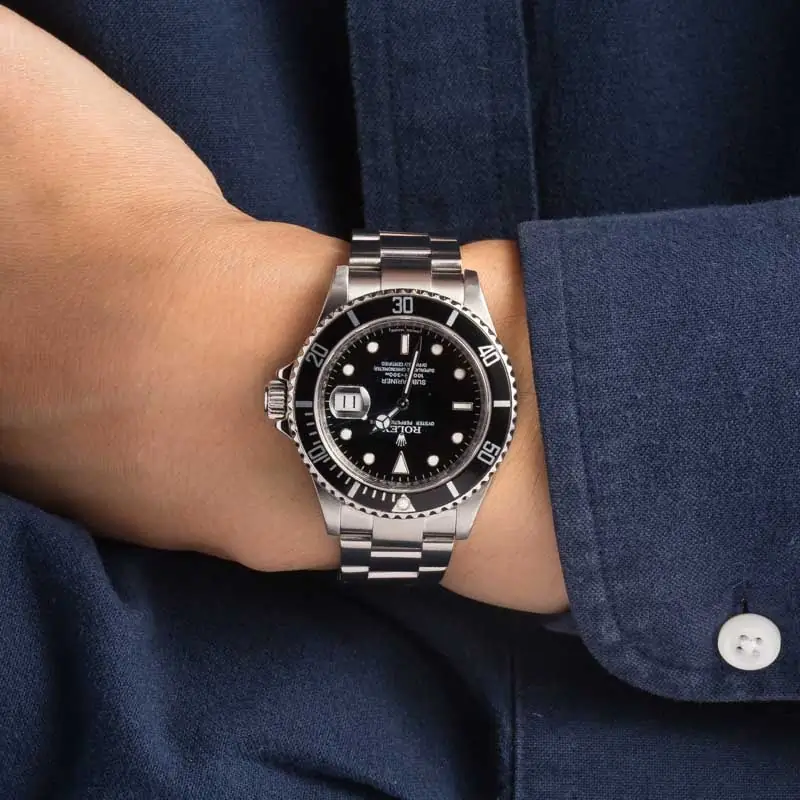
First up, the Datejust 36. It’s the classic example.
Looking at its iconic design, the Datejust 36 is the original blueprint. The fluted bezel, Cyclops lens, and Jubilee or Oyster bracelet all come together perfectly at 36mm. Make it bigger, and you lose that balance.
Everything is just right for this size: the dial proportions, the hour markers, how the bezel looks. The 41mm version has more presence and is easier to read in a modern way.
But the 36mm keeps a vintage charm and versatility that lots of people love and can’t replace. This watch looks just as good with a suit as it does with a polo shirt. That shows how perfectly scaled its design is.
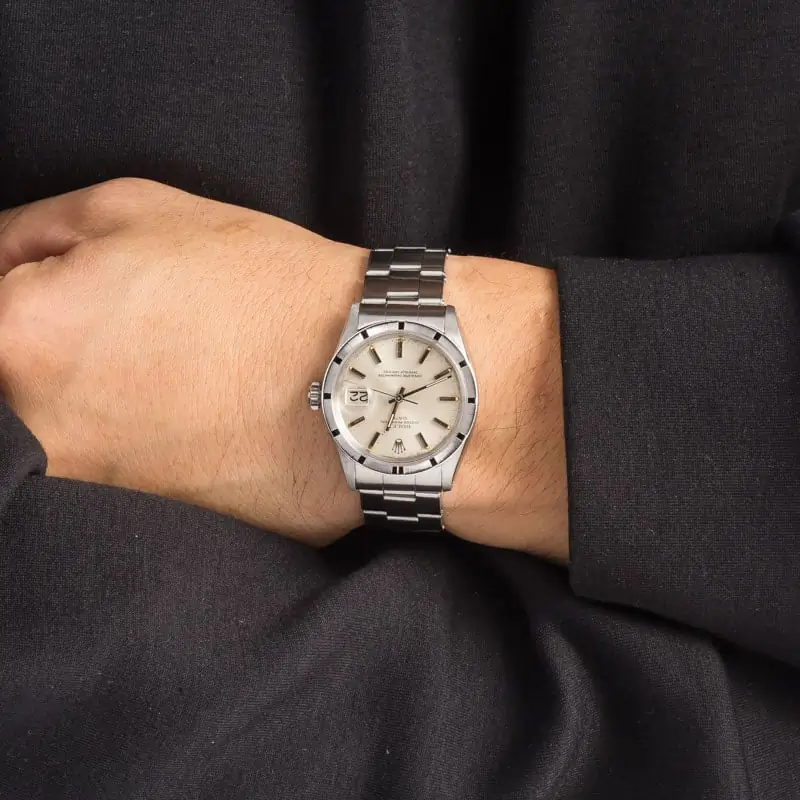
Now, the Explorer I, Air-King, and Oyster Perpetual 36.
For Rolex’s tool watches, the 36mm size makes practical sense. The Explorer I’s 36mm case is a direct nod to its climbing history. It’s a compact, reliable tool. It’s super easy to read, thanks to those high-contrast dials.
In the same way, the Oyster Perpetual 36 gives you a clean, no-date look in a size that never goes out of style. The big plus here is comfort. It stays out of the way when you’re active.
These watches show that for a real tool watch, the best size is about comfort and reliability, not just making it bigger because it’s trendy.
| Model | Key Features | Best For | How It Looks on the Wrist |
|---|---|---|---|
| Datejust 36 | Fluted bezel, Cyclops lens, Jubilee bracelet | Classic elegance, great for everyday | Moderate (the bezel gives it some heft) |
| Explorer I 36 | Black dial, 3-6-9 numerals, Mercedes hands | Low-key tool watch, adventure vibe | Light (smooth bezel, simple dial) |
| Oyster Perpetual 36 | Smooth bezel, colorful dials, no date | Clean, modern look, a bit of color | Light to Moderate (depends on the dial color) |
| Air-King (older model) | Unique 3-6-9 numerals, aviation history | Aviation fans, unique style | Moderate (the dial is a bit busier) |
Long-Term Wearability and Investment Perspective
Comfort as a Daily Driver
Here’s the ergonomic perk: if you wear a 36mm Rolex day in, day out for months or years, its comfort really pays off. It won’t snag on your sleeves as much, you’re less likely to whack it on a door frame, and it doesn’t feel heavy on the wrist.
That light, secure fit gives you what watch fans call forgettable comfort—you’re aware you’re wearing it, but it never bothers you. If you’re always on the go or stuck at a desk all day, this can be the deciding factor.
A bigger, heavier watch might just end up sitting in the box more often. So, you end up wearing the classic 36mm size more. Funny enough, that’s the whole point of having a watch, right?
Resale Value and Collectibility of the 36mm Size
Let’s talk investment. 36mm Rolex watches hold their value really well and stay steady. This is especially true for classic looks, think a Datejust with a fluted bezel on a Jubilee bracelet.
They attract all sorts of people—folks with smaller wrists, plus more and more buyers who love that vintage style. Sure, some bigger, chunky professional models might get super hot and expensive for a little while.
But the appeal of the 36mm size? That lasts forever. It doesn’t get tossed around by whatever size is trendy this year. That makes it a smarter bet if you’re in it for the long haul. Why is it so collectible?
Because historically, that 36mm size is what made Rolex, Rolex. It’s their classic, defining look.
Conclusion and Final Verdict
Alright, let’s get to it: is a 36mm Rolex actually too small? For most people’s wrists, the answer is a clear no way.
It’s a classic size, really elegant and super comfy to wear. This size is a big deal in watch history. Some might see it as a downside today, when bigger watches are trendy—it can look a bit modest. But that’s actually its best feature!
It gives you a refined look, all-day comfort, and a style that never goes out of fashion. So, in the end, it’s all about you. What’s your wrist size? What’s your style? Do you want a modern, bold look, or a timeless, well-proportioned one?
Honestly, the only real way to know is to slap one on your wrist and see. You could be totally surprised by how perfect it feels.
Ready to Decide? Share Your Thoughts!
Still can’t decide if a 36mm Rolex is too small, or if you should go bigger? Why not pop over to our forum?
Share a pic of your wrist or your current watch collection. Our community is full of enthusiasts who can give you personal tips and share how their watches really feel on the wrist.
Or, if you want the full story, check out our deep-dive article on the Rolex Datejust’s history: The Evolution of an Icon: A Complete Guide to the Rolex Datejust. The perfect watch for you is waiting. Let’s help you find it!
Got questions about 36mm Rolex watches? We’ve got answers.
So, is a 36mm Rolex too small for a guy with a 7.5-inch wrist?
Not really, no. A 7.5-inch wrist is actually a great size for a 36mm watch to look balanced, especially if your wrist is on the flatter side. The key thing is the lug-to-lug measurement.
Lots of guys with wrists this size say the 36mm Rolex fits just right and is super comfy for everyday. You really gotta try one on, though.
Between a 36mm Datejust and a 36mm Oyster Perpetual, which one looks bigger?
The Datejust usually looks a bit bigger. That’s because of its fluted bezel—it catches the light and makes the watch seem larger. The Oyster Perpetual has a smooth bezel, so it looks more sleek and low-profile.
A dark dial on either watch can make it seem smaller. But go for a bright color like green or coral, and it’ll look a touch bigger.
Do 36mm Rolexes keep their value well?
For sure. Classic 36mm models, especially the stainless steel or two-tone Datejust with classic looks, have a really strong resale market. They’re timeless, so there’s always demand—from new buyers and vintage collectors alike. That keeps their value solid over the years.
Can you actually use a 36mm Rolex as a sports watch?
For sure. Take the Explorer I 36 or the Oyster Perpetual 36. They’re built tough with the same Oyster case as the bigger sports watches, and they’re water-resistant to 100 meters. That smaller 36mm size can even be a plus when you’re active. They’re less likely to bang into things.
