Rolex Datejust 36 or 41: Which Size Fits You?
Rolex Datejust 36 or 41: Which Size Fits You?

I’ve been into watches for ages and have owned both the 36mm and 41mm Datejust myself. People ask me all the time which size they should pick. Honestly, there’s no one-size-fits-all answer. It’s a really personal call that depends on your wrist size, your style, and how you want the watch to feel when you wear it. So, this isn’t just about the millimeter numbers. We’re going to dig into what makes each classic Oyster Perpetual model unique—its character, how it wears, and where it fits with today’s trends. We’ll look at the case size, how the dial looks on the wrist, how the bracelet fits, and even how that famous Cyclops lens changes with the size. It’s all to help you figure out which of these legendary watches really suits your life.
Recommended Products
You might be interested in these products
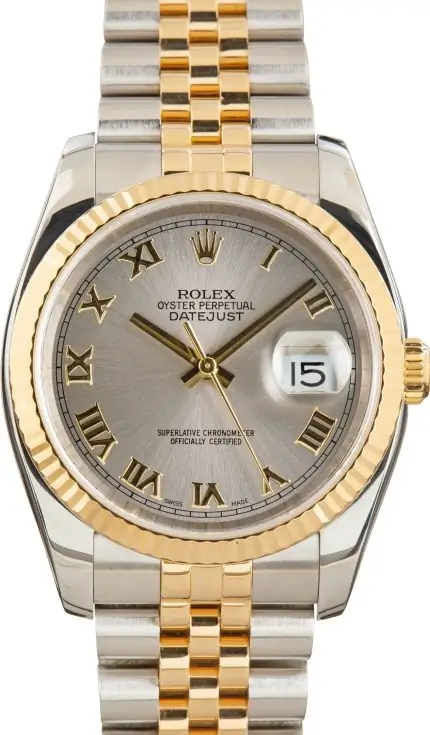
Table of Content
- Core Dimensions and Physical Presence
- Wrist Fit and Comfort Assessment
- Style, Era, and Fashion Considerations
- Movement and Technical Specifications
- Investment and Resale Value Perspectives
- Making Your Final Decision: A Practical Guide
- Conclusion and Final Verdict
- Call to Action (CTA)
- Frequently Asked Questions (FAQ)
Core Dimensions and Physical Presence
Beyond the Millimeter: Case and Lug-to-Lug
Let’s get to the core of it. Sure, the names tell you the main difference is case size, 36mm versus 41mm. But how the watch actually feels on your wrist depends on a lot more than just that one number.
Take the 41mm model, the official Datejust 41. Its case isn’t just wider. It’s also a bit thicker because it needs to fit the newer Caliber 3235 movement inside. Here’s the really important part: the lug-to-lug distance is longer on the 41.
That’s the measurement from the top lug tip to the bottom one. So, the 41mm watch will stretch out more across the top of your wrist. If you have a slender or flat wrist.
you’ll probably find the Datejust 36’s shorter lug-to-lug more comfortable and better looking. The lugs won’t stick out over the edges of your wrist.
<img src="https://www.chronrate.com/wp-content/uploads/2025/12/7046cb2e-e222-4cba-9acd-c77b21c82366.webp" alt="Rolex Datejust 36 vs 41 size comparison”>
Dial Real Estate and Legibility
Now, about the look. The Datejust 41’s bigger dial gives you a more modern and bold face. The hour markers and hands are bigger too, which makes telling the time super easy with just a quick look. That’s a practical plus I really like.
On the other hand, the classic 36mm dial has a balanced, elegant look. Lots of people think that style never goes out of fashion. Everything on the 36mm is perfectly scaled.
The date window and the Cyclops magnifier fit the dial just right, so the whole thing looks really harmonious. Over on the 41mm, the Cyclops magnifier is bigger. Some watch fans say this messes with the dial’s symmetry. But hey, the upside is the date is even easier to read.
Wrist Fit and Comfort Assessment
Here’s a handy rule of thumb for wrist size: the 6.5-inch mark.
From what I’ve seen, people often say go for the Rolex Datejust 36 if your wrist is under 6.5 inches, and pick the 41mm if it’s over 7 inches. I’ve tried both on loads of clients, and that advice usually works.
My own wrist is 6.75 inches, which is kind of in-between. The Datejust 36 looks and feels just right on me—it’s light, fits like part of my arm, and slides easily under a cuff. The 41mm version makes more of a statement, though.
You definitely notice its size and weight. Really, you gotta try them both on. A watch that’s too big can look like you borrowed your dad’s. One that’s too small might seem a bit delicate, especially if you like a sportier style.
Now, about the bracelets and how they wear…
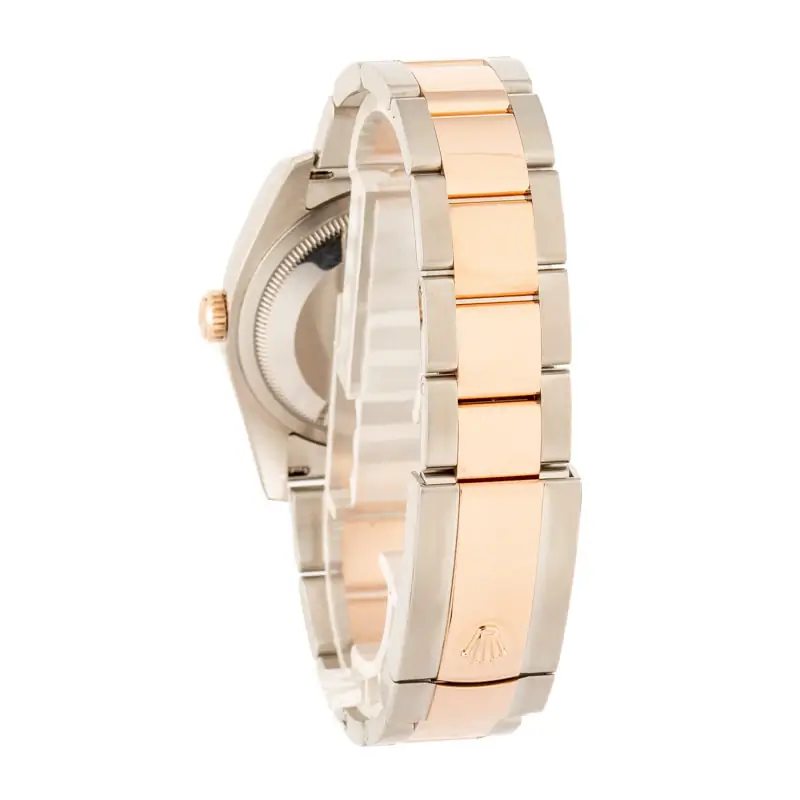
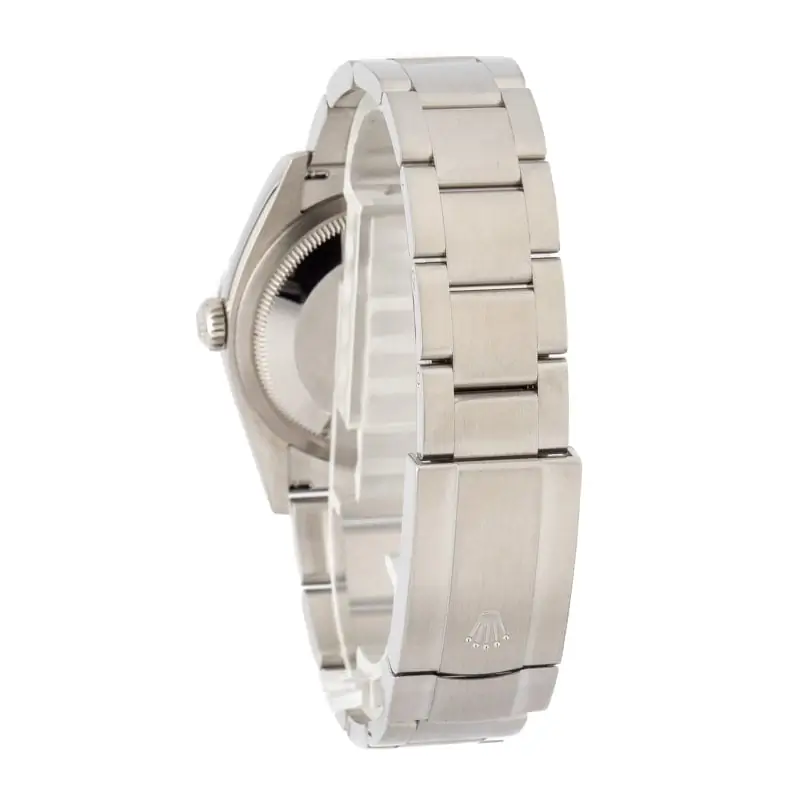
Both the Rolex Datejust 36 and 41 come with those great Oyster or Jubilee bracelets. But the bracelet on the 41mm is wider to match the bigger case. That can change how it hangs and feels, especially if you have bonier or tapered wrists.
The wider bracelet on the 41 might not hug your wrist as closely, so it could leave a little gap on smaller wrists. The 36mm’s bracelet is narrower, so it often follows the curve of your wrist more naturally.
All-day comfort is super important. For that, the Rolex Datejust 36 often wins—it’s just so comfortable and discreet you can wear it all day long.
Style, Era, and Fashion Considerations
Classic Versus Contemporary Aesthetics
Let’s break down the style. The Rolex Datejust 36 is the perfect dress watch. It really captures the spirit of the original 1945 design. It has a vintage-inspired, classy look. This makes it a great match for business suits and formal outfits.
The Datejust 41 came out later. It shows how the design has evolved for modern tastes. Its bigger size fits right in with today’s trend of larger watches. This gives it a more versatile, sporty-yet-elegant feel.
You can easily wear it to the office and then on a casual weekend. Your own style is key here. Whether you love timeless elegance or a more modern, robust look will really sway your choice between the Datejust 36 and 41.
Gender Neutrality and Modern Trends
Here’s some market insight. The 36mm was originally sold as a men’s watch. But now, lots of women love it too when they want a solid luxury watch. That’s made it a real unisex icon. The 41mm is still mostly popular with men.
But more and more women are starting to wear bigger watches these days. So now, picking between the Rolex Datejust 36 and 41 isn’t really about gender. It’s more about the look you’re going for.
Also, the watch world is moving back towards mid-size, versatile watches, like those in the 36-39mm range. This has made people appreciate the Datejust 36’s perfect size all over again.
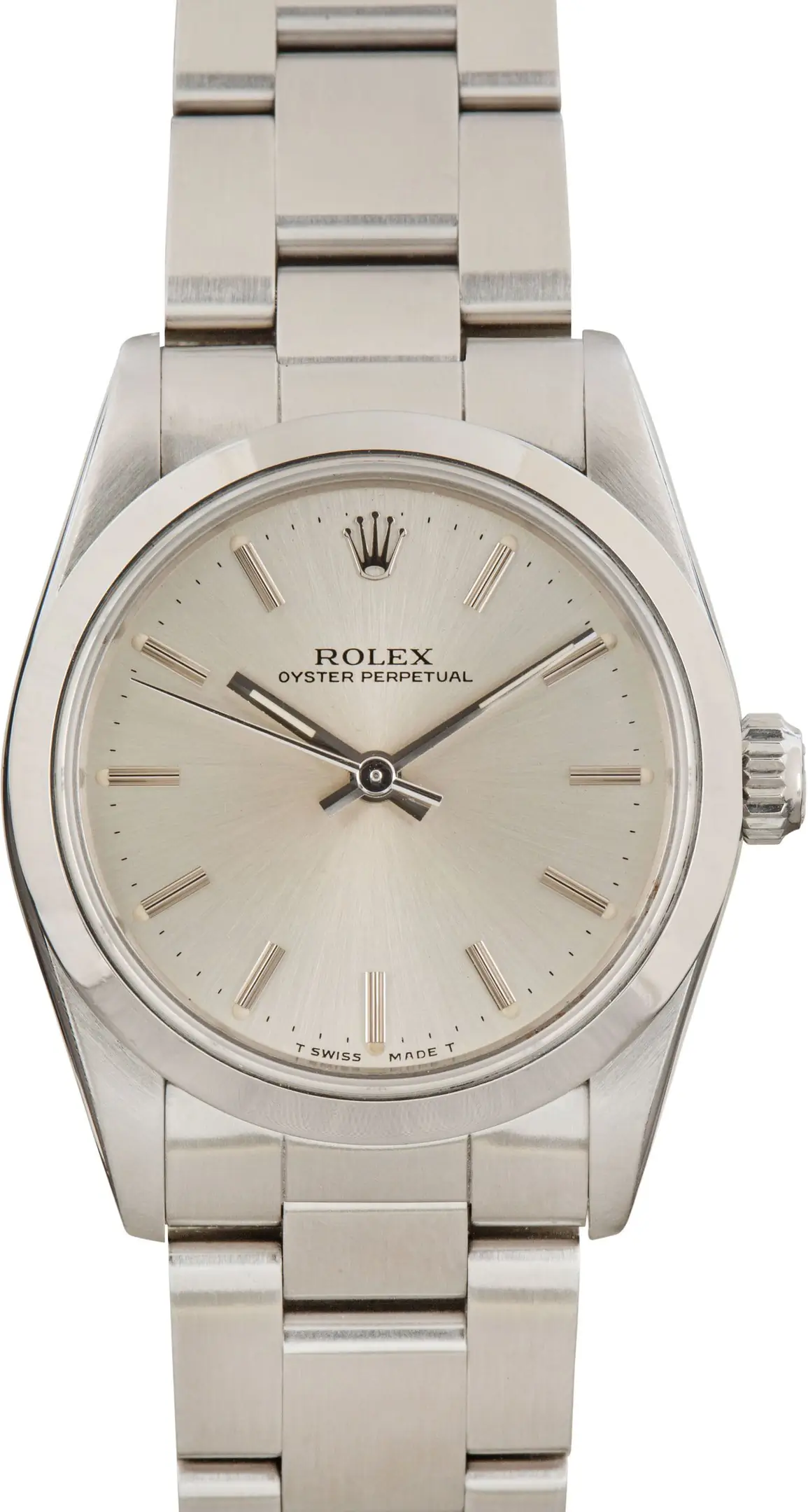
Let’s talk about the movement and tech specs.
Here’s an important note about the Caliber 3235 being the same in both.
Here’s a key update. In recent years, Rolex made a big change. Now, both the Datejust 41 and the latest Datejust 36 (the ref. 126200 series) use the exact same movement, the Caliber 3235. This is a fantastic movement.
It gives you a 70-hour power reserve and has a Chronergy escapement, which makes it more efficient. But remember, older Datejust 36 models ran on the Caliber 3135.
This parity means your size decision is no longer about technical superiority—both offer identical performance, precision, and the top-tier Superlative Chronometer certification (-2/ 2 seconds per day). Your choice really comes down to just the look and how it fits on your wrist.
| Feature | Datejust 36 (ref. 126200) | Datejust 41 (ref. 126300) |
|---|---|---|
| Case Size | 36 mm | 41 mm |
| Movement | Caliber 3235 | Caliber 3235 |
| Power Reserve | 70 hours | 70 hours |
| Superlative Chronometer | Yes (-2/ 2 sec/day) | Yes (-2/ 2 sec/day) |
| Water Resistance | 100 meters / 330 feet | 100 meters / 330 feet |
Investment and Resale Value Perspectives
Market Demand and Collectibility
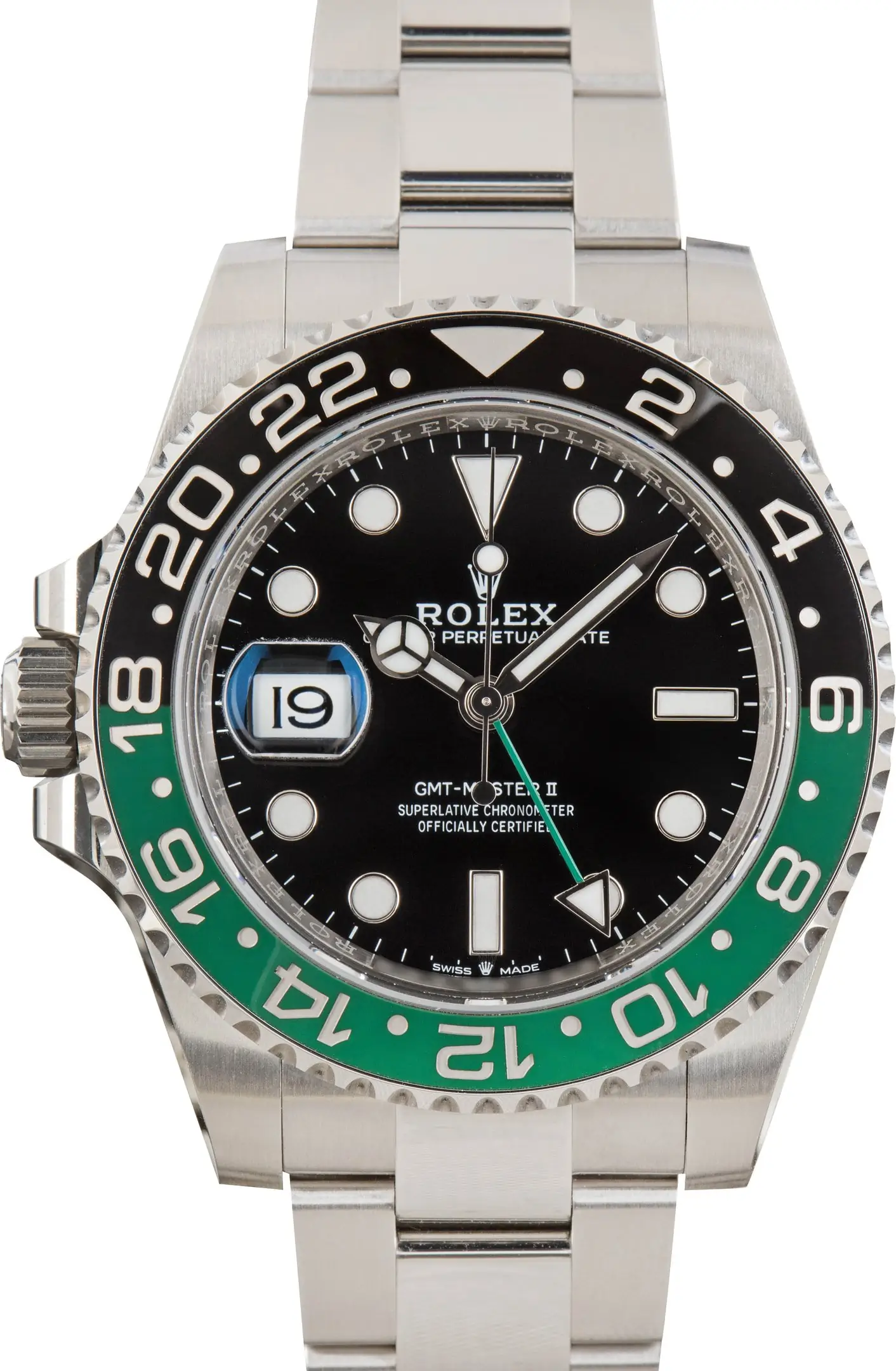
Let’s look at the market. Both the 36mm and 41mm Rolex Datejust hold their value really well, which is classic Rolex. But the market for each size can play out a bit differently. The 36mm has been around longer and is super iconic.
Because of that, it tends to appeal to a wider and steadier crowd, including different ages and both men and women. Certain models are especially popular. Take the classic look with a steel case, white gold fluted bezel, and Jubilee bracelet.
The one with the Wimbledon dial? That’s a real hot ticket item. The 41mm is the modern favorite. It gets a lot of love from buyers who want a current, sporty luxury watch. It also keeps its value great.
But its popularity might be a bit more tied to fashion trends, like whether bigger or smaller watches are in style.
The Role of Configuration and Materials
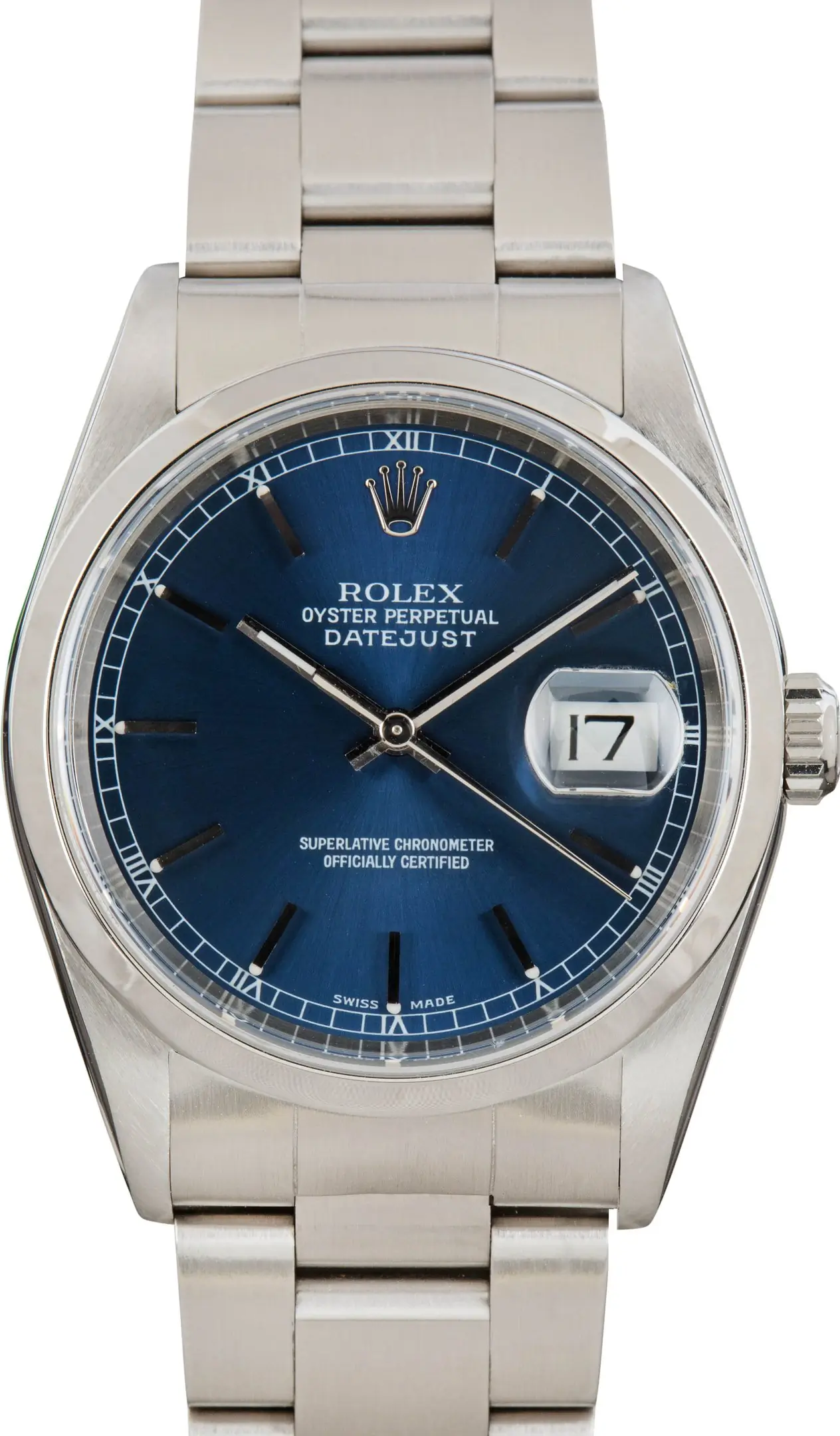
Here’s the thing: the setup of the watch hugely affects its value. A two-tone Rolesor or a solid gold model will always cost more than plain Stainless Steel. People want the fluted bezel more, especially in white gold, compared to the smooth one.
On the resale market, the Jubilee bracelet usually adds a bit of a premium over the Oyster. And this goes for both the 36mm and 41mm sizes. My advice is simple: pick the combo you’ll love wearing for years.
Getting a watch you truly enjoy is the best way to make sure it’s valuable to you. Buying a watch just as an investment, one you don’t even like to wear, is a pretty bad move.
| Size | Popular Configuration | Style Vibe |
|---|---|---|
| 36mm | stainless steel, Fluted Bezel, Jubilee, Blue Dial | Ultimate Classic |
| 36mm | Stainless Steel White Gold (Rolesor), Jubilee | Elevated Elegance |
| 41mm | Stainless Steel, Smooth Bezel, Oyster, Black Dial | Modern Sporty |
| 41mm | Stainless Steel, Fluted Bezel, Jubilee, Slate Dial | Contemporary Luxe |
Here’s a practical guide to help you make your final choice.
First up, you’ve gotta try them on. It’s a must.
There’s no way around it—you have to try on both the 36 and 41mm yourself. Pictures and specs online can be really misleading. Head to an official Rolex dealer. Ask to try on a Datejust in both sizes, and try to find ones that look similar.
Keep each one on your wrist for a good ten minutes. Then, step back and check yourself in a mirror from a distance. That’s how other people will see it. See if the lugs hang over your wrist and how the watch sits when you bend your hand.
Pay attention to the weight, too. Your first instinct when you see yourself is usually the best guide. Don’t let a salesperson tell you what size a man’s watch should be.
Now, think about the rest of your watch collection.
Look at the big picture. Is this going to be your only nice watch, or are you adding to a bunch you already own? If it’s your one and only luxury piece, you need it to be versatile. The 36mm Datejust is probably the safer, more timeless pick.
It’ll always look right. But if you’ve got a dressy watch already and want something with more presence, the 41mm Datejust could be just the thing. Also, consider your clothes and how you live day-to-day.
Do you wear suits a lot? That might lean you toward the 36mm. More into casual clothes? The 41mm might fit that vibe better. Thinking about this stuff is super important if you want to be happy with your choice for years to come.
Conclusion and Final Verdict
Picking between the Rolex Datejust 36 and the 41? It’s a fun choice: classic size versus a modern look. Mechanically, they’re the same amazing watch.
Both have that top-notch Superlative Chronometer certification, so you know they’re super accurate. The 36mm gives you timeless, low-key style and wears comfortably all day. It’s a watch you can keep forever.
Go for the 41mm if you want a bolder look that’s easy to read. It’s for folks who like their luxury to stand out more. Honestly, there’s no bad pick here. You just need to find the right one for your wrist and your personal style.
Call to Action (CTA)
Still can’t decide between the Rolex Datejust 36 and 41? Just drop your wrist size and what style you like in the comments.
I’ll give you my personal opinion on the Datejust 36 vs 41 size comparison for you! Want to know more about how a Rolex should fit? Check out our full guide on sizing and adjusting the Oyster Perpetual bracelet.
Here are some common questions people ask.
So, is the Datejust 41 too big if your wrist is 7 inches?
Not really, no. Actually, a 7-inch wrist is pretty much perfect for the Datejust 41. It gives you a solid, modern look that doesn’t seem too big. The lugs should fit nicely and sit flat on your wrist. But your wrist shape matters too—whether it’s flat or round. That’s why you really gotta try it on.
Do both the Datejust 36 and 41 have the same movement inside?
Yep, for the latest models (the ones with reference numbers starting 126XXX), they both pack the Rolex Caliber 3235. So, no matter which size you pick, you’re getting the same 70-hour power reserve, accuracy, and tech. The older 36mm versions, though, had the Caliber 3135.
Which size holds its value better, the 36 or the 41?
Both are great at holding their value, like most Rolexes. The 36mm sometimes comes out a tiny bit ahead. It’s got that classic look that never goes out of style, and both guys and girls want it.
But a really hot combo—like a fluted bezel on a Jubilee bracelet—in either size can be worth even more than usual.
Can women wear the 41mm Datejust?
For sure. These days, watch size is all about personal taste, not gender. Lots of women pull off the Datejust 41 with confidence. They love its bold, standout style.
In the end, it just comes down to what you like and what feels right on your wrist. The best way to decide? Try on both the 36 and the 41 and see which one you connect with.