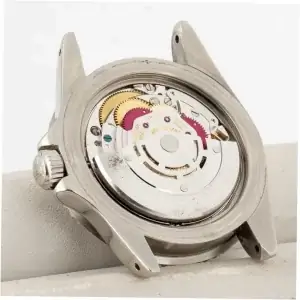
Why is my Rolex running fast?
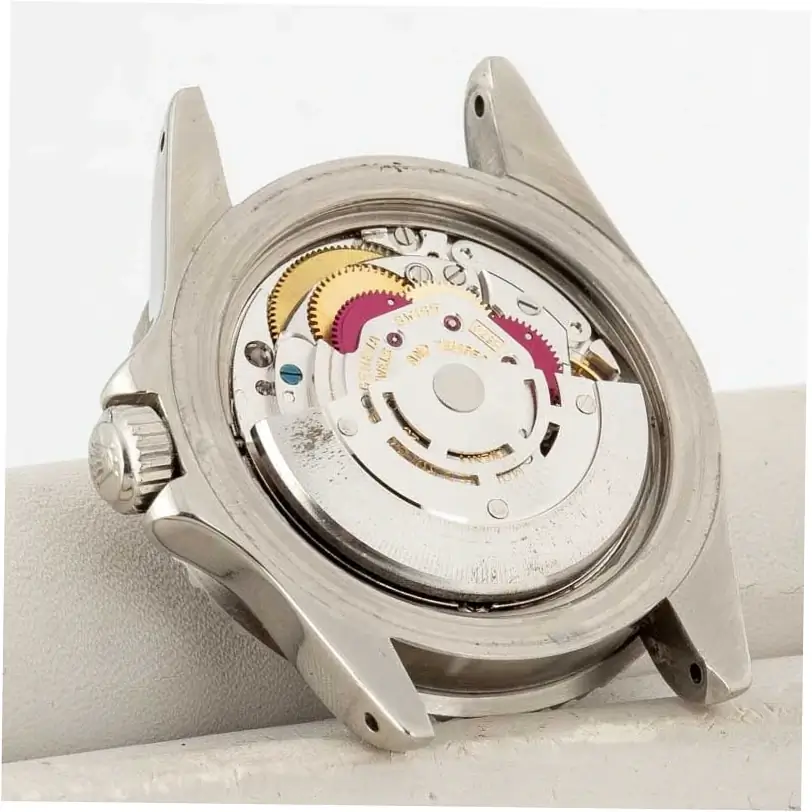
Why is my Rolex running fast?

You check your wrist, sure your Rolex has you right on time. But then you notice something weird—it’s somehow gained a few minutes. That uh-oh, my Rolex is running fast feeling? It’s super common for owners, but it’s also pretty confusing. So, why does a Rolex start speeding up? We’re going beyond simple guesses here. Let’s dig into the real reasons—things like the mechanics inside, getting magnetized, maintenance slip-ups, and even some myths. All this can mess with your watch’s famous accuracy. Don’t worry, we’ve got you covered. We’ll give you clear steps to figure out the problem and reliable fixes to get your watch ticking perfectly again, just like it’s supposed to.
Recommended Products
You might be interested in these products
Table of Content
- Let’s clear up how Rolex accuracy and timekeeping really work.
- So, what’s usually to blame when your Rolex runs fast?
- Sometimes, it’s about how you care for it or just plain old wear and tear.
- Here’s a simple, step-by-step guide to figure out why your Rolex is running fast.
- How to keep your Rolex accurate for the long haul.
- Wrapping things up and what you should do next.
- Got more questions? Here are some common ones.
Let’s clear up the mystery around Rolex accuracy and how it keeps time.
First, the promise of precision: what the COSC standards say versus how your Rolex actually performs.
Core Expectation vs. Reality: A brand-new Rolex is a chronometer, certified by the Swiss Official Chronometer Testing Institute (COSC) to operate within -4/ 6 seconds per day. So, it’s okay if it gains up to six seconds every day.
That’s still within specification. But lots of owners say their watch gains way more than that. This is what we call the Rolex gaining time concern. First things first, you need to measure how off it is.
Use a timegrapher app on your phone. Wear the watch like you normally do for a day or two to get an accurate reading. If it’s consistently gaining 10 to 30 seconds a day, that points to one kind of issue. If the timekeeping is all over the place, that’s a whole different problem.
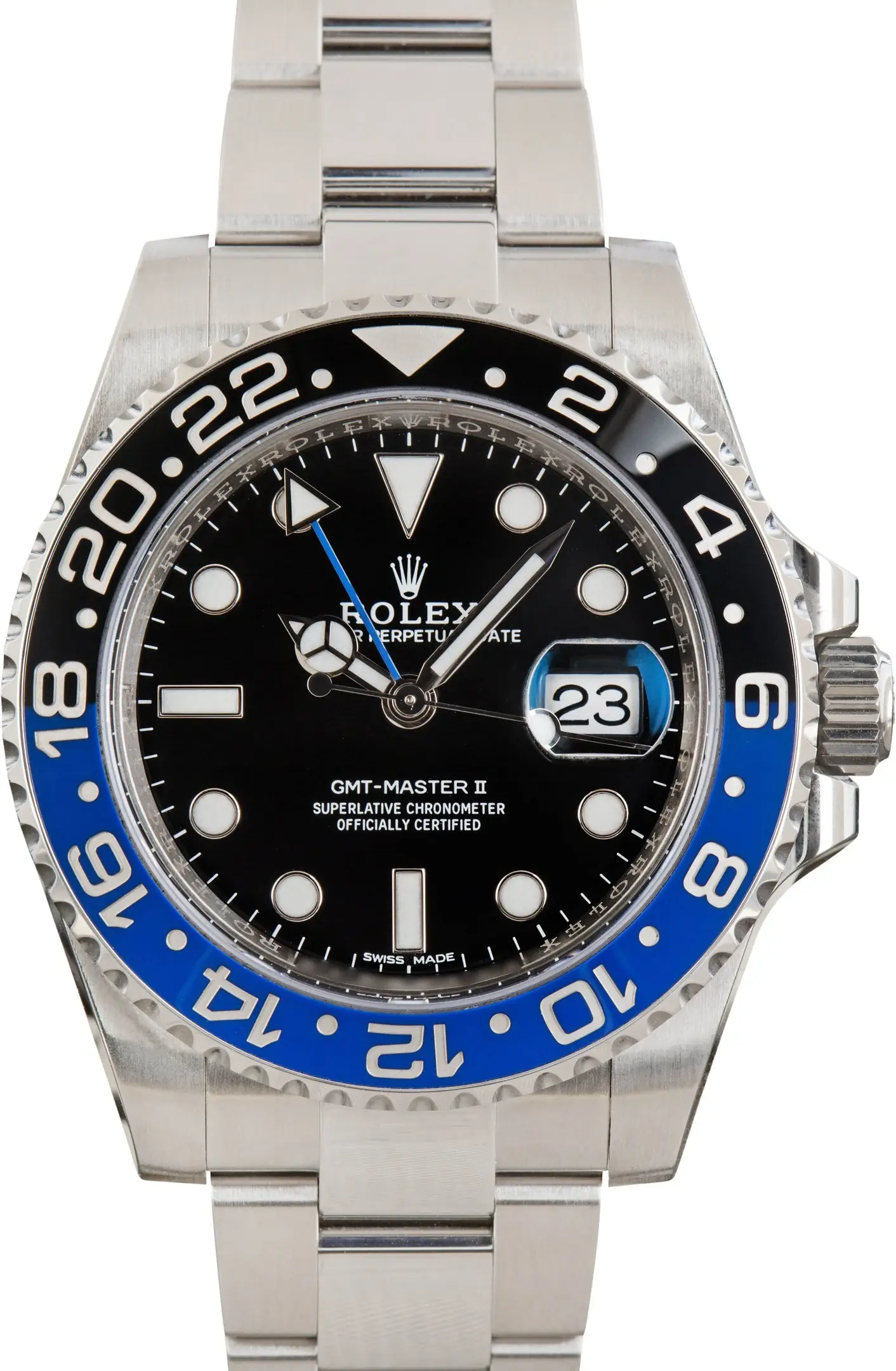
Now, let’s look at how a mechanical movement actually tells time.
The core mechanism is like the watch’s heartbeat. Inside every Rolex, there’s a mechanical movement. It’s regulated by two key parts: the balance wheel and the hairspring. This assembly swings back and forth at a super precise rate.
For most modern Rolexes, that’s 28,800 beats every single hour. A tiny lever called the regulator adjusts this rate. What it does is basically shorten or lengthen the active part of the hairspring.
If something disturbs this system—like a hard knock, getting magnetized, or just plain old wear and tear—the swing rate changes. That’s what directly makes your watch run fast or slow. Getting how this works is the key to figuring out why your Rolex is suddenly speeding up.
So, why is your Rolex running fast? Let’s look at the main reasons.
First up, magnetism. It’s like an invisible gremlin that speeds up your watch.
Here’s the thing: while some modern Rolexes, like the Milgauss, are built to resist magnets, most aren’t. You’d be surprised what can magnetize that tiny hairspring inside. Think laptop speakers, tablet cases, purse clasps, or even getting an MRI.
When it gets magnetized, the coils of the spring stick together. This makes it shorter and stiffer, so it swings faster. And what happens? Your watch suddenly starts gaining minutes every single day. A super easy way to check?
Hold a compass near your watch. If the needle jumps, magnetism is probably the villain making your Rolex run fast.
| Category | Common Examples | How Strong? |
|---|---|---|
| Electronics | Speakers in laptops or tablets, some phone cases, TV speakers. | Usually low to medium strength. |
| Stuff Around the House | Magnetic latches on cabinets, clasps on bags, headphones. | Mostly low strength. |
| Medical Industrial Stuff | MRI machines, electric motors, power tools. | These are the big ones, very strong. |
Next, let’s talk about bumps and how you store your watch.
The core issue here is a hard knock. Even a small bump can throw off the balance wheel or nudge the regulator pin. You’ll often see this as a big, sudden jump in how fast it gains time each day.
Also, mechanical watches run at slightly different speeds depending on their position—like face up, crown down, and so on. So if you always leave your watch in a position where it runs fast, it’ll end up gaining a lot of time overall.
For instance, if you put it crown-up on your nightstand every night, it might speed up more than if you were just wearing it.
Let’s talk about what causes wear and tear, and how it affects your Rolex.
First up is service. It’s all about lubrication and wear.
Rolex says you should get your watch serviced about every ten years. Think of it as a scheduled overhaul. Over the years, the oils inside can dry out or move around. This creates more friction in the movement.
It might seem weird, but this extra friction can actually make your Rolex run fast. How? If it messes with the escapement’s unlocking action, it changes the impulse.
More often, you’ll see fast running from worn parts like pivot holes or a bent balance staff. This leads to erratic timekeeping, where it might speed up for a while. Skipping those service appointments is a top reason for long-term accuracy problems.
Next, let’s look at aftermarket mods and bad handling.
The big risk here is someone who isn’t Rolex-trained working on your watch. They might not regulate it right. A common fix-it mistake is cranking the regulator pin too tight to hide another problem. That’ll make your watch gain time like crazy.
Using cheap aftermarket parts or a botched rate adjustment can also ruin your watch’s accuracy for good. So, if your Rolex suddenly starts running fast right after a service, always check who did the work.
| Watch Age Condition | What you might see | Likely cause | What to do |
|---|---|---|---|
| 0-5 Years (New Watch) | It consistently gains 5 to 10 seconds a day. | This might still be okay for Rolex. It could just need a tiny tweak. | Keep an eye on it. If it bugs you, get a pro to regulate it. |
| 5-10 Years Old | The gain gets worse, and the timing gets jumpy. | The oils are breaking down, and some parts are starting to wear. | Time to schedule a standard service. |
| 10 Years / No Service | It gains minutes every week and might even stop. | The lubricants are bone dry, parts are worn out, and there could be real damage. | You need a full service, and you need it now. |
Here’s how to figure out why your Rolex is running fast, step by step.
First, try these simple checks at home.
Don’t worry just yet. Start with the 48-hour test. Wind it up fully. Then, check the exact time on a super accurate source like time.gov. Wear it like you usually do for a whole day. After 24 hours, see how much time it gained or lost.
Next, leave it in a different spot overnight, maybe with the crown facing up. Check it again in the morning. This easy test tells you if it’s consistently gaining time—which could mean magnetism or needs adjusting—or if it’s just the position it’s in. Oh, and don’t forget the compass test for magnetism we talked about.
So, when should you call in the pros?
Here’s the deal: if your Rolex keeps gaining over 20 seconds a day, if it fails the magnet test, or if it started running fast right after a knock, you need a professional.
For newer Rolexes (made after 2000), a good watchmaker can demagnetize it in a flash. That often fixes it right away. If you have an older model or if demagnetizing doesn’t help, the next move is a full check-up.
Take it to a Rolex Service Center or a specialist you trust. They’ll look at the hairspring, check the balance wheel, and see how the whole movement is doing.
Prevention and Long-Term Care
Avoiding Common Pitfalls in Daily Wear
Core Habit Formation: Stopping problems before they start is way cheaper than fixing them later. You gotta pay attention to where your watch is. Strong magnets are bad news for your Rolex. So keep it off your laptop and away from big speakers.
Try not to bang it around when you’re playing sports or doing heavy work. When you’re not wearing it, put your Rolex in a soft pouch or its box. If you know it tends to run fast in a certain position, store it in a way that helps balance that out.
A watch winder is usually fine for newer Rolexes, but you don’t really need one to keep it running long-term. And it definitely won’t solve a problem like your watch running fast.
The Importance of Regular Professional Servicing
Core Maintenance Schedule: Getting your watch serviced is like giving it a regular check-up to keep it healthy. Stick to getting it serviced every 7 to 10 years.
This keeps the oils fresh and lets a pro check for worn parts before they cause bigger trouble, like making your watch run all over the place or even breaking. A full service means they take the whole watch apart.
They clean everything thoroughly, swap out old seals and any worn bits, add new lubricant, fine-tune the timing, and test it’s still waterproof. So, if your Rolex has started running fast because it’s just getting old and worn, a full service is the best fix you can get.
Conclusion and Call to Action
If your Rolex is running fast, don’t panic. It’s usually not a major breakdown. More often, it’s just a sign of a specific problem that you can often fix.
The causes can range from common stuff like magnetism to just needing a routine service. Once you figure out the why, you’ll know exactly what to do next. So, before you take it to a watchmaker, try the simple checks we talked about.
That way, you’ll have some useful info ready. Just give your Rolex the proper care its amazing engineering needs. That’s how you keep it running perfectly, just like the day you got it.
Has your Rolex ever started running fast? What turned out to be the cause, and how did you fix it? Drop your story in the comments to help other Rolex fans out. Or, if you want more insider tips, check out our full guide on Rolex service costs and what really happens during a service.
Here are some common questions people have.
So, can a magnetized Rolex get wrecked for good?
Usually not. Getting magnetized is just a temporary thing. It messes with the steel hairspring inside. A pro can demagnetize it in seconds, and that almost always fixes it right up. No lasting harm done.
But, if you leave it magnetized for years and years, it might wear out a bit faster in theory. That’s pretty rare though.
What’s the bill for fixing a Rolex that’s running fast?
The price can be all over the place. If it’s just magnetized, a watchmaker might charge a tiny fee to demagnetize it, or even do it for free. If it requires regulation as part of a routine service.
expect costs starting around $800 for a basic model from an independent specialist, and significantly more from an official Rolex Service Center, where a full overhaul can cost $1,000 .
Is it a bad idea to keep resetting a fast Rolex every single day?
Yanking the crown out all the time to fix the time isn’t great. It wears down the setting parts and the seals. Over time, that could let water in. It’s just a quick fix, not a real solution. You’re always better off figuring out why it’s gaining time and fixing that for good.
Does a Rolex run faster when it’s fully wound up?
Yeah, a little bit. When the watch is fully wound, the balance wheel swings harder. That can make it tick a tiny bit faster than when it’s almost out of juice. That’s totally normal.
Even the official accuracy tests (COSC) check for this at different power levels. But it shouldn’t make you gain minutes every day.