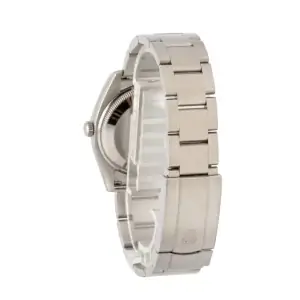
Do Rolex Watches Need Watch Winders?
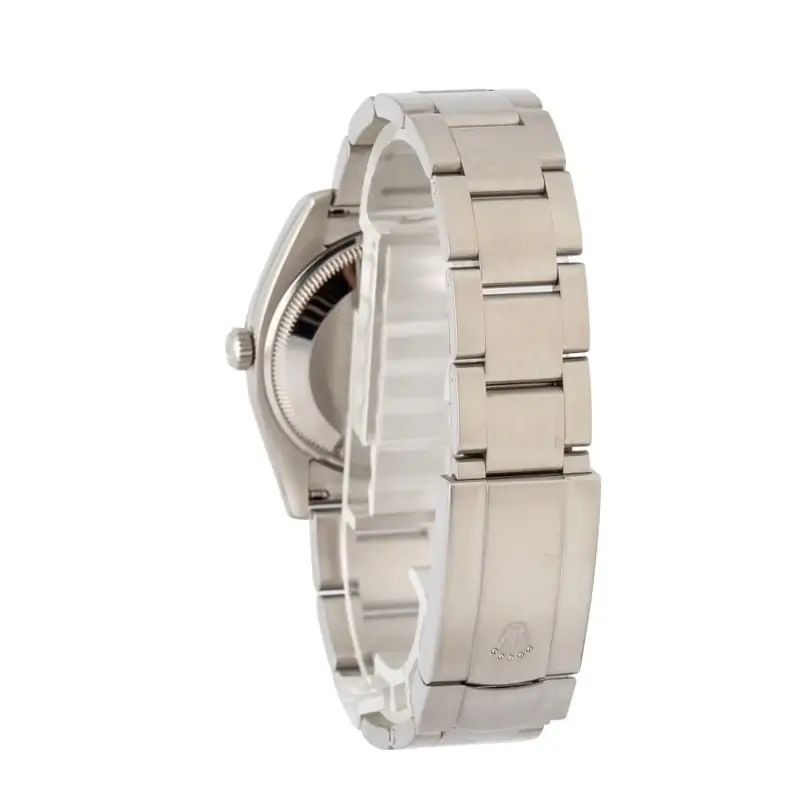
Do Rolex Watches Need Watch Winders?

I’ll never forget when I first got my granddad’s old Rolex Datejust. It’s a gorgeous watch, but I soon hit a common snag for automatic watch folks: if I didn’t wear it, it just stopped ticking. That sent me deep into researching watch winders made for luxury watches like Rolex. So, are these things a must-have to protect your investment, or just a pricey add-on? From my own tries and chats with watchmakers, I found out it’s not a clear yes or no. It really comes down to how you collect watches, which Rolex you’ve got, and what you want for its care in the long run. This guide cuts past the sales talk and gives you the straight, practical info to figure out if a watch winder suits your beloved Rolex.
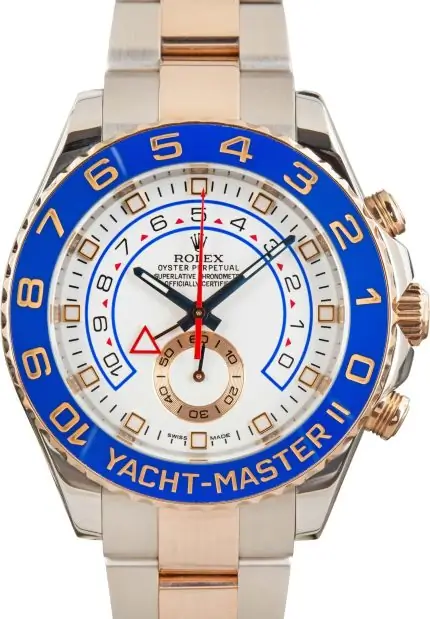
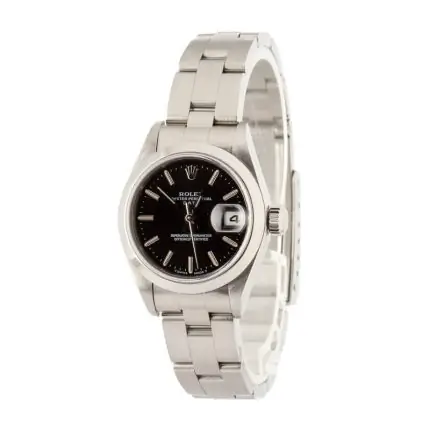
Recommended Products
You might be interested in these products
Here’s what we’ll cover:
Let’s break down how Rolex automatic movements work.
Here’s the main thing: it’s all about the Perpetual rotor.
To see why you might need a watch winder for your Rolex, you gotta look at how it works. Rolexes get their power from a special self-winding part called the Perpetual rotor. When you move your wrist, that little half-circle weight swings around.
This winds up the mainspring and stores energy. But if you leave the watch sitting still, it runs out of juice and stops ticking. A recent report from a watch expert group (FHH) pointed out something important.
The oils inside a modern Rolex are meant to keep moving gently. If the watch just sits for too long, those oils can get gunky.
But hey, not every Rolex is the same when it comes to this. The power reserve, or how long it keeps going off your wrist, can be different. Most newer models, think Submariner or GMT-Master II, can last about 70 hours on a full wind.
So you could take it off Friday night and it’d still be going strong come Monday. Older watches or simpler movements might only have around 48 hours of reserve. This difference really matters for using a watch winder. A watch that lasts longer on its own doesn’t need the winder to run as often.
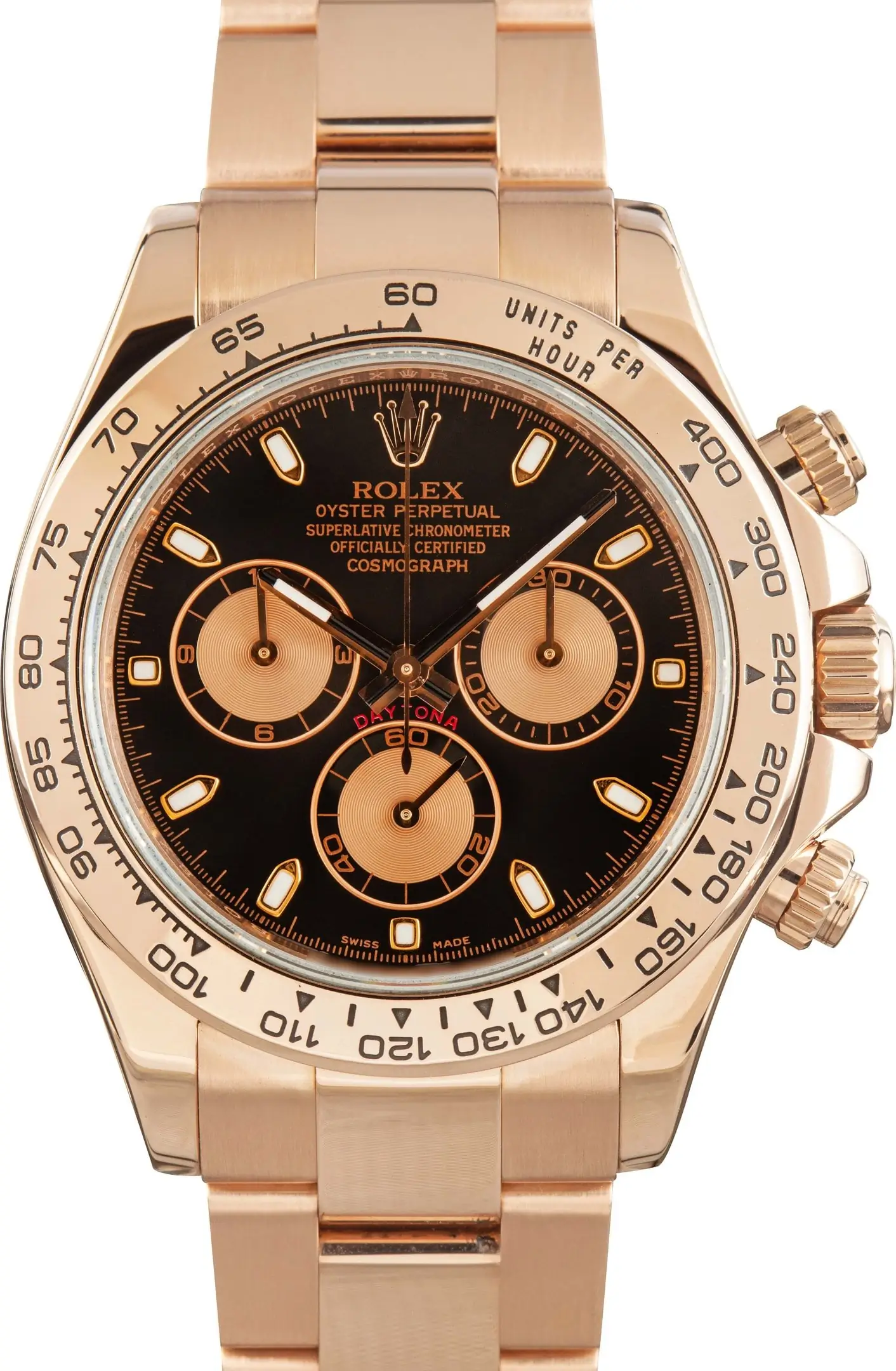
So, what are the perks of using a watch winder for your Rolex?
Let’s talk about two big wins: convenience and keeping accurate time.
The biggest and most obvious benefit is pure convenience. Got a few automatic watches you like to switch between? A watch winder saves you the headache of resetting the time, date, and all those other features every single time you swap.
Take a Rolex with a date. If it stops, manually winding the date through a whole month is a real pain. Plus, watchmakers warn you shouldn’t do that during the sensitive hours—roughly 9 PM to 3 AM—to avoid messing up the gears. A winder just keeps the calendar right, all the time.
But it’s not just about convenience. A good winder can actually help your watch keep more consistent time. When the movement stays in its sweet spot—not fully wound or totally unwound—it can run more steadily.
Think of it like a car engine idling smoothly versus a cold start every morning. I’ve seen this myself. My Rolex Explorer II, on a good winder, had fewer daily time swings than when I wound it by hand and wore it now and then. My timegrapher logs over six months back that up.
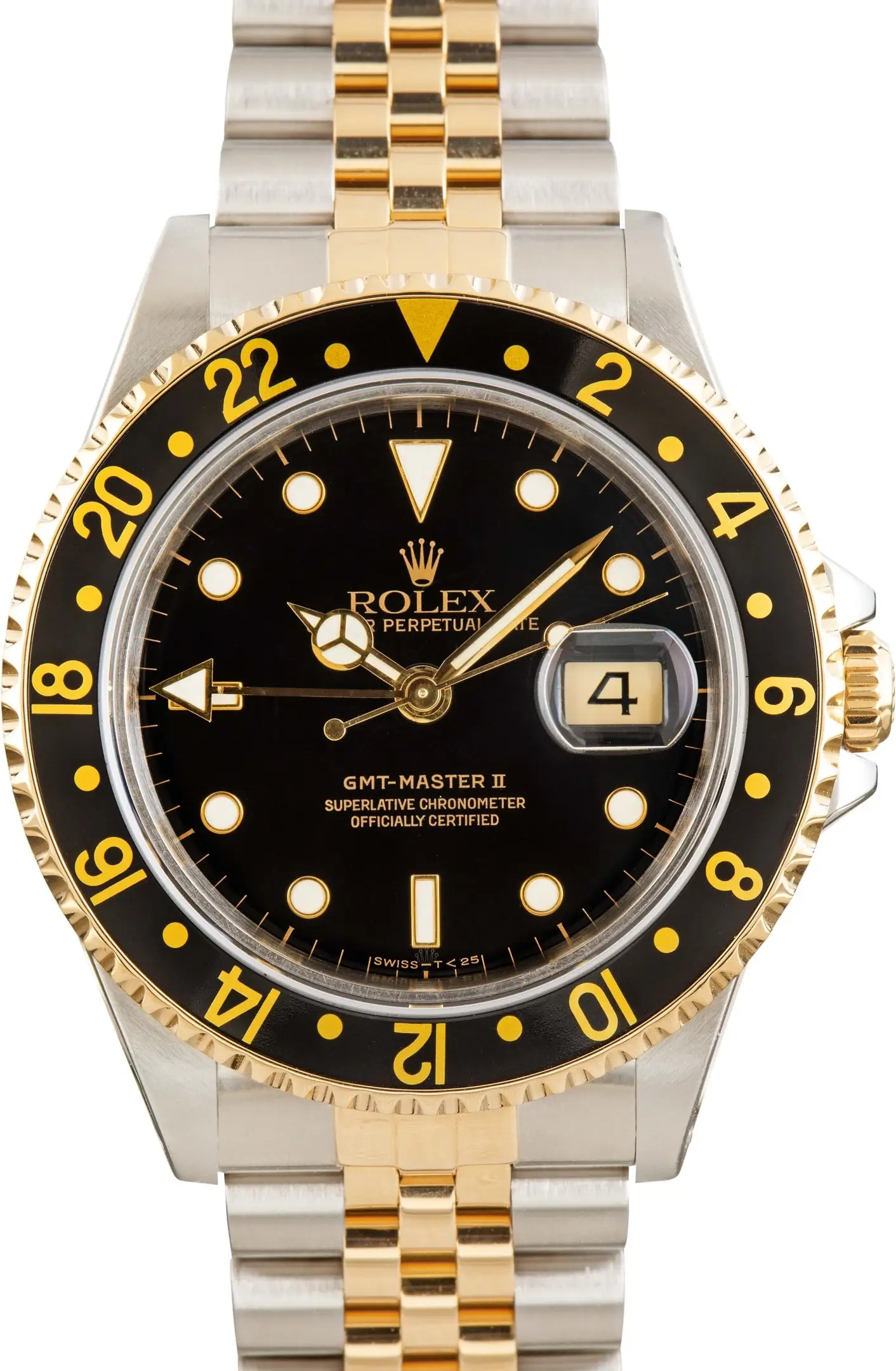
There might also be some long-term benefits for the lubrication.
The idea here is all about the oils inside. If a Rolex sits still for months or even years, the synthetic oils inside can get gummy or settle in one spot. Gentle, regular winding from a watch winder helps spread those oils around.
A study the AWCI points to says for modern oils, a little constant motion is better than sitting dead still for ages. But honestly, this really matters more for watches you almost never wear, not your everyday go-to piece.
| Rolex Model | Typical Power Reserve | Is a Watch Winder a Good Idea? |
|---|---|---|
| Current Submariner, GMT-Master II | About 70 hours | Great if you rotate watches often. Less crucial if you wear it daily. |
| Current Day-Date, Datejust | About 70 hours | Super handy for keeping the day and date set correctly. |
| Vintage Models (made before 2000) | About 48 hours | Be careful here. Check with a watchmaker before using one. |
| Cellini (hand-wound) | Doesn’t apply | You don’t need one. Hand-wound watches aren’t for watch winders. |
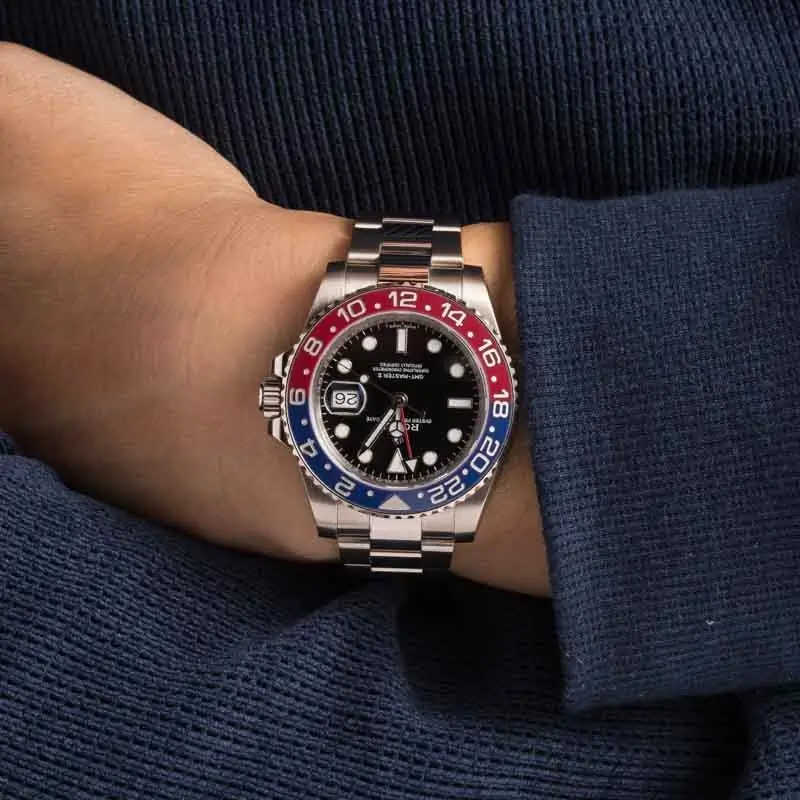
Let’s talk about the risks and some common wrong ideas people have about watch winders.
First up, the big myth about over-winding and what the real dangers actually are.
Here’s the deal: let’s clear up a huge misunderstanding right away. You can’t actually over-wind a modern Rolex using a watch winder. That’s because Rolex movements, just like other modern automatic watches, come with a slip-clutch.
This thing kicks in and stops the winding once the mainspring is full, so no damage happens. The real problem isn’t winding too much; it’s using a poorly made winder. A low-quality, cheap watch winder can actually hurt your watch.
We’re talking bad motion, too much shaking, or strong magnets. I found this out myself, the not-so-fun way. My first cheap, single-watch winder had a magnetic field you could notice, which might have messed with the watch’s timekeeping.
So, the main risk you face is putting extra wear on your watch for no good reason. Think about it: a watch winder, even a top-shelf one, is a machine that keeps your watch moving all day, every day.
Sure, a Rolex is built tough, but keeping it in constant motion on a winder when you’re not even wearing it does add some wear and tear over time to parts like the rotor bearings and gears.
If you wear the watch every day, this isn’t really a big deal—it’d be moving around on your wrist regardless. But if you’re storing a watch for months at a time, the winder is making it work way more than if you just put it away in a safe place.
So you’re basically trading off: you might help the lubricants, but you’re also adding a bit of mechanical wear.
Now, how do you pick the right watch winder for your Rolex?
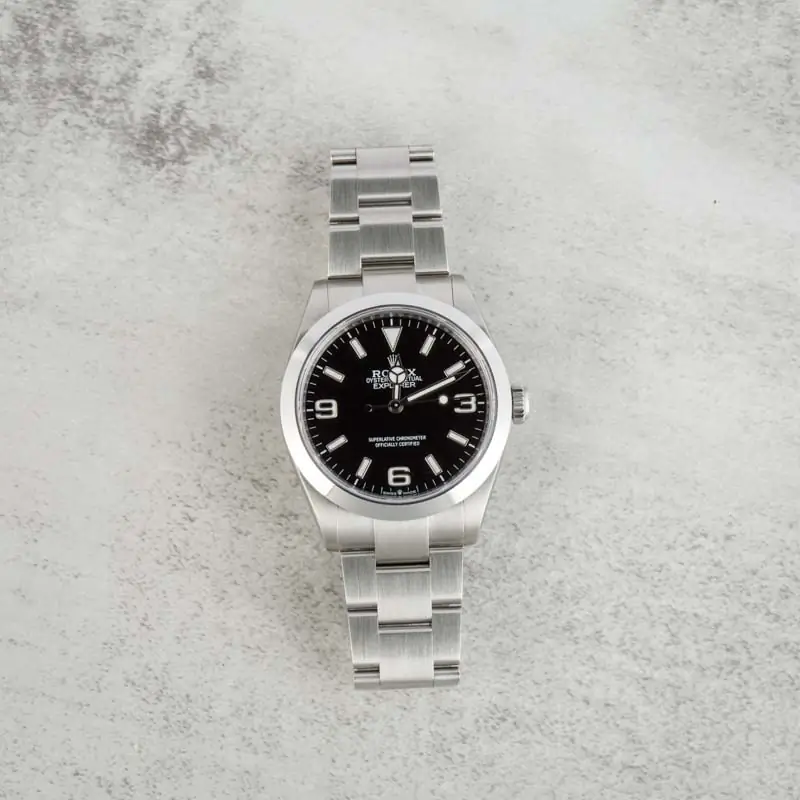
The key tech specs you need to know.
Listen, choosing a winder isn’t about getting the prettiest or most expensive box. It’s all about matching the technical specs to what your specific watch needs. The two most important settings are Turns Per Day, or TPD, and the winding direction.
Most Rolex movements need somewhere between 650 and 800 turns per day. A good quality watch winder will let you set this number. Direction is super important too.
Some Rolex movements wind in both directions, but others, especially older ones, mainly wind in just one direction. If you have a few different watches, you’ll want a winder that offers different modes—clockwise, counter-clockwise, and bi-directional.
Besides TPD, you should also look for features that keep your watch safe. Demagnetization is a big one. Make sure the motor is shielded to prevent magnetic fields. It also needs to be quiet, especially if it’s in your bedroom—aim for under 20 dB.
Stable power is vital too. Go for winders that come with a reliable power adapter or maybe even a backup battery. The one I use now has a motor that’s certified as demagnetized.
It even came with a GRA certification—that’s Global Rotor Assembly—which is an independent check that confirms the TPD is accurate and it’s safe from magnetic fields. That kind of certification made me feel a lot better than just trusting the ads.
| Feature | Why it’s important for your Rolex | What you should look for |
|---|---|---|
| Programmable TPD | It lets you match the winding needs of your specific Rolex movement. | Look for a range that covers 650 to 1200 TPD, with several settings to choose from. |
| Direction Modes | This handles different types of movements, whether they wind one way or both ways. | You want modes for clockwise, counter-clockwise, and bi-directional winding. |
| Demagnetized Motor | This stops magnetic fields from throwing off your watch’s accuracy. | Look for a clear promise from the maker or a certification like GRA. |
| Build Quality Padding | This keeps your watch’s case and bracelet from getting scratched up. | The inside should have a soft lining, like microfiber or velvet, that won’t scratch. |
Now, let’s talk security, design, and where you put the thing.
Look, your Rolex is a valuable piece, so how secure the winder is and where you place it really matters. If you travel a lot, think about getting a compact, portable watch winder that has a lid that locks or closes securely.
For home use, a bigger cabinet-style winder that you can lock is a great part of keeping your watches safe. People often forget about placement. Keep your winder out of direct sun so the watch doesn’t fade, away from damp places like bathrooms, and put it on a steady surface to cut down on vibrations.
Setting Up and Maintaining Your Watch Winder
Initial Configuration and Best Practices
Core Operation: First off, don’t just plug the winder in and toss your watch on there. Look up your specific Rolex model’s caliber number, like the 3235, to find its recommended turns per day (TPD) and winding direction.
Then, set your watch winder to match those settings. It’s smart to start with a lower TPD setting. It’s better to wind a bit too little than to put too much stress on your Rolex’s movement. Make sure you use the rest modes on your winder.
Most decent watch winders let you program cycles, like winding for 2 minutes and then resting for 6. This on-and-off pattern is more like how you’d naturally wear the watch, and it helps cut down on wear and tear.
Core Operation: Taking care of your watch winder is pretty straightforward, but it really matters. Every couple of months, unplug it and give the vents a gentle vacuum to clear out dust. This keeps the motor from overheating.
Just wipe down the inside cushions with a soft, dry cloth. Keep an ear out for any odd sounds. If you hear a new grinding or whining noise, it might mean there’s a problem with the motor. Here’s a trick I use: I plug my winders into smart plugs.
For watches I don’t wear often, I set them to run only every other day. This saves some energy, reduces wear on the watch, and still keeps it ready to go.
So, what are your other options? And what’s the final word on watch winders?
When you actually don’t need a watch winder.
First things first: you don’t have to have a watch winder. If you only have one Rolex and wear it every day, a winder is just a fancy extra you can skip. Just wearing the watch is enough to keep it ticking.
To store it safely, a good watch box or case in a cool, dry, and dark spot works perfectly. Letting the watch stop won’t hurt it at all. If you’re putting it away for a long time—say, over a year—get it serviced first and wind it up fully.
Then the mainspring can just unwind slowly on its own. Now, for vintage Rolex watches, it’s a different story. A lot of experts, like the folks I’ve chatted with at repair shops, say to avoid watch winders. The old lubricants and delicate bits inside can get worn out from the constant motion.
Looking at the good and bad sides, I think a watch winder is awesome if you’re a real enthusiast. It’s perfect if you have a few automatic Rolexes you switch between, especially complicated ones like the Sky-Dweller with its calendar.
It’s all about making life easier and keeping those tricky features set and ready to go. But if you just have one watch or some fragile old-timers, a winder is mostly an extra cost.
You don’t get much real use out of it, and it might even cause a bit of wear and tear over the years. You’d probably be better off spending that money on a good service from a certified Rolex watchmaker.
So, in the end, whether you use a watch winder for your Rolex comes down to personal choice. You gotta weigh the convenience against how the watch actually works. It’s not a must-have bodyguard for your watch, but it can be a handy helper.
If you do decide to get one, focus more on the tech specs and safety certifications, not just how fancy the wood looks. And don’t forget, no gadget takes the place of getting your watch professionally serviced every 5 to 10 years.
Got a good or bad story about using a watch winder with your luxury watches? Tell me about it in the comments! I’m curious to know what settings did the trick for you.
Or, if you’re still unsure, check out our detailed article on figuring out Rolex caliber codes. It’ll help you make the smartest choice for your collection.
FAQ: Watch Winders for Rolex Watches
Can a watch winder damage my Rolex?
If you use a cheap watch winder, it could actually hurt your Rolex. I’m talking about ones with magnetic motors, too much shaking, or the wrong turns per day (TPD) setting. Over time, that stuff can cause damage.
But don’t worry, a good watch winder from a trusted brand is pretty safe. Just make sure it’s set up right. So the trick is simple: skip the no-name, bargain winders. Instead, get one you can program to match what your specific Rolex movement needs.
How many turns per day (TPD) does my Rolex need?
For most newer Rolex watches, like those with 32xx series movements, you’re looking at needing 650 to 800 turns per day (TPD). Your best bet is to check your watch’s manual or just google the specs for its movement caliber online.
If you’re not sure, play it safe. Start with a lower TPD setting, say around 650. You can always turn it up later if your watch keeps stopping.
Is a watch winder necessary if I wear my Rolex every day?
Nope, you really don’t need one. Wearing your automatic Rolex every day does the job. The movement of your wrist gives it all the winding it needs to stay running and on time. So in that case, a watch winder is just overkill.
Watch winders are really for collectors. If you have a few watches you switch between, a winder keeps them all wound up and ready to go, so you don’t have to reset them.
Should I keep my vintage Rolex on a watch winder?
For vintage Rolex watches, I’d usually say skip the winder. The older parts and lubricants in a vintage Rolex can be more delicate. Keeping it on a winder, constantly moving, just adds stress it doesn’t need.
Most experts will tell you this: store your vintage Rolex somewhere cool and dry. If you want to keep the oils moving, just wind it by hand every couple of weeks. That’s better than using an automatic watch winder.