
Datejust 36 or 41: Which Fits Your Wrist?
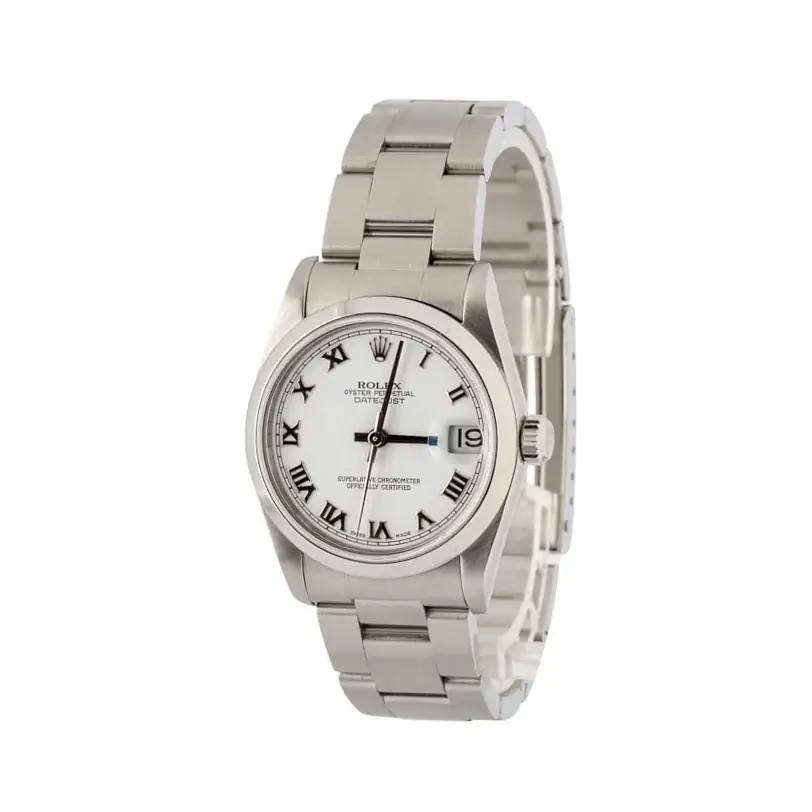
Datejust 36 or 41: Which Fits Your Wrist?

So, you’re stuck choosing between the Rolex Datejust 36 and the bigger Datejust 41? I know the feeling—standing at the counter, wrist extended, completely torn. It’s a classic problem for anyone getting into iconic Rolex watches. This choice isn’t just about size. It’s about finding the right mix of vintage elegance and modern style for you—and especially for your wrist. Picking between the classic 36mm Oyster Perpetual Datejust and its modern 41mm sibling goes beyond millimeters. It’s about proportion, comfort, and the message you’re sending. Let’s break down this key comparison to help you find the perfect fit.
Recommended Products
You might be interested in these products
Table of Content
Let’s talk about the core size and how they look on the wrist.
First up, case size and how it sits on your wrist.
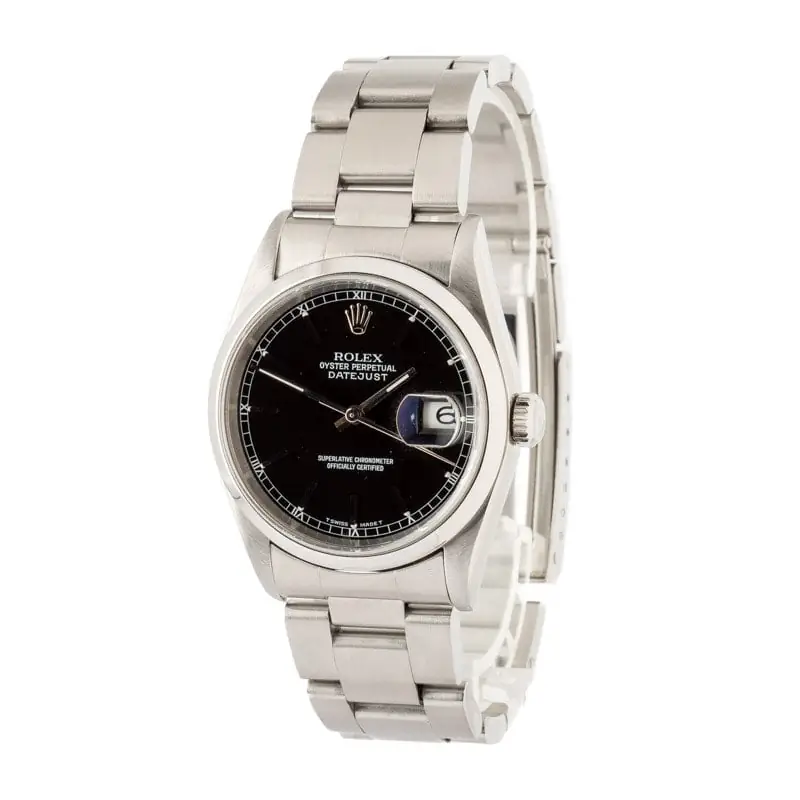
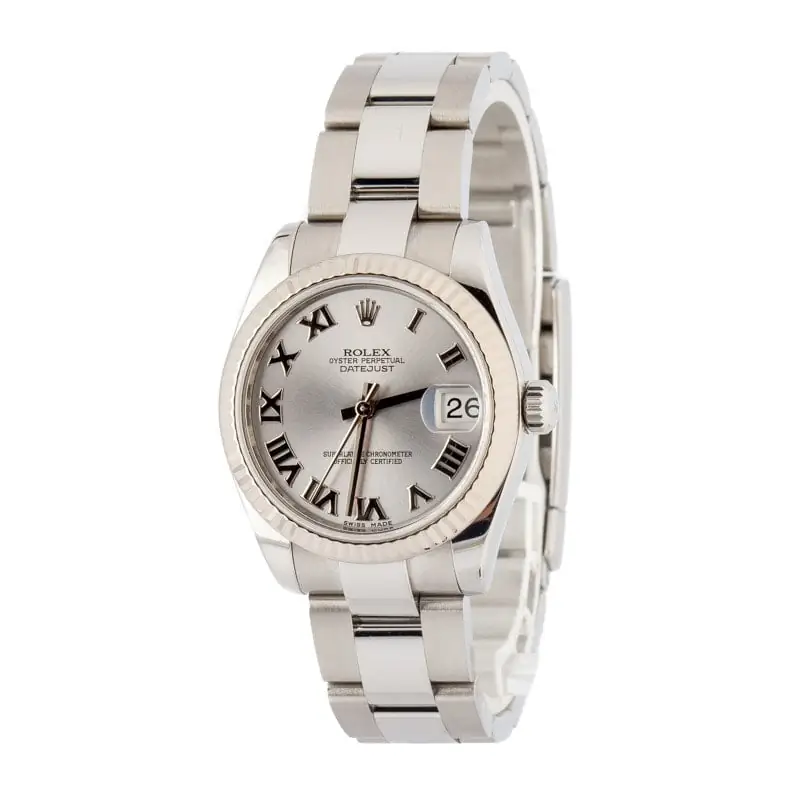
Here are the key numbers to compare. The Rolex Datejust 36, obviously, has a 36mm case. The Datejust 41 comes in at 41mm. But the real look is a bit more subtle. The 41 isn’t just a bigger copy of the 36.
Rolex made the lugs slimmer and tweaked the case shape. This means the 41mm wears more elegantly than you’d think from just the number. On your wrist, the 36mm gives you that timeless, classic dress watch vibe that’s been popular for ages.
The 41mm feels more substantial and modern, fitting right in with today’s trend for bigger watches. So, your pick here really decides the whole character of the watch on your arm.
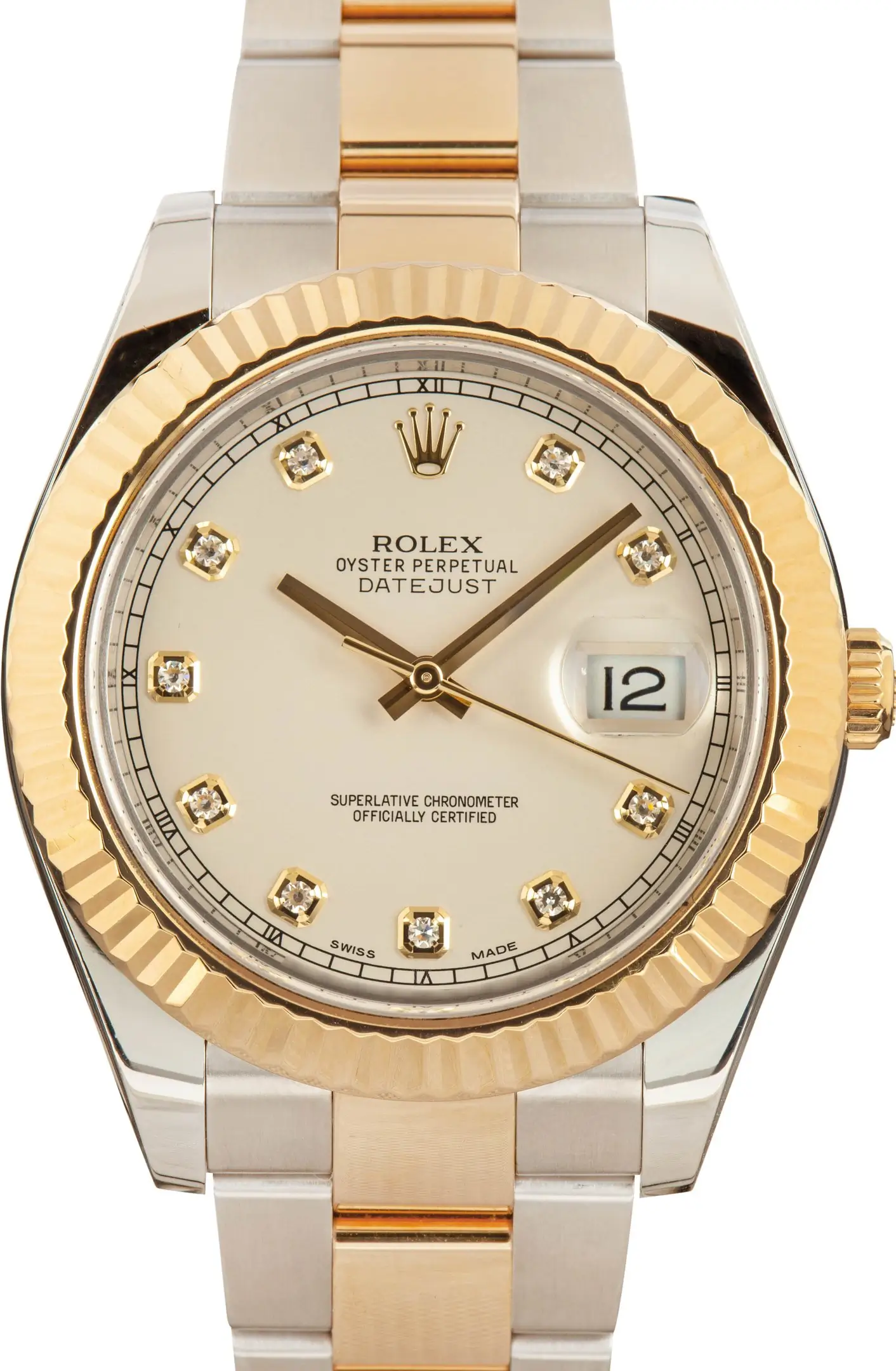
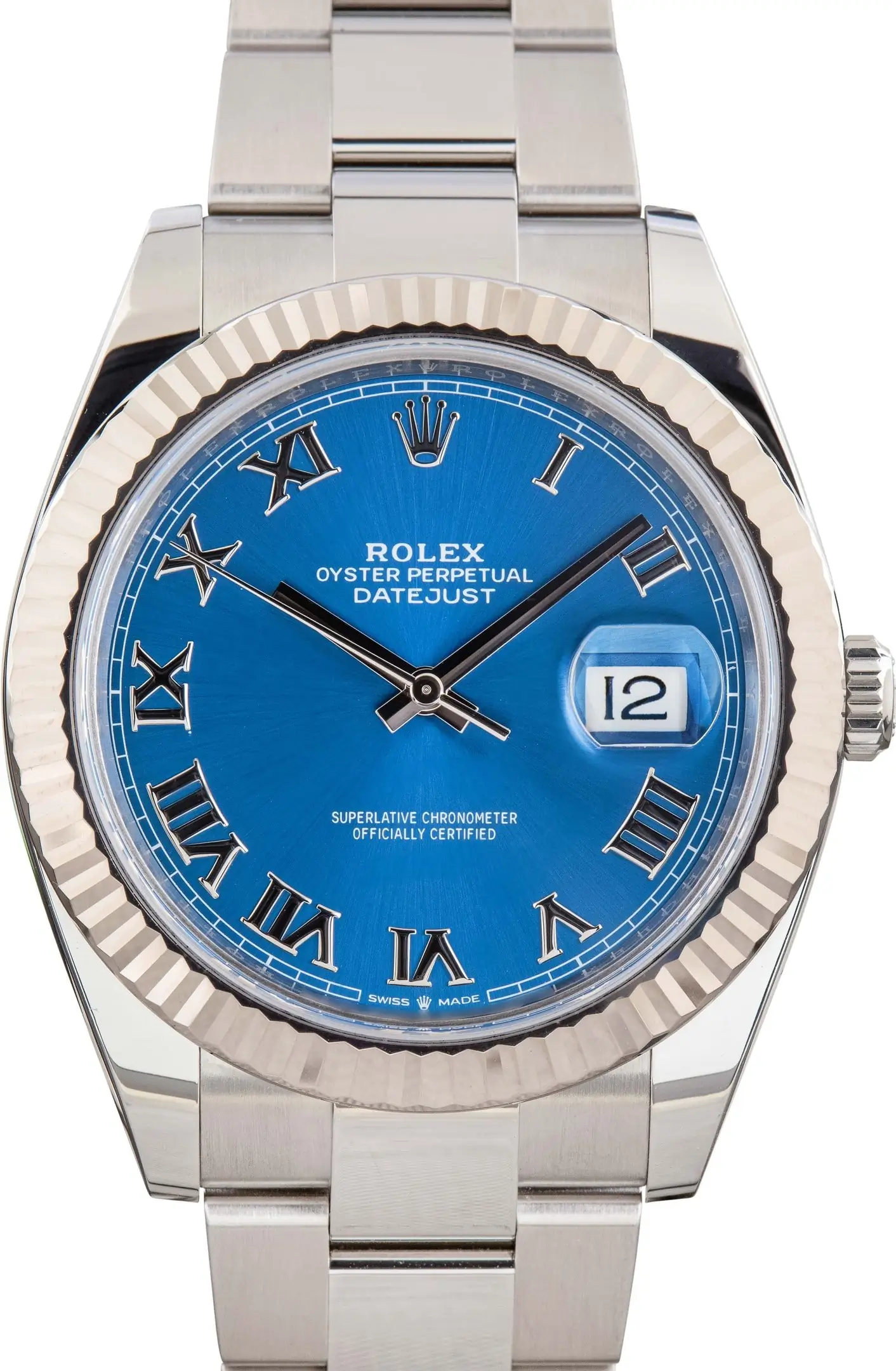
Now, dial and bezel proportions. This is where you really see the size difference. The bigger 41mm case has more room for the dial. That makes the famous Cyclops date window and the hour markers look more balanced and spaced out.
On the 36mm, everything’s packed in tighter, giving it a charming, classic look. The bezel choices—fluted, domed, or smooth—also play with the size in different ways. A fluted bezel on the 36mm sparkles like jewelry. On the 41mm, it makes a stronger, bolder frame around the dial.
Next, thickness and how it fits from lug to lug.
Profile and wearability. How thick the case is really matters, though people often forget about it. The Datejust 36 is usually about 11-12mm thick. It slips right under a shirt cuff, no problem.
Even though the Datejust 41 is wider, it stays surprisingly slim. Rolex says current models are about 11.7mm thick. So, both watches are super easy to wear.
The lug-to-lug distance—that’s from the top lug tip to the bottom one—might be even more important for how it fits. A shorter lug-to-lug, like the 36mm has, fits more wrist shapes without sticking out over the edges.
Let’s talk about what’s inside these watches, the movements and tech specs.
First up, comparing the calibers: the 3235 versus the 2236.
The real techy stuff comes down to power reserve and innovation. The Datejust 41 runs on the Caliber 3235. It’s a top-tier, chronometer-certified movement. Its big selling point? A power reserve that lasts around 70 hours.
Nopew, the Datejust 36 is a bit different. Depending on when it was made and the exact model, it might have the newer Caliber 3235 (like some current ones do) or it could have the Caliber 2236. The Caliber 2236 is also a top-rated chronometer.
It uses Rolex’s cool Syloxi hairspring and gives you about 55 hours of power. Both movements are super accurate and tough. But if you switch between watches often, that extra juice in the 3235 is really handy.
| What to look at | Datejust 36 (with Caliber 2236) | Datejust 41 (with Caliber 3235) |
|---|---|---|
| How long it runs | Roughly 55 hours | Roughly 70 hours |
| Has the Chronergy escapement? | Nope | Yep |
| Paramagnetic blue Parachrom hairspring | Nope (Uses Syloxi hairspring) | Yep |
| Superlative Chronometer certified | Yep (-2/ 2 sec per day) | Yep (-2/ 2 sec per day) |
Now, onto the bracelets and clasps.
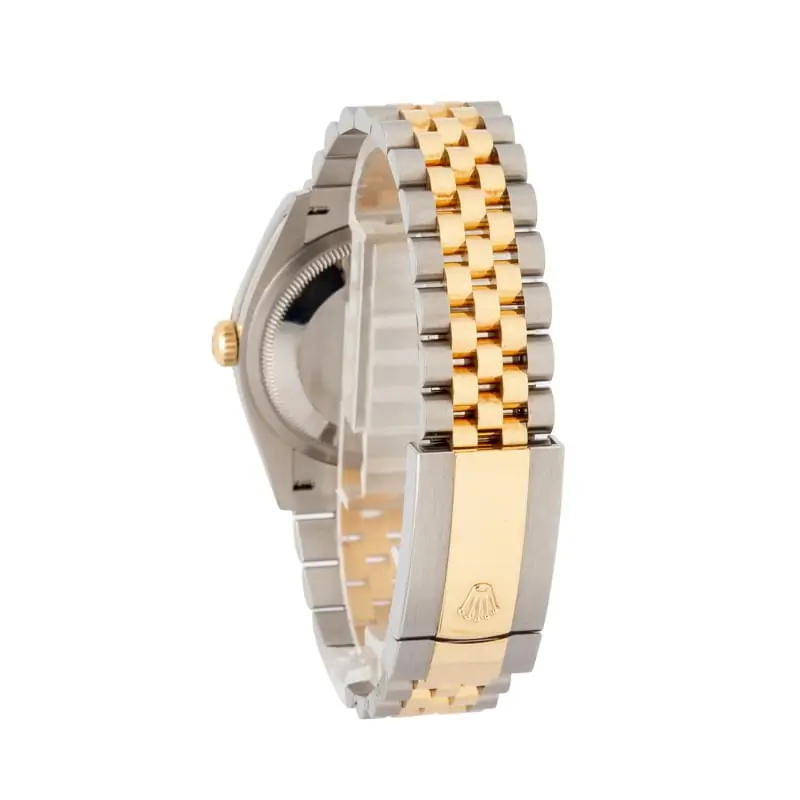
You can get either watch, the 36 or the 41, on the classic five-link Jubilee or the three-link Oyster bracelet. But how they feel depends a lot on the size. On the 36mm, the Jubilee really plays up that vintage, dressy look.
It’s also super flexible and comfy. For the 41mm, the Oyster bracelet matches its sportier, chunkier vibe. All the new models come with either the Oysterclasp or the hidden Crownclasp on the Jubilee. They also have this great 5mm comfort extension link, which is perfect if your wrist swells up.
Styling, Versatility, and Target Wrist Size
Dress vs. Sport-Casual Appeal
Style Identity and Occasion: The 36mm Datejust is a total classic, no question—it’s the original dress watch. Generations have worn it, from big-shot execs to presidents. It just looks perfect with a suit.
Now, the 41mm is still elegant, sure, but it’s got more of a modern, sporty-casual feel. You can wear it to a meeting, then straight out for the weekend, and it fits right in.
Take my own experience: I grab my 36mm on a Jubilee for suits and big days. But my buddy wears his 41mm on an Oyster every single day, with jeans or a blazer.
Finding Your Ideal Fit: Wrist Size Guide
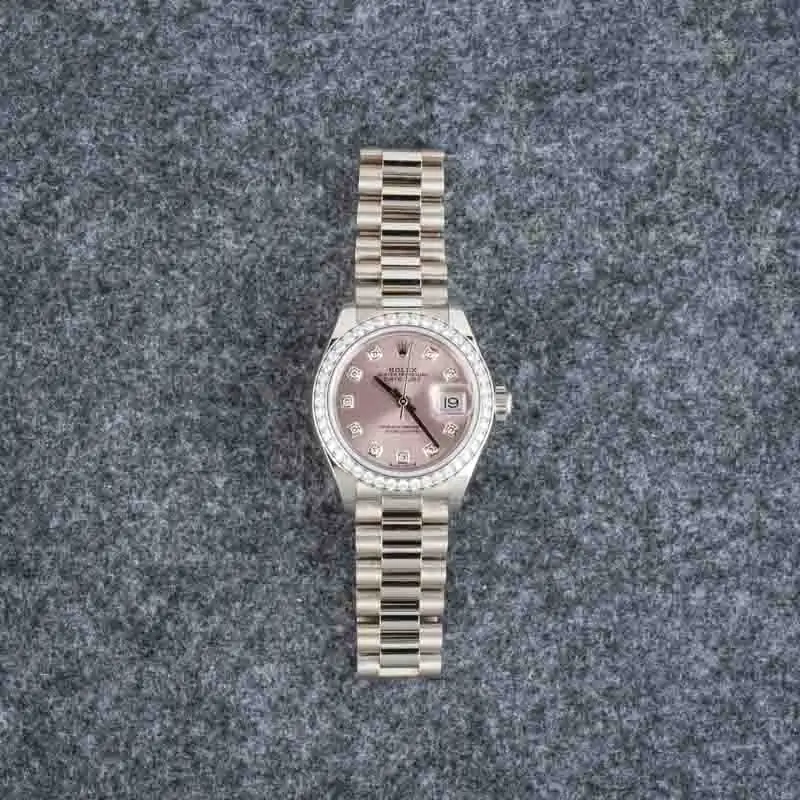
Practical Fitting Advice: Honestly, the best advice is just to try them both on. But here’s a good rule of thumb from watch collectors: if your wrist is under 6.5 inches, the 36mm usually looks better and feels comfier.
If you’re between 6.5 and 7.5 inches, you’re in luck—both sizes work great. Then it’s all about your personal style. For wrists over 7.5 inches, the 41mm might look more balanced on your arm.
Just remember, your own taste beats any rule. Even with a bigger wrist, you can totally pull off the classic 36mm for a cool, retro vibe.
| Wrist Size (Circumference) | Recommended Datejust Size | Primary Style Vibe |
|---|---|---|
| Under 6.5 (16.5cm) | 36mm | Classic, Elegant, Vintage-Inspired |
| 6.5 – 7.5 (16.5-19cm) | Both 36mm 41mm viable | Style-Dependent (Classic vs. Modern) |
| Over 7.5 (19cm) | 41mm | Modern, Substantial, Sport-Casual |
Historical Context and Model Evolution
The Legacy of the 36mm Original
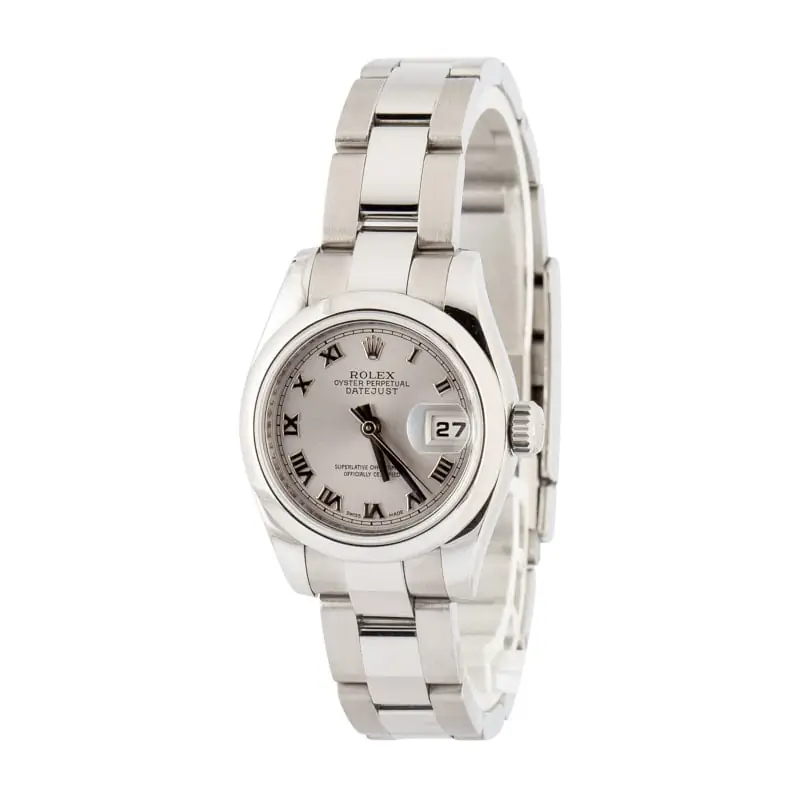
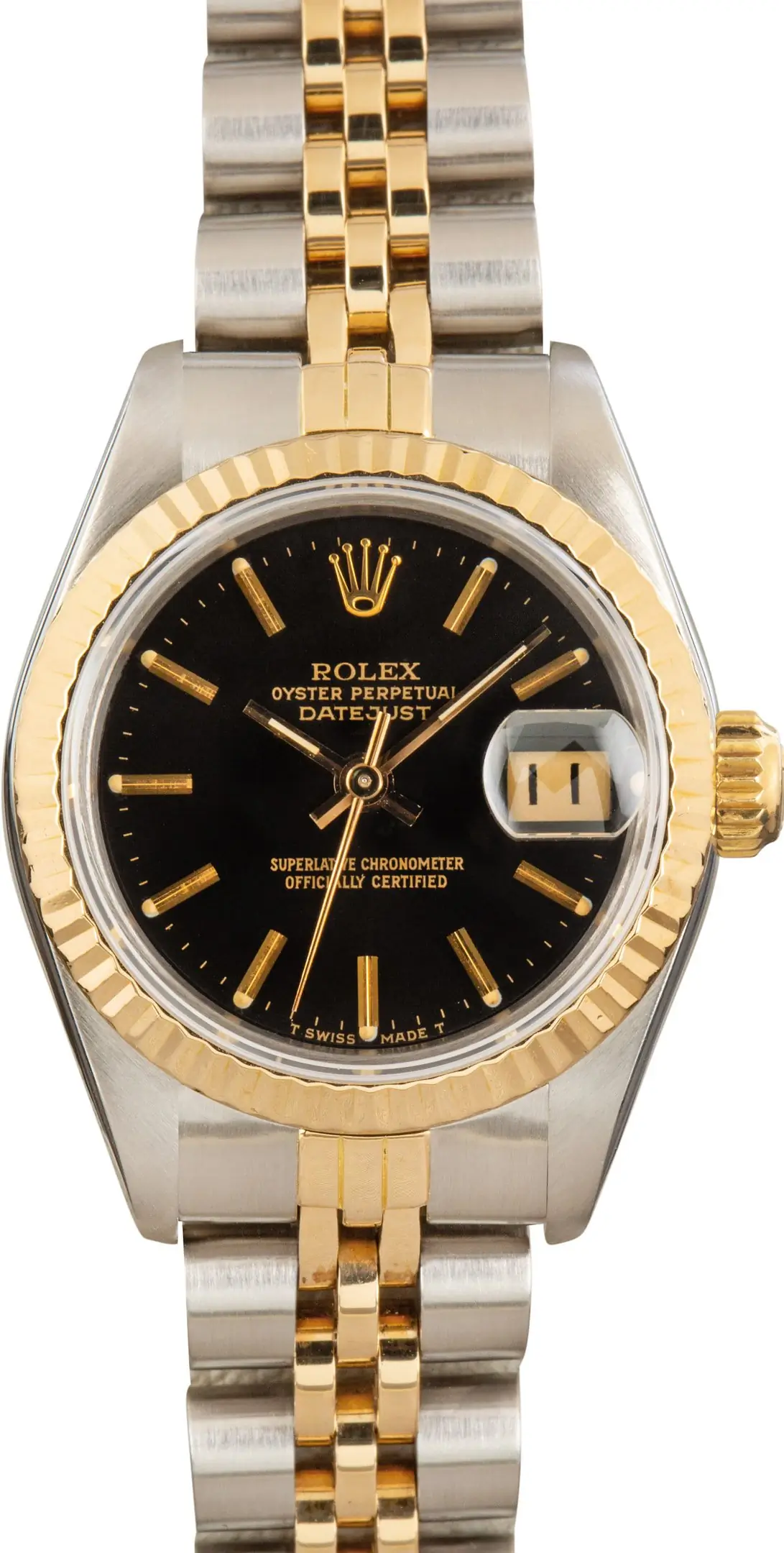
So, the Datejust first came out back in 1945 as a 36mm watch. For more than six decades, that 36mm size was *the* Datejust. It really became the go-to watch for success and good taste.
Classic models like the 1601 and 16234 are what people think of when they picture a Datejust. Picking a 36mm Datejust today keeps you connected to all that history. That size has proven itself over time. Since watch size trends change, the 36mm is often seen as a safer, more timeless style choice.
The Introduction of the 41mm Model
Rolex followed the trends and launched the Datejust II in 2009 with a bigger 41mm case. They later tweaked it and just called it the Datejust 41. This was their answer to everyone wanting bigger watches back in the late 2000s.
The current Datejust 41, the one after 2016, got slimmer lugs and better proportions. That fixed the early complaints about the Datejust II feeling too chunky. The 41mm version filled a hole in the market. It’s for folks who love the Datejust’s classy look but want something more modern and bold.
Investment and Value Considerations
Market Demand and Resale Value
Current Trends and Data: The market can work differently sometimes. For a long time, the 36mm Datejust was the king of holding its value, all thanks to its classic, never-goes-out-of-style look.
But these days, the newer 41mm model is super popular too. Think blue dial, fluted bezel on a Jubilee bracelet – that combo is really hot right now. Data from folks like WatchCharts shows that some specific 41mm models can sell for way more than retail on the second-hand market. The 36mm, though, especially the classic all-steel or steel-with-white-gold-bezel versions, is still super easy to sell and keeps its price rock solid. Pick the one you love wearing most, that’s rule number one. But it’s good to know you can’t really go wrong – both the 36 and the 41 keep their value amazingly well in the Rolex world.
Long-Term Wear and Service
When it comes to toughness and upkeep, both watches are built the same. They’ve got the same Oyster case, so they’re equally water-resistant up to 100 meters and just as rugged.
Sure, the movements inside are different, but they’re both made to Rolex’s famous top-notch standards. Getting them serviced at a Rolex center costs about the same too. The price depends on the movement type, not whether it’s a 36mm or 41mm case.
One tiny thing to maybe think about: the bigger crystal on the 41mm could pick up a scratch a bit easier with everyday use. But honestly, it’s not a big deal because Rolex sapphire is really tough stuff.
Conclusion and Final Recommendation
So, picking the Rolex Datejust 36 or 41? It really comes down to two things: the size of your wrist and the story you want your style to tell.
The 36mm is the clear classic. It’s got that timeless, elegant look, it’s super comfy under a shirt cuff, and it feels like a direct piece of watchmaking history. The 41mm is all about making a modern statement.
It gives you a bolder look on the wrist, packs the newest movement with more power reserve, and fits right into today’s more casual everyday style. Honestly, there’s no bad choice here. It’s just about finding the one that’s right for you.
My best advice? Head to an authorized dealer. Try on both the 36 and the 41 in a few different styles. See which one you connect with and which one just feels right and comfortable on your wrist.
Ready to Decide? Share Your Journey!
Still trying to decide between the classic 36mm and the newer 41mm Datejust? Weighing the pros and cons? Your own experience really matters!
Come join our watch forum. Share your wrist size, your style, and which Datejust size—36mm or 41mm—you’re thinking about. You’ll get honest advice from other watch lovers who’ve already picked one.
Or, check out our deep dive on the Rolex Caliber 3235 movement. It’ll help you understand what’s inside the modern Datejust. Jump into the chat and make your choice with more confidence!
FAQ: Datejust 36mm vs 41mm
Is the Datejust 41 too big for a dress watch?
Well, that really comes down to what’s popular now and your own taste. Classic dress watches used to be around 36-39mm, but nowadays people aren’t so strict about size.
A lot of folks find the Datejust 41 still looks plenty elegant for work or dressy occasions, especially if you get it with a Jubilee bracelet and fluted bezel. But for super formal black-tie stuff, or if you just love that classic, slips-under-the-cuff look, the 36mm is still the go-to for purists.
Does the Datejust 36 look too small on a large wrist?
It might, but some people actually go for that look on purpose. If your wrist is bigger than 7.5 inches, you’ll see more space between the lugs and your wrist with a 36mm. Some really dig that vintage, understated vibe.
It’s all personal preference, really. The best thing to do is just try one on. Plenty of people with bigger wrists rock a 36mm for that classic, low-key style. But if you want a watch that covers more of your wrist, you’ll probably be happier with the 41mm.
Which Datejust size has better investment potential?
Both hold their value well, just for different reasons. The 36mm’s been an icon for ages, so demand for it is always steady. The 41mm taps into the current trend for bigger watches, and certain popular combos can be really hot.
Don’t buy a watch just as an investment. But, for what it’s worth, classic models in either size—think steel references like the 126234 or 126300—have kept their value pretty well over time. Just pick the size you enjoy wearing most.
Are the bracelets interchangeable between 36mm and 41mm Datejust models?
Nope, you can’t just swap them. The lugs and the end links are made specifically for each case size. So a bracelet from a 36mm won’t fit a 41mm, and the other way around.
The clasps themselves, like the Oysterclasp, might be similar, but the links and end pieces are sized to match their own watch case.
