Rolex 36mm or 41mm: Which Fits Your Wrist Best?
Rolex 36mm or 41mm: Which Fits Your Wrist Best?

Stuck deciding between a Rolex 36mm and a 41mm? You’re definitely not the only one. It’s a classic watch sizing dilemma, one of the top questions for enthusiasts. This is especially true when you’re looking at iconic models like the Datejust, Oyster Perpetual, or Explorer. Picking between the 36mm and 41mm isn’t just about the numbers on the dial. It’s really about how the watch fits your wrist, matches your personal style, and suits the watch’s own character. A 36mm Rolex usually gives off a timeless, versatile, and elegant vibe. On the other hand, the 41mm size brings a more modern and bold look to your wrist. Let’s break down the details to help you figure out which Rolex case diameter—the 36mm or the 41mm—is your perfect match.
Recommended Products
You might be interested in these products
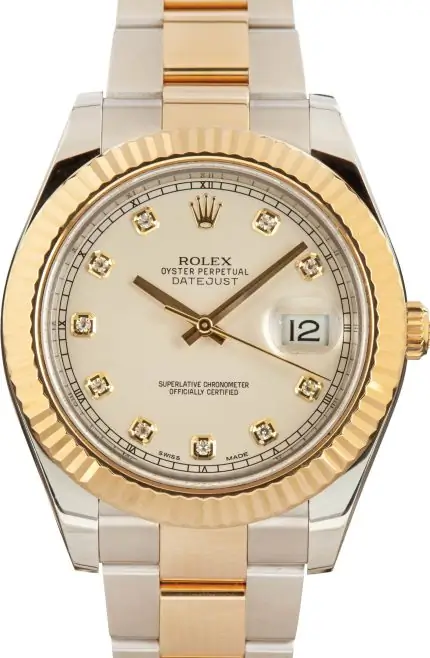
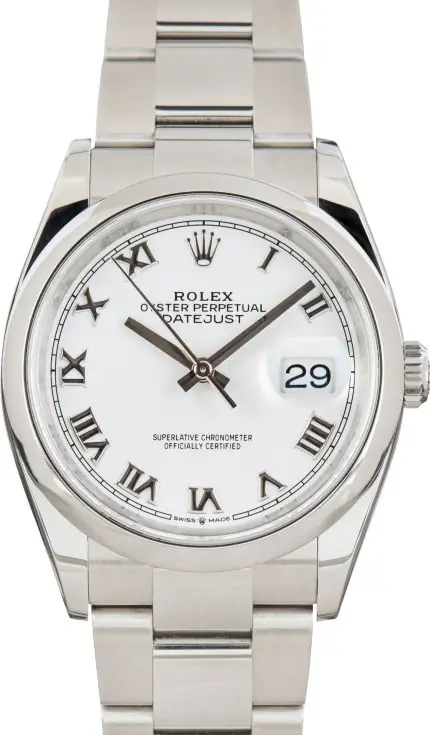
Table of Content
Let’s break down the big debate: Rolex 36mm versus 41mm.
First, let’s define these modern classics.
Here’s the core idea. The 36mm case has been a staple in Rolex’s lineup for ages. It’s the classic size, the one that looks good on pretty much everyone. Think of icons like the Datejust and Explorer. They started out as 36mm watches.
Now, the 41mm is the newer kid on the block. Rolex brought it out because people these days often like bigger watches. But it’s not just about making it larger.
Rolex usually tweaks the whole design—the case, the lugs, the bracelet—so the 41mm still feels comfy and keeps that classic Rolex look. Take the current Datejust 41. It’s got slimmer lugs and a sleeker shape than older 41mm models. Honestly, it wears more like a 39mm watch from another brand.
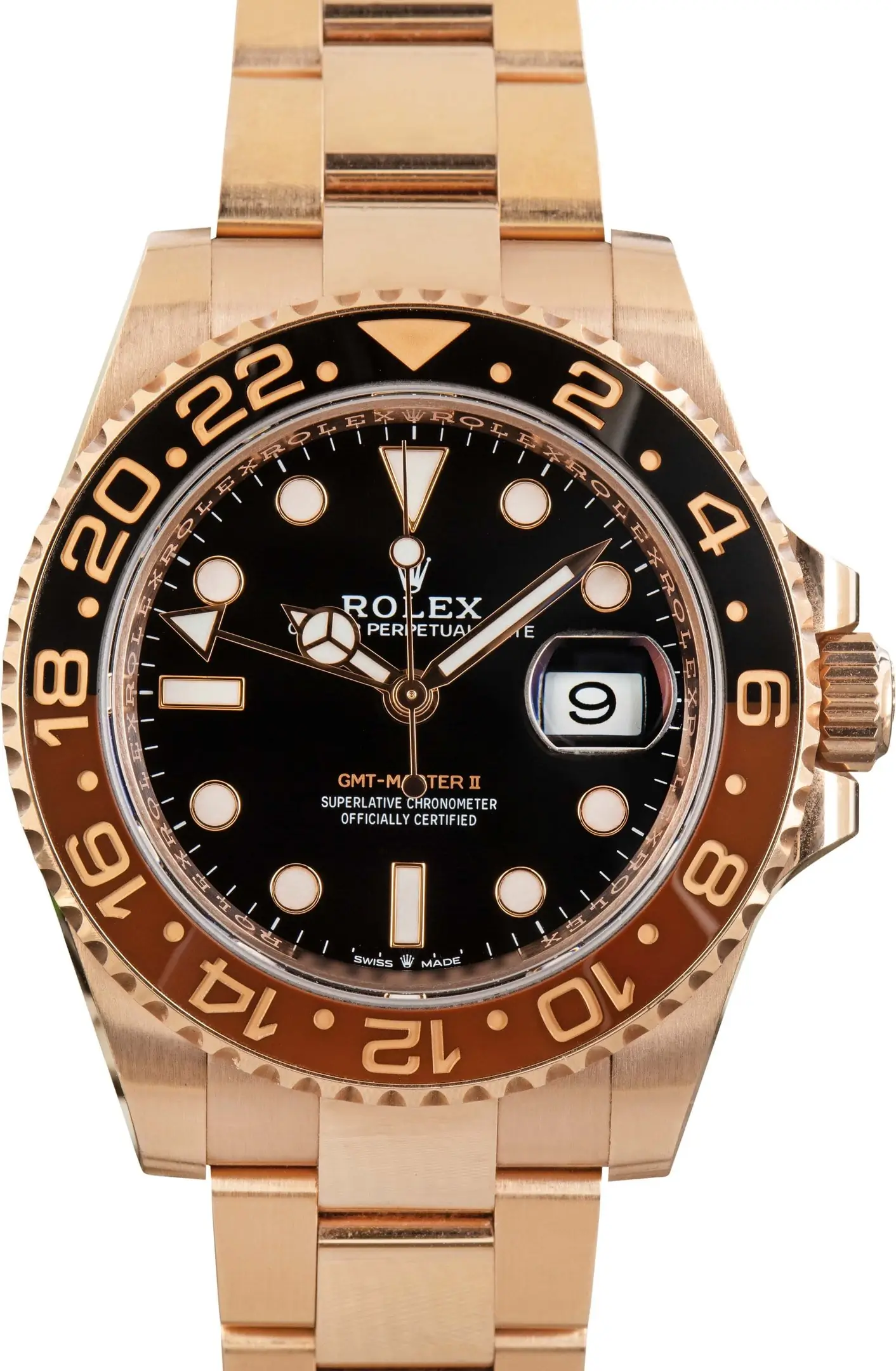
Now, let’s look beyond just the millimeter size. Lug-to-lug and how it sits on your wrist matter way more.
Here’s a key tip: don’t just focus on the case diameter. The lug-to-lug distance is super important for fit. That’s the length from one lug tip to the other. If the lug-to-lug is too long, it’ll hang over the sides of a slimmer wrist.
That makes even a smaller watch feel huge. Traditionally, 36mm Rolexes have nice, compact lugs that curve to hug your wrist. A lot of the 41mm models are designed with comfort in mind too, but you really gotta try it on to be sure.
I tried on both an Explorer 36mm and an Oyster Perpetual 41mm, and it was eye-opening. The 36mm just slipped right under my shirt cuff, no problem. The 41mm, though? It had a bolder, sportier look that really stood out.
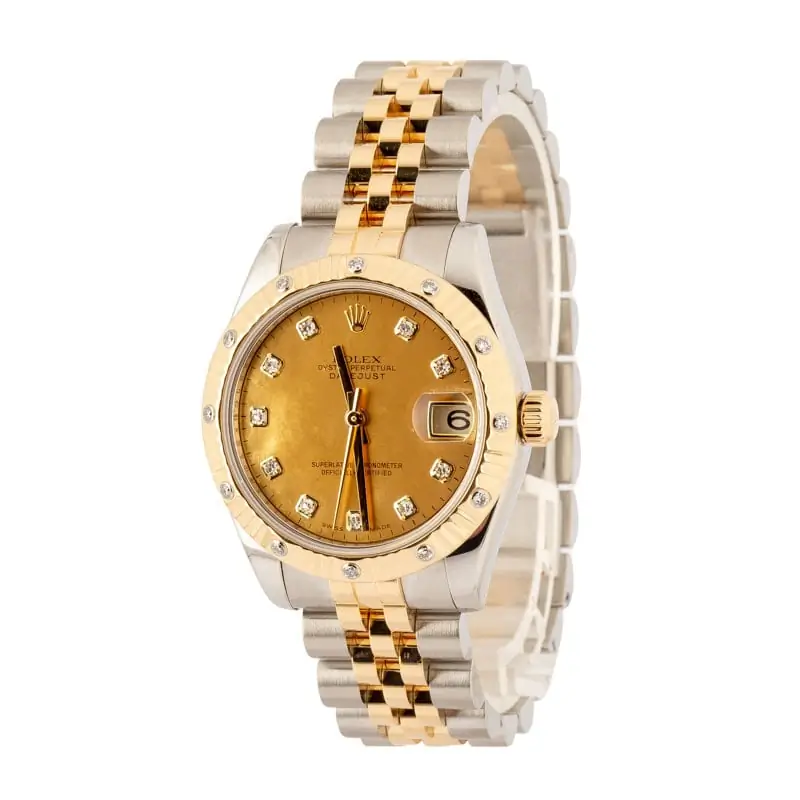
When deciding between the Rolex 36 and 41, your wrist size is the ultimate guide.
First, you need to measure your wrist and understand your proportions.
Here’s what you do: grab a soft tape measure or even just a strip of paper. Wrap it around the bony part of your wrist, right where the watch will sit, to get your circumference. That measurement is your starting point.
But don’t just go by the number. Your wrist shape, like if it’s flat or round, and your bone structure matter just as much. A flat wrist, for example, can usually pull off a larger watch better.
Here’s a good rule of thumb from watch experts: if your wrist is under 6.5 inches, the Rolex Go for the 36mm often looks more balanced and elegant. If your wrist is between 6.5 and 7.5 inches, you’re in luck.
Both the Go for the 36mm and The 41mm is your best bet. can work for you, it just depends on the look you want. For wrists over 7.5 inches, you might lean towards the Rolex The 41mm is your best bet. for a better, more proportional fit.
| Your Wrist Size | Try This Size | The Look You’ll Get |
|---|---|---|
| Under 6.5 inches | Go for the 36mm | It’ll look classic, proportional, and really elegant. |
| Between 6.5 and 7.5 inches | Go for the You can choose either the 36mm or the The 41mm is your best bet.. | Versatile; Go for the 36mm for dressier, The 41mm is your best bet. for sportier |
| Over 7.5 inches | The 41mm is your best bet. | It gives a modern, commanding look that’s still balanced. |
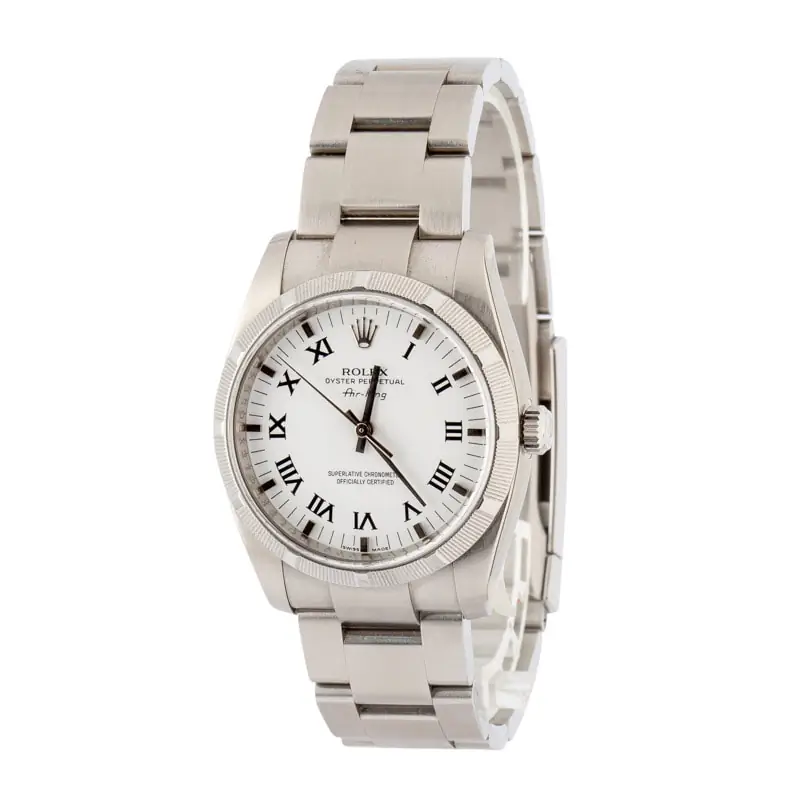
Let’s compare the models one by one: the Datejust, the Oyster Perpetual, and others.
Now, looking at the Datejust 36 versus the Datejust 41, you can see how an icon has changed over time.
For a direct comparison, the Rolex Datejust is the perfect example to look at. The Datejust 36 stays true to its roots from 1945, giving you that classic, perfect dress watch look.
People often praise its dial for being perfectly symmetrical and easy to read, even though it’s smaller. Then you have the Datejust 41, which came out in the 2010s.
It gives you a bigger dial to work with and comes with those famous bracelets, the Jubilee or the Oyster. Here’s a key point: the movements are different. Both the DJ36 and DJ41 use the Caliber 3235, which is a top-notch chronometer.
But because the 41mm has a bigger mainspring barrel, its power reserve lasts a bit longer. You really have to try both on at a dealer. The way they feel on your wrist and their overall vibe are totally different.
| Feature | Datejust 36 | Datejust 41 |
|---|---|---|
| Case Diameter | 36mm | 41mm |
| Movement | Caliber 3235 | Caliber 3235 |
| Power Reserve | ~70 hours | ~70 hours |
| Classic Style | Original proportions | Modern interpretation |
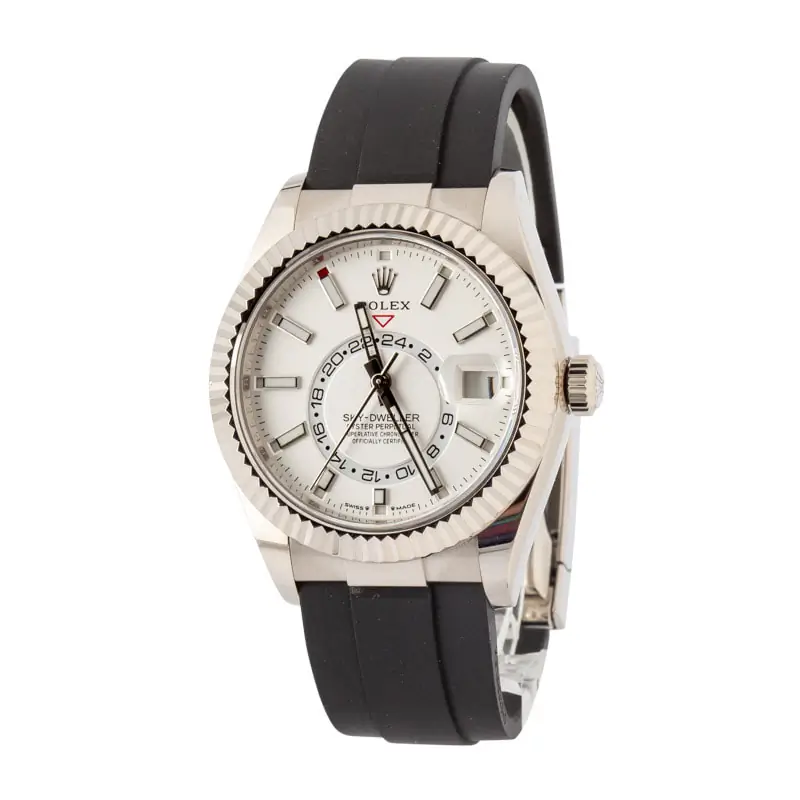
Now, let’s think about the Oyster Perpetual and the Explorer.
Looking at style, the Oyster Perpetual comes in both 36mm and 41mm. This really just comes down to which size you prefer. The 36mm OP is a great pick if you only want one watch, because it’s so versatile.
The 41mm OP feels more like a tool watch. With the Explorer, it’s a different story. The Explorer I is famously 36mm. That size is linked to its climbing history, designed to fit perfectly under a shirt cuff.
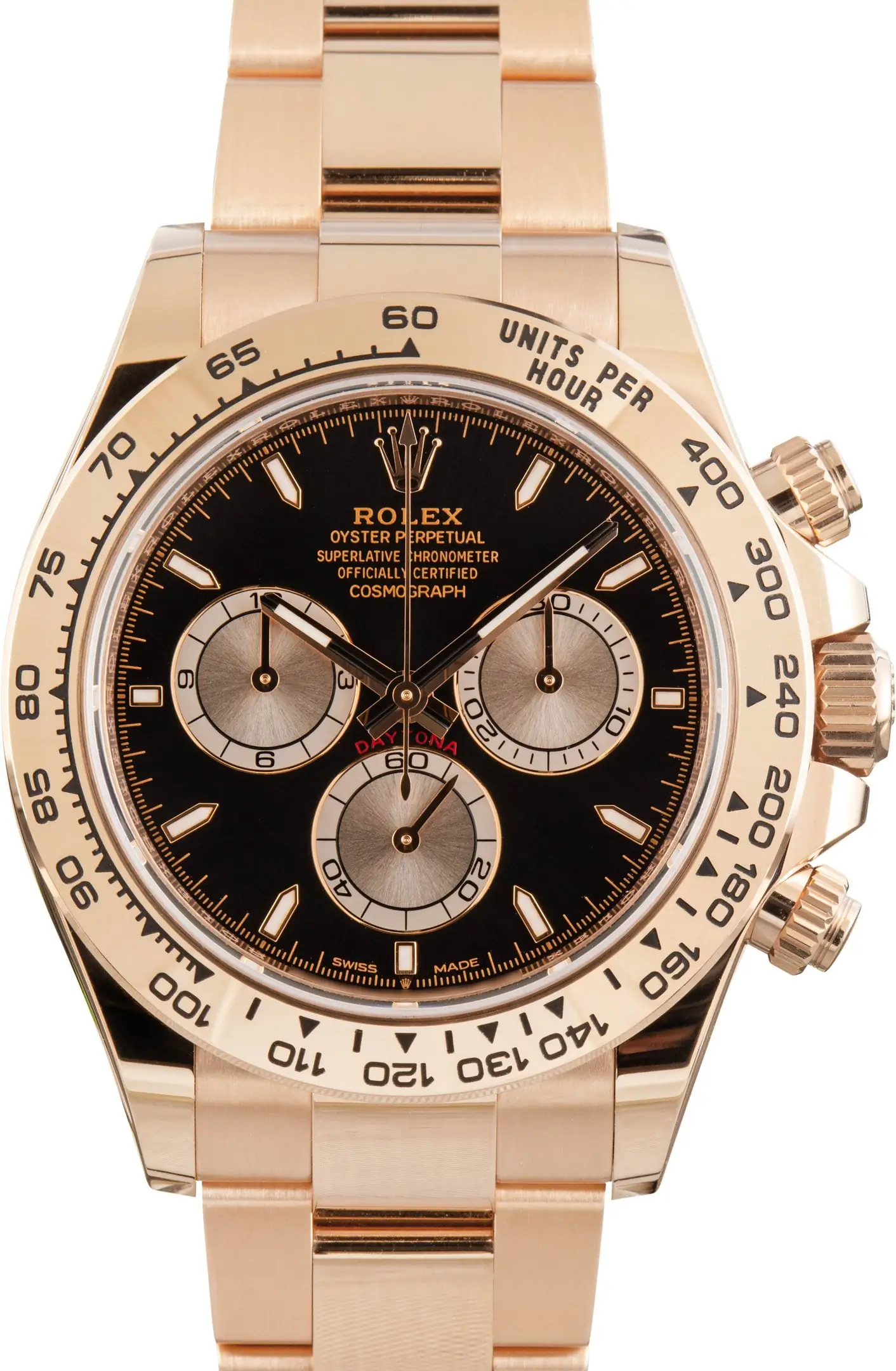
Rolex did make a 39mm Explorer for a while, but when they went back to 36mm in 2021, the purists were thrilled. You won’t find a 41mm Explorer, and that says a lot about what this watch is meant to be. It’s a field watch first and foremost, where a moderate size is actually a key feature.
Let’s talk about style, how versatile these watches are, and how they let you express yourself.
First up, wearing them for dressy events, casual days, and just every day.
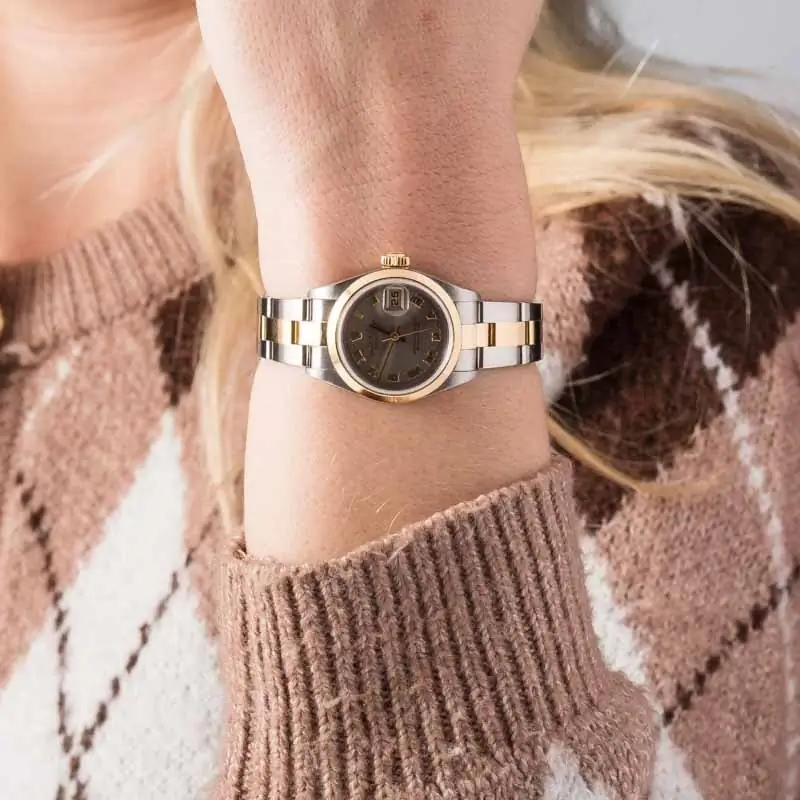
Take a 36mm Rolex, say a Datejust or Oyster Perpetual 36. This thing is a real chameleon. It slips right under a dress shirt cuff for a fancy night out, but come the weekend with a polo, it fits right in.
That low-key look is actually its superpower. Now, the 41mm version? That one speaks up. It leans more sporty or casual, but you can definitely dress it up too.
Here’s a way to think about it: the 36mm is like a sharp suit, the 41mm is like a great blazer. Both are classy, but the suit is just more formal by nature. People who own them say the 36mm is a can’t-go-wrong pick. Folks with the 41mm love the confident, modern look it gives their wrist.
Now, there’s this unwritten rule about size and how people see it.
Here’s the thing with fashion: watch size trends are changing. The huge watch craze is fading. People are starting to prefer sizes that look balanced and right for their wrist.
A watch that fits well—where the lugs don’t hang off your wrist—just looks more deliberate and high-end. Even on a medium or larger wrist, a 36mm watch shows a confident, classic taste that really makes you stand out.
Like one watch writer said, rocking a 36mm Rolex these days is like a quiet, knowing pushback against the big watch trend. It shows you get watches on a deeper level, not just the numbers on paper.
Investment Value Perspective
Resale Value and Market Demand
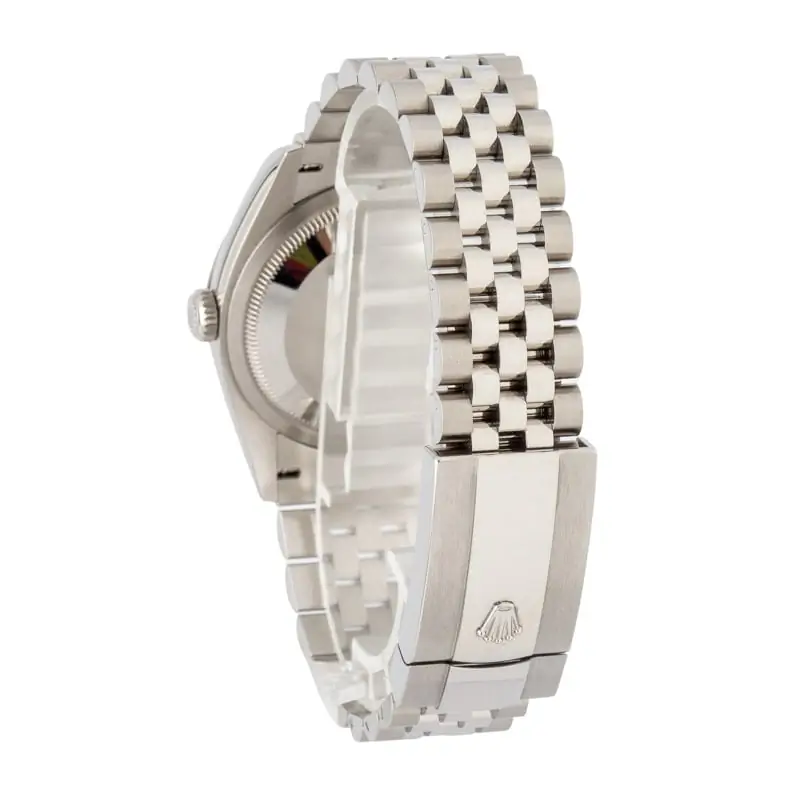
Here’s the real deal: you gotta separate the hype from what actually holds value long-term. Looking back, classic sizes like the 36mm Rolex have been real troopers in the second-hand market.
They fit more wrists and work for both guys and girls, which keeps demand pretty steady. Sure, some 41mm pro models are super hot right now, but the 36mm ones tend to have a smoother ride value-wise, without the crazy ups and downs.
Take the vintage Datejust 36, for instance—it’s always been a crowd-pleaser. Check out auction results from places like Phillips. Well-kept 36mm models consistently do great. This just proves they’ve got lasting charm for collectors who care more about timeless style than what’s trendy this minute.
The Unisex Appeal and Collection Strategy
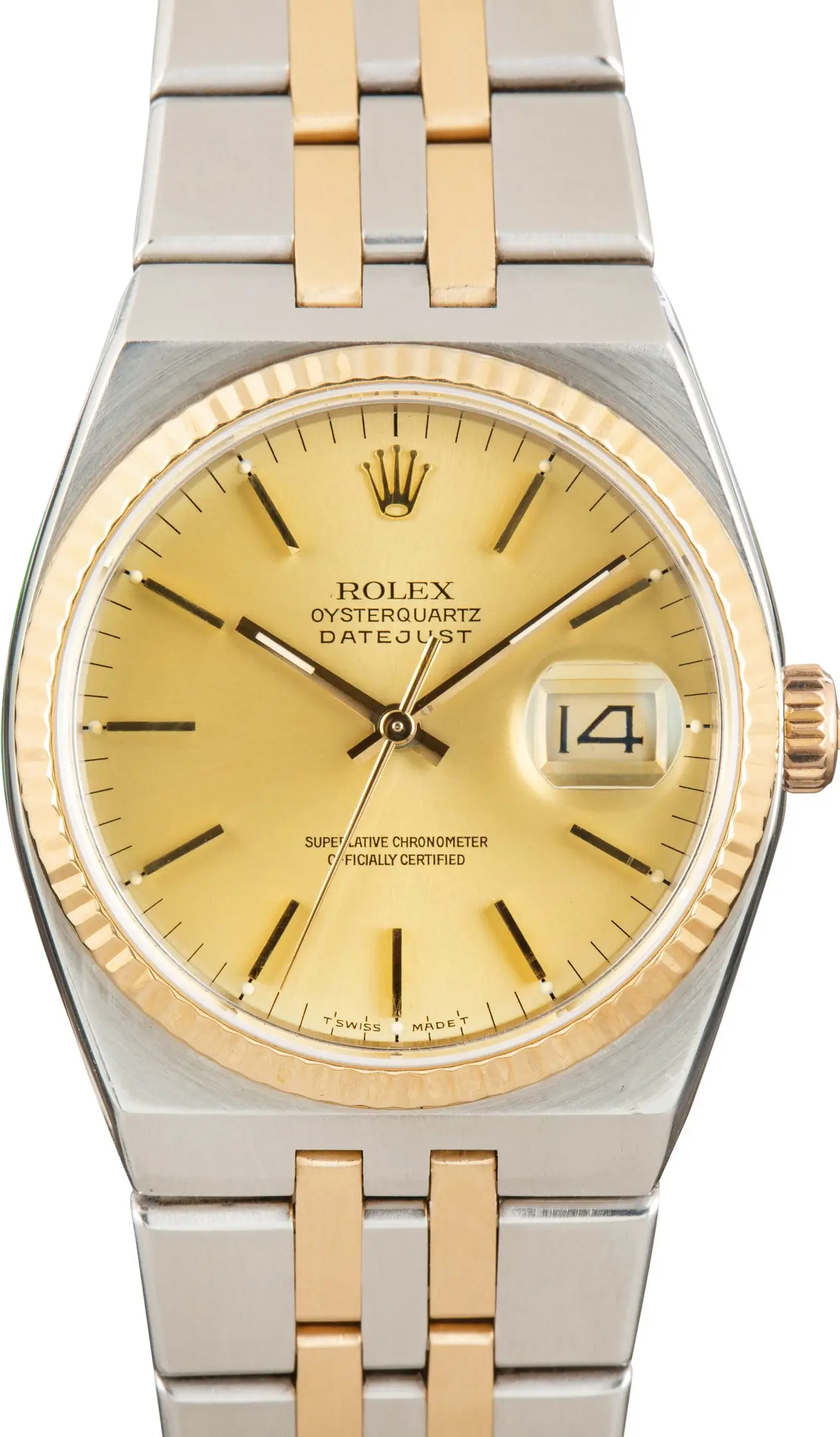
Here’s a smart buying tip: the 36mm Rolex has a big plus—it’s truly unisex. The size fits most men and women perfectly, so it’s super versatile, whether it’s for one person’s collection or a couple sharing.
That wide appeal means it’s often easier to sell later on, and more people might be interested in buying it. If you’re putting together a watch collection, kicking things off with a 36mm classic—like a Datejust or Oyster Perpetual—gives you a solid.
go-anywhere base. Then, you can spice it up by adding a 41mm sports watch, say a Submariner, for a different look. That one-two combo pretty much gets you ready for anything, from important meetings to weekend fun.
Final Verdict and Your Next Step
So, picking between the Rolex 36mm and 41mm? It really comes down to what feels right for you—how it fits, your style, and just the vibe you get from it.
The 36mm gives you that timeless, elegant look. It’s super versatile, especially for dressier occasions, and its classic size has been a winner for more than 50 years. Then there’s the 41mm.
It brings a modern, bold presence that goes great with today’s casual styles and suits bigger wrists just right. There’s no single right choice for everyone. The right answer is the one that works for you.
Just remember this: the best watch, even if it’s pricey or popular, is the one you’ll actually love wearing every day—the one that feels like it’s truly yours.
Ready to Decide?
Got your wrist size and style in mind? Drop them in the comments below! Our folks here really enjoy chipping in on this classic Rolex 36 vs 41 debate. Want to dig deeper?
Check out our full breakdown of specific Rolex models. You’ll see real wrist shots and get tips from collectors.
Here are some common questions people ask.
So, is a 36mm Rolex too small for a guy?
Not even close. The 36mm size is actually a classic for men, it’s been the go-to size for ages. It gives you that timeless, classy look, and guess what? It’s totally back in style right now.
On most guys wrists, say around 6.5 to 7.5 inches, a 36mm Rolex looks just right—balanced and sharp, not tiny at all. Really, it just comes down to what fits you and your own taste.
Okay, but does the Rolex Datejust 41 actually feel smaller than 41mm?
Yeah, most of the time it does. Rolex makes the Datejust 41 with sleek lugs and a curved case so it sits really comfortably. The distance between its lugs is often similar to older 39mm watches from other companies.
Lots of owners say it feels more like a 39 or 40mm watch. That makes it perfect if you want a modern size but don’t like that chunky feeling.
Which one keeps its value better, the Rolex 36 or the 41?
Both can hold their value really well. It depends on the specific model, its condition, and how rare it is. Classic 36mm models, think some Datejusts, have a long track record of keeping their value steady.
That’s because their look never goes out of fashion. Some 41mm professional models, like Submariners, might hit higher peaks in the short term. But for a solid, long-term hold, a well-picked 36mm with its classic size is usually the safer choice.
Can a woman pull off a 41mm Rolex?
For sure. Plenty of women wear 41mm Rolexes with total confidence, especially sporty ones like the Submariner or GMT-Master II. It really just boils down to your personal style and the size of your wrist.
The trend for bigger watches is totally unisex now. The golden rule, like always, is to just try it on. The 41mm gives you a bold look that makes a statement, while the 36mm is more of a traditional, goes-with-anything fit.