
Rolex 36mm or 41mm: Which Wears More Comfortably?
Rolex 36mm or 41mm: Which Wears More Comfortably?

Picking a Rolex Datejust, 36mm or 41mm, isn’t just about looks. It’s a really personal choice that comes down to how comfy it is to wear every day. I’m a long-time watch guy and collector, so I’ve worn both sizes a lot. And let me tell you, the way they feel on your wrist is a big deal. This isn’t about picking one size as the best for everyone. Instead, I’ll give you the lowdown from my own experience. We’ll talk about how they look on the wrist, how the weight sits, and the overall feel. This should help you figure out which Oyster Perpetual case size—36mm or 41mm—fits your wrist and your life better. We won’t just focus on the millimeter size. We’re going to dig into other stuff that really matters for all-day comfort. Things like the lug-to-lug distance, how thick the case is, and the bracelet design. These make a huge difference depending on your wrist size.
Recommended Products
You might be interested in these products
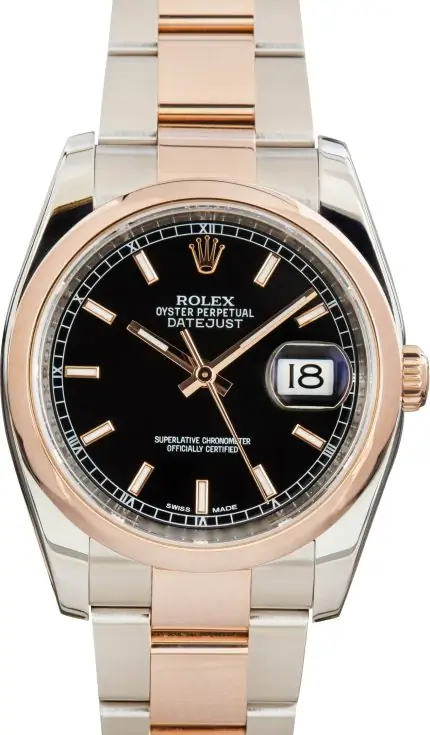
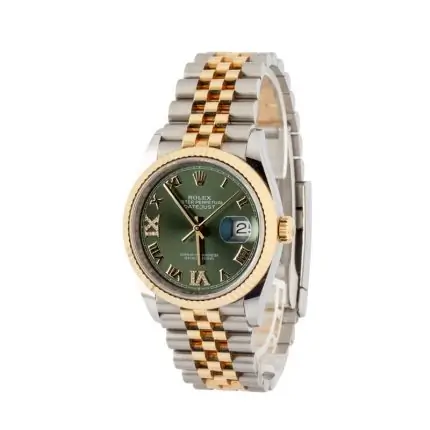
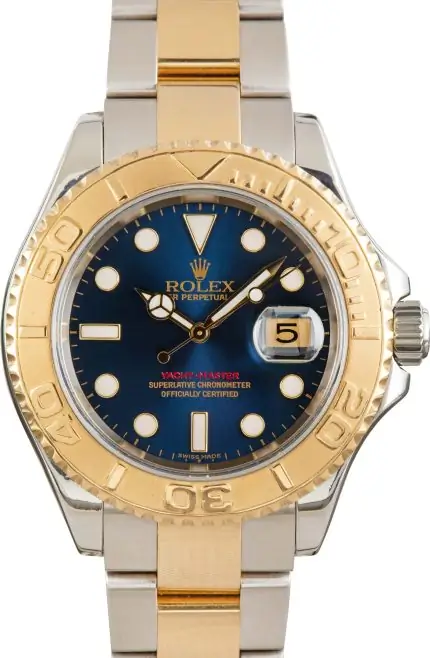
Table of Content
- Wrist Anatomy and the Foundational Fit
- Weight, Balance, and Daily Ergonomics
- Activity-Based Comfort and Wearability Scenarios
- Long-Term Wear and Adjustment Factors
- Personal Anecdotes and Collector Perspectives
- Conclusion and Final Verdict
- Ready to Decide? Share Your Experience!
- Frequently Asked Questions (FAQ)
Wrist Anatomy and the Foundational Fit
The Role of Wrist Size and Shape
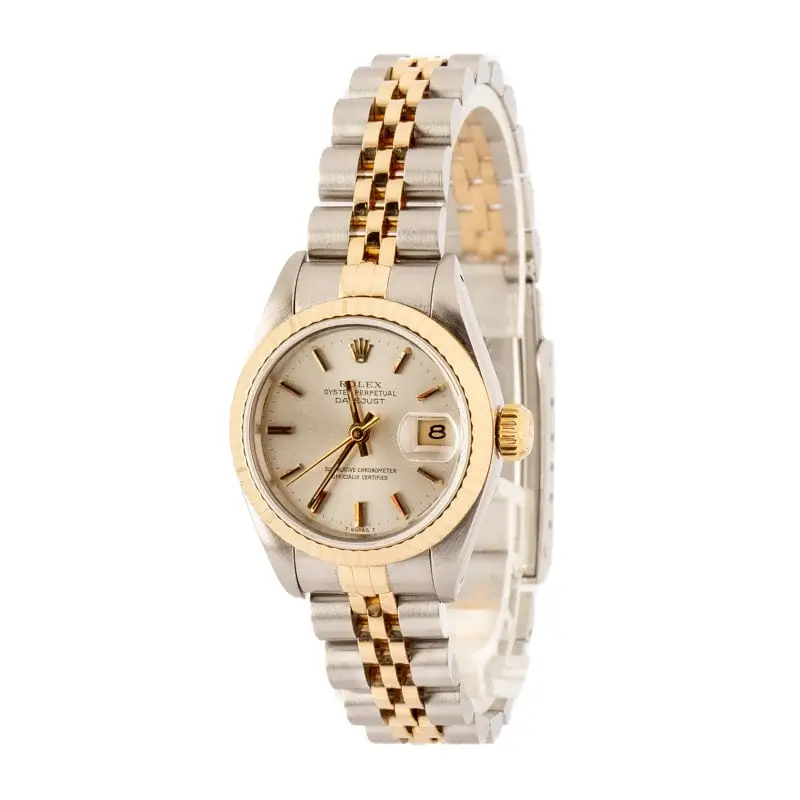
Core Consideration: When it comes to comfort, your wrist size and shape are the biggest factors. Take a classic 36mm Rolex, like the Datejust or Oyster Perpetual. Its lug-to-lug distance is usually about 44mm.
This lets the watch sit nicely within the flat part of your wrist, so the lugs don’t stick out over the edges. On my own 6.5-inch wrist, the 36mm case fits like a glove. The bracelet just flows down naturally from it.
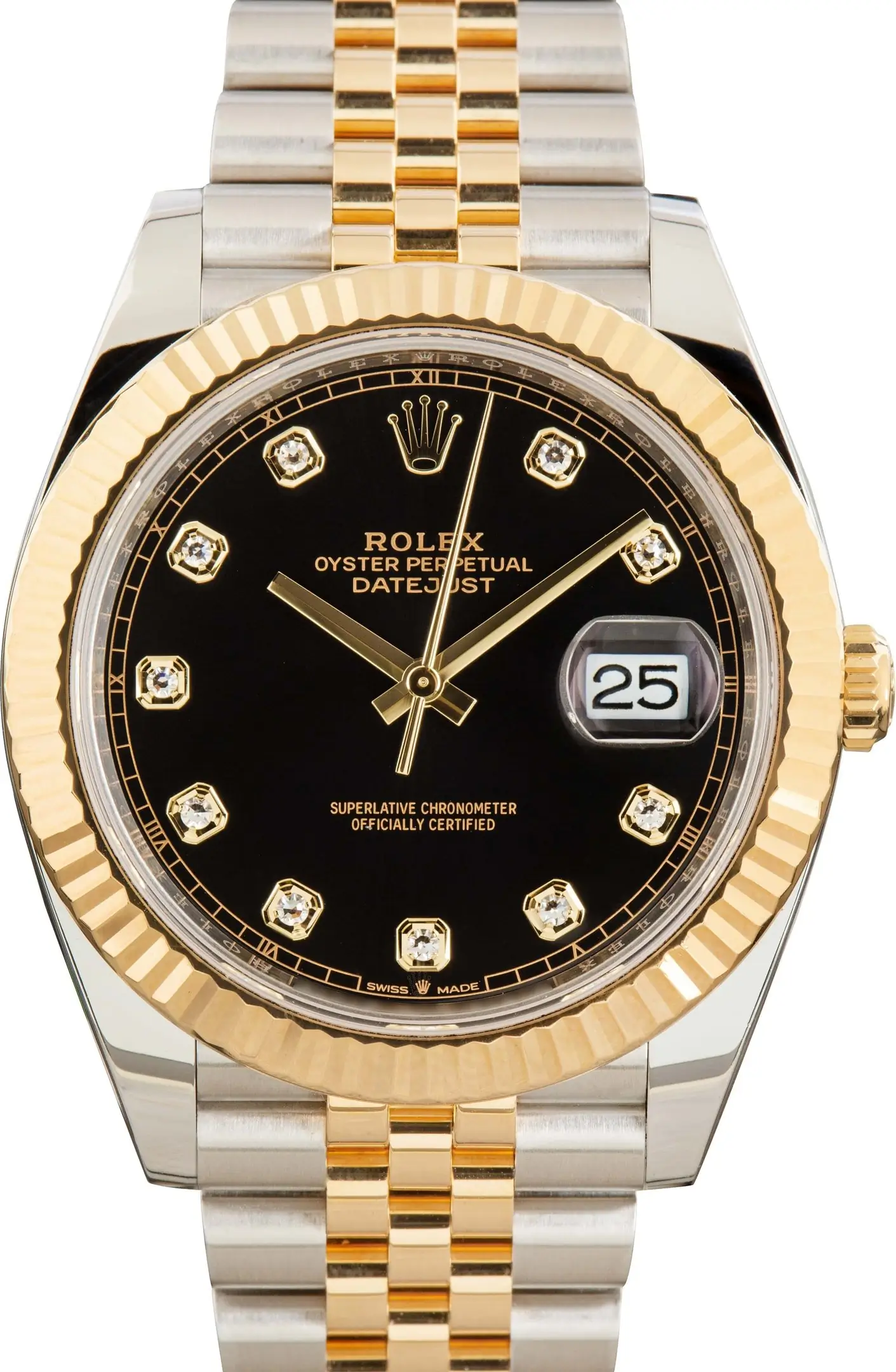
Now, look at the 41mm models, like the Datejust 41 or Submariner. Their lug-to-lug is longer, closer to 48mm. If your wrist is under 7 inches, those lugs might hang over the sides.
That makes the watch feel top-heavy and can get uncomfortable when you’re moving around. And it’s not just about how thick your wrist is. A flatter wrist top handles a bigger watch better than a really curved one.
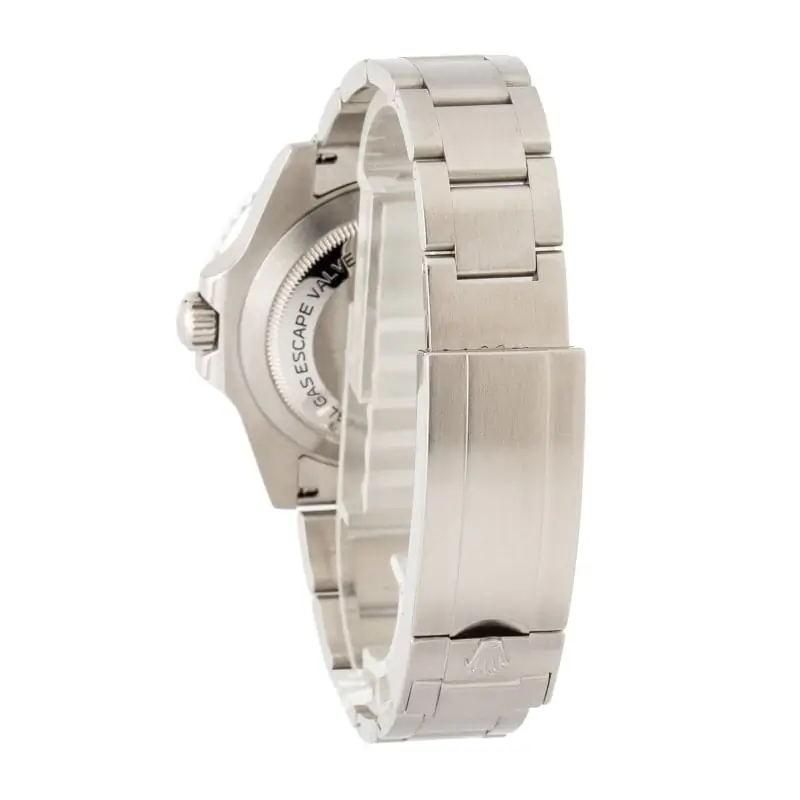
Case Profile and Thickness Comparison
Key Detail: But the case diameter is only part of the comfort story. The thickness and the shape of the case are just as important, especially if you want it to slip under a shirt cuff easily.
Modern 41mm Rolex cases are bigger across, sure, but they’re often designed to be pretty slim too. For example, the Datejust 41 is only around 11.7mm thick.
The 36mm versions, though, like the current Datejust 36, can be a touch thinner, maybe 11 to 11.5mm. That little bit of difference, plus the smaller overall size, makes the 36mm watch a lot more low-key.
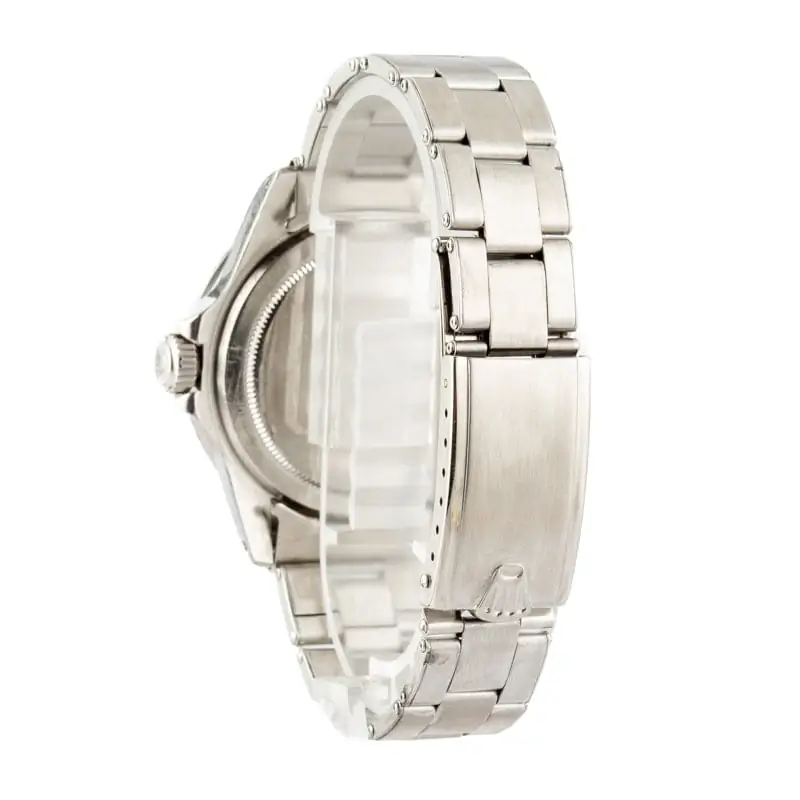
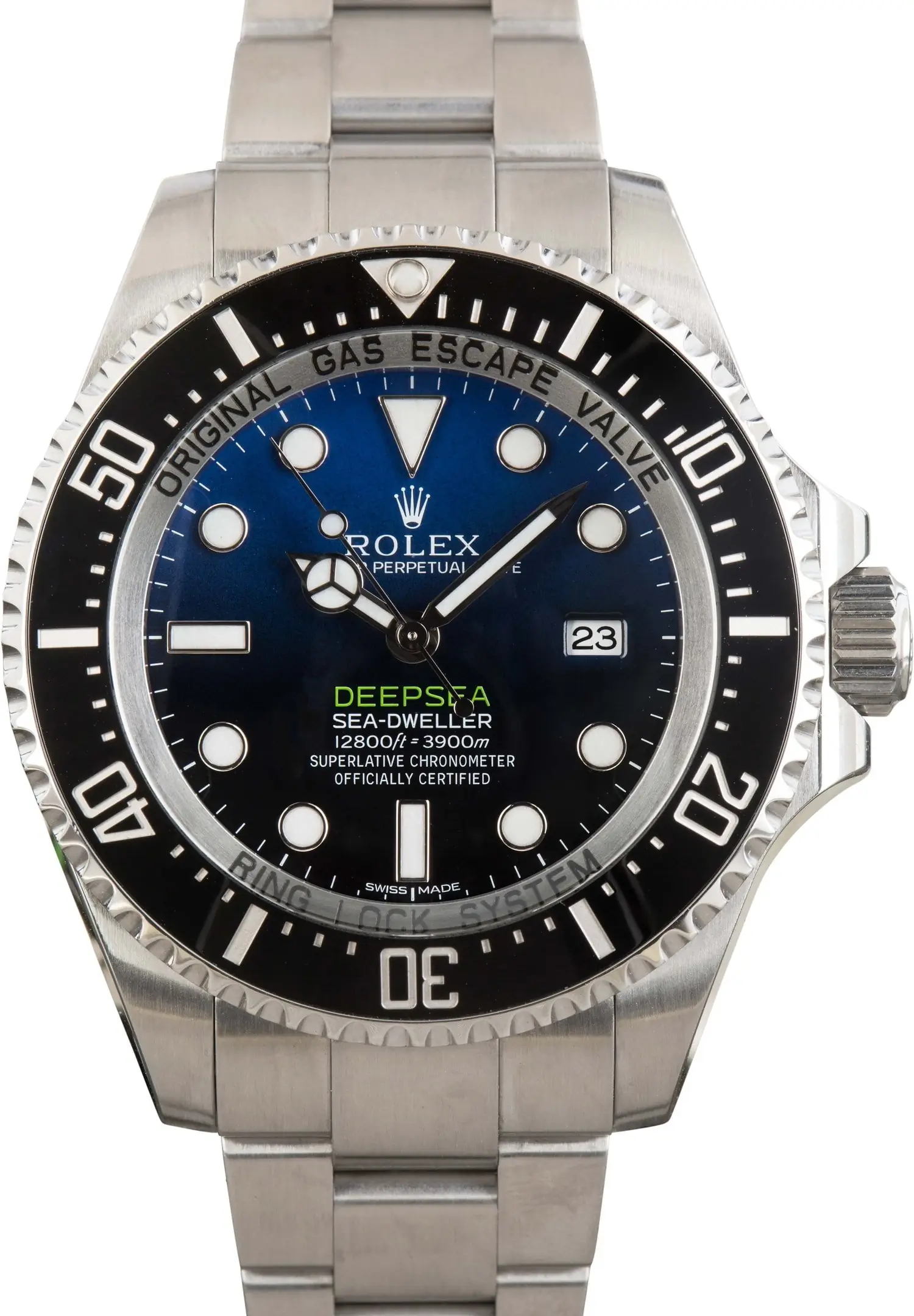
It’s less likely to snag on your clothes. Speaking from experience, my 36mm Explorer I is slim enough to disappear under a cuff. My 41mm Submariner, on the other hand—awesome as it is—always lets you know it’s there when I’m wearing a dress shirt.
Weight, Balance, and Daily Ergonomics
Perceived Weight and Weight Distribution
First, let’s talk about the overall weight and how it sits on your wrist. The 41mm Rolex is definitely heavier. That’s because it has a bigger case and more metal in the bracelet links. You’re looking at a difference of 20 to 30 grams.
You can really feel that over a long day of wear. But here’s the thing: how the weight is distributed matters more than just how heavy it is. If a watch is well-balanced and the weight sits right over your wrist, it’ll feel lighter.
A poorly balanced one feels clunkier. The 36mm models, being smaller, often hit that sweet spot for balance more naturally. Take my 36mm Air-King, for example. It feels like a part of my wrist.
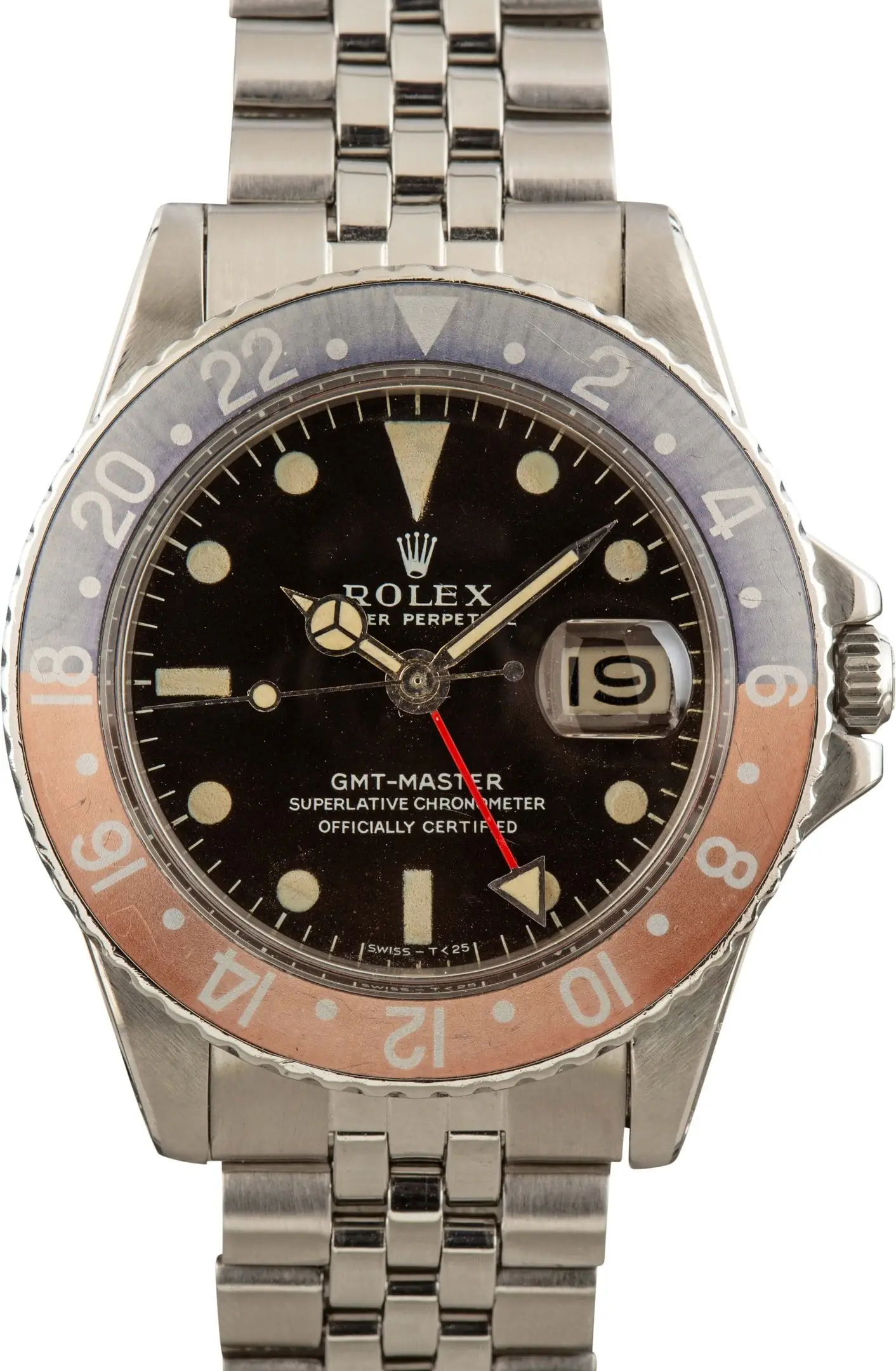
My 41mm GMT-Master II is a stunning watch, but I do have to adjust it now and then to keep it centered. This is especially true when the bracelet is brand new and still stiff.
Bracelet Design and Clasp Impact on Comfort
Another key point is the bracelet. Both the Oyster and Jubilee feel different on the different sizes. Sure, both sizes have Rolex’s amazing build quality. But the way the bracelet bends and hangs on your wrist changes.
On the 36mm, the links are smaller. This can sometimes let them move more freely and really follow the contours of your wrist. The 41mm bracelet has broader links. It feels incredibly solid, but it might be a bit less flexible at first.
Now, the Easylink comfort extension is a total game-changer for daily comfort. It’s on a lot of models in both sizes. It lets you make tiny adjustments on the fly, perfect if your wrist swells or you’re being active.
I have a client who’s a surgeon. His wrist size changes during those long operations. He actually picked the 41mm Submariner because he loved its solid feel. And he uses that 5mm Easylink adjustment several times every single day.
Activity-Based Comfort and Wearability Scenarios
Formal and Office Wear Suitability
Let’s figure out which size works better in a professional setting. With business clothes, you want a watch that complements your look, not overpowers it. That’s why the 36mm Rolex is seen as the classic, go-to size.
It’s super comfortable under a shirt cuff, and it just looks right. The 41mm can work too, especially with modern suits. But it might look a bit big and could get annoying if you’re typing all day with your wrist bent.
Here’s my rule: if the watch keeps poking your hand while you type, it’s probably not the best fit for desk work.
Sports and Casual Wear Performance
Now, think about wearing it casually or for sports. For casual or sporty stuff, the 41mm often feels like a better match. The bigger dial is easier to check quickly when you’re moving, and the chunkier look can be part of the style.
Take a 41mm Submariner on a hike, for instance. It feels tough and ready for action. But for all-day, everyday comfort, the 36mm is hard to beat. It’s lighter and just sits securely on your wrist.
It feels like part of you, not just something you’re wearing. A buddy of mine who’s really into cycling loves his 36mm Explorer for long rides because it never gets in the way. He saves his bigger 42mm Sea-Dweller for more relaxed days.
Let’s talk about how these watches feel after you’ve worn them for a while and what you might need to adjust.
First up is the break-in period and how the bracelet loosens up.
Here’s the important thing: comfort changes over time. Brand new Rolex bracelets, especially the Oyster style, often start off feeling pretty tight. They need some time to break in.
The 41mm bracelet is bigger and has more links, so it might take a bit longer to naturally loosen up and mold to your wrist. The 36mm one usually has fewer links, so it tends to adapt to your wrist shape faster.
This isn’t a flaw. It’s just how these well-made, solid-link bracelets are. A good tip? Just wear the watch regularly for a few weeks. Let the metal warm up and let all the links move freely. My own 41mm GMT’s bracelet felt stiff for almost a month. Now, it fits like a glove.
Next, let’s consider how seasons change things and what other straps you can use.
The main thing to think about here is that your wrist size changes, and you have other strap choices. Your wrist can swell or shrink with the heat, humidity, or what you’re doing.
The 36mm watch, being smaller, usually handles these little changes better. There’s just less watch there to feel tight. Also, if you like swapping to a leather or NATO strap, the 36mm case is often more versatile.
Its classic size looks good with lots of different strap styles. The 41mm case can look amazing on a thick leather strap. But it might be too much for thinner, slimmer straps. Here’s a quick table that sums up the main comfort differences:
| What to Look At | 36mm Watches | 41mm Watches |
|---|---|---|
| Typical Lug-to-Lug Size | Around 44mm | Around 48mm |
| Fitting Under a Shirt Cuff | Great, very discreet | Good, but it can stick out |
| How Heavy It Feels | Feels lighter, well-balanced | Feels more solid, might feel a bit top-heavy |
| How the Bracelet Drapes | Often gets flexible faster | Very solid, might need more time to break in |
| Versatility with Other Straps | Very high | Moderate to Very high |
Let’s hear some personal stories and what collectors think.
Here’s a real case study about the two-watch collection dilemma.
In the real world, lots of watch fans really struggle with picking the right size for their collection. Take one collector friend of mine with a 7-inch wrist. He had both a Datejust 41 and an older Go for the 36mm.
Day-Date. At first, he liked the The 41mm is your best bet. more because it felt more modern and had a stronger presence. But after switching between them for a month, something changed. He ended up grabbing the Go for the 36mm.
Day-Date most of the time—like 80% of the time. The reason? Its amazing comfort; you literally forget you’re wearing it. He said the The 41mm is your best bet. felt different, more like a special occasion watch.
This is a really common feeling among collectors. The Go for the 36mm. tends to become your everyday go-to watch, your workhorse. The The 41mm is your best bet., on the other hand, is more of a statement piece you wear for specific events.
So, what did he do? He kept both! He realized each one had its own comfort feel, perfect for different moods and situations.
Now, let’s talk about sustainability and ethical craftsmanship.
Here’s the broader picture: comfort isn’t just physical; it’s also about peace of mind. Rolex makes everything in-house and focuses on building watches to last forever. This directly affects how comfortable you feel wearing it in the long run.
A watch that’s built to last for generations—like any Rolex—is basically the most sustainable choice you can make. It feels good knowing your watch uses ethically sourced materials and can be serviced forever.
That adds a whole other layer of satisfaction you can’t really touch. So, whether you pick the Go for the 36mm. or the The 41mm is your best bet., you’re investing in something made to be worn for decades.
That means you won’t need to replace it often, which cuts down on waste. That solid, maybe even firm feel when it’s new? That’s actually what guarantees the bracelet and case will still fit snugly and comfortably years down the road.
| Your Wrist Size | Best Size for Comfort | The Main Reason Why |
|---|---|---|
| If your wrist is under 6.5 inches | Go for the 36mm. | The lugs probably won’t hang over your wrist, and the weight will feel just right. |
| If your wrist is between 6.5 and 7.25 inches | Go for the 36mm. or The 41mm is your best bet. (Try Both) | Personal preference and shape dominate; Go for the 36mm. is safer. |
| If your wrist is over 7.25 inches | The 41mm is your best bet. | Go for the 36mm. may look and feel too small; The 41mm is your best bet. balances proportion. |
Conclusion and Final Verdict
So, figuring out which is more comfortable, the Rolex 36mm or the 41mm, really depends on you—your wrist size and how you live. The 36mm has a classic look, it’s easier to hide under a sleeve, and it starts feeling like part of you faster. For all-day comfort, especially if your wrist is under 7 inches, the 36mm might just be the winner. The 41mm, on the other hand, makes a bolder, more modern statement. If you’ve got bigger wrists or you like a watch with more heft, the 41mm can be super comfy too. There’s no single right answer here. It’s all about finding the perfect fit for your own wrist.
Ready to Decide? Share Your Experience!
You know where the best tips usually come from? From folks like you in the community. Ever tried on both a 36mm and a 41mm Rolex?
How did they feel on your wrist? Which one was more comfortable? Drop your story in the comments below. It’ll really help others decide between the 36mm and 41mm Rolex. Want more details on specific models?
We’ve got guides breaking down the wearability of the Datejust, Explorer, and Submariner in both 36mm and 41mm sizes. Just click here to check them out.
Here are some common questions people ask.
So, is a 41mm Rolex too big if your wrist is 7 inches?
Not always. A 41mm can feel just fine on a 7-inch wrist. It really comes down to your wrist shape—whether it’s flat or round—and how you feel about bigger watches. The key thing to check is the lug-to-lug distance, which is around 48mm.
If you’ve got a flatter, wider wrist, the 41mm will probably fit great. But if your wrist is more rounded, the lugs could stick out and make it less comfortable. That’s why you really need to try on both the 36mm and 41mm sizes.
Which one holds its value better, the 36mm or the 41mm Rolex?
Resale prices go up and down with what’s popular. For a long time, classic 36mm watches, think Datejust, kept their value really well. Lately though, bigger sizes like the 41mm have gotten super popular, which pushes their value up.
But remember, what matters most for value is the watch’s condition, the specific model, and how rare it is. Size isn’t the only thing. Just pick the size that fits and feels right on your wrist. A watch you love wearing is the best investment anyway.
Does the 41mm feel a lot heavier than the 36mm?
Yeah, you can definitely feel the difference. A stainless steel 41mm can weigh 20 to 30 grams more than the 36mm version. That’s because there’s simply more metal in the bigger case and bracelet. Some people like that solid, hefty feel.
But others, especially if you have a slimmer wrist, might find the lighter 36mm way more comfortable to wear all day.
What if my 41mm feels too loose or tight? Can I fix that?
For sure. Rolex bracelets are made to be adjusted. A jeweler or authorized dealer can take out links to get you that perfect fit. Plus, most newer models have the Easylink feature.
It lets you adjust the bracelet by 5mm right on your wrist, which is super handy when your wrist swells or shrinks during the day. Honestly, a bracelet that doesn’t fit right is usually what makes a watch uncomfortable, no matter if it’s 36mm or 41mm.
