Oyster Perpetual 36 or 41: Which Size Fits You?
Oyster Perpetual 36 or 41: Which Size Fits You?

Picking between the Rolex Oyster Perpetual 36 and 41? For watch lovers, it’s a fun little puzzle. You’re not just choosing a watch. You’re looking for the ideal partner for your wrist—something that feels great, looks right, and mixes classic style with a modern vibe. I’ve worn both the Oyster Perpetual 36 and 41 a lot. Trust me, it’s about way more than just the size in millimeters. You’ve gotta think about your own style, your wrist size, and how the whole watch—from that famous Oyster case to the cool, colorful dials—actually looks and feels on you. This guide breaks down the details of these two popular Oyster Perpetual sizes. We’ll help you figure out the small but important differences, so you can find the one that fits your life perfectly.
Recommended Products
You might be interested in these products
Table of Content
- Decoding the Core Dimensions and Wrist Fit
- Design Language and Visual Impact Comparison
- Movement, Specifications, and Technical Nuances
- Styling Versatility and Target Wrist Sizes
- Market Perception, Resale, and Long-Term Value
- Final Verdict and Your Next Step
- Call to Action (CTA):
- FAQ: Oyster Perpetual 36mm vs 41mm
Decoding the Core Dimensions and Wrist Fit
Beyond the Numbers: Case Diameter and Lug-to-Lug
Core Measurement Analysis: You might think 5mm isn’t much, but the difference between the 36mm (Ref 126000) and 41mm (Ref 124300) Oyster Perpetual cases is actually pretty big.
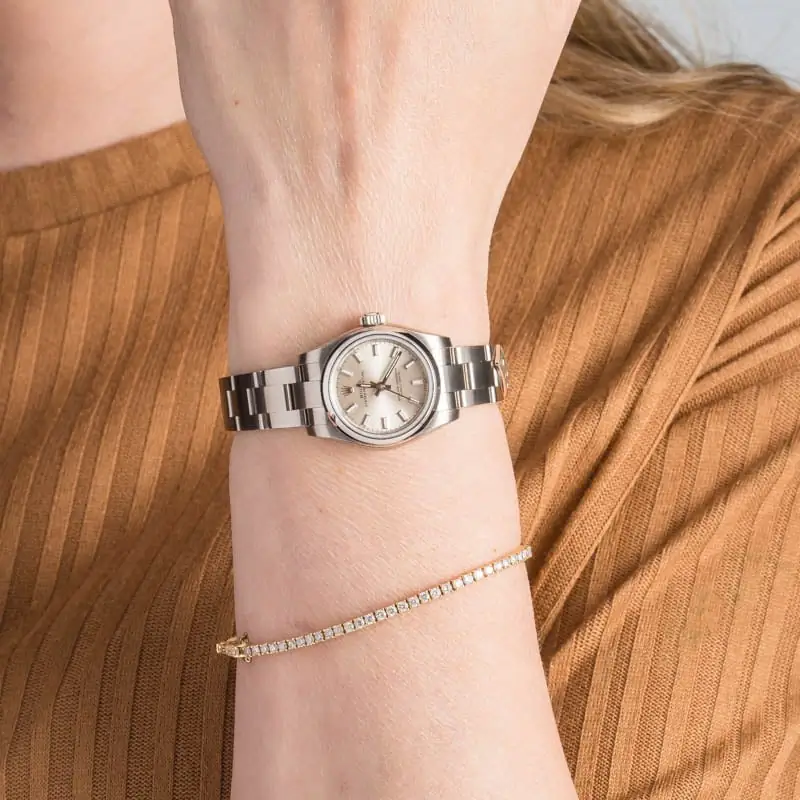
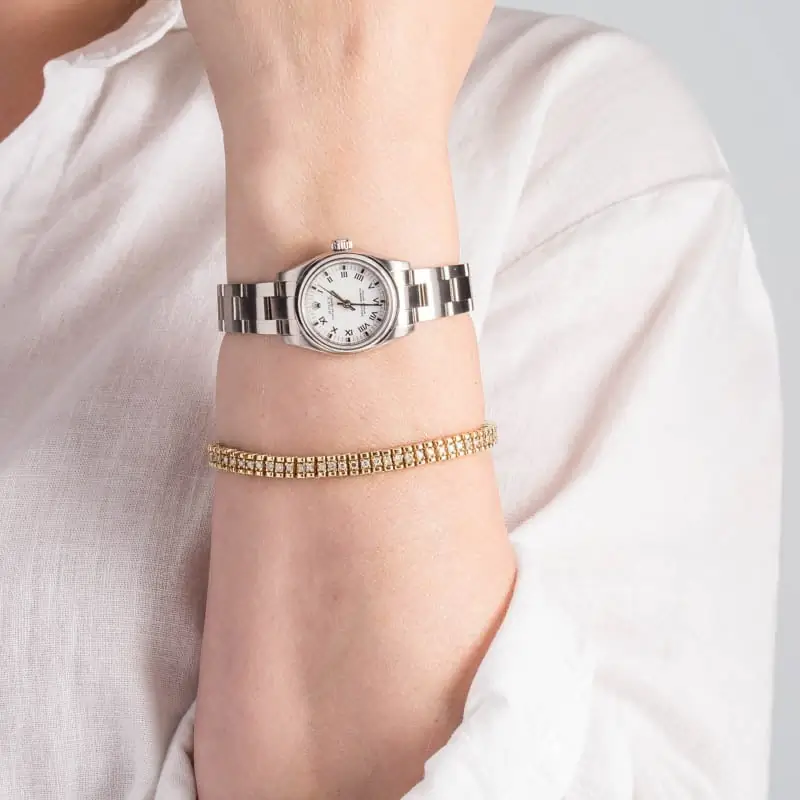
The OP 36 keeps that classic size that’s been popular for ages—it’s super versatile. That 36mm width fits nicely on lots of wrists, whether they’re slim or just average. Then there’s the 41mm version.
It’s the newer, more modern choice and definitely makes more of a statement on the wrist. But here’s the real key: the lug-to-lug measurement. That’s the distance from one lug tip to the other.
The OP 36 usually has a shorter lug span, like around 44mm. This means it tucks in neatly on your wrist without sticking out, which is a huge plus if you have smaller wrists.
Practical Fit Test: My best advice? You’ve gotta try them both on. I remember helping a buddy pick one out. He has a 6.5-inch wrist, and the OP 36 looked just right. The lugs followed the curve of his wrist perfectly.
The OP 41 wasn’t huge, but it sat flatter. The lugs went almost to the edge of his wrist, which changed the whole look. If your wrist is over 7 inches, the 41mm model usually looks more balanced and modern.
It’s not only the case size that matters. It’s also how the Oyster bracelet connects to it. That smooth, comfy fit is pure Rolex—it’s what they’re known for.
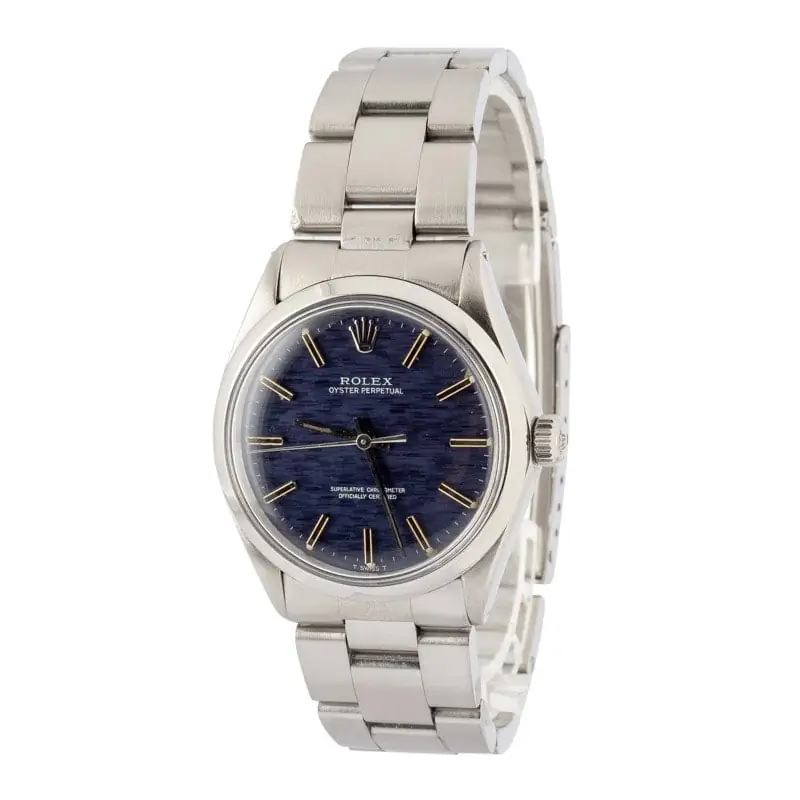
Design Language and Visual Impact Comparison
Dial Proportions and Legibility
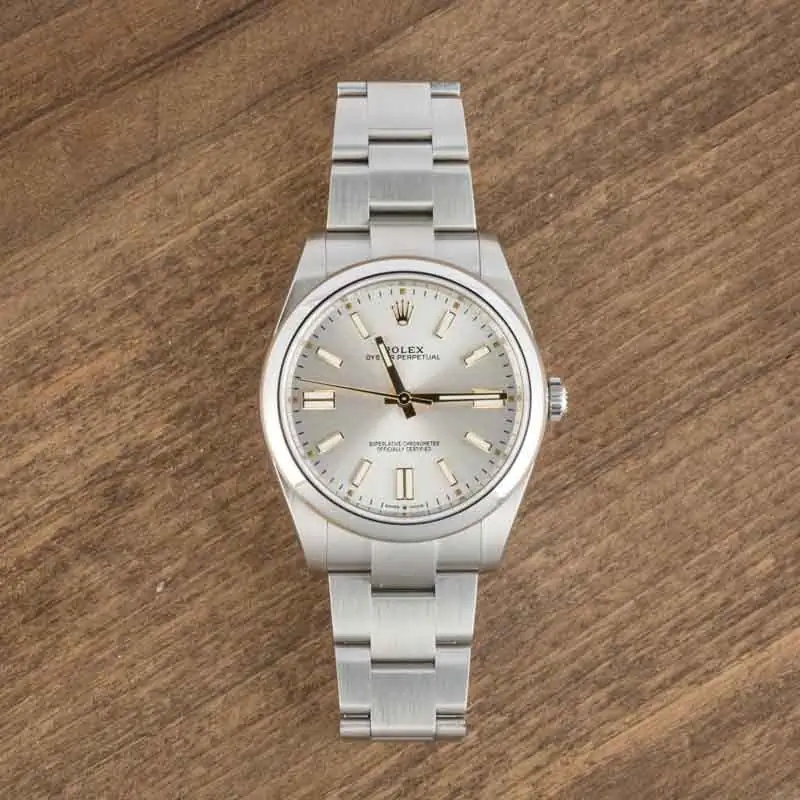
Let’s look at the dial layout. The bigger 41mm face gives you a bit of a different setup. The hour markers and hands are sized up to match, but all that extra room makes the dial feel more open and spacious.
Now, the classic 36mm dial is different. It packs everything into a tight, perfectly balanced layout that watch purists just love. Those famous stick markers or the Chromalight lume dots? They look and fit differently on each size of dial.
On the Oyster Perpetual 41, the minute track around the edge really stands out. That makes it super easy to read quickly, which is a handy plus for some folks.
When it comes to looks and feel, there’s a big difference. The 36mm Oyster Perpetual usually gives off a more polished, classic, and some would say dressier feel. It’s the ultimate watch you can wear anywhere.
The 41mm version, though, goes for a sportier, more modern tool-watch look. It definitely makes a bolder statement on your wrist. This difference gets even clearer with certain dial colors. Take the bright Coral Red or the Tiffany Blue dials.
On the 41mm, they feel bold and full of energy. Put those same colors on the 36mm, and they come across as a bit more playful and classic. So, which one you pick really says a lot about your own personal style.
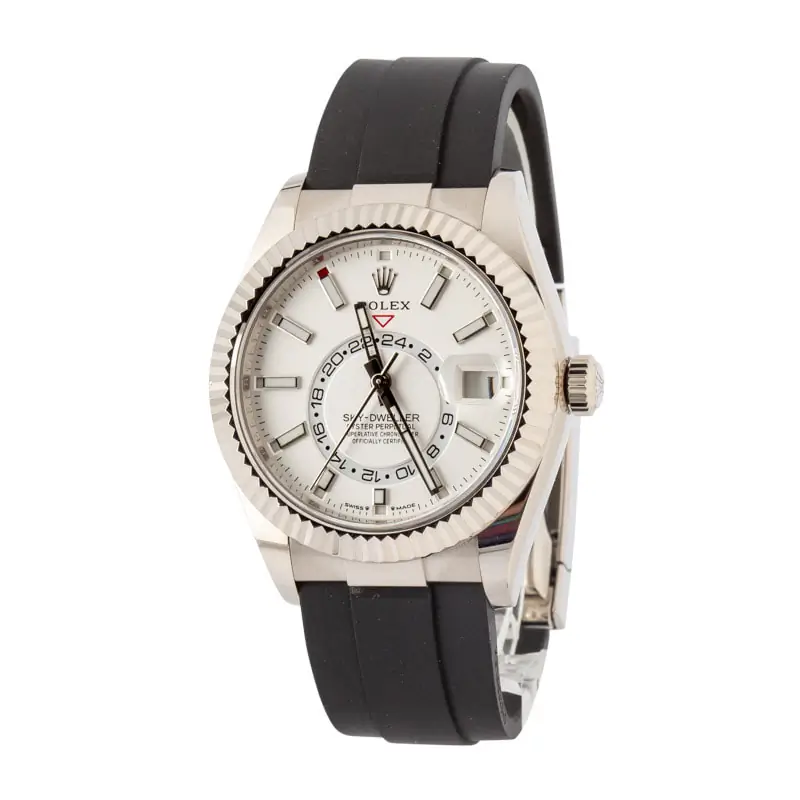
Movement, Specifications, and Technical Nuances
Caliber Performance and Power Reserve
Let’s break down the movements. Both watches have top-notch chronometer-certified movements, though they’re not exactly the same. The Oyster Perpetual 36 runs on the Caliber 3230, and guess what? The 41mm version uses the same Caliber 3230.
That’s right, you heard correctly. They actually share the same base caliber. This movement came out in 2020 and it’s a big step forward. It features the Chronergy escapement and a special blue Parachrom hairspring that resists magnets.
The result is great efficiency and strong magnetic resistance. Both of them give you a solid 70 hours of power reserve. So here’s the main point: picking one size over the other doesn’t mean you lose out on tech.
Rolex makes sure both the Oyster Perpetual 36 and 41 perform just as well and are equally reliable.
| Feature | Oyster Perpetual 36 | Oyster Perpetual 41 |
|---|---|---|
| Case Diameter | 36 mm | 41 mm |
| Movement | Caliber 3230 | Caliber 3230 |
| Power Reserve | Approx. 70 hours | Approx. 70 hours |
| Water Resistance | 100 meters / 330 feet | 100 meters / 330 feet |
| Superlative Chronometer Certification | Yes (-2/ 2 sec per day) | Yes (-2/ 2 sec per day) |
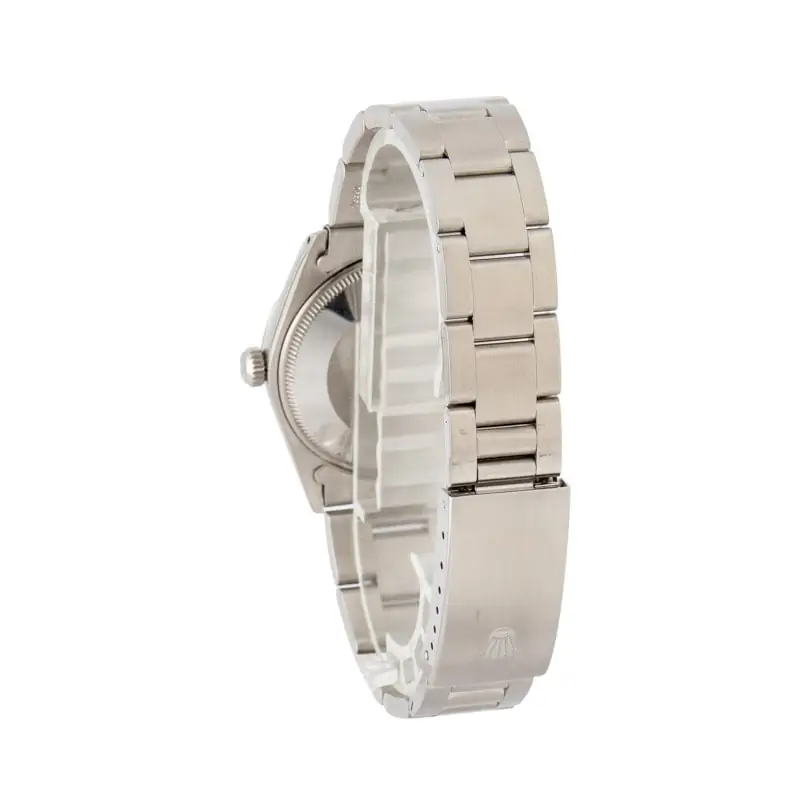
Bracelet and Clasp Details
Now, comparing the bracelets. Both the Oyster Perpetual 36 and 41 come with that famous three-link Oyster bracelet, made completely from Oystersteel. But, the bracelet on the 41mm is clearly wider where it meets the clasp.
It starts at 21mm between the lugs and then gets narrower. The 36mm version tapers from 19mm. This taper difference changes how the watch feels on your wrist and how it looks. The 36mm’s sharper taper makes it feel a bit more elegant and lighter.
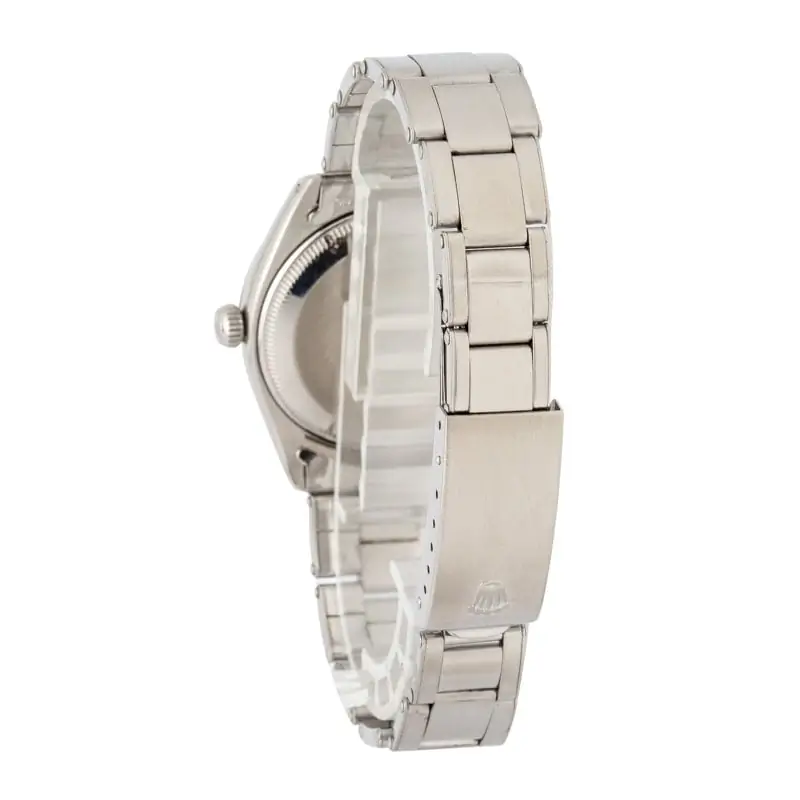
On the other hand, the 41mm’s bracelet gives you a sturdy, solid feel. Both use the same Oysterclasp from Rolex, which has the Easylink system. This lets you quickly adjust the fit by 5mm. It’s a real lifesaver when the temperature changes or you’re wearing it all day.
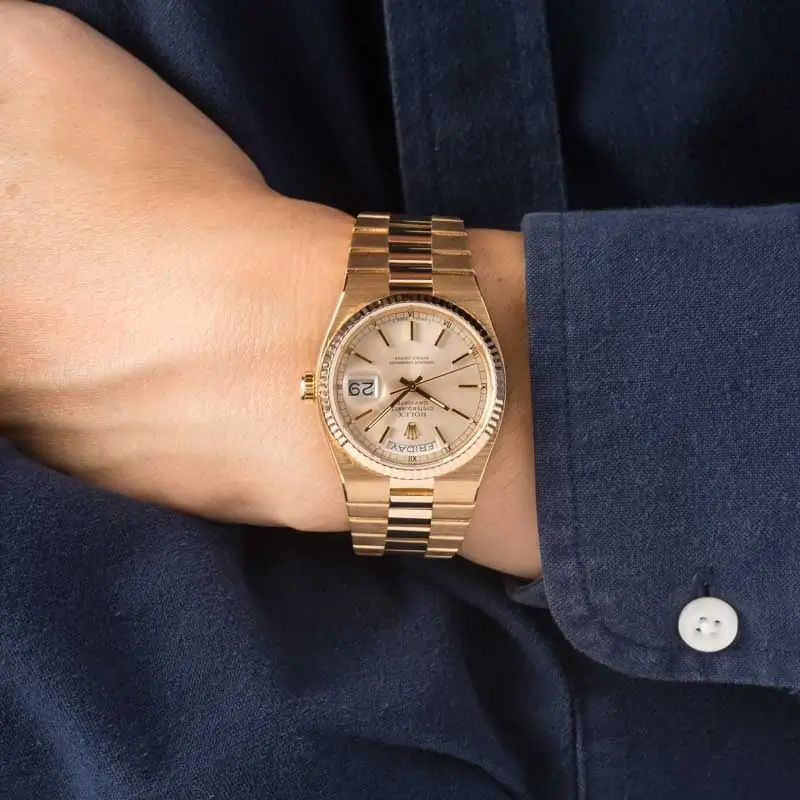
Styling Versatility and Target Wrist Sizes
From Casual to Formal: Outfit Pairing
Style Scenario Analysis: What’s really great about the Oyster Perpetual is how versatile it is. The 36mm size has a classic history. You can wear it with a suit or just a t-shirt, which it gets from the original Oyster watch.
It slips right under your shirt cuff, no problem. The 41mm is still versatile, but it feels more like a casual or smart-casual watch. It looks awesome with jeans and a polo or a casual blazer.
But if your dress shirt cuff is tight, it might feel a bit bulky underneath. Think about what you wear most often. Is it business suits or more relaxed, casual clothes? Your watch should really go with that main style.
Target Audience Fit: Here’s a general guide, not a hard rule. The 36mm usually suits people with wrists under 7 inches. It’s also for folks who want a classic or vintage look, or anyone who likes a watch that’s subtle and light.
The 41mm tends to attract people with wrists over 6.75 inches. It’s also for those who like modern watch styles and want their watch to stand out as an accessory. Watch expert Ariel Adams points out that the trend for bigger watches has settled down.
So now, picking a size is more about your own body and your personal style, not just following fashion rules. This really shows that the right choice is a very personal one.
| Wrist Circumference | Suggested Size | Primary Rationale |
|---|---|---|
| If your wrist is below 6.5 inches (16.5 cm) | Go for the Oyster Perpetual 36. | It’ll fit your wrist best from lug to lug and has classic proportions. |
| If your wrist is between 6.5 and 7.25 inches (16.5 – 18.5 cm) | Both sizes could work, so you really need to try them on. | Your personal style preference is the key deciding factor here. |
| If your wrist is above 7.25 inches (18.5 cm) | The Oyster Perpetual 41 is your best bet. | It will look more balanced and have better presence on your wrist. |
Market Perception, Resale, and Long-Term Value
Collectibility and Investment Angle
Let’s talk market dynamics. Both the 36mm and 41mm Oyster Perpetual hold their value really well on the secondary market. That just shows how much people love this watch.
The 36mm size has been the classic choice for ages, so it’s got a really loyal following among collectors. But don’t count the 41mm out. Since it came out, it’s gotten super popular fast, and people really want it.
Here’s a thing: the dial color can actually matter more for resale value than whether you pick 36mm or 41mm. Take those bright, discontinued colors like Candy Pink or Turquoise. Doesn’t matter what size they’re on, everyone’s trying to get one.
My advice? Don’t just buy it as an investment. Get the one you love wearing. But hey, it’s good to know both sizes are pretty solid buys in the watch world.
Now, about actually wearing it long-term. Comfort is the most important thing. If a watch is too big, it can feel clunky. If it’s too small, you might wish it had more wrist presence.
People love the 36mm Oyster Perpetual because it’s so comfy you can wear it all day and almost forget it’s there. Then you catch a glimpse of that gorgeous dial.
The 41mm version feels more solid and substantial on the wrist, which some folks really like. Think about what you do every day. Is this gonna be your one and only watch, or will it join a collection? That answer could help you decide.
Speaking from experience, I’ve had both. The 36mm was my go-to, everyday watch because it’s just so easy to wear. I’d save the 41mm for weekends when I wanted a bolder look.
Final Verdict and Your Next Step
So, when you’re looking at the Oyster Perpetual 36 versus the 41, it’s not really a fight to see which one is the better watch.
Honestly, both of them are fantastic versions of that classic Rolex design. It’s more about your own personal hunt for the perfect fit. The 36mm gives you that timeless, classy look that’s been around forever.
On the other hand, the 41mm has a more modern, bold vibe that fits today’s style. What it really comes down to is your wrist size, your personal style, and what feels most comfortable. Just remember, the right Rolex for you is the one that feels like it’s just a part of you.
Call to Action (CTA):
Can’t decide between these two classic sizes? Just drop your wrist size and style in the comments. Our watch-loving community will give you tailored advice!
Want to know more about where the Oyster Perpetual sits among other Rolex models? Take a look at our full guide where we compare the Oyster Perpetual 36 vs 41 to the Datejust and Explorer.
Alright, let’s talk about the Oyster Perpetual 36mm versus the 41mm.
So, you’re wondering if the 41mm Oyster Perpetual is too big for a 7-inch wrist?
Not really, no. A 7-inch wrist is actually the sweet spot for a 41mm watch. The 41mm OP gives you a solid, modern look that won’t seem huge on your wrist. Plus, the way the lugs are shaped and the bracelet tapers down makes it super comfy to wear.
But hey, if you’re more into a classic, low-key style, the 36mm fits a 7-inch wrist perfectly too. So really, it’s all about your personal style, not about what you *have* to get.
Next up, do both the 36 and 41 Oyster Perpetuals use the same movement?
Yep, they both run on Rolex’s own Caliber 3230 movement. This means identical performance regarding precision (-2/ 2 seconds per day), power reserve (approximately 70 hours).
and anti-magnetic technology (Chronergy escapement and Parachrom hairspring). So you can just pick the size and look you like best, without worrying about missing out on any tech or reliability.
Now, about holding value – which one does better, the 36mm or the 41mm Oyster Perpetual?
Both sizes keep their value really well on the second-hand market, which is pretty standard for Rolex sports watches. Traditionally, the 36mm was a bit ahead because it’s such a classic.
Lately though, the 41mm has gotten super popular, so that gap has pretty much closed. In the end, what really affects the resale price more is stuff like the dial color, the watch’s condition, and what’s hot in the market when you sell it – not just the 5mm size difference.
Okay, last one: can a guy actually wear the 36mm Oyster Perpetual, or is it just too small?
For sure! A guy can totally rock the 36mm, and he should if it suits his wrist and his vibe. Remember, for ages, 34 to 36mm was the normal size for a man’s watch.
The 36mm OP has that classic, sharp masculine look that a lot of people think is way more elegant than the bigger watches you see today. It really just comes down to what looks right on you and what you like.
If it looks good and feels good on your wrist, then that’s the right size for you – forget about what’s trendy.