Rolex 36 vs 41: Which Watch Size Fits You?
Rolex 36 vs 41: Which Watch Size Fits You?

So, you’re stuck at the Rolex crossroads, huh? Can’t decide between the classic 36mm and the modern 41mm. Honestly, it’s a great problem to have, and tons of watch lovers face this same choice. It’s not just about the number on the dial. You’re really picking a watch that fits your wrist and matches your personal style. Choosing between the Rolex Oyster Perpetual 36 and the 41mm isn’t just about looks. You gotta think about your wrist size, your daily life, and how the proportions feel. Let’s dig into the details that set these two iconic sizes apart. We’ll look beyond just the millimeters to help you find your perfect fit.
Recommended Products
You might be interested in these products
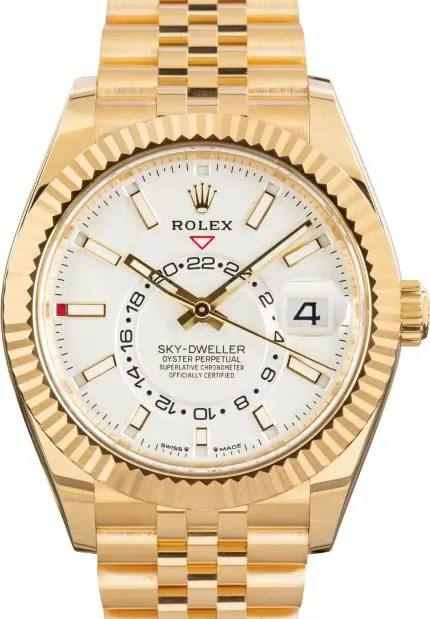
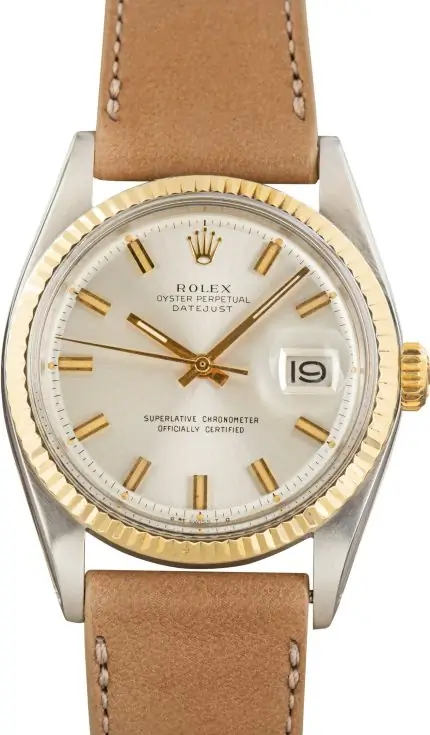
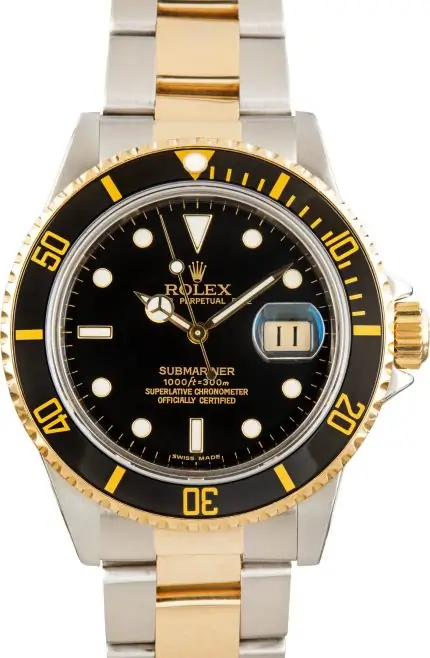
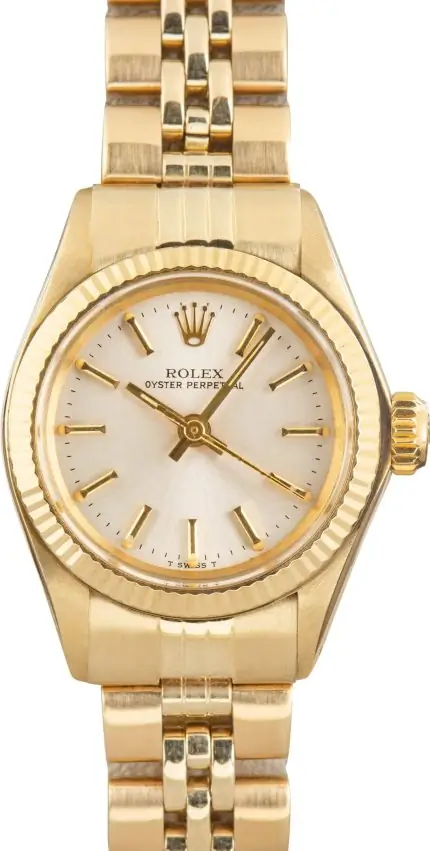
Here’s what we’ll cover:
- The big size debate – it’s about more than just millimeters.
- A model-by-model look: Datejust, Oyster Perpetual, and others.
- Your lifestyle, comfort, and wearing it for years to come.
- Why you should try it on first and where to buy safely.
- How to make your final choice.
- Wrapping it up and your next steps.
- Ready to decide?
- Common questions answered.
Let’s talk about the big size debate—it’s about more than just millimeters.
First things first, you gotta measure your wrist. No skipping this step.
Here’s the core move: measure your wrist right. Before you even think about dial colors or bracelets, grab a soft tape measure or just a piece of paper. Wrap it around the bony part of your wrist where you’d normally wear a watch.
That number is your wrist circumference. For most guys, wrists usually measure between 6 and 7.5 inches. But here’s the real key: the flat part of your wrist, the width between the bones.
A 41mm Rolex will cover more of that flat area, while a 36mm leaves more space on the sides. I found this out the hard way. My first 42mm watch looked like a dinner plate on my skinny 6.3-inch wrist. That was an expensive lesson about proportions.
Next core move: check the lug-to-lug distance. The case diameter doesn’t tell the whole story. Lug-to-lug is the distance from the top lug tip to the bottom one. It decides how the watch really fits your wrist.
Long lugs can make a watch hang over a narrow wrist, even if the case size looks right. Take some 41mm Rolex models, for instance. They’re designed with tapered lugs to wear better. A good rule?
The lug-to-lug shouldn’t be wider than the flat part of your wrist. That way, the watch sits comfy and won’t dig into the sides of your hand.
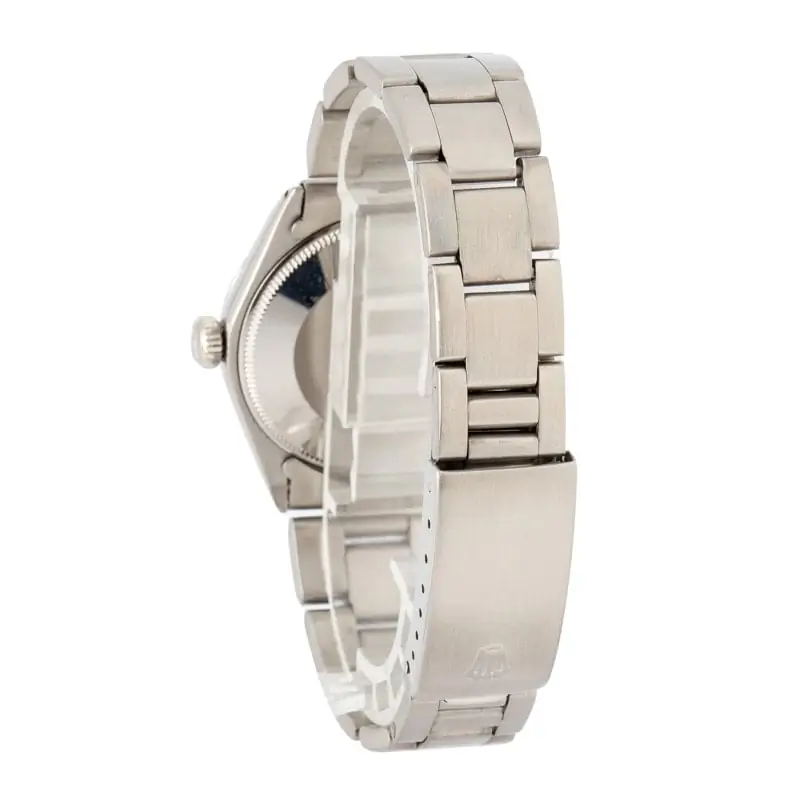
Now, let’s talk looks and how much presence it has on your wrist.
Ask yourself this: do you want a watch that makes a statement, or a subtle everyday piece? A 36mm Rolex, like the classic Datejust 36, gives you a more refined, vintage vibe. It slips easily under a shirt cuff and has that timeless, elegant feel.
The 41mm version, like the Datejust 41 or Oyster Perpetual 41, has more wrist presence. The bigger dial is easier to read and makes a bolder, more modern style statement. Just think about what you usually wear.
One of my clients, a lawyer, picked the 36mm. It vanished perfectly under his suit sleeves. His brother, a creative director, went for the 41mm as the centerpiece of his casual outfits.
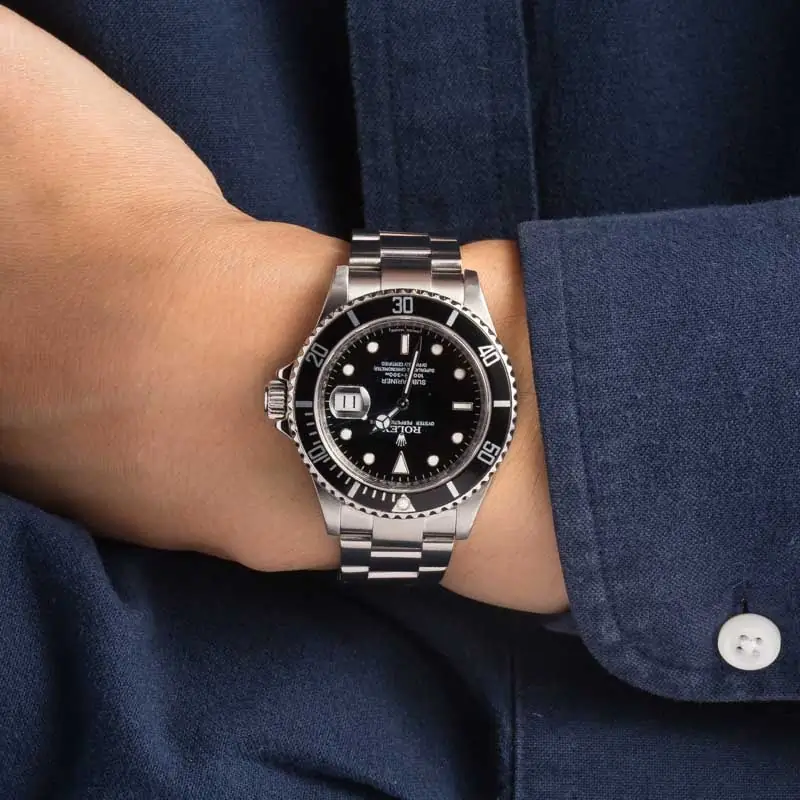
Here’s your best friend: the mirror test. Online pics and wrist shots can fool you with tricky angles. Trying them on is the most reliable way. If you can’t, here’s a clever trick: cut out 36mm and 41mm circles from paper or cardboard.
Stick them on your wrist and check yourself in a mirror from a normal distance—like you’re talking to someone. This shows you how others will see it on you, which is totally different from a close-up wrist shot. Does it look balanced, or just too much? Trust what you see in that mirror.
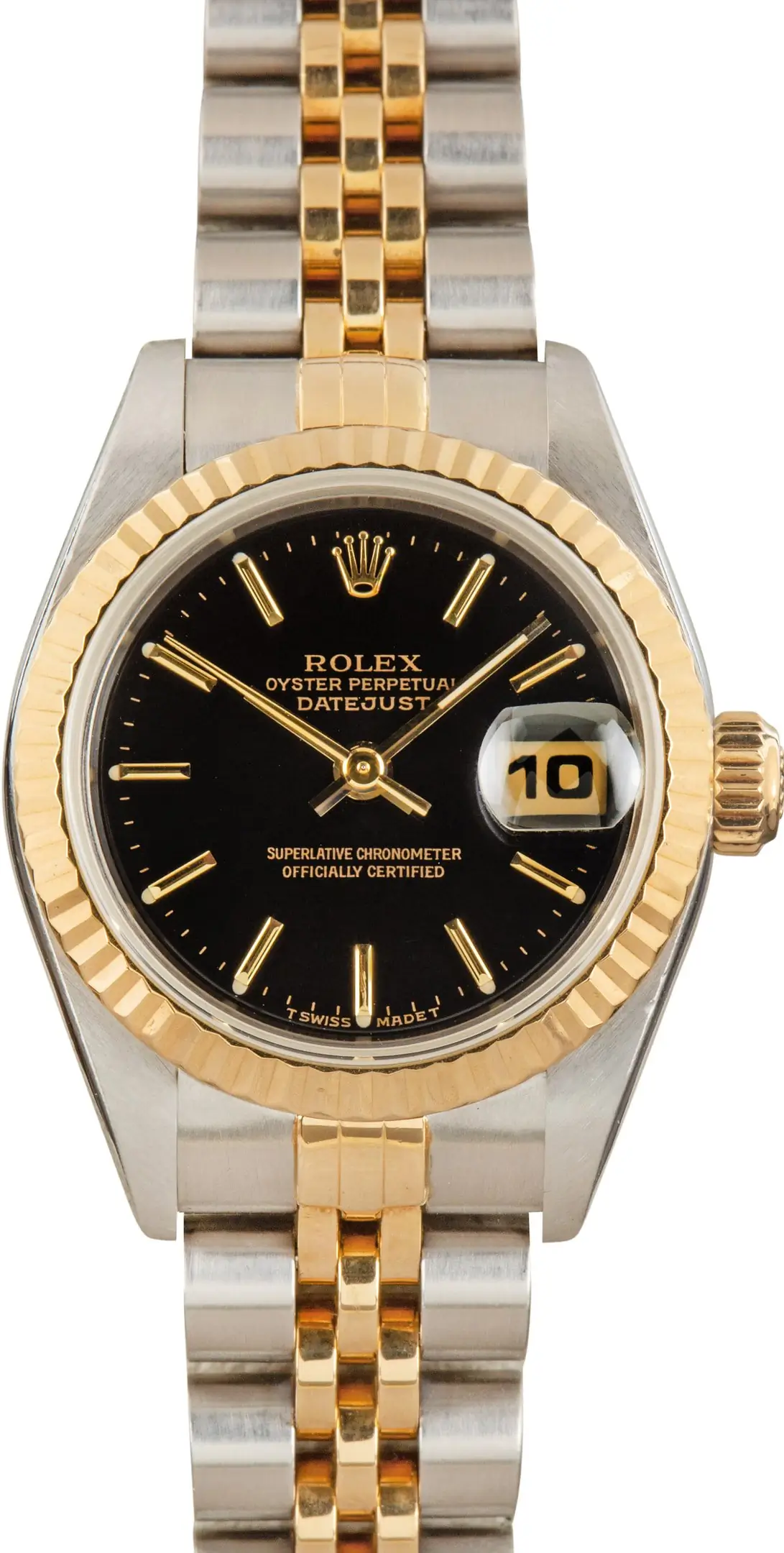
Let’s break down the specific models: the Datejust, the Oyster Perpetual, and others.
So, you’re deciding between the Datejust 36 and the Datejust 41? It’s really a choice between two classics.
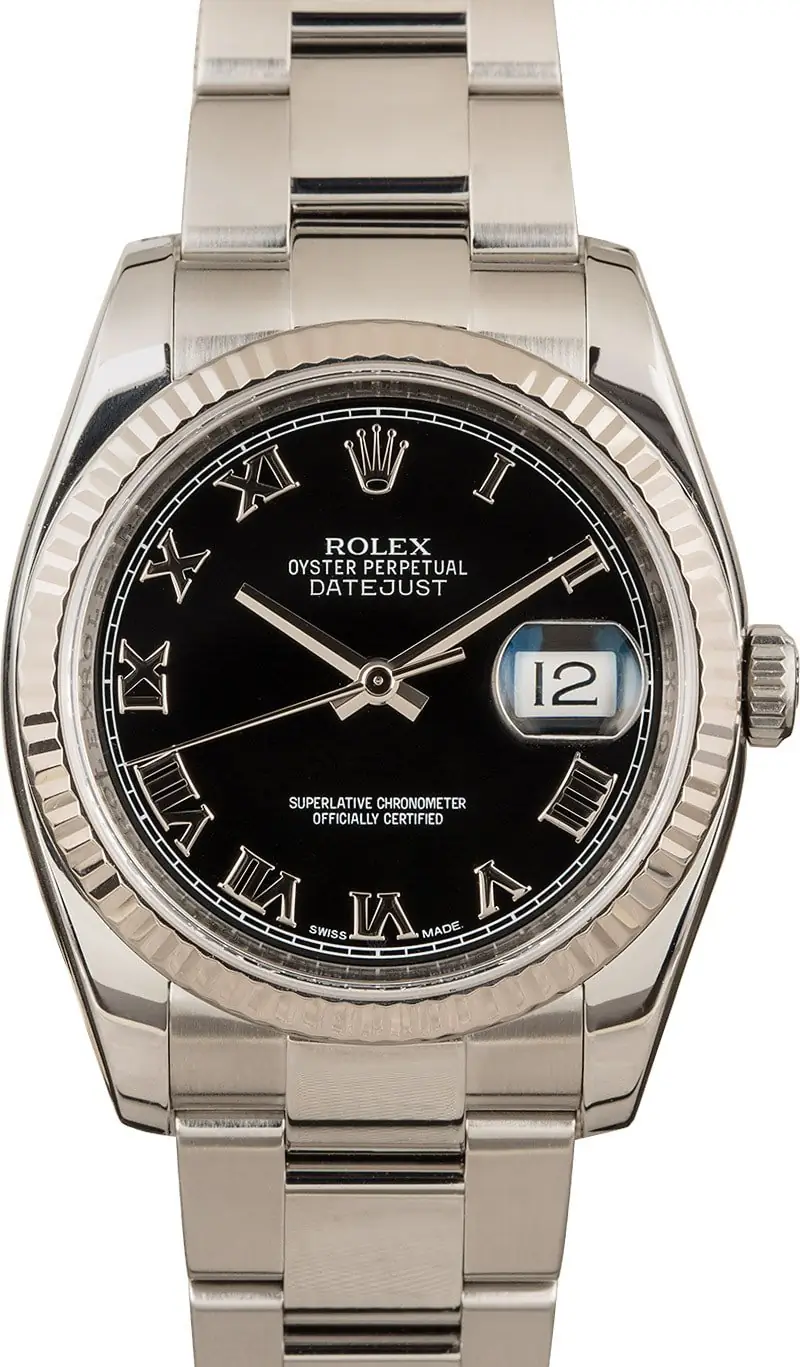
Here’s the core of the debate: the Rolex Datejust is the perfect example to look at. The Datejust 36, reference 126200, comes straight from the original 1945 watch.
It keeps that classic, balanced look, with a bezel that’s a bit domed and a date magnifier that feels just right. The Datejust 41, ref 126300, came out in 2016, and it’s not just a bigger copy. They totally re-engineered it.
It got the new Caliber 3235 movement, which is a big deal because it gives you 70 hours of power. They also made the lugs a bit wider and redesigned the Oyster bracelet, so it feels more solid. So, your choice boils down to this: do you want pure heritage, or the latest tech?
| Feature | Datejust 36 (Ref. 126200) | Datejust 41 (Ref. 126300) |
|---|---|---|
| Case Size | 36 mm | 41 mm |
| Movement | Caliber 3235 | Caliber 3235 |
| Power Reserve | About 70 hours | About 70 hours |
| Classic Design | Stays closer to the original size and shape | A more modern take |
| Best for Wrist Size | Roughly 6 inches up to about 7.2 inches | Around 6.5 inches and larger |
Now, the Oyster Perpetual: it’s all about the dial, which makes your decision pretty straightforward.
The main thing with the Oyster Perpetual is the dial’s impact. This watch line ditches the date window, so all your attention goes to the dial’s color, its size, and its clean look.
Those bright lacquer dials—think Tiffany Blue, coral red, or yellow—look totally different on a 36mm watch compared to a 41mm. On the 36mm, a bright color acts more like a fun, stylish pop.
Put that same color on the 41mm, and it turns into a bold, in-your-face statement. So if you love those bold new dial colors, ask yourself: do you want it as a highlight, or as the star of the show?
Also, that 41mm size gives you a bigger space to really see and appreciate Rolex’s amazing sunray or grained dial finishes.
Let’s talk about how it fits your life, how comfy it is, and wearing it for years.
First up, everyday comfort and how well it goes with everything.
Think about what you do every day. A watch is a tool, even a fancy Rolex. People love the 36mm because it’s so comfy all day, you might forget you’re wearing it. It’s lighter, doesn’t snag on sleeves, and slips under a shirt cuff no problem.
For a lot of folks, it’s the perfect go anywhere, do anything size. The 41mm is still super comfy—Rolex designs them well—but it’s heavier and makes more of a statement.
You’ll always know it’s there, and some people really like that feeling. If you’re active, typing a lot, driving, or using your hands, the slimmer 36mm can be a big plus.
Here’s the dressy vs. sporty thing. Both work in lots of situations, but the 36mm seems a bit more dressy to most people, especially on a Jubilee bracelet. The bigger 41mm case feels more sporty and casual, even on a dressy Datejust.
So, think about what you usually wear. If you’re in a suit most days, the 36mm might blend in better. If your style is more smart-casual or tough, the 41mm could be the ideal centerpiece.
Now, about holding its value and what collectors think.
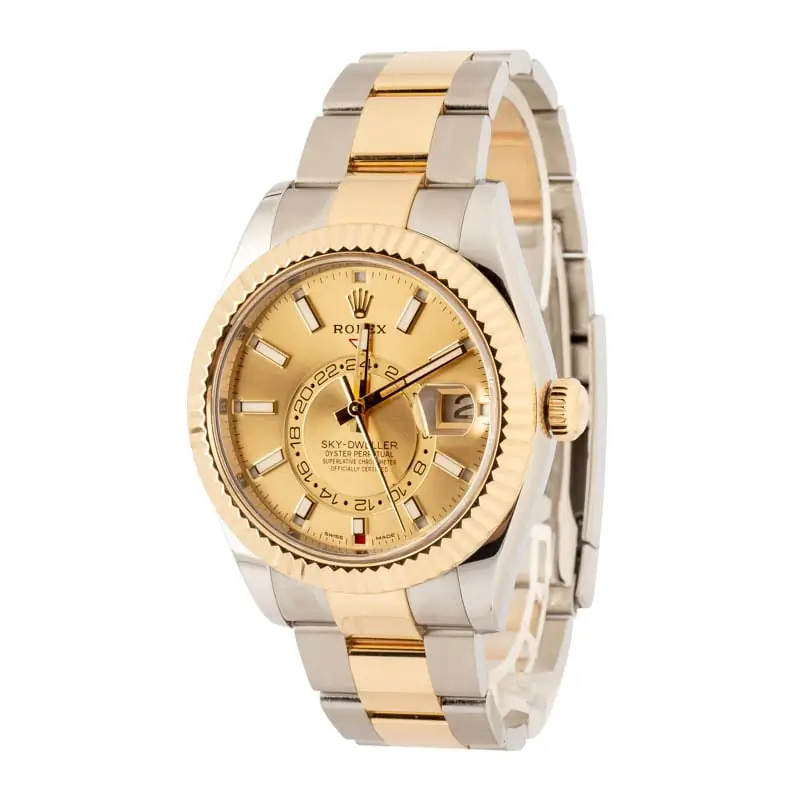
Look at the market. Both the 36 and 41 hold their value incredibly well. That’s thanks to the Rolex name and its top-notch certification for accuracy and waterproofing. For decades, 36mm was the classic size, so it has that timeless appeal.
But over the last 20 years, bigger watches got trendy, so the 41mm got really popular and in demand. Right now, the 41mm might be a tiny bit hotter in the general market.
But collectors who love vintage and classic styles are always hunting for perfect 36mm models. Your own fit is the most important thing. But it’s good to know that either one is a solid investment.
| Lifestyle Factor | Leans Towards 36mm | Leans Towards 41mm |
|---|---|---|
| For a formal office | 36mm is great (slim profile) | 41mm is okay |
| For active or casual wear | 41mm is okay | 41mm is great (makes a statement) |
| Smaller Wrist ( lt;6.5) | Strongly consider the 36mm | Definitely try the 41mm on first |
| Larger Wrist ( gt;7) | 36mm is a classic choice | 41mm will fit naturally |
| If it’s your first luxury watch | 36mm is a safe, timeless pick | 41mm is a more modern, bold pick |
Trying Before Buying Trusted Sources
The Irreplaceable Value of an In-Person Try-On
First thing you gotta do: go to an Authorized Dealer, or AD. It’s the most important step by far. Pictures and specs just can’t show you how it really feels—the weight, how the light hits the bezel, or how the bracelet fits your own wrist.
The AD will have demo models for you to try. Make sure you try both the Rolex 36 and the 41, ideally with the same bracelet style, like Oyster or Jubilee. Wear each one for a bit, move your wrist, and check them out in different lights.
See which one makes you grin more. Buying from an AD means you’re getting a real Rolex with the full warranty, which is a must for a big purchase like this.
Next up, get some advice from other watch lovers online. Places like watch forums or the r/Watches subreddit are full of real-life tips. Look for photos of the Rolex 36 and 41 on wrists that are about the same size as yours.
Read what people say after owning one for a while. Do they talk about it being uncomfortable after a year? Does the bigger size stop feeling special over time? This kind of advice from tons of owners gives you info you just can’t get from a spec sheet.
Making Your Final Decision
Synthesizing the Data for Your Verdict
Here’s a core thing to do: make your own decision matrix. Start by listing your top 5 priorities. Your list might have things like: comfort for wearing all day, how well it goes with your clothes, its future resale value.
that timeless classic feel, or a more modern look. Then, take both the Rolex 36 and the 41, and score them from 1 to 5 on each of your priorities. Base this on what you’ve learned and how they felt on your wrist.
The one with the higher score isn’t necessarily the better size for everyone. It’s the one that fits *your* life best. For me, comfort and classic style were most important. That’s why I went with the 36mm Explorer, and I’ve never looked back.
Here’s another key step: trust your gut. After all that thinking, just close your eyes. Picture the 36mm on your wrist, then the 41mm. Which picture feels more like you? Your gut often knows the answer before your brain does.
The right Rolex should feel like an old friend right away, not like you settled for it. Remember, both are magnificent, precision-engineered instruments bearing the Rolex crown and Superlative Chronometer certification.
a testament to their performance within -2/ 2 seconds per day. You’re really just picking between two fantastic options.
Conclusion and Final Action
Choosing between a Rolex 36 and a 41 is really a personal journey. It’s all about finding what fits you, matches your style, and feels like you.
There’s no one-size-fits-all answer here. The perfect choice just depends on you and your wrist. The classic 36mm gives you that timeless, elegant look and it’s super comfortable.
On the other hand, the contemporary 41mm has a bolder presence and is easier to read with its modern style. Whichever you pick, you’re getting Rolex’s famous craftsmanship and top-notch, certified performance.
So, measure your wrist, get to know the differences between the models, and think about your daily life. Doing that will help you go from feeling unsure to owning your choice with confidence.
Action Call (CTA):
Still trying to decide between a Rolex 36 and 41? Tell us your wrist size and what’s holding you back in the comments. Let’s talk it out!
Want more info on how Rolex sizes have changed over time? Check out our full guide, Decoding Rolex Case Sizes Through the Decades.
Here are some common questions people ask.
So, you’re wondering if a 41mm Rolex is too big for a 7-inch wrist?
Not at all! A 7-inch wrist is actually perfect for a 41mm watch. It’ll give you a solid look that’s not too big, and Rolex’s lugs are designed to fit really well. It’s a super popular and balanced choice for that size wrist.
What about the Rolex 36mm? Does it look too small for a guy?
A lot of people worry about this, but it’s mostly a modern thing. For ages, 34 to 36mm was the normal size for a man’s watch. A 36mm Rolex looks classic, elegant, and just right—not small at all.
If your wrist is under 7 inches, it often looks better and more refined than a bigger watch. It shows you’ve got confident, understated style.
Besides the size, what’s the big difference between the Datejust 36 and 41?
They both have the same Caliber 3235 movement inside. The real differences are in how they’re shaped and designed. The Datejust 41 was completely redesigned.
It’s got wider lugs, slightly broader bracelet links, and a more modern case to match the bigger size. The 36mm keeps much closer to the original Datejust look.
Okay, which one holds its value better, the Rolex 36 or 41?
Both keep their value really well because everyone wants them. Trends change, but right now, the 41mm is a bit more in demand with most buyers today. But classic and vintage watch lovers are always after the 36mm.
so its value stays strong and steady over time. In the end, the exact model, its condition, and the dial you pick matter way more for value than just the 5mm size difference.