
Why Does My Rolex Gain Seconds Daily?
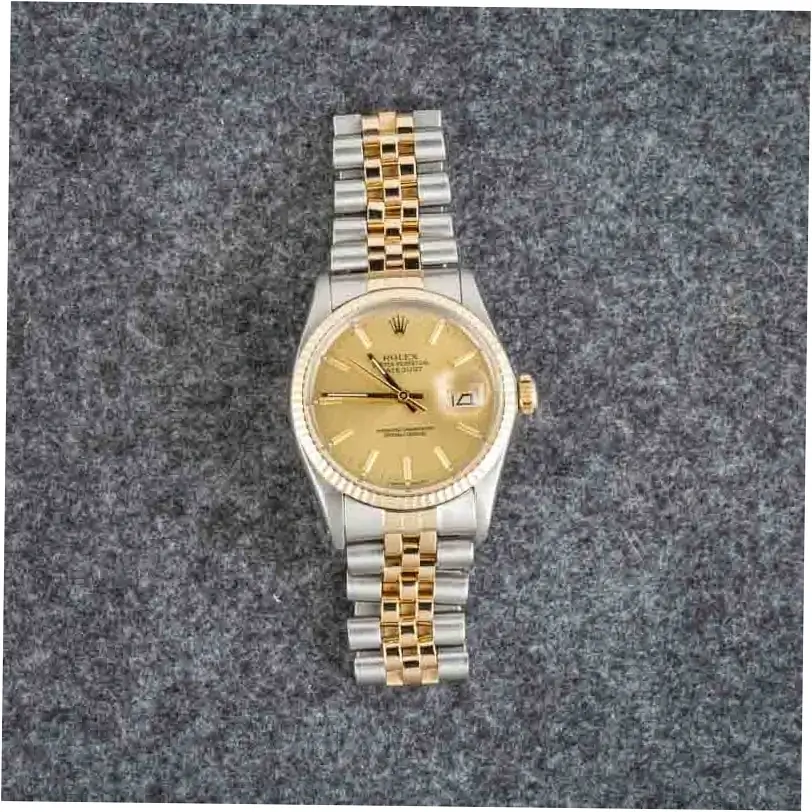
Why Does My Rolex Gain Seconds Daily?

If you notice your Rolex running a few seconds fast every day, it can really puzzle you. This small time gain is pretty common. It happens because of how the mechanics work, the environment, and just wearing it every day. Sure, a perfectly tuned watch is the goal. But the truth is, even top-notch watches like Rolex have a bit of wiggle room. To get why your Rolex gains seconds, if that’s okay, and what to do, you need to look at how the movement works, how daily wear affects it, and Rolex’s own tough standards. This guide will dig into the real reasons for the gain and give you some practical tips.
Recommended Products
You might be interested in these products
Table of Content
Let’s talk about how precise mechanical watches are and what’s considered acceptable.

The science behind why watches gain or lose time.
Here’s the core idea: all mechanical watches, Rolex included, naturally run a little fast or slow. The watch’s speed depends on the balance wheel’s swing.
Things like gravity, how you position the watch, and the mainspring’s power can change that swing. If your watch runs a bit fast, it’s usually because that balance wheel is swinging just a touch too quickly.
As the famous watchmaker George Daniels once said, trying to get perfect timekeeping on your wrist means making peace with physics. Rolex certifies its watches as Superlative Chronometers.
guaranteeing an average daily precision of -2/ 2 seconds per day when tested in the brand’s laboratories under specific conditions. So, that -2/ 2 range is your first clue for checking if your watch’s gain is normal.

Understanding Rolex’s Superlative Chronometer Standard
Defining the Benchmark: The -2/ 2 seconds per day specification is a key performance indicator. It’s key to remember this is an average. They measure it sitting still over a full day. But your actual daily gain can jump around.
For instance, if your watch gains 5 seconds on Monday, loses -1 on Tuesday, and gains 2 on Wednesday, its average is still within an acceptable range.
For certification, Rolex puts the cased-up watch through a week of tests that mimic real wearing conditions. This tough testing makes sure it’s reliable. But your daily routine—how you actually wear it—adds variables.
My own experience as a watch enthusiast with a certified chronometer course background confirms that a consistent daily gain of 3 to 5 seconds is often considered excellent performance in real-life scenarios, even if it slightly exceeds the lab-perfect -2/ 2 range.
So, your Rolex is running a bit fast? Here are the usual reasons why.
Impact of If it’s magnetized, and Positional Error
The main suspect is often magnetization. It’s super common but also pretty easy to fix when your watch suddenly speeds up. Things like laptops, tablets, speakers, or medical gear give off magnetic fields.
If your Rolex gets too close, the tiny hairspring inside can get magnetized. Its coils then stick together, making the balance wheel swing faster. A magnetized watch might gain minutes every single day.
Then there’s positional error. That just means your watch runs at slightly different speeds depending on how you leave it overnight—like face-up, or on its side.
If you always put it down in a position that makes it run fast, those extra seconds will just keep adding up. For instance, leaving it with the crown pointing up could make it gain a few seconds versus lying flat on its back.
Wearing Habits and Power Reserve Effects
Your daily habits and how wound up it is also play a part. Really active, jolty movements can throw the balance wheel’s rhythm off a tiny bit. Plus, how much you’ve wound the mainspring changes the power and speed.
So a fully wound Rolex might run just a smidge faster than when it’s almost out of juice. That’s why you get a truer sense of its speed by checking it over a full wind cycle—like 48 to 70 hours for newer models—not just one day.
Try a simple test: see how much it gains over a weekend when you’re wearing it fully wound, then compare that to when it’s just sitting on a holder, winding down.
| Cause | Typical Effect on Daily Rate | Ease of Resolution |
|---|---|---|
| If it’s magnetized, | 20 seconds to several minutes fast | Fixing it is easy, though. You just need a demagnetizer or a quick trip to a pro. |
| With positional error, like storing it crown-up, | 2 to 10 seconds fast in that position | The fix is pretty straightforward: figure out which position causes it and just stop leaving it that way. |
| If it just needs a regulation, | Consistently 5 to 15 seconds fast | Sorting this out is a bit trickier—you’ll likely need a watchmaker to tweak it. |
| As for the winding state, whether it’s full or low, | Variation of /- 1-3 seconds | The solution’s easy: try to keep a consistent winding routine. |
How to Accurately Measure Your Rolex’s Daily Gain
Proper Timekeeping Check Methodology
Here’s how to measure it step by step. First, you need a solid baseline to figure out if your Rolex is really gaining a few seconds too many. Start by syncing your watch with a super accurate source, like the atomic clock on time.gov.
Then, just wear it and wind it like you normally would for a full day. After 24 hours, check how much it’s off by comparing it to that atomic clock again. Do this for about 3 to 5 days to get an average of its daily gain.
Don’t keep checking it all day long. That won’t show you how it runs when you’re not wearing it, like overnight. Here’s a pro tip from my experience: remember how you leave it at night, say on its side in the box. Keeping things consistent is the key to getting an accurate read on that daily gain.
Tools and Apps for Precision Tracking
You can use tech to help. A notepad is fine, but some apps make tracking the gain easier. Enthusiasts often use the Toolwatch app to log how many seconds it’s off each day. Or, try a mic-based app that listens to the ticking.
Those are better for spotting big errors, though. But if you want the most accurate check without fancy gear, averaging it manually over several days is still the best way to go. This helps you tell if your Rolex has a real, steady fast gain or if it’s just random day-to-day changes.
So, when should you get your Rolex looked at by a pro?
Here’s how to spot the signs you need a watchmaker.
Thresholds for Action: If your watch consistently gains more than 5 to 6 seconds per day over a week and this inaccuracy bothers you, it may be time for regulation.
Other warning signs include a sudden, drastic change in rate (e.g., from 2 to 25 seconds), or the gain being accompanied by audible ticking irregularities.
Regulation is just a fancy term for a precise tweak to the balance wheel or hairspring, done by a skilled watchmaker. It’s a standard part of any good watch service. Famous watchmaker Roger Smith put it well: a watch’s timing is its voice.
Listening tells you how healthy it is. A sudden big gain in seconds is basically your watch yelling for help.
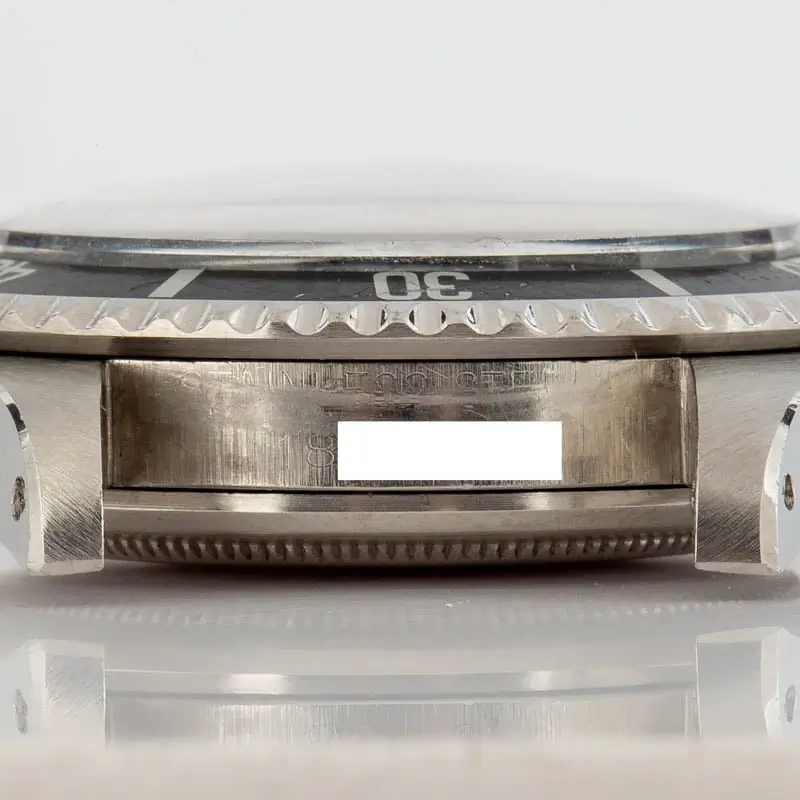
What happens if you send it to a Rolex Service Center?
The official route means sending your watch to a Rolex Service Center or an authorized pro. They don’t just tweak the rate; they give it a full check-up. They’ll demagnetize it, clean the movement, and then regulate it in different positions.
The goal is to get it running within Rolex’s tight specs. This is usually done as part of a full overhaul, which Rolex suggests every 10 years or so. Just a heads-up: after service, your watch might run a bit differently.
That’s because it’s been reset to a fresh, factory-style calibration. Cost and time for just a regulation (not a full service) can vary. Your best bet is to chat with an authorized pro first.
| If it’s gaining on average… | Recommended Action | Expected Outcome |
|---|---|---|
| 0 to 4 seconds | Do nothing. That’s excellent performance for a Rolex. | Just enjoy your accurate watch. |
| 5 to 10 seconds | Keep an eye on it. See if it’s consistent. Check if it’s magnetized (a common cause). You could also try positional adjustment overnight. | You might be able to improve it yourself with these simple steps. |
| Consistently over 10 seconds | Time to see an authorized watchmaker. They can diagnose it and likely do a regulation. | This should get it back to running much more accurately. |
| A sudden jump of more than 30 seconds fast | It’s probably magnetized or has a mechanical glitch. Definitely get it to a professional. | They’ll figure out the exact problem and fix it. |
Here’s how to keep your Rolex running right for the long haul.
Let’s talk about the best ways to store and wind your watch.
Want to keep the time steady? Start with some simple habits. When you’re not wearing it, pick a spot and stick to it. If it gains seconds crown-up, flip it over or lay it on its side. That can help balance things out.
Go easy on the watch winder. Keeping it spinning all the time just wears it out faster for no real reason. Got a manual-wind or an automatic you don’t wear much? Just wind it gently now and then. Keep it away from magnets!
That means speakers, fridge doors, and magnetic bag or iPad clasps. A cheap little demagnetizer is a great tool to have. Use it every so often if you’re into this stuff.
Your watch’s movement gets older, just like anything else.
Here’s what to expect over the years. The oils dry up, tiny parts wear down, and the hairspring shifts a bit. It’s all normal for a precision machine. A watch that ran at 1 second per day when new might gradually shift to 4 seconds over five years.
That’s totally normal. Getting it serviced every 7 to 10 years hits the reset button. They swap worn bits and add new oil to get it running like new again.
Chasing a perfectly static 0 seconds per day throughout a watch’s life is an unrealistic expectation that can lead to over-servicing. Part of owning a mechanical watch is loving its little quirks and the character it develops.
So, to wrap it up: if your Rolex is fast by a few seconds, that’s usually just how a mechanical watch works in the real world. It’s often still well within what Rolex promises.
Once you know why it happens—magnets, how you store it—and how to check the gain, you’ll know if you can fix it yourself or need to see a pro. Just remember, gaining a few seconds shows there’s a living, breathing machine on your wrist. It’s not always a problem.
Want to know more about looking after your Rolex? Drop your own stories or questions about keeping time in the comments! Or, check out our guide on how to demagnetize your watch at home for a handy next step.
Here are some common questions people ask.
So, your new Rolex is running a bit fast?
Yeah, that can totally happen. While Rolex tests to a strict -2/ 2 seconds per day standard in the lab, real-world wearing conditions, your specific motion patterns, and how you store the watch overnight can cause it to run slightly faster.
A consistent gain of up to 5 seconds per day is generally considered very good performance for a mechanical watch in daily use.
Thinking about slowing your Rolex down yourself?
I’d really advise against that. Getting the timing right needs special tools and know-how for that specific movement. You also need a super clean spot to work, or you might let dust in or even damage something.
If you tweak it wrong, you could mess up the delicate hairspring or balance wheel. So, for any timing adjustments, always take it to an authorized Rolex watchmaker or service center.
What’s it gonna cost to fix a fast-running Rolex?
Sometimes the problem is just magnetism. A watchmaker can often demagnetize it for a small charge, or sometimes even for free if you’re just getting it checked.
If it needs a full service that includes regulation, you’re looking at around $800 or more to start. The final price depends on your model and what parts it needs. Just a simple timing adjustment by itself costs less, but you still need a pro to do it right.
Does a watch winder make a Rolex run fast?
Not really, no. What a winder does is keep the mainspring wound up. This helps keep the power steady, which can actually lead to more consistent timekeeping.
But here’s the catch: if you put the winder near something magnetic—some motorized bases have this issue—it could magnetize your watch. And *that* will definitely make it run fast. The winder itself doesn’t change how the movement is calibrated.
