
Why Won’t My Rolex Run After Wearing It?
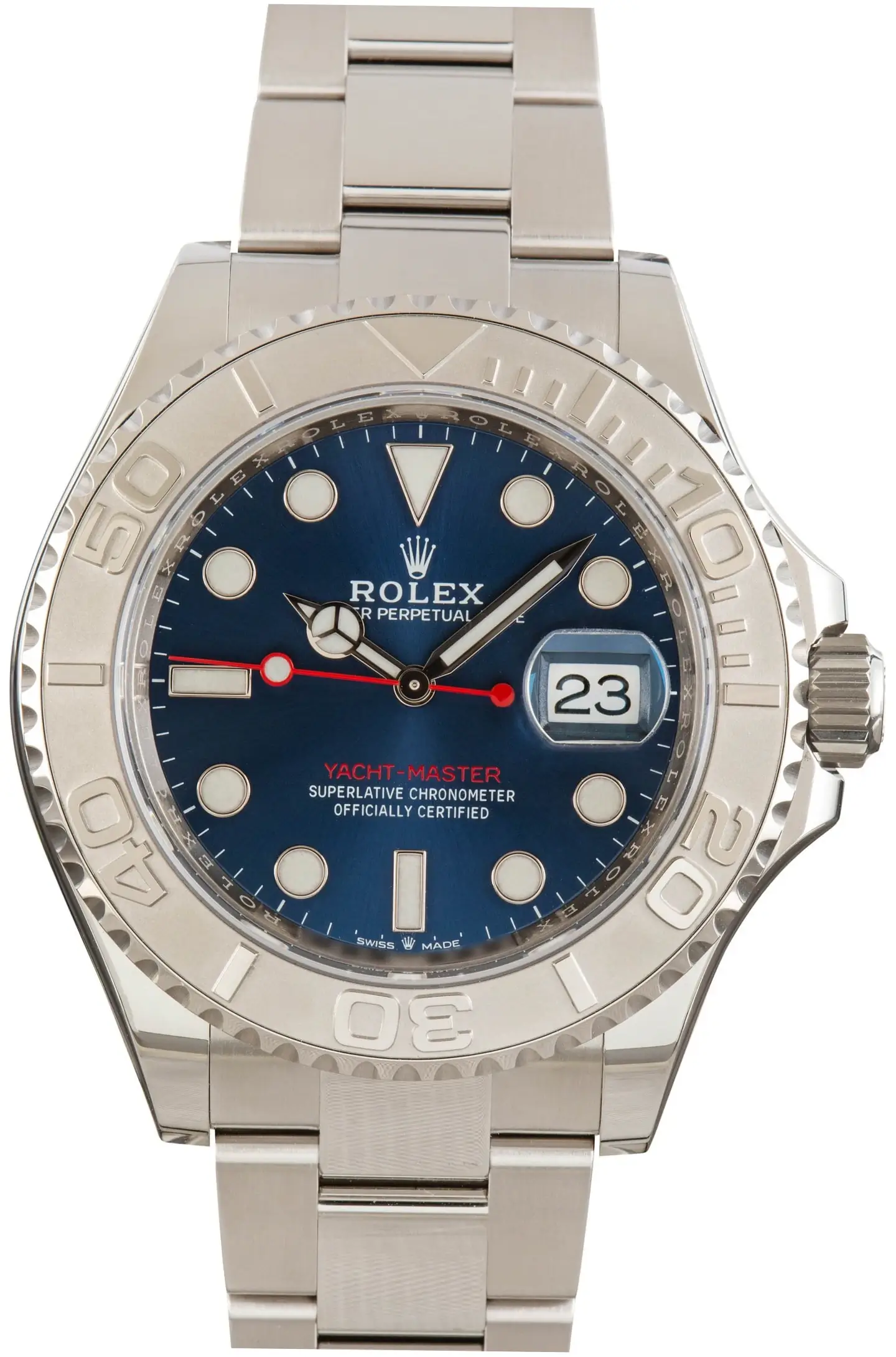
Why Won’t My Rolex Run After Wearing It?

You put on your favorite Rolex, hoping to see that second hand glide smoothly, but it’s just stuck there, not moving at all. It’s really annoying when your luxury watch stops running right after you put it on. But this happens more often than you’d guess, and it usually doesn’t mean something major is broken. Most of the time, the problem comes from simple stuff that’s easy to fix. It could be something with the watch’s inner workings or even how you wear it. This guide will clear things up about why your automatic Rolex won’t run. Don’t panic—we’ll get to practical fixes. We’ll talk about power reserve issues, magnetization, and even the details of that perpetual rotor.
Recommended Products
You might be interested in these products
Table of Content
- Here are the common reasons your Rolex stops while you’re wearing it.
- Sometimes, mechanical problems need a pro to look at.
- Things around you and how you use the watch can also affect it.
- Let’s go through a step-by-step guide to figure out what’s wrong.
- Knowing when and how to get professional service is key.
- A little preventive care and good habits go a long way.
- Ready to get your Rolex going again? Tell us about your own experience with a watch that just won’t run in the comments. Or, check out our full guide on Rolex service schedules and costs to set up the best care plan for your timepiece.
- Here are answers to some frequently asked questions.
Here’s why your Rolex might stop while you’re wearing it.
First up, let’s talk about winding and power.
Your Rolex is a self-winding watch, which means it runs on the movement of your wrist. When you move your wrist, it swings a little rotor inside that winds up the mainspring.
If you leave it sitting still for more than two days, it’ll run out of juice. Just putting it on and walking around for a bit might not give it enough power to get going and keep ticking.
You really need to wear it and be active for a good half hour or so to charge it up properly. If you’re not very active or the watch is loose on your wrist, it won’t wind as well.
Before you think something’s broken, try giving it a manual wind first. Unscrew the crown all the way until it pops out, then turn it clockwise maybe 30 to 40 times. You’ll feel a bit of resistance when it’s fully wound.
This gives it the initial kick-start it needs. Most newer Rolexes can run for about two to three days on a full wind. If it runs after you wind it but quits again after a normal day, you might just not be moving enough to keep it wound automatically.
Next, let’s look at bumps and magnets.
Magnetization is a sneaky problem. Common stuff like speakers, fridge magnets, or even your phone case can magnetize the tiny hairspring inside, which is like the watch’s heart.
When that spring gets magnetized, the coils can stick, making your watch run super fast, go crazy, or just stop dead. A quick way to check is to hold your watch near a compass. If the needle moves, your watch is probably magnetized.
This happens a lot and doesn’t cause permanent damage. Any watchmaker can fix it with a quick, cheap demagnetizing treatment.
Even though Rolexes are tough, a hard knock can still mess up the delicate insides. A bad bump could knock a gear loose, damage a tiny part, or make the hairspring get caught on something.
So if your watch stopped right after you dropped it or whacked it on something, a physical shock is probably to blame. Unlike a magnet issue, this usually means you need a pro to look inside and fix any damage.
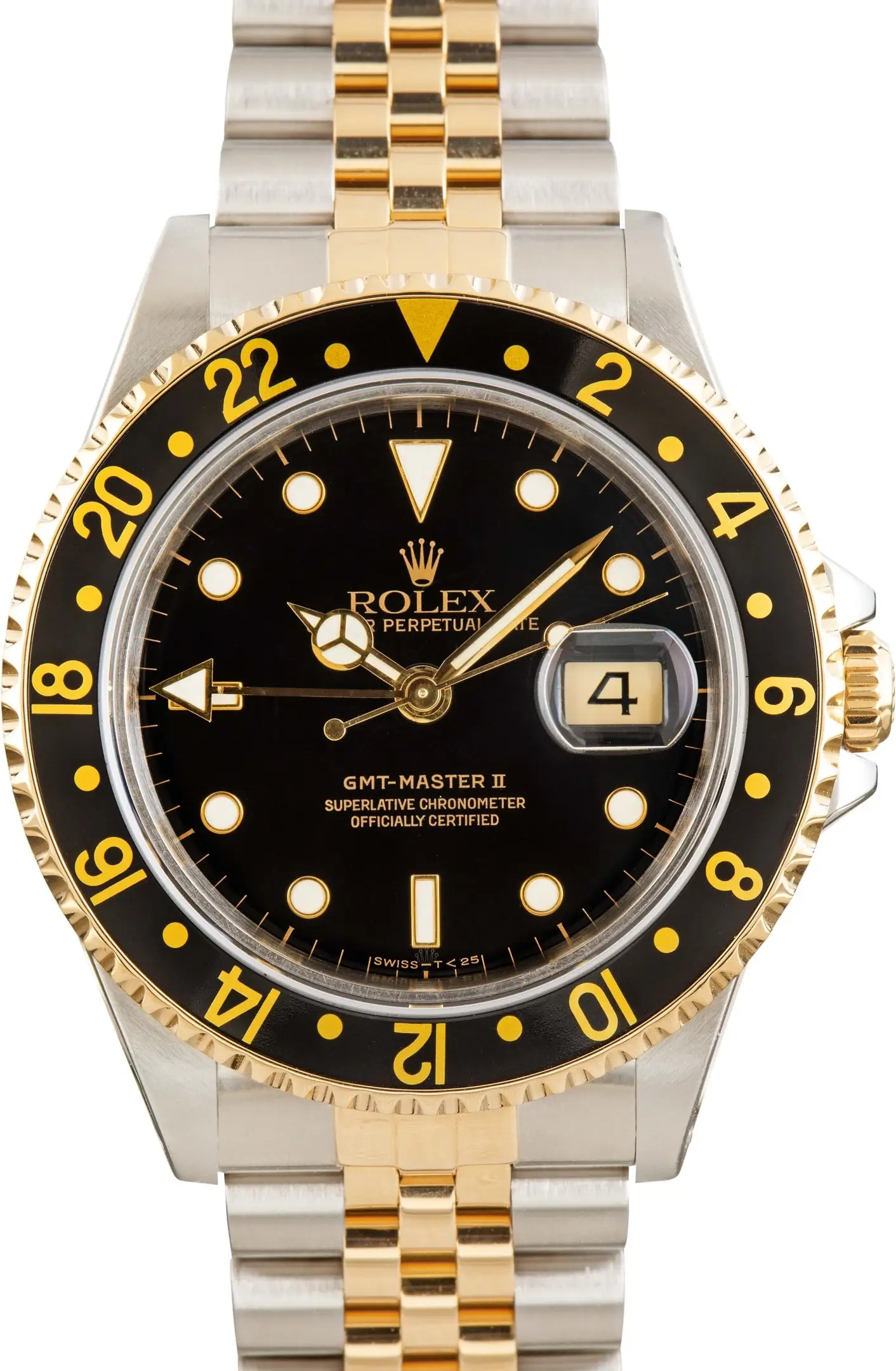
Some mechanical problems really need a pro to look at them.
Let’s talk about issues with the rotor and the winding parts.
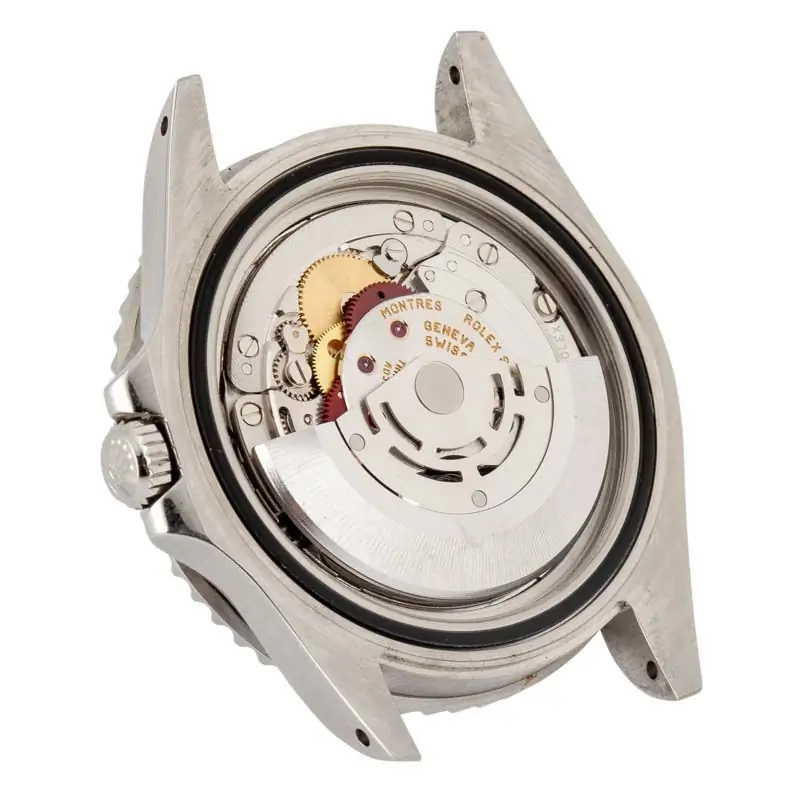
Here’s the core of it: figuring out if the rotor is stuck or loose. That little automatic winding rotor needs to swing around easily. Give your watch a gentle shake. Hear a loud grinding or a clear rattle?
That’s a sign the rotor might be loose, or the bearings inside are worn out. On the flip side, if it’s jammed, it can’t do its job of winding up the mainspring. Now, slowly turn the watch in your palm.
You should feel a gentle, smooth weight moving around inside. If you don’t feel that, or you hear weird noises, there’s probably a problem with the rotor.
This stops the energy from your wrist movement from getting stored as power. That’s why your Rolex keeps stopping, even after you’ve been wearing it.
Another key part is the reversing wheels. These tiny wheels in the winding system make sure the rotor winds the spring, no matter which way it swings. After years of use, the teeth on these wheels can wear out.
Or, the old lubricant inside can get gunky and thick. When that occurs, the winding just doesn’t work well anymore. Your watch might only wind when the rotor swings one way, not the other. This means it gets power inconsistently.
This is classic wear and tear. It’s pretty common in older Rolex watches that haven’t had regular check-ups.
| Symptom | Possible Cause | User Action |
|---|---|---|
| Stops after being off wrist for 2 days | …the power reserve is just plain empty. | Try giving it a good manual wind, about 30 to 40 turns of the crown. |
| Is it running fast, gaining minutes every day? | It might be magnetized. | You can check with a compass. If it is, you’ll need to get it demagnetized. |
| Does it stop even though you’re wearing it a lot, and you hear noise from the rotor? | That points to a faulty rotor or a problem in the winding mechanism. | This one needs a professional to take a look. |
| Did it stop right after you know it took a knock or a drop? | That’s likely shock damage from the impact. | Get it to a watchmaker right away for an assessment. |
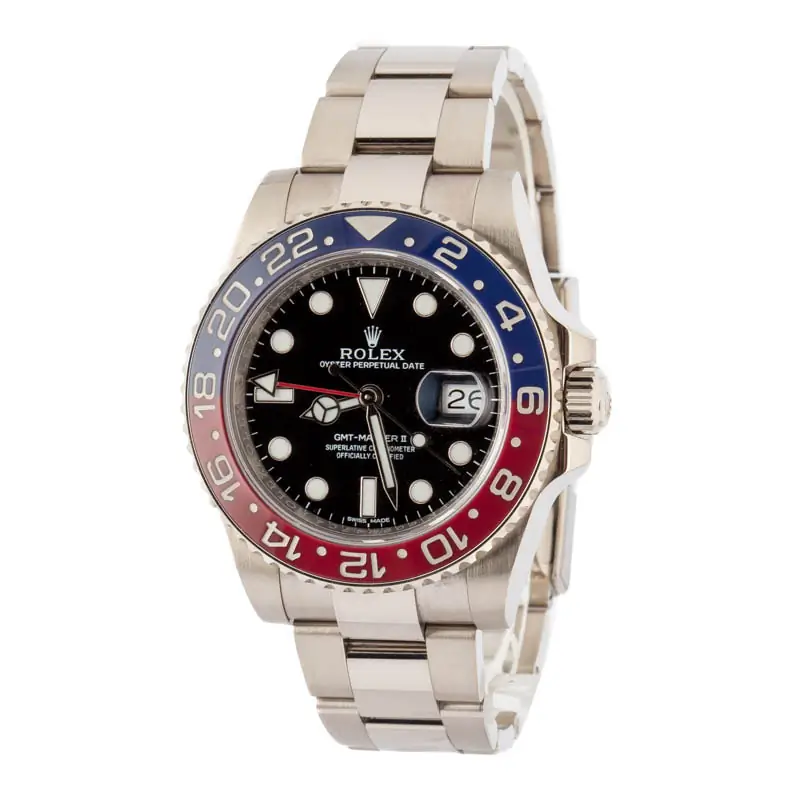
Environmental and Usage Factors
Temperature Extremes and Lubricant Performance
Here’s the deal with how your Rolex runs: it needs special oil to keep things moving smoothly and cut down on friction. If it gets too cold, that oil can get thick and gummy. That makes the parts harder to turn and can totally stop your watch.
On the flip side, really hot temperatures can dry the oil out or make it move away from the tiny spots that really need it. So, if your Rolex quits after a big temperature change—maybe you left it in a freezing car all night or wore it in a sauna—the oil is probably the culprit. That’s exactly why Rolex says to get it serviced regularly. During a service, they clean out all the old gunk and put in fresh oil that’s just right for your watch.
Now, about keeping it wound when you’re not very active. If you’re mostly at a desk or driving all day, your automatic Rolex might not get enough jiggle from your wrist to keep it fully wound up. That’s not a flaw in the watch.
it’s just how these self-winding mechanisms work. The fix is simple: get in the habit of giving it a manual wind now and then, or pop it on a watch winder if you don’t wear it every single day.
A winder just gives it a little turn every so often, like your wrist would. This keeps the oil spread around and your watch ready to go when you are.
| Wearing Habit | Risk for Stoppage | Preventive Measure |
|---|---|---|
| If you have a desk job | the risk is high | so just wind it by hand each morning. |
| If you only wear it once or twice a week | Very the risk is high | a good watch winder is your best bet. |
| For active jobs or manual work | stoppage risk is low, but you gotta watch out for bumps and knocks. | Just make sure the crown is screwed down tight. |
| If your day has a good mix of activity | the risk is low | and you usually don’t need to do anything extra. |
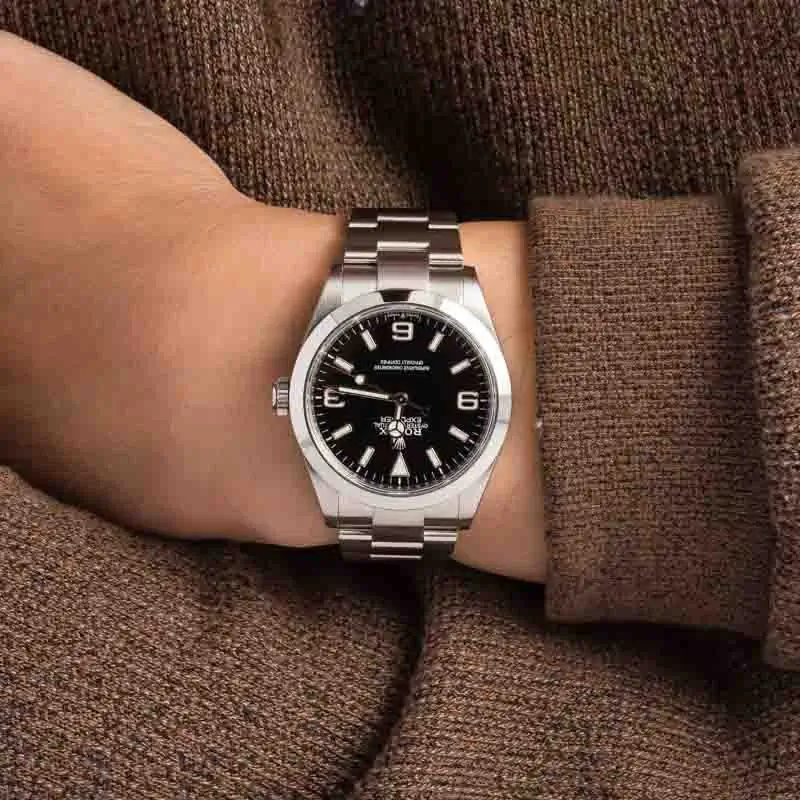
Here’s a step-by-step guide to figure out what’s wrong.
First, let’s do some quick checks.
Start with this four-step check before you think about taking your Rolex in for repair. Step one: give the crown a good wind, about 30 to 40 turns. Next, gently shake the watch side-to-side near your ear.
You should hear the rotor moving smoothly. If it’s grinding or totally silent, that’s a bad sign for your Rolex not running. Then, pull the crown out to the second click to set the time.
If the hands move without a hitch, the basic gears are probably okay. Finally, make sure you screw the crown all the way back in after winding. A loose crown lets moisture get inside and can mess with how your watch runs.
A lot of the time, just doing these steps fixes the problem of your Rolex watch not running after wearing.
For the more tech-savvy folks, you can try a timegrapher app. It’s not as good as pro gear, but apps like Watch Accuracy Meter on your phone can give you some hints.
Just put your watch on something soft, open the app, and it’ll measure the beat rate and amplitude. If the amplitude is really low—say, under 200 degrees—it might mean there’s not enough power or the oil has dried up.
A wildly high beat error or rate (e.g., 100 seconds/day) strongly indicates magnetization. This info can help you talk to a watchmaker, but remember, they’re the pros who should make the final call on why your Rolex stopped running.
When and How to Seek Professional Service
Identifying Signs of Necessary Service
Core Operation: Evaluating Service Interval and Symptoms: Rolex says you should get it serviced roughly every ten years, but really, it depends on how much you wear it.
So, if your watch is getting close to that ten-year mark or has already passed it, and it’s showing signs like stopping, keeping bad time, or fogging up inside the glass, then a full service is definitely needed.
Other warning signs to look out for are stuff like seeing dust or specks inside the watch, the winding crown feeling stiff or hard to screw in, or the automatic rotor just not moving at all when you shake it.
If you’ve tried the simple fixes and the problems keep happening, it’s almost sure there’s a mechanical issue inside that needs a pro to take it apart.
Core Operation: Choosing Between Rolex Service Center and Independent Watchmaker: Got a newer Rolex that’s still under warranty? You should always take it to an Official Rolex Service Center.
That way, you keep the warranty valid and make sure everything stays authentic. For older models, though, a good independent watchmaker who knows their way around a Rolex can be a great choice.
They often do a fantastic job for less money and get it back to you quicker. Just make sure they use real Rolex parts or top-quality substitutes, and that they pressure-test the watch after the service to check it’s watertight. Oh, and always ask for a detailed quote before they start any work on it.
Preventive Maintenance and Best Practices
Daily Care for Optimal Performance
Here’s a core tip for keeping your Rolex running: set up a good winding and wearing routine. Stick to consistent habits to stop it from quitting on you later. If you’re wearing it every day, just give it a full manual wind once a week.
That way, you know it’s starting with a full tank of power. Got a watch rotation going? Think about getting a programmable watch winder. Set it for a gentle spin—around 650 to 800 turns a day—and make sure it gives the watch some breaks too.
Oh, and keep it away from strong magnets. When it’s off your wrist, tuck it away somewhere cool and dry, out of the sun. This helps keep the oils inside fresh and stops the materials from wearing out.
Another key thing: check the water resistance regularly. Even tough guys like the Submariner have gaskets that can wear down and let water in. Get a pro to check it every year or two, especially if you ever get it wet.
A little moisture getting inside is a top reason the movement rusts and the watch suddenly stops. It’s a simple check—like when you change a battery in other watches—but it’s super important. It’s basic preventive care to keep your mechanical Rolex healthy for the long haul.
So, to wrap it up, if your Rolex stops after you’ve been wearing it, don’t panic. It’s usually just a puzzle you can solve, not a disaster. To go from frustrated to fixed, you’ll often need to check the power.
make sure it’s not magnetized, and think about how you’ve been wearing it. Most of the time, a quick manual wind or a small tweak is all it takes. But keep an ear out for signs of bigger trouble, like a noisy rotor, or if it’s taken a knock.
Spotting these early is key to stopping more damage. At the end of the day, getting it serviced regularly and proactively is the best insurance for your investment. It makes sure that famous smooth second hand keeps sweeping, without a hitch, for years to come.
Thinking about getting your Rolex up and running again? Got a Rolex that just won’t go? Tell us about your stubborn watch in the comments. Or, check out our full guide on Rolex servicing—when to do it and what it costs—to figure out the best care plan for your timepiece.
Frequently Asked Questions (FAQ)
Why did my automatic Rolex stop after I wore it all day?
This weird situation usually means you didn’t move your arm enough during the day to wind it. If you were mostly sitting still, say typing all day, the little rotor inside might not have swung around enough to keep the watch charged.
Maybe the watch was almost out of juice when you put it on, and just couldn’t catch up. First thing, try giving it a full manual wind. If it still stops after you’ve wound it up and worn it actively, then the self-winding part might be broken.
Can wearing a Rolex loosely cause it to stop running?
Yes, for sure. A loose watch slides and jerks around on your wrist. It doesn’t get that nice, smooth swinging motion it needs to wind itself properly. The rotor inside needs steady, wide movements to wind up the spring.
A bracelet that’s too big just wastes your arm’s movement. So, getting a snug but comfy fit is a really simple and important fix for keeping it running on its own.
How do I know if my Rolex is magnetized and needs demagnetizing?
The biggest clue is if it suddenly starts gaining a ton of time, like speeding up by minutes every day. You can do a quick check with your phone’s compass app. Just hold the watch near your phone and move it around slowly.
If the compass needle jumps or acts weird, your watch is probably magnetized. Fixing it is easy and quick. A watchmaker uses a special tool called a demagnetizer, and it only takes a few minutes.
Is it bad to manually wind my automatic Rolex every day?
With newer Rolex watches, winding it by hand every day is usually fine and won’t wear it out. They’re built to handle it. But when you feel real resistance when winding, stop right there. You don’t want to overwind the spring.
The bigger issue with winding it a lot is that you’re constantly screwing and unscrewing the crown, which can wear down its seals and threads over time. If you wear it every day, it’s best to just let it wind itself as you move. Only give it a manual wind-up if you really need to.
