
Why Does My Rolex Stop Overnight?
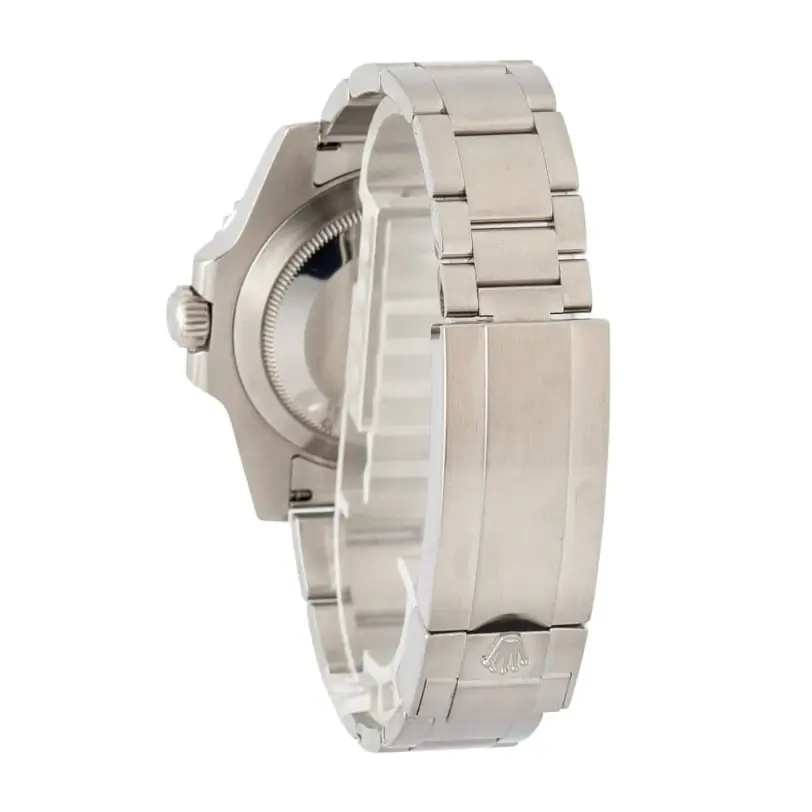
Why Does My Rolex Stop Overnight?

It’s pretty unsettling when you wake up and see your favorite Rolex has stopped overnight. This happens a lot. People call it a Rolex overnight power reserve failure, or just the watch stopping when it’s not moving. Usually, it just means the watch has run out of juice. Sure, Rolex watches are built to be super precise and reliable. But a few things can still make them stop. It could be something simple like not wearing it, or maybe a trickier mechanical issue. So, figuring out why your automatic Rolex stops when you’re not wearing it is key. That’s how you start to fix the problem and make sure your valuable watch keeps perfect time again.
Recommended Products
You might be interested in these products




Table of Content
- Understanding Automatic Watch Power Dynamics
- Common Culprits Behind Overnight Stoppage
- When It Signals a Need for Service
- Practical Solutions and Daily Habits
- Troubleshooting and Professional Help
- Have you experienced your Rolex stopping overnight? What solution worked for you?
- Frequently Asked Questions (FAQ)
Understanding Automatic Watch Power Dynamics
The Mechanics of Self-Winding
So, how does an automatic Rolex get its power? Well, it doesn’t need a battery. Instead, it runs on the energy from your wrist moving around. There’s a weighted, half-moon shaped rotor inside. Every time your arm moves, this rotor spins.
That spinning action winds up the mainspring, which stores energy for later. Rolex says most of their newer movements, like the common 3235, can hold a charge for about 70 hours if you wind them up all the way.
So in theory, if you take it off Friday night, it should still be ticking come Monday. If it stops before then, that’s a sign it wasn’t fully charged to begin with.
Here’s the catch: to keep that charge, you’ve gotta wear the watch regularly and move with it. If you’re mostly sitting still or you leave it in the safe for too long, it’s definitely going to stop.
A lot of people think wearing it now and then is enough, but that’s not really true. To get the full power reserve, you need to wear it actively for a good chunk of the day, like 8 to 12 hours. Basically, if you don’t move your arm much during the day, that mainspring might never get fully wound.
Power Reserve: Specification vs. Reality
Now, about those power reserve numbers Rolex gives you. They look great on paper, but in real life, it’s often different. That 70-hour claim is based on perfect, lab conditions where the watch is wound up completely.
When you’re just going about your day, you almost never get it 100% wound. A study from a watch research group (FHH) found that with normal daily wear, the mainspring might only get wound to about 60 to 80 percent.
So, the power you can actually use before your Rolex stops running overnight is probably more like 50 to 55 hours. This difference explains it perfectly: if you don’t wear it every day, it might stop after just one day off your wrist.
So, your Rolex stops running overnight? Here are the usual suspects.
First up, you might not be winding it enough just by wearing it.
The most common reason is pretty simple: you’re not giving it enough juice from your daily movement. If you work at a desk all day, your wrist might not move enough to really wind it up.
A watch winder can help with that, but you don’t absolutely need one for a Rolex. The quick fix is to wind it by hand. Just unscrew the crown and give it 30 to 40 clockwise turns.
That winds the mainspring by hand, giving it a full charge without relying on your wrist. It’s a smart move if you know you won’t be wearing it for a bit.
Next, there could be friction or a low amplitude issue inside.
Even if you wind it enough, friction inside can still suck up the power. Amplitude is just a fancy word for how far the balance wheel swings—that’s the watch’s heartbeat.
Over the years, the oils inside dry up (Rolex says to service it about every 10 years). This creates more friction and makes that swing weaker. A weak swing burns through the power faster, so it’s more likely to stop overnight.
A watchmaker can measure this swing with a special machine. A healthy Rolex should swing more than 250 degrees when it’s fully wound. If it’s much lower than that, it’s probably time for a service.
| What’s the cause? | What you might see | Quick fix | Long-term fix |
|---|---|---|---|
| Not wound enough | Stops a day or two after you take it off | Wind it by hand 30-40 times | Wear it more actively or make hand-winding a habit |
| Old, dry oils (needs a service) | Stops unpredictably; might gain or lose time | Winding it helps for a little while | Get it professionally serviced by Rolex |
| It got magnetized | Stops or starts gaining minutes each day | Carefully use a demagnetizer, or let a pro handle it | Keep it away from strong magnets like speakers or MRI machines |
| It took a knock or got jolted | Stopped dead right after a bump or drop | Don’t shake it! Stop wearing it right away. | It needs a professional check-up ASAP. |
When It Signals a Need for Service
Symptoms Beyond Simple Power Drain
Core Operation: Recognizing Serious Mechanical Warning Signs: So, your Rolex stops running overnight, even though you wound it up fully and wore it all day? That’s a big red flag.
If it keeps stopping like that, and it’s also losing or gaining minutes every day, that’s a strong sign something’s wrong inside the watch. The problem could be worn-out bearings, a broken mainspring, or just a movement that’s really dirty.
Like master watchmaker George Thomas says in his book, if a fully wound automatic watch can’t make it through its power reserve, it’s almost always because there’s too much friction or something’s broken.
If you ignore these warning signs, you could end up with even more damage and a much bigger repair bill.
The Rolex Service Interval and Process
Core Operation: Committing to Professional Maintenance: Rolex doesn’t give a strict schedule, but they usually recommend a service about every 10 years. It really depends on your specific model and how you use it.
An official Rolex service is really thorough. They take the whole movement apart, clean it in an ultrasonic bath, swap out all the seals and any parts that are worn, re-lube it with their special oils.
and then put it through tough timing and waterproof tests. This whole process gets your watch running like new again, so it holds a full charge and keeps great time. Sure, going to an independent watchmaker might save you some money upfront.
But they might use parts that aren’t genuine Rolex, and it could void your warranty. For a valuable watch like a Rolex, getting it serviced by the manufacturer is the best way to make sure it lasts a long time and keeps its value.
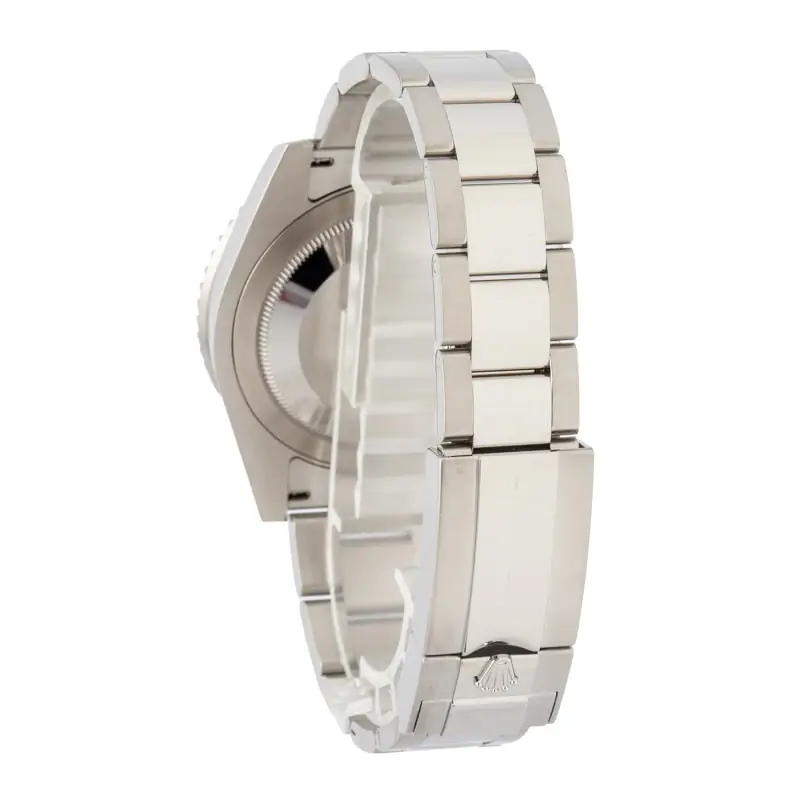
Here are some practical fixes and everyday habits.
Let’s talk about setting up a good winding routine.
The main idea is simple: wind it by hand to keep it from stopping overnight. Just make it part of your daily routine. Don’t wear it every day? Then give it a full wind on the mornings you do put it on.
If you rotate between watches, just wind the one you’re about to wear as you take it out. Doing it right is key. First, unscrew the crown all the way. Then, just turn it clockwise in a smooth motion.
You’ll feel a bit of resistance, but that’s totally normal. Don’t worry about overwinding a modern Rolex. It has a built-in slip-clutch to stop that from happening. After about 30 to 40 turns, push the crown in and screw it down tight. This keeps it waterproof.
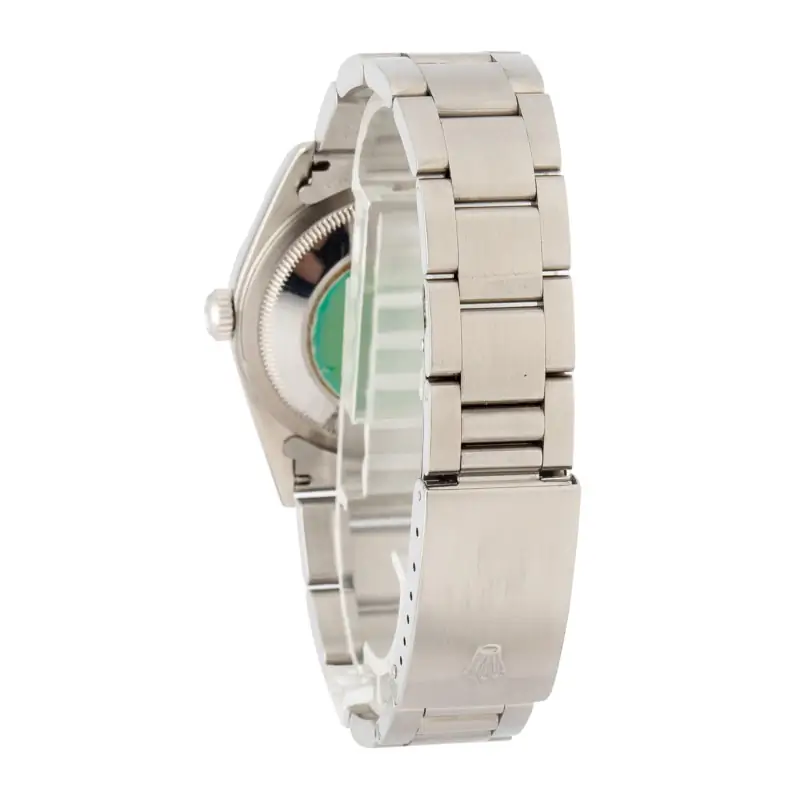
Now, about watch winders: are they worth it?
Let’s look at watch winders. They keep your Rolex running by mimicking the motion of your wrist. They’re handy if you have a bunch of watches, or ones with tricky features like a perpetual calendar.
But for a basic Rolex that just shows time and date, you don’t really need one. Constant use might even cause extra wear. If you do get one, pick a programmable model. You can set the turns per day and direction to suit your specific Rolex movement.
A simple rule: only use the winder if your watch will be sitting still for over two days. If you wear it daily, your own wrist movement is all the winding it needs.
| Habit | Frequency | Key Benefit | Note |
|---|---|---|---|
| Manual Winding | When not worn daily / Before wearing | Guarantees full power reserve start | 30-40 crown turns; ensures crown is screwed down after |
| Active Wear Check | Daily | Maintains charge through kinetic energy | Ensure 8 hours of wear with normal activity |
| Service Interval Awareness | Every 7-10 years | Prevents friction-related power loss | Monitor for accuracy drift as a warning sign |
| Proper Storage | When not in use | Protects from magnets and shocks | Store away from electronics, in a dry place |
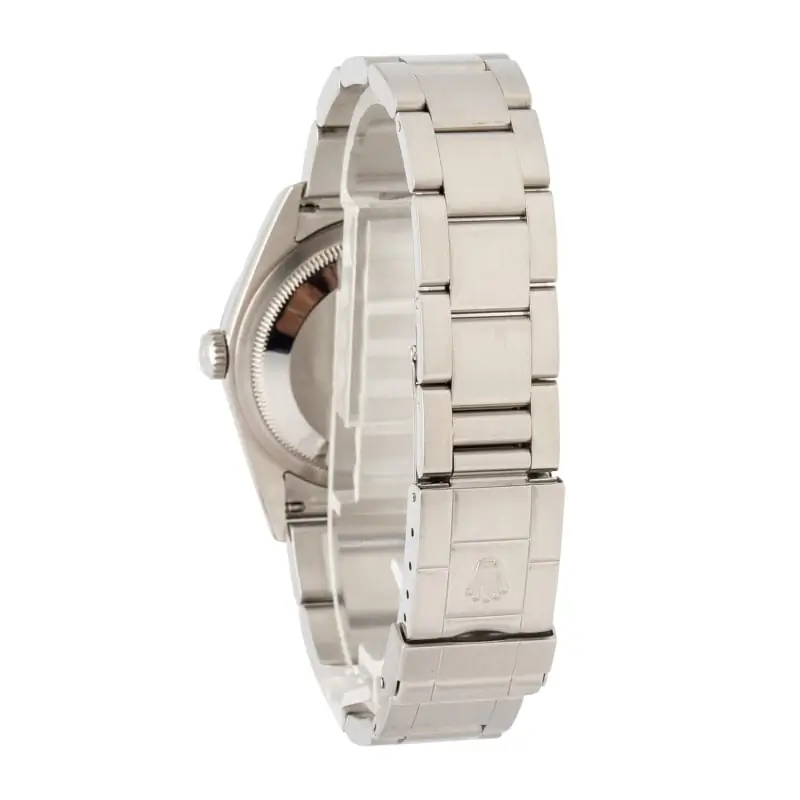
Troubleshooting and Professional Help
Step-by-Step Home Diagnostics
Here’s a simple power reserve test you can do at home before you run to a service center. First, give your Rolex a full manual wind—about 40 turns. Write down the exact time, then just leave it face-up at normal room temperature.
Check on it every now and then. If it stops way before it should—like a watch with a 70-hour power reserve quits after just 30 hours—then you’ve got a clear efficiency problem. Also, put your ear close and listen to the watch.
A healthy movement ticks with a crisp, steady rhythm. If the sound is faint or irregular, that could mean the amplitude is low. Doing these simple checks at home gives your watchmaker really useful info.
Finding and Working with a Qualified Watchmaker
When to get professional help: If the problem isn’t just from not winding it enough, you need a pro to look at it. Your best bet is to go to an Official Rolex Service Center or a trusted, authorized Rolex retailer first.
They’ve got the real parts, the right tools, and all the latest technical info. Be ready to explain the issue clearly: say something like, Always ask for a detailed quote before you give them the go-ahead.
A proper service costs money, but it’s a must. It keeps your watch running right, keeps it waterproof, and protects its value in the long run. It’s all about taking care of a fine instrument so it lasts.
So, if your Rolex stops overnight, it’s usually asking for a little TLC, not telling you it’s totally broken. Most of the time, it just means you need to wind it more or wear it more often to keep it going.
But if you’re winding it right and it still keeps stopping, that’s a sure sign the tiny mechanics inside need a pro’s touch. Think of regular servicing not as a cost, but as a necessary investment.
It keeps your watch accurate, reliable, and preserves its legacy. When you understand how your daily activity powers the watch, you can make sure it stays by your side, ticking faithfully, for decades to come.
Ever had your Rolex stop running overnight? What fix did you find?
Share your story in the comments below to help fellow enthusiasts, or read our in-depth guide on decoding your Rolex’s accuracy and performance signals for more expert insights.
Here are some common questions people ask.
So, your automatic Rolex stopped? Is that a problem?
No, it’s not really bad for the watch if it stops because it ran out of juice. It just means the mainspring has fully unwound. The real wear happens if you keep trying to start it when it’s barely ticking.
That puts stress on the gears inside. A better move is to give it a full manual wind before you put it back on.
How many times should you wind it by hand?
For most newer Rolexes, if it’s totally stopped, turn the crown clockwise about 30 to 40 times. That should wind it up fully. You’ll feel a steady, smooth resistance as you turn. Don’t worry about overwinding it. Modern Rolex watches have a built-in stop, so you can’t hurt it by turning too much.
What about using a watch winder? Can that hurt my Rolex?
A good, programmable winder used right won’t damage your watch. Sure, constantly winding it when you don’t need to might add a tiny bit of wear over many, many years. The bigger risk comes from cheap winders.
They might magnetize the movement or have a shaky, uneven motion. Only use a winder if you really need to, like if you have several automatics you switch between, or a watch with a tricky calendar that’s a pain to reset.
How can you tell when your Rolex needs a service?
Look out for these signs: First, if it keeps stopping way before it should, even after a full wind. Second, if it’s gaining or losing more than a few seconds a day. Third, if the rotor sounds or feels different when it winds.
And fourth, if it’s been 7 to 10 years since its last service—the oils inside just dry up over time.
