
How accurate is a Rolex per day?
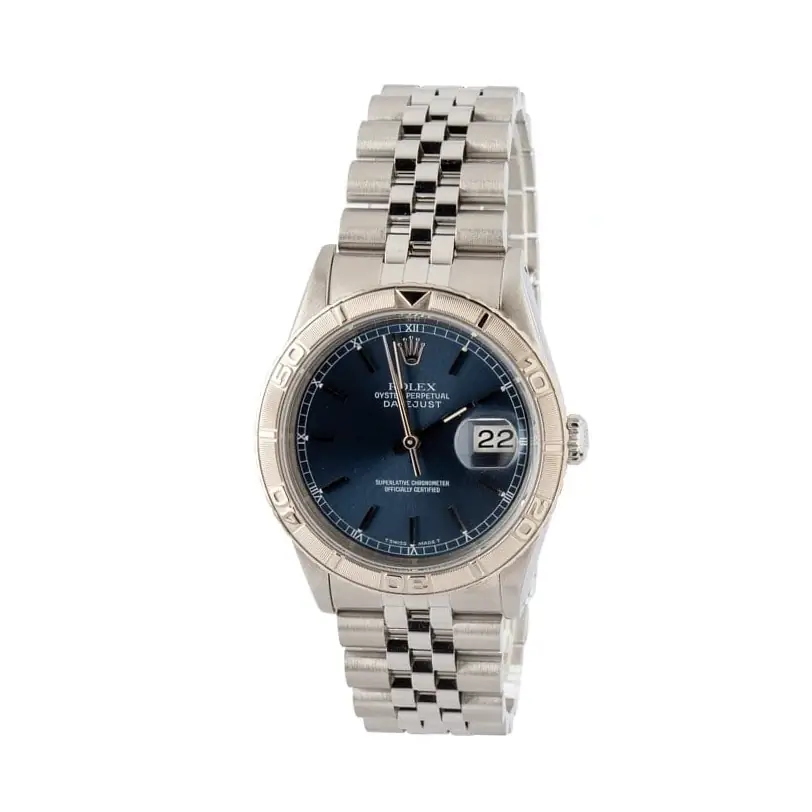
How accurate is a Rolex per day?

Ever looked at your Rolex and thought, How accurate is this thing really? You’re definitely not the only one. How accurate a Rolex is day-to-day is something that grabs the interest of everyone, from first-time buyers to hardcore collectors. Plenty of fancy watches talk a big game with their specs. But Rolex? Its legendary status comes from one thing: incredibly reliable and consistent timekeeping. So, let’s get into it. We’re going to break down what normal Rolex accuracy looks like, how they pull it off, and what you can actually expect from the watch on your wrist. I’ll also share some insider knowledge from my time as a certified watchmaker. This will help you really get what makes that little engine tick—literally.
Recommended Products
You might be interested in these products
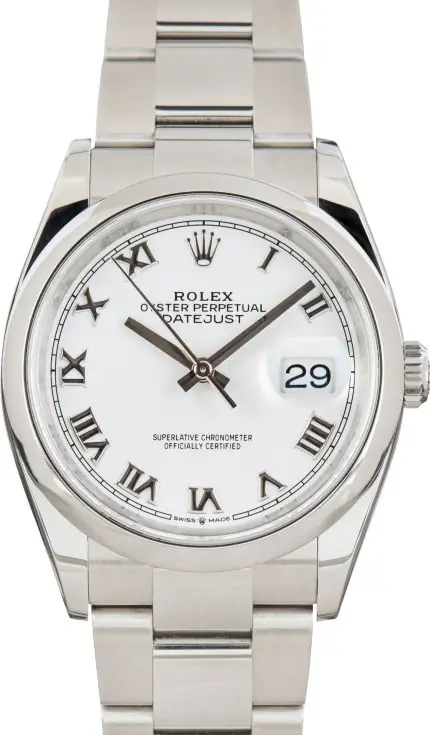
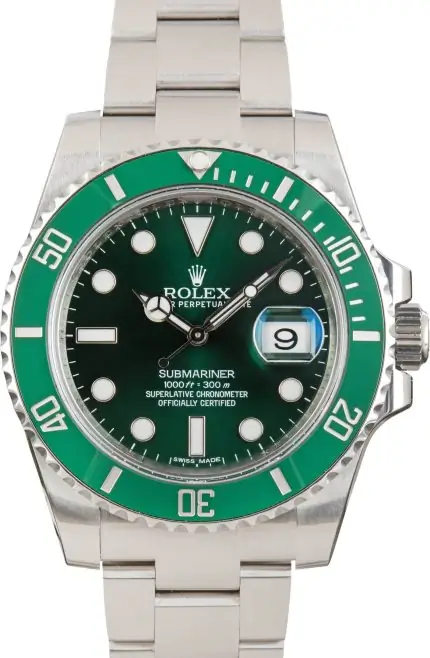
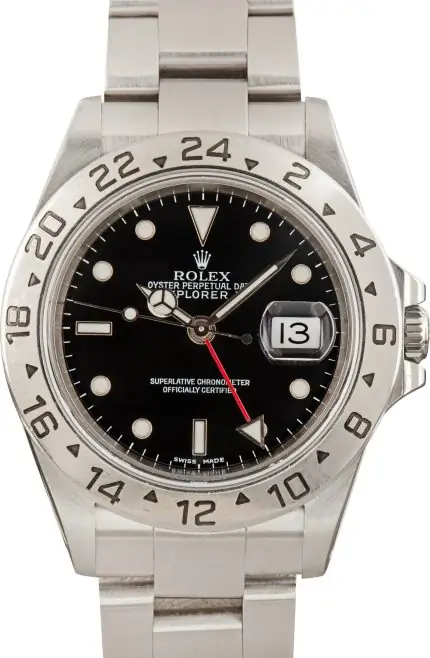

Table of Content
- So, what’s the normal daily accuracy for a Rolex?
- How Rolex Gets So Precise: The Engineering
- How Accuracy Varies Across Different Rolex Models
- Keeping Your Rolex Accurate for Years to Come
- Let’s Clear Up Some Common Rolex Accuracy Myths
- Wrapping Up: What’s Next for You as a Rolex Fan
- Your Rolex Accuracy Questions, Answered
So, what’s the normal daily accuracy you can expect from a Rolex?
Let’s talk about the official specs versus how they actually perform in real life.
Core Concept: The official tolerance set by Rolex for its modern, certified movements is -2/ 2 seconds per day. That’s the benchmark for a brand-new watch right out of the factory, once it’s got its Superlative Chronometer certification.
This stringent standard, introduced in 2015, far exceeds the industry norm for a standard chronometer (-4/ 6 sec/day) and is a testament to Rolex’s commitment to precision.
But in the real world, the normal accuracy you see from daily wear might be a bit wider. Many owners report their watches running within a range of -1 to 3 seconds per day, which is still exceptional.
You gotta remember, a watch is a mechanical thing. Its accuracy gets affected by how you position it, the temperature, and what you’re doing. A reading from just one day can jump around. The real test is how consistent it is over a whole week.
If your watch gains 2 seconds every single day, it’s doing a superb job, even if it’s not hitting a perfect zero.
Now, what factors can change your watch’s daily rate?
A few key things directly impact how much your Rolex gains or loses each day. Position is super important. Leaving it face-up overnight might give you a different result than leaving it on its side. How wound up the mainspring is matters too.
A fully wound watch usually runs at its best rate. Changes in temperature can have a slight effect on the hairspring’s elasticity. Finally, there’s magnetism.
Even though Rolexes are highly resistant to it because of their Parachrom hairsprings, really strong magnetic fields can still mess with the timing quite a bit.
Want to check your watch’s true normal accuracy? Try this simple test. Wind it up fully, wear it like you normally do for a day. Then, each evening for a week, check the time against a reliable atomic clock source at the same time.
Write down how much it gained or lost each day. That’ll give you a realistic average based on how you actually wear the watch. Don’t worry if one day is way off. Just focus on the overall trend.
The Engineering Behind Rolex Precision
Key Components: The Balance Wheel and Hairspring
Here’s the thing: if you want a mechanical watch to be precise, it all comes down to the oscillator—that’s the balance wheel and hairspring. Rolex has made some really key improvements here. Take their blue Parachrom hairspring.
It’s made from a special alloy that doesn’t get messed up by magnets or bumps, so it keeps running steady no matter what. And the balance wheel? They weight and adjust it super carefully to get it perfectly balanced.
So how do they get that normal Rolex accuracy per day so good? When they’re putting the watch together, the watchmakers tweak the rate. They do this by adding tiny weights, called micro-stella weights, to the rim of the balance wheel.
This process, known as timing or regulation, is what brings each individual movement within the tight -2/ 2 sec/day tolerance. It’s a cool mix of high-tech stuff and old-school watchmaking skill. I actually got to do this myself when I was training at the WOSTEP school in Switzerland.

The Role of the Chronergy Escapement
Then there’s the Chronergy escapement, which is a big deal for efficiency. Rolex first put it in their Caliber 3255 movement. It’s made from a nickel-phosphorus alloy, so magnets don’t affect it.
Plus, its special shape makes it 15% more efficient with energy. What does that mean? It sends power from the mainspring to the balance wheel much more steadily.
This is super important for keeping the watch’s swing stable, which directly leads to that stable daily accuracy, even as the watch winds down.
So what’s in it for you, wearing the watch? Simple: reliability. A watch with this efficient escapement won’t slow down or speed up as much when it’s starting to run out of wind.
So your Rolex should keep its excellent timekeeping—that great normal accuracy per day—whether you just wound it up or you’ve been wearing it for over a day. That kind of consistency is really what modern Rolex performance is all about.
Let’s talk about how different Rolex models actually perform.
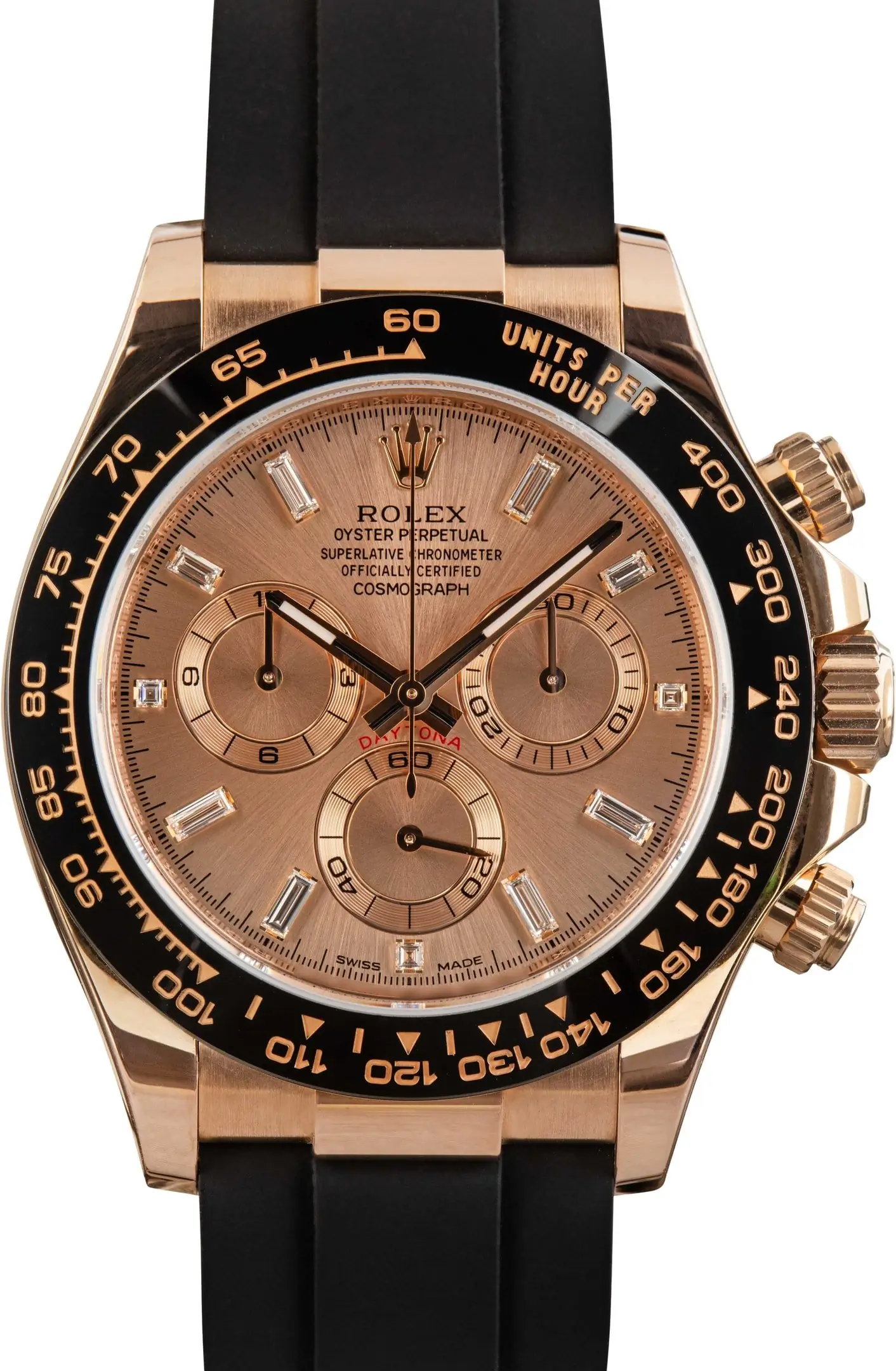
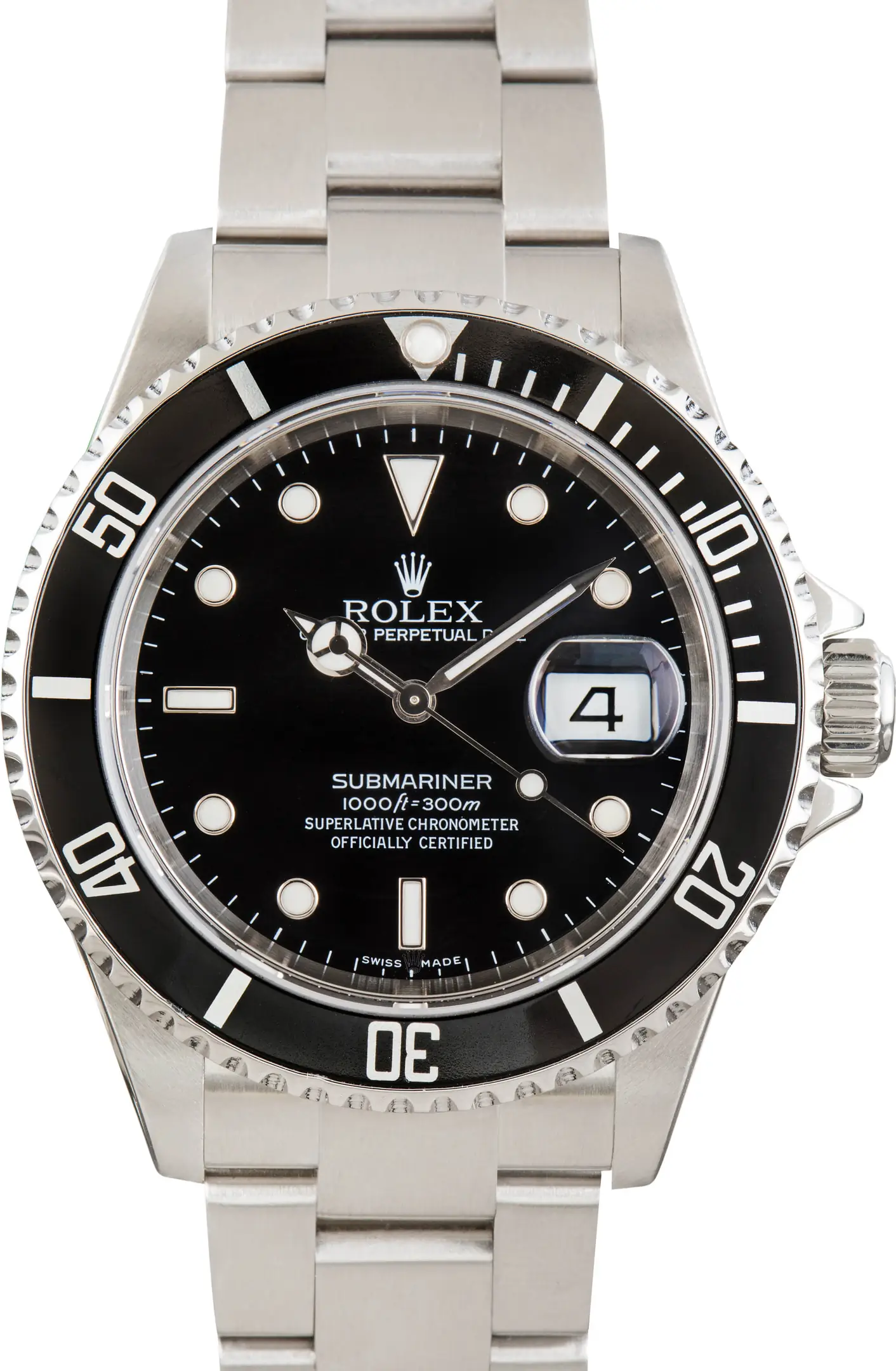
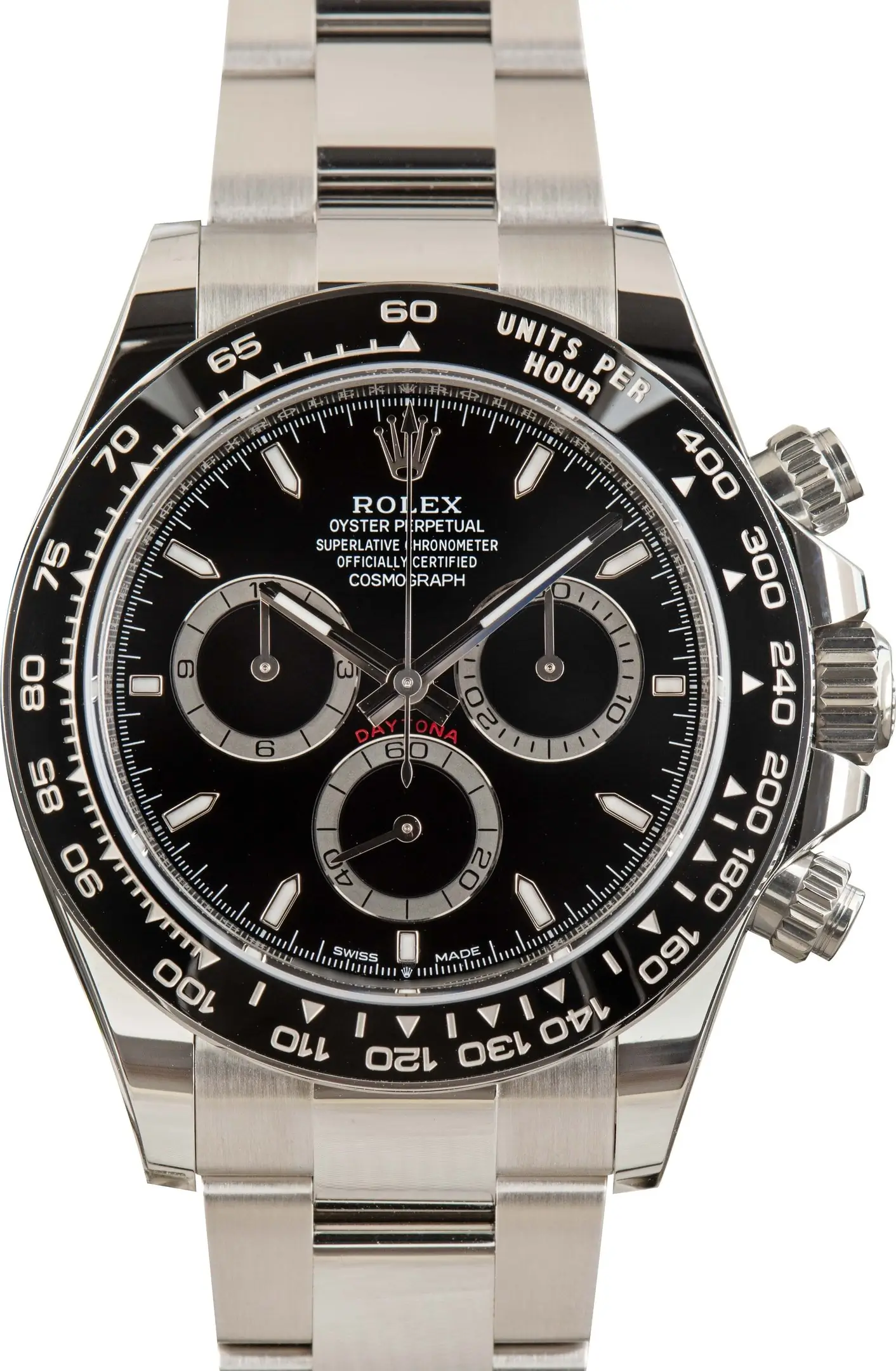
First up, the professional models like the Submariner, GMT-Master II, and Daytona.
These are tool watches, built tough for specific jobs, and they’re known for being super accurate. Take the Submariner with its Caliber 3235 movement. It’s the definition of consistency.
I’ve serviced numerous examples where owners reported years of reliable performance within 1 sec/day. The GMT-Master II has two time zones, and the Daytona has a stopwatch.
That adds complexity, but Rolex’s careful engineering keeps them just as accurate. Their tough build and movements are made to take a beating without messing up their timekeeping.
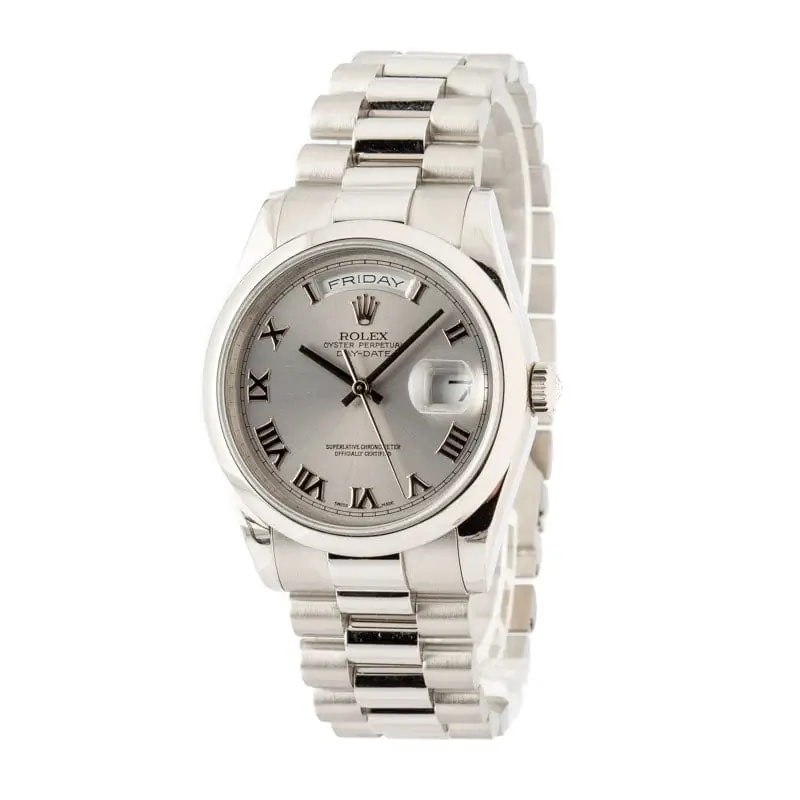
Now, for the classic and dress models, think Datejust and Oyster Perpetual.
These are the everyday watches, the real workhorses. For most people, this is where they see Rolex’s famous accuracy. They use the same basic movements as the pro models—like the Caliber 3230 in the OP and 3235 in the Datejust.
So, at their heart, the timekeeping is just as good. I remember a client brought in his 36mm Datejust. He’d worn it every day for five years. He was worried it was starting to run slow.
We checked it out and found it was losing just one and a half seconds a day. That’s amazing for a watch that’s never been serviced! It really shows how stable these movements are over the long haul.
| Here’s a quick breakdown by model type: | Typical Movement | Real-World Daily Accuracy (when new or just serviced) |
|---|---|---|
| Professional models like the Submariner and GMT | Use Calibers like 3235 or 3285 | -2 to 2 seconds per day |
| Classic models like the Datejust and Oyster Perpetual | Use Calibers like 3230 or 3235 | -2 to 3 seconds per day |
| And the sport classic, the Daytona | with its Caliber 4130 | -1 to 2 seconds per day |
Maintaining Optimal Accuracy Over Time
Routine Care and Servicing Intervals
Think of your Rolex like a fancy car – it needs regular check-ups to keep running perfectly. Rolex says get it serviced roughly every 10 years, but how you use it really matters.
The oils inside the watch slowly dry up or break down, which means more friction. You’ll usually notice the watch starts running slower over time, or its daily accuracy gets less reliable.
A full service takes the whole watch apart. They clean everything, put fresh oil in, and tune it up so it runs like new again.
Here’s our promise: when we service your watch, you get at least a 2-year guarantee on how well it keeps time and on our work. We give you a detailed report showing the timing before and after.
You can see exactly how much better the rate, amplitude, and beat error get. This way, you can clearly see the real difference a pro service makes for your watch’s daily accuracy.
Simple At-Home Monitoring
Here’s how you can take charge: you’re the best person to keep an eye on your watch. Just download a good watch timing app, like Toolwatch or Twelve. It makes tracking how much it gains or loses each day super easy.
Start by checking its accuracy when it’s brand new or right after a service. That’s your baseline. If the accuracy suddenly changes and stays that way—say it starts losing 10 seconds every day out of the blue—that’s a warning sign. It might be magnetized or it could have taken a knock.
Here’s what to do: if you see a big change, first try using a simple demagnetizer. They’re cheap and safe. A lot of the time, this fixes it if your watch suddenly starts gaining a bunch of seconds.
If it’s still off, then it’s time to call in a pro. Spotting little problems early can stop bigger damage from happening later.
| Sign | Possible Cause | Recommended Action |
|---|---|---|
| Accuracy consistently outside -5/ 5 sec/day | The oils are probably dry or some parts are worn out. | Time to get a pro to look at it. |
| If it runs very differently when you lay it flat versus on its side | This often points to a balance wheel problem or worn pivots. | It definitely needs professional service. |
| Sudden large gain (e.g., 30 sec/day) | It’s most likely magnetized. | Try demagnetizing it first. If that doesn’t work, get help. |
Addressing Common Myths and Concerns
My Rolex is Gaining/Losing X Seconds, Is It Broken?
Let me tell you, this is the number one worry people bring to me. First thing, just stack up how your watch is running against those realistic daily accuracy ranges we talked about.
A 5-year-old watch running at 4 seconds per day is still performing admirably and is not broken. Remember, these are mechanical watches, not super-precise atomic clocks.
What you want is steady, reliable performance day in and day out, not hitting zero error. It’s totally normal for it to be a few seconds off depending on how you set it down at night.
Take Mark, for example. He came in really worried because his Explorer II was losing 3 seconds every day. He was aiming for perfect accuracy. I explained Rolex’s official accuracy tolerance to him and showed the timing machine readout.
The results proved his movement was perfectly healthy and stable. That’s when his worry turned into real appreciation. He realized that tiny daily deviation just shows it’s a living, breathing mechanical machine, not a defect.
Vintage vs. Modern Rolex Accuracy Expectations
Now, with vintage Rolexes, you’ve gotta manage your expectations. A well-served vintage Submariner from the 1970s with a Caliber 1570 might perform beautifully at -5 to 8 seconds per day.
The tech and the accuracy standards back then were just different. These movements are robust and wonderful but should not be held to the modern -2/ 2 standard. Love them for their history and unique character. Just make sure you keep them healthy with regular servicing.
Conclusion and Next Steps for the Enthusiast
When you get how your Rolex keeps normal daily accuracy, owning one becomes more than just checking the time.
You start to really admire its tiny engineering marvel. A Rolex that runs well proves its top-notch quality, even if it consistently gains or loses a few seconds each day.
Remember, the -2/ 2 second standard is a rigorous factory benchmark, and real-world wear that stays close to this range is exceptional. To enjoy that precision for years, just keep an eye on it, wear it correctly, and get it serviced by a pro when needed.
So now you know all this, why not give it a try yourself? Just grab your watch, set it against an atomic clock, and see how it does over a week. Drop your results and thoughts in the comments! We’re curious to know your watch’s daily drift.
Want to learn more about the movement tech or servicing tips? Check out our other posts on Rolex calibers and care guides.
Frequently Asked Questions (FAQ)
What is the official accuracy standard for a new Rolex?
Rolex’s official standard for its Superlative Chronometer certification is -2/ 2 seconds per day. Every single new Rolex has to hit this mark before it even leaves the factory. That’s actually tighter than the regular COSC chronometer rating most other brands use.
Is it normal for my Rolex to sometimes gain and sometimes lose time?
Absolutely, it’s totally normal for it to be a little off sometimes. A bunch of everyday things can affect your daily accuracy. Think about how much you’ve wound it, whether you leave it face down or on its side overnight.
even the temperature or how active you are. Don’t sweat one day’s reading. What really matters is how it performs on average over a week.
How often should I service my Rolex to maintain its accuracy?
For servicing, Rolex suggests getting it done roughly every decade. However, if you notice a significant and consistent deviation in timekeeping (e.g., consistently outside -5/ 5 sec/day), or a major change from its established baseline, it may be wise to have it checked by a professional sooner.
Can I improve my Rolex’s accuracy by how I wind or store it?
You can, actually, to a point. Keeping it well-wound—just by wearing it or giving it a manual wind—helps it keep a steady beat. You can also play around with how you store it at night.
For example, if it’s running fast, leaving it with the crown pointing up overnight can sometimes slow it down a tad. Just keep an eye on it and see what works best for your particular watch.
