
Why Your Rolex Runs Poorly? Service Solutions
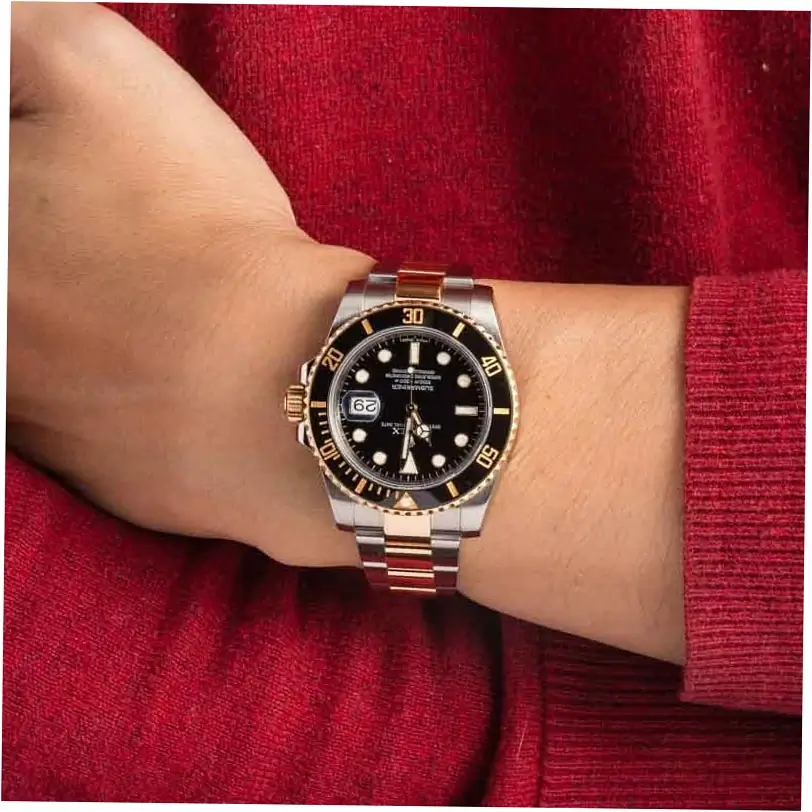
Why Your Rolex Runs Poorly? Service Solutions

It’s a real downer when your Rolex, famous for being super accurate, starts acting up. I’m talking about gaining or losing a lot of time, stuttering, or just stopping dead. That feeling is totally unique and super frustrating. It’s not just a broken watch. You’re dealing with a trusted companion letting you down. When you start looking for Rolex service for running issues, you know you’ve hit a critical point. You absolutely need expert help, no question about it. This guide clears things up. We’ll show you the specific mechanical problems that cause these running issues. Then, we’ll walk you through the exact service process to get your watch’s famous accuracy back. We’re going past general tips. We’ll get to the root of the timing problems, take the mystery out of the service, and help you make smart choices about your investment.
Recommended Products
You might be interested in these products
Here’s what we’ll cover:
Identifying Common Rolex Performance Problems
Symptoms of a Watch Needing Calibration
Core Observation: Here’s the biggest clue your Rolex needs a pro to look at it: it’s not keeping time like it’s supposed to. A modern Rolex Superlative Chronometer is certified to run within -2/ 2 seconds per day.
If it’s consistently off by several minutes every week, that’s a major red flag. Other signs something’s wrong are a seconds hand that jumps or stutters instead of sweeping smoothly, the watch stopping even after you wind it.
or the power running out way faster than the 48 to 70 hours it should last. These aren’t just little quirks. They’re distress signals coming from the watch’s complex inner workings.
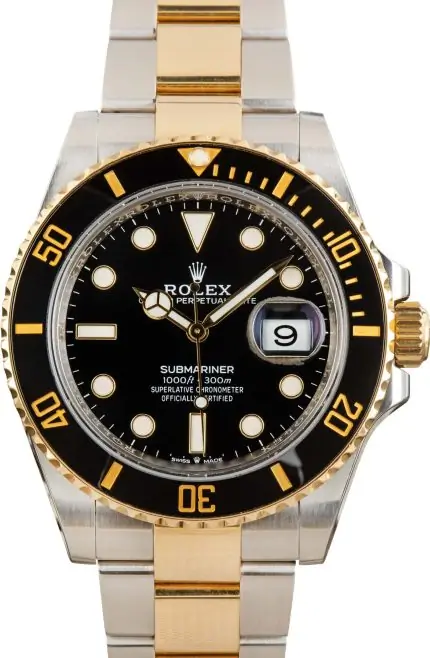
User Case Reference: Take James, who owns a Submariner. He said, It wasn’t a simple case of magnetization that a degausser could fix. It needed a full service. The watchmaker later discovered a worn-out gear train inside.
This highlights that while magnetization is a common, often user-fixable cause of sudden gains (e.g., 30 seconds/day), persistent losses or erratic behavior typically point to mechanical wear or damage requiring disassembly.
Underlying Mechanical Causes for Faulty Operation
Diagnostic Insight: To go from noticing a problem to fixing it, you need to understand the watch’s engine. The main causes of running problems are usually found in the movement’s core parts.
Getting magnetized by electronics happens a lot, but it usually just makes the watch run fast. More serious problems involve the balance wheel and hairspring. Think of these as the watch’s heart and pacemaker.
If the hairspring is kinked, out of place, or dirty, it’ll ruin the watch’s accuracy. Likewise, trouble with the mainspring (that’s the power source) or the gear train (that transfers the power) can cause weak ticking, a stuttering hand, or the watch to just stop.
| Symptom | Potential Cause | Typical Service Action |
|---|---|---|
| If it’s consistently running fast by minutes per day, | it’s probably magnetized or the hairspring is sticking. | A watchmaker would demagnetize it, clean it, and adjust the timing. |
| If it’s consistently running slow, | the gears might be dry or worn, or there’s a mainspring problem, causing weak operation. | This usually needs a complete overhaul and some new parts. |
| If the timekeeping is all over the place, fast and slow, | there could be serious dirt inside or a damaged balance staff. | The fix involves taking the whole movement apart, an ultrasonic clean, and replacing the broken part. |
| If the watch stops even after a full wind, | the power train might be blocked or the mainspring could be broken. | A watchmaker will inspect it and likely replace the mainspring or a gear. |
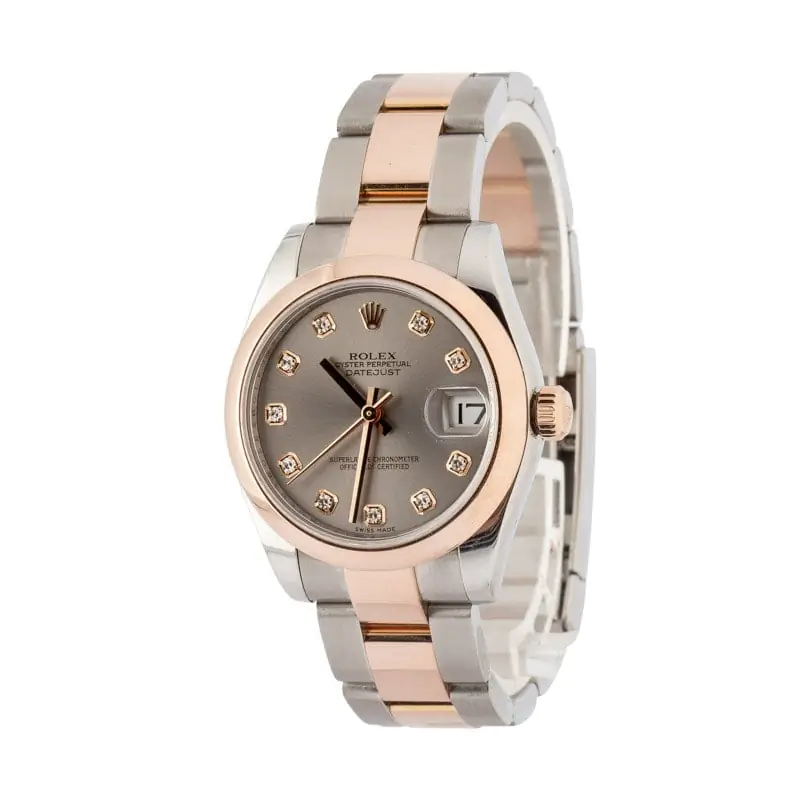
Here are the key steps pros take when servicing a Rolex.
First up is the check-up and diagnosis.
The real starting point isn’t grabbing tools, it’s running diagnostics. A pro, whether from a Rolex center or a certified independent shop, will first look your watch over. They check the case for damage and see if it’s still waterproof.
Next, they hook it up to a timing machine, something like a Witschi. This gives them a readout, a kind of report card, on how the movement is running in different positions.
That graph shows the amplitude, beat error, and rate—think of it as the watch’s EKG. It tells them if the problem is old oil, a past knock, or just worn-out parts. Going by this data means they fix the real problem, not just a surface issue.
The experts at the AWCI say a full check should also look for magnetism, test how long the power reserve lasts, and see if the automatic winding is working right.
This initial triage helps decide: does it just need a quick tweak, or is a full overhaul necessary? Skip this step, and you might pay for a repair that doesn’t fully solve your running issues.
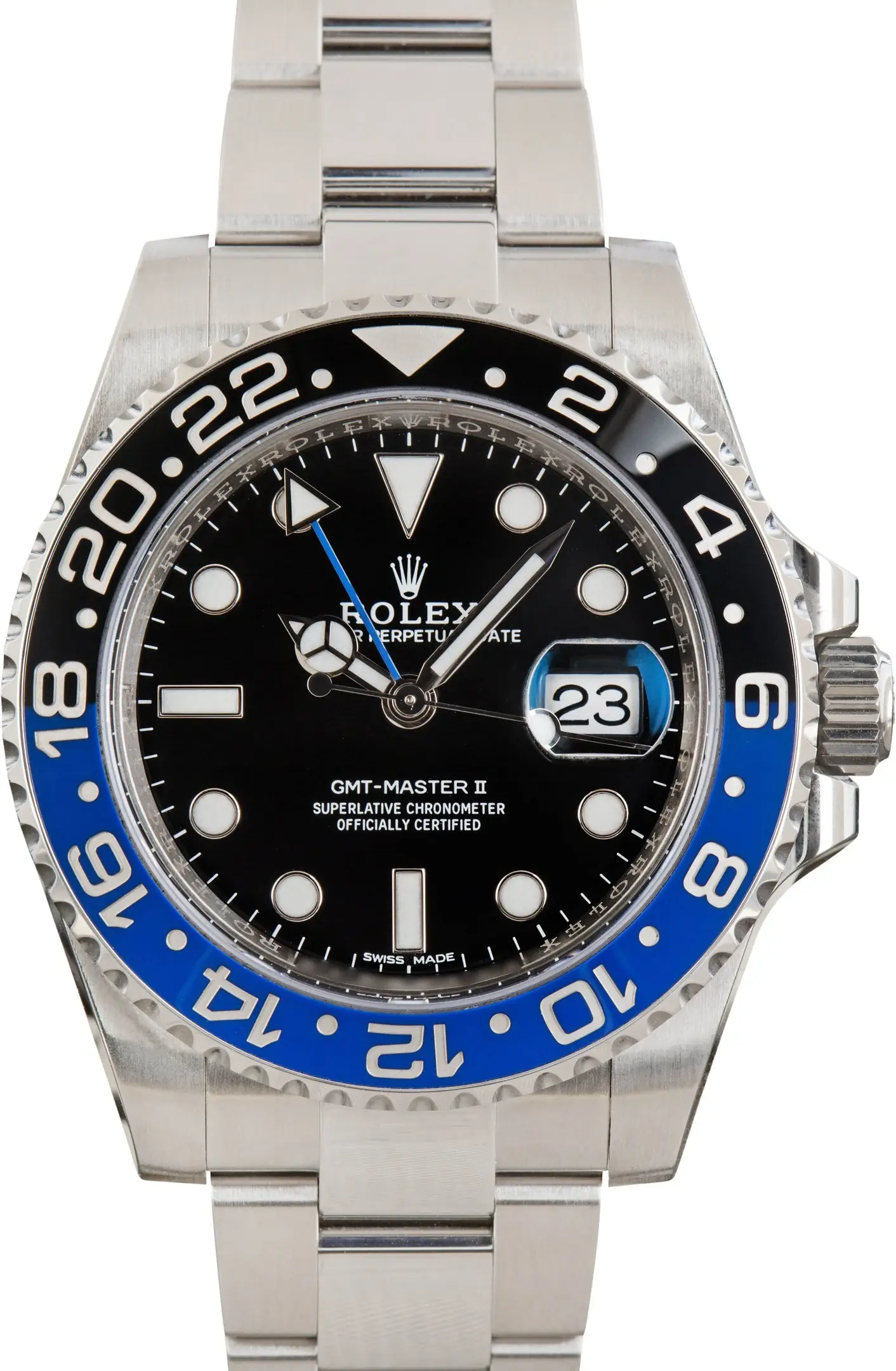
Let’s break down what a full overhaul involves.
A full service, or overhaul, is detailed work with many steps. They start by taking the case and bracelet apart. Then, the entire movement comes out and gets taken down to every last screw and wheel, each piece laid out in its own tray.
Every part gets an ultrasonic bath in special solutions. This washes away the old, gummy oil and any tiny bits of dirt. After cleaning, the watchmaker looks at each piece under a powerful loupe, checking for signs of wear.
Anything worn or broken, like the mainspring, seals, or tiny gears, gets swapped out for genuine Rolex parts.
Then comes the careful rebuild. The watchmaker puts the movement back together, adding special synthetic oils—Rolex uses its own blend—to just the right spots in just the right amount.
Getting this oiling right is key for making the watch run smoothly and last a long time. Once back together, they regulate the movement in different positions until it keeps time like a chronometer should.
Finally, the movement goes back in its case. They pressure-test it to make sure it’s waterproof, do one last timing check, and then it’s ready to go back to you with a new service warranty.
So, should you go to a Rolex Service Center or an independent specialist?
Let’s look at the pros of an authorized Rolex Service Center.
Sending it to a Rolex Service Center gives you peace of mind. You get techs trained by Rolex, they only use real Rolex parts, and they follow the brand’s strict rules. Your watch might also get some updated parts, like newer seals or a clasp.
Plus, you’ll get a solid two-year warranty that’s good worldwide. This is usually the way to go for tricky problems, older vintage pieces, or if your watch’s original warranty is still active. The process is very consistent. But it can cost more and take longer—often around 6 to 10 weeks.
Here’s a big thing to consider: Rolex centers aim to make your watch look new again. That means if your original dial, hands, or bezel show age—like a nice patina—they might replace them.
For collectors who love that original look, this can be a real deal-breaker. So always ask for a detailed quote first. And be crystal clear if you want to keep the original parts before they start any work.
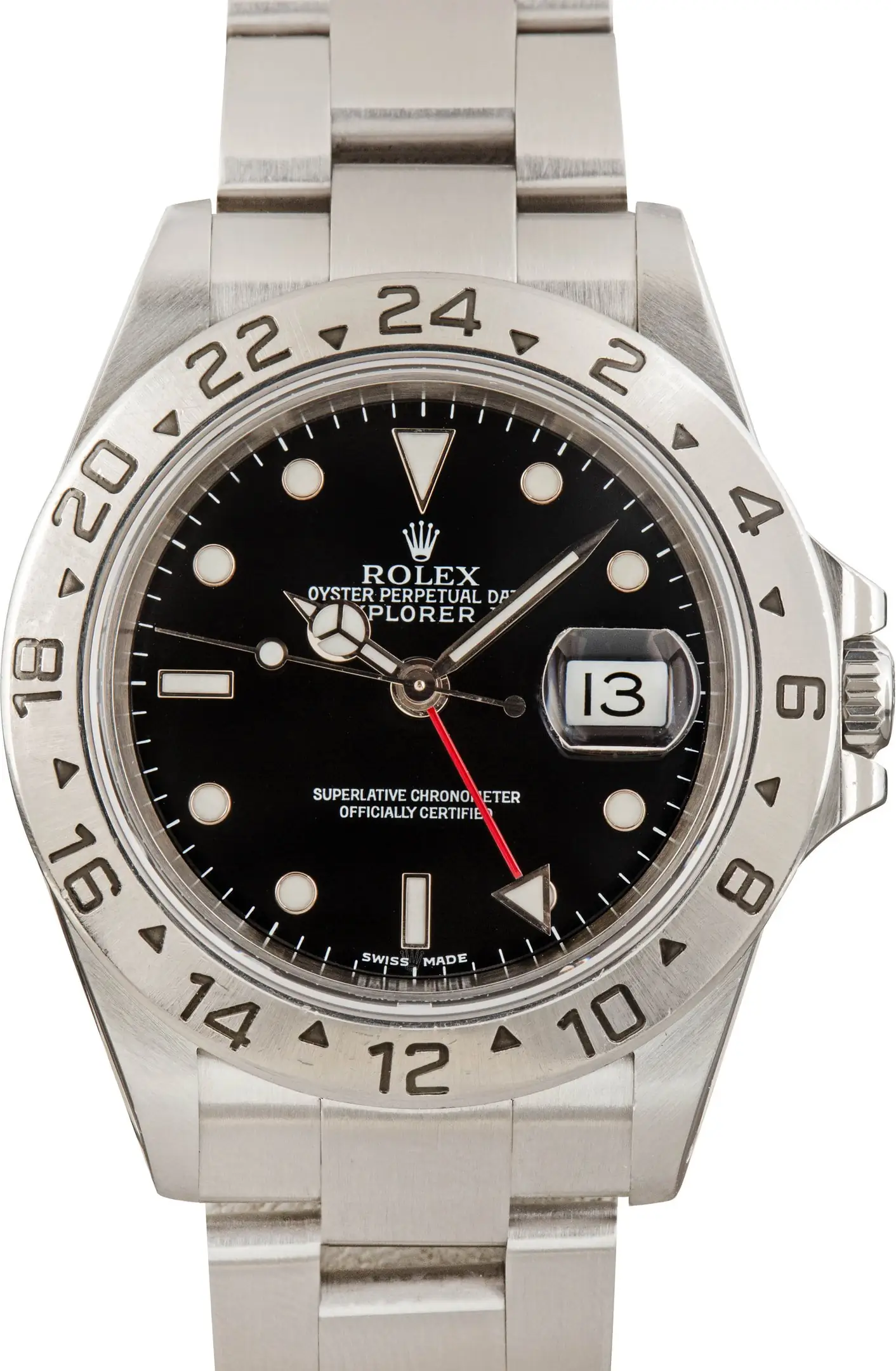
Now, when might an independent watchmaker be a better choice?
For a lot of owners, a top-notch independent watchmaker, certified by groups like the AWCI, is a great option. You often get more personal service and a quicker turnaround—maybe 4 to 6 weeks.
They’re also usually more willing to keep the patina on a vintage watch. The cost is often 20 to 40 percent less than a Rolex Service Center. The key is to check their credentials.
Make sure they really know Rolex movements, have the right tools like timing machines and pressure testers, and can get genuine or top-quality Swiss parts.
The main risk with independents is that skill levels and part quality can vary. So always ask for references, photos of past work, and what their warranty covers—a good one should give you at least a year or two.
For newer Rolexes with complex movements, like the Caliber 32xx series, the needed tech info and special tools might make the Rolex center the safer bet. But for classic movements like the 3135, plenty of independents are absolute experts.
| Factor | Rolex Service Center | Certified Independent |
|---|---|---|
| Parts Guarantee | 100% Genuine Rolex | Genuine or High-Grade Swiss |
| Technician Training | Brand-Specific Factory Training | Broad Horological Certification (e.g., CW21) |
| Service Warranty | 2 Years International | Typically 1-2 Years (Shop Dependent) |
| Cost for Full Service | Premium ($800 – $1,200 ) | Often Lower ($600 – $950) |
| Flexibility on Originality | Low (Seeks to Renew) | High (Can Preserve Patina) |
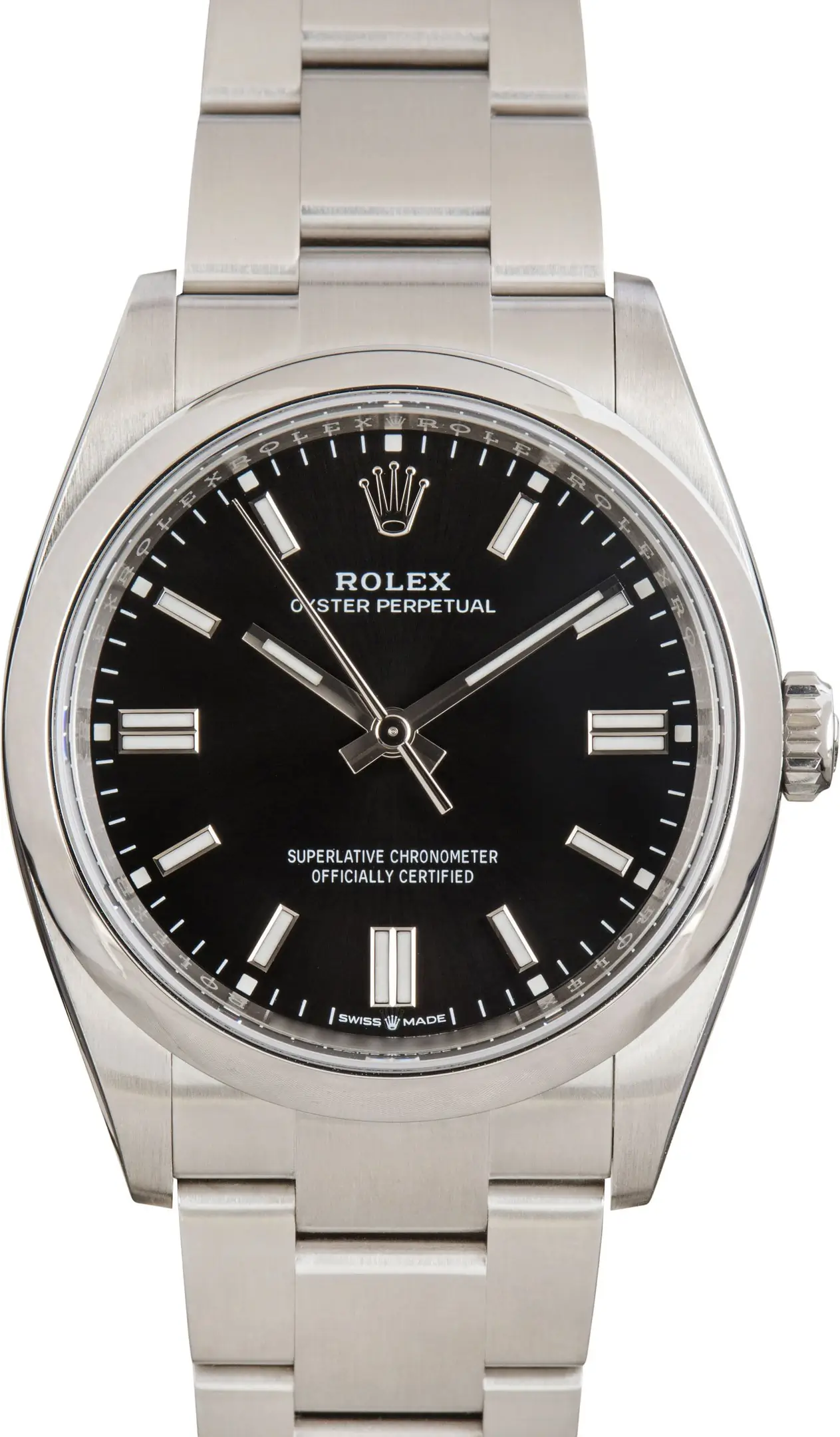
Cost Expectations and Service Warranty Insights
Breaking Down the Service Cost Structure
Let’s be clear about the money side: getting your Rolex fixed when it’s not keeping good time doesn’t have one set price. What you pay really depends on which model you have and what exactly needs doing.
Back in 2023, if you sent a basic mechanical Rolex, say an Oyster Perpetual, to Rolex themselves for service, you were looking at about $800 to start. That starting price usually covers a full overhaul.
plus swapping out the crown and tube, the crystal, and all the gaskets. But if your watch has extra features, like a Daytona chronograph or a Sky-Dweller, the bill can jump to $1,200 or even higher.
Going to an independent watchmaker might be a bit cheaper, maybe between $600 and $950 for a full service on a standard model. Make sure the quote they give you breaks everything down—labor, parts, and any polishing you want done.
Watch out for hidden costs, though. You might get hit with extra charges. If their timing machine finds something broken inside, like a balance staff, a mainspring barrel, or a worn rotor bearing, fixing those will cost you more.
And getting the case and bracelet polished is usually an extra option, which can add another $100 to $300. Always say yes to the final estimate before they start any work. If a quote seems too good to be true, be careful. It could mean they’re using fake parts or cutting corners on the service.
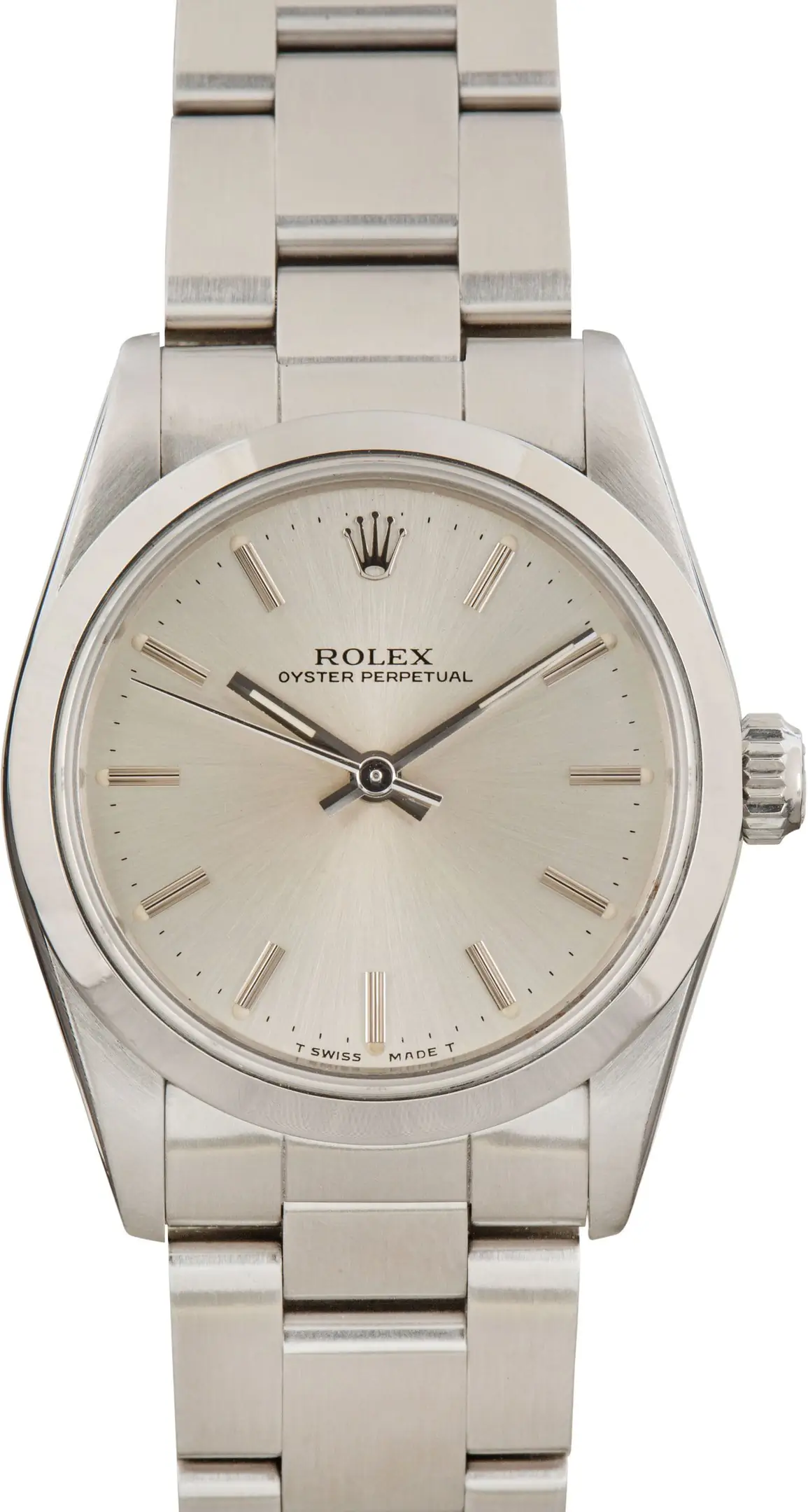
Understanding the Service Warranty and Its Scope
Now, about the warranty. Any good service should come with one. It basically promises that the materials and the work they did won’t have any problems for a set time.
Rolex’s own warranty lasts two years and is really solid—it’s good anywhere in the world. An independent shop’s warranty usually only works at their place, but it should cover the same basic stuff.
The key thing is, the warranty covers the repair job itself and any new parts they put in. It won’t cover new damage from accidents, you not taking care of it, or if someone else messes with the watch after the service.
Hang on to all your service papers. They’re super important if you need to make a warranty claim, and they really help the watch’s value if you ever sell it, because they prove it was looked after right.
After a big service, your watch should run nice and steady, keeping good time. Just keep an eye on it for the first couple of weeks. If the timing problems come back while it’s still under warranty, get in touch with the shop right away.
Whatever you do, don’t try to adjust it or open the back yourself—that’ll totally void your warranty. A good warranty shows the shop stands behind their work, and it protects the serious money you’ve put into your watch.
Preventive Maintenance to Avoid Future Running Issues.
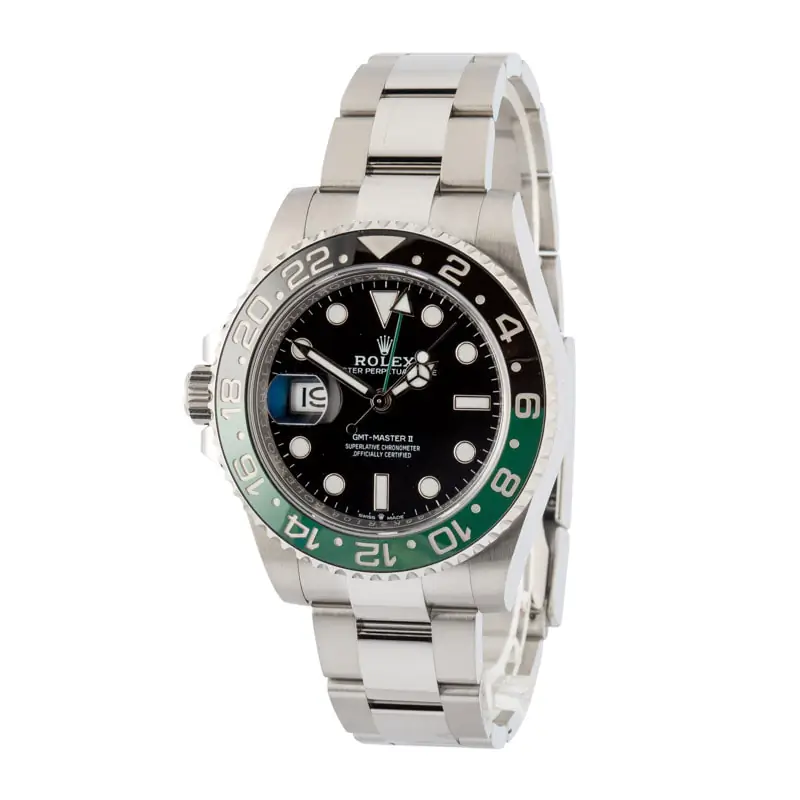
Daily Practices for Optimal Timekeeping
Here’s a thought: the best repair is the one you never need because you took good care of your watch. Even though Rolexes are tough, they’re still finely-tuned machines.
Try to keep it away from really strong magnets, like in speakers, MRI machines, or those magnetic clasps on bags and tablet covers. If you swim with it, get a pro to check the water resistance every year or two.
Old, worn-out gaskets can let water in and ruin the movement. Got an automatic model you don’t wear every day? Use a watch winder, or just give it about 40 winds by hand once a week.
This keeps the oils inside moving around like they should. After it gets sweaty or hits saltwater, just give it a quick wipe with a soft cloth.
Establishing a Sensible Service Schedule
For the long haul, don’t just wait for it to stop working. The usual advice is to service a mechanical watch every 5 to 10 years, but it really depends on how you use it.
If you wear it every day and are pretty active, you might need to service it closer to every 5 years. If it’s in a rotation with other watches or you only wear it now and then, it can often go 7 to 10 years between services.
But if you see it start to lose or gain time, don’t put it off. Fixing a small lubrication problem early can stop bigger wear and tear, saving you from a huge bill for new parts down the road.
Think of it like maintaining a high-performance car engine. It keeps your watch valuable and makes sure it’s reliable.
So, to wrap it up, if your Rolex has running issues, it’s time to call in the experts. Figuring out what’s wrong in the balance or gears, deciding between Rolex service or an independent shop—the way to get it fixed is pretty straightforward.
Spending the money on a proper service doesn’t just fix the timing problem now; it also protects your watch for the long run and keeps its value up. When you get how the service process works, what it costs.
and what the warranty covers, you’re in control. You can make sure your watch keeps running as perfectly as you expect.
So, has your Rolex ever given you trouble? Tell us about your service experience or the weirdest problem you’ve had with it in the comments. If you want to really get into the details of fixing specific Rolex movements, check out our full guide on troubleshooting different calibers.
FAQ: Rolex Service for Running Issues
So, how can you tell if your Rolex needs a service for running issues?
Look out for a few key signs. Is it consistently losing or gaining more than a few seconds each day? Maybe the seconds hand stutters or jerks. Or perhaps the watch just stops, even after you’ve wound it, or it doesn’t run as long on a full wind.
Basically, any sudden and big change in how it runs is a clear sign the movement needs a pro to check it out.
Alright, so how much does a Rolex service for accuracy problems usually set you back?
The price really depends on your specific model and what exactly needs fixing. A basic overhaul for a standard Oyster Perpetual at a Rolex Service Center starts around $800, with chronographs and complex models reaching $1,200 .
A certified independent watchmaker will often charge 20 to 40 percent less. The final bill depends on if any parts need replacing, which they figure out during the initial check-up.
Can you fix a fast or slow Rolex yourself?
Honestly, it’s not a good idea. Sure, if it suddenly runs very fast, demagnetizing it might be a simple fix. But most timing problems come from wear and tear inside, old lubricants drying up, or damaged parts.
If you try to open it up and tinker with the movement yourself—without the right tools, skills, or a clean workspace—you’ll probably just make things worse. Plus, you’ll void any warranty you have left.
How long does a full Rolex service usually take?
You can expect it to take anywhere from 4 to 10 weeks. Rolex Service Centers often say 6 to 10 weeks because they’re busy and parts can take time to get. A skilled independent watchmaker might get it done a bit faster, in maybe 4 to 6 weeks.
That time includes checking it out, ordering any parts, doing the careful service work, and finally, regulating and testing it to make sure it’s running right.
