
Why is my Rolex watch running erratically?
Why is my Rolex watch running erratically?

It can really throw you off when you notice your Rolex acting up—maybe it’s gaining minutes, losing time, or just stopping out of nowhere. That kind of slip-up from its famous accuracy usually means something’s wrong and needs a look. This guide digs into why a Rolex might malfunction. We’ll cover common causes like getting magnetized, taking a knock, or having lubrication issues. Plus, we’ll give you practical steps to figure out the problem and fix it. Getting a handle on this stuff is key if you want to keep your luxury watch running right and lasting a long time.
Recommended Products
You might be interested in these products
Here’s what we’ll cover:
- Why your Rolex might start running erratically
- How to figure out what’s wrong with your Rolex’s timekeeping
- How your environment and how you use it can affect your watch
- Should you fix it yourself or take it to a pro?
- Simple tips to keep your Rolex ticking accurately
- Wrapping up and what to do next
- Your next move
- Common questions answered
So, your Rolex is acting up? Here are the usual reasons why.
First up, let’s talk about magnets.
The main thing is to figure out if it’s magnetized and then fix that.
If your Rolex starts gaining a lot of time, magnets are often to blame. These days, magnets are everywhere—in your speakers, laptop, phone, even the clasp on your bag.
That tiny spring inside, called the hairspring, can get magnetized. When that happens, the coils cling to each other. This makes the watch tick faster, and it can gain minutes every single day. You can check with a simple compass test.
Just hold your watch close to a compass and turn it slowly. If the needle jumps, your watch is probably magnetized. A pro can demagnetize it for you, but you can also find cheap demagnetizers online if you want to try it yourself—just be careful.
The key is to keep your watch away from magnets.
Stopping it is pretty simple. Just don’t leave your Rolex near anything with a strong magnetic field. So, keep it off your stereo speakers and away from those magnetic pads.
Some Rolexes, like the Milgauss, are built to fight this. They have a special inner case that shields against pretty strong magnets. But even those watches have their limits.
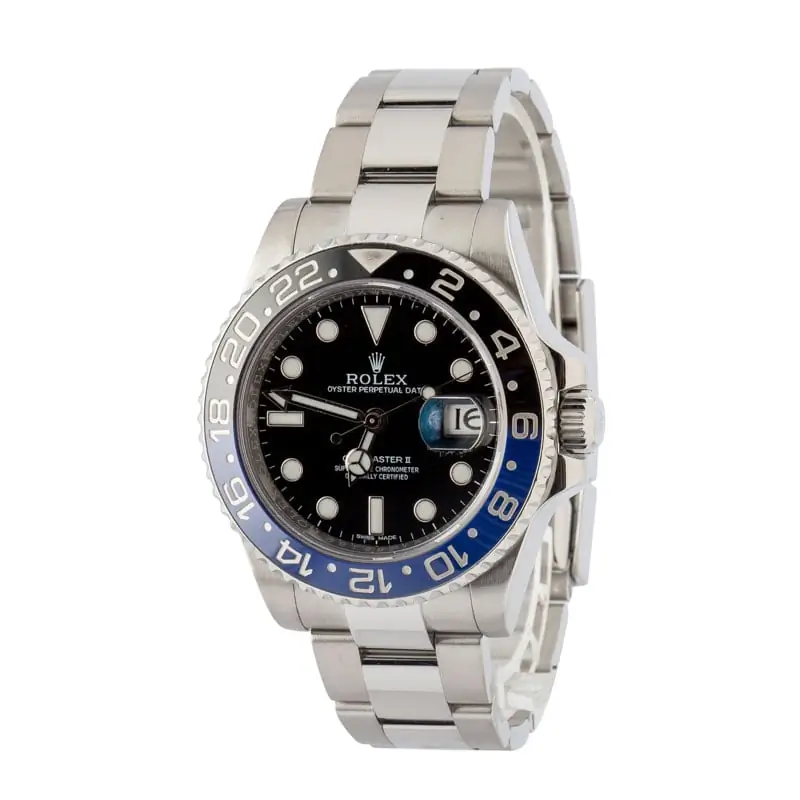
So, if your watch suddenly starts racing ahead after you’ve been somewhere new, think magnets first. It happened to my Submariner. I left it near some Bluetooth headphones, and it started gaining over half a minute a day. A quick trip to the watchmaker with his demagnetizer fixed it right up.
Next, let’s talk about bumps and knocks.
Basically, if it took a hard hit, you need to get it checked out by a pro.
A really hard knock can throw off the delicate balance inside your Rolex. It might knock the balance wheel out of whack, crack a tiny jewel, or even break a tooth off a gear.
You’ll usually see this as the watch running all over the place or just stopping dead. Even if it’s still ticking, hidden damage inside can make things wear out much faster.
So, if you gave it a good whack and now it’s acting weird, it’s time for a check-up. Rolexes have shock protection for everyday bumps, but a serious slam is a different story. A good watchmaker can take it apart, look at every tiny part under a magnifier, and swap out anything that’s broken.
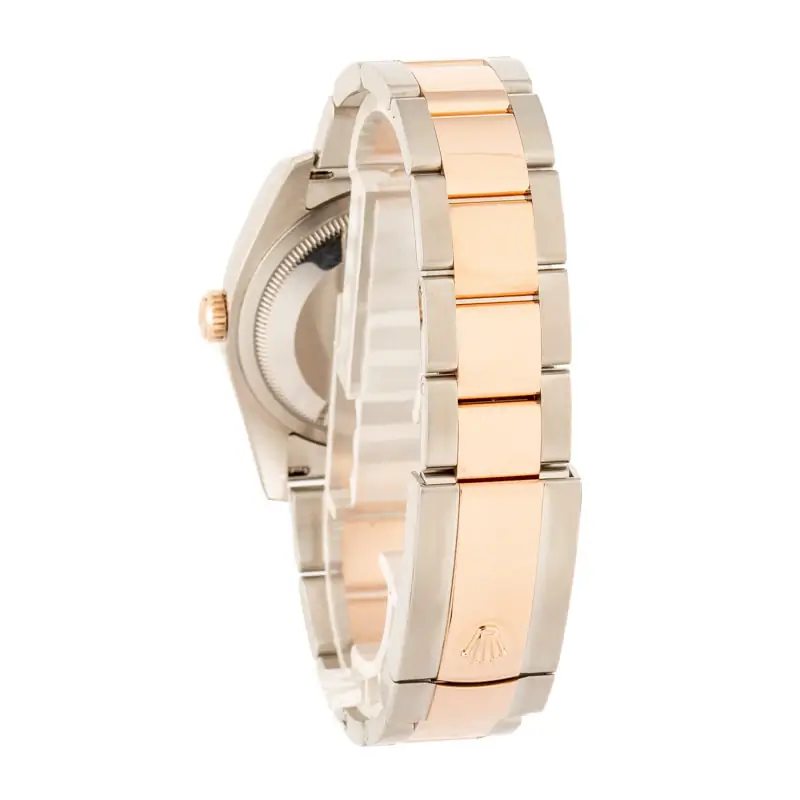
Figuring out why your Rolex isn’t keeping good time
First, do a simple check to see how accurate it is
Here’s the main thing: track how much it gains or loses each day.
Don’t freak out just yet. First, get some numbers on the problem. Grab a super accurate time source, like an atomic clock app, and write down your Rolex’s exact time.
Wear it like you usually do for a full day, then see how far off it is. A modern Rolex is certified to run between -2/ 2 seconds per day, but variations of -5/ 5 are often acceptable in real-world use.
Jot down if it’s always running fast or slow, and the exact amount. Next up, test it in different positions. Leave it overnight face-up, on its side with the crown up, and with the crown down. See if the timekeeping gets a lot worse in one spot.
That can point to a problem with the balance wheel or the oil inside. This info is super helpful for a watch repair person.
Another key step: listen closely and feel how it winds.
Give it a gentle shake next to your ear. A watch that’s working right will have a smooth, whirring sound from the rotor spinning.
If you hear grinding, a slow rotor, or a loud clunk, something’s probably wrong. Also, try winding the crown yourself about 20 to 30 times. It should feel smooth and get a bit tighter as you wind.
If it winds with no resistance or feels really stiff, there’s trouble inside. These easy tests can tell you if it just needs a simple tweak or a major repair job.
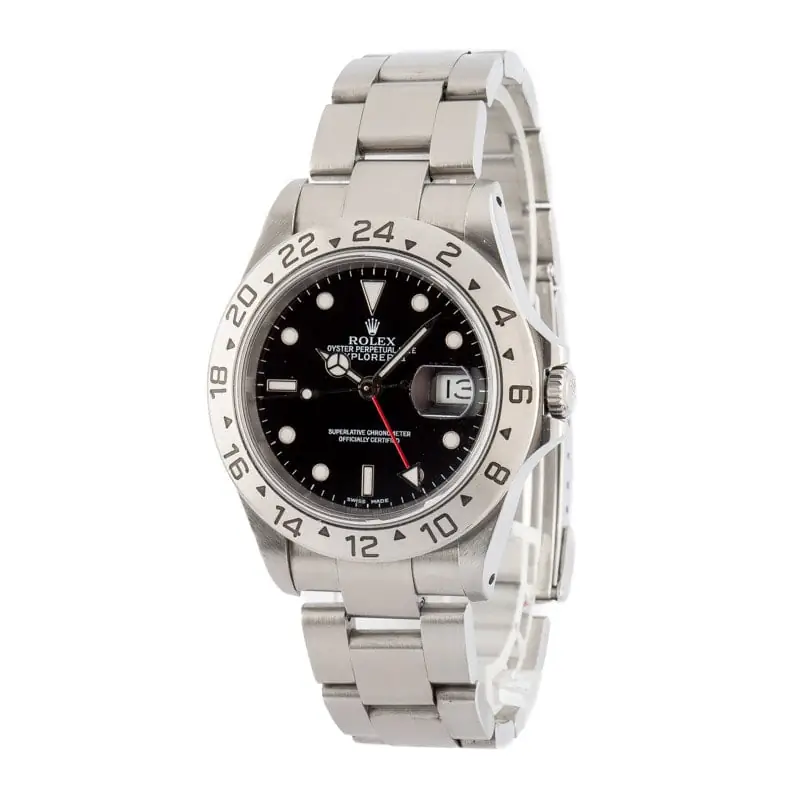
When the Oil Inside Goes Bad
The main idea here is to know what happens when the lubricants break down.
The oil in a watch doesn’t last forever. After years, it can dry out, get gummy, or just move away from the important moving parts.
That causes more friction. This messes with the balance wheel’s swing and makes the watch run erratically—usually losing time. If your watch is really slow, even after a full wind, old, gunky oil could be the culprit.
You can’t fix this yourself. Rolex says to get it serviced about every 10 years, but that depends on how you use it. If you wear it in dusty or damp places, it might need a service earlier.
The only fix is a full service from a pro. They’ll clean everything, put in fresh oil, and fine-tune the movement.
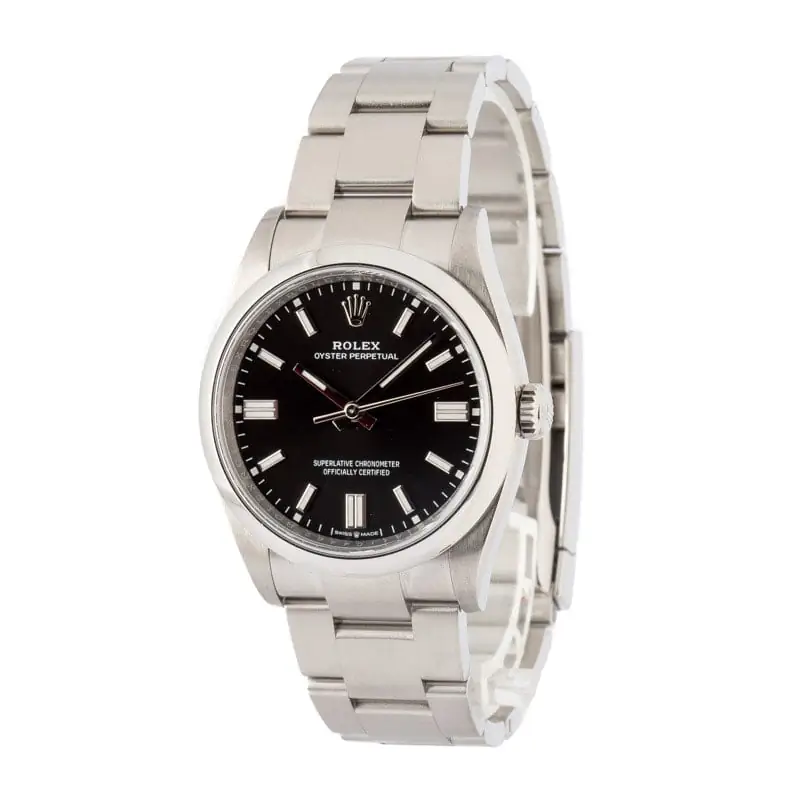
Environmental and Usage Factors
Temperature Extremes and Water Intrusion
First, you need to know what environmental factors can stress your watch.
Extreme temperatures mess with how your watch keeps time. When it’s very cold, the oils inside can get thick and make your Rolex run slow.
On the flip side, extreme heat can thin those same oils out, which might make it run fast. Sure, a Rolex is tough and can handle some of this, but if it’s constantly exposed, it can still cause problems.
But here’s the real biggie: water getting in is a silent killer. A worn-out seal, a crown that’s not screwed down tight, or even a tiny crack in the crystal can let moisture sneak in.
That moisture turns into condensation, and before you know it, you’ve got rust on the steel parts. That’s what causes your Rolex to run erratically and can lead to some serious damage.
If you ever spot fog under the crystal, take the watch off right away. Get it dried out and serviced as soon as you can.
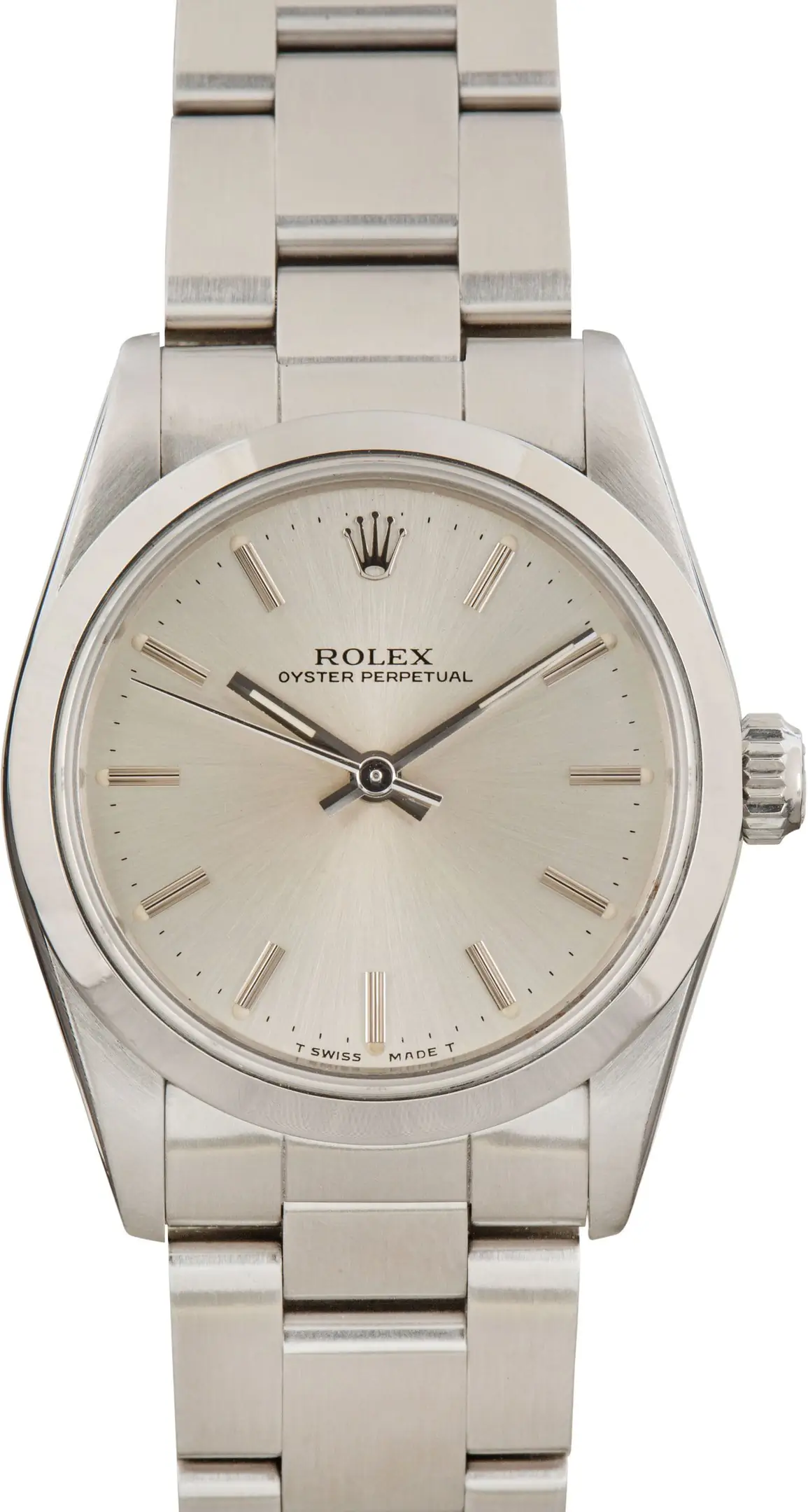
The Effects of Inactivity and Winding
Now, let’s talk about how to look after a watch you’re not wearing.
If you leave an automatic watch sitting in a drawer for too long, it can start having problems. The lubricants inside can settle or even get gummy in one spot.
So when you finally wind it up and put it on, it might run all over the place until those oils spread out again—that’s if they haven’t gone bad already. If you’ve got a collection, it’s a good idea to use a watch winder.
Or, just wind them by hand and let them run for a few hours every couple of months. Just remember, a winder isn’t a replacement for a proper service. In fact, if you run it non-stop, it can actually wear the watch out faster.
So, if your Rolex has been in storage and is running erratically, your best bet is usually a full service. That’s the way to get all the internal oils back to how they should be.
So, should you get it fixed professionally or try a DIY solution?
Let’s break down what a professional Rolex service actually involves.
First, you need to know what you’re paying for with a pro service.
Getting your Rolex serviced costs a pretty penny, but if it’s running all over the place, it’s usually a must-do.
A good watchmaker, whether from Rolex or a trusted independent shop, will do a full overhaul. They’ll take the whole thing apart, clean it thoroughly, swap out any worn parts like gaskets or the mainspring.
oil it up with the right stuff, put it back together, check the timing from every angle, test it’s waterproof, and give it a final once-over. You can also ask them to polish up the case and bracelet to make it look new again.
The price tag depends on your specific model, but don’t expect it to be cheap. The upside? Your watch will run like it just came out of the box, and you’ll get a fresh warranty on the work.
| If you tell them… | They’ll probably find… | And here’s what they’ll do about it. |
|---|---|---|
| The hairspring’s magnetized. | They’ll demagnetize it, adjust the timing, and test it. | |
| The oils have dried up or gotten gunky. | A full movement overhaul is needed. | |
| A gear might be damaged or a jewel broken. | They’ll replace the bad part, clean everything, and re-oil it. | |
| The hairspring could be rubbing, or there’s a balance wheel problem. | They’ll adjust the hairspring and balance the wheel. |
Now, let’s talk about the risks of trying to fix it yourself.
Bottom line: think hard about the risks before you grab your tools.
Sure, you could *theoretically* tweak the regulator through the back to fix a slight timing issue, but for Rolex owners, it’s a really bad idea.
That movement is super precise and incredibly delicate. One wrong move can make the timekeeping even worse or wreck the hairspring. Just popping the case open ruins its water resistance unless you’ve got the exact right tools to seal it back up tight.
If you use fake parts or the wrong oil, you’ll permanently hurt both the watch’s performance and its value. Unless you’re just demagnetizing it with the right tool—and that’s still risky—a DIY disaster will end up costing you way more than a professional service ever would. Your best bet is always to talk to a specialist.
Want your Rolex to keep perfect time? Here’s how to maintain it.
Let’s talk about daily care and good habits.
The key is to set up a regular maintenance routine.
To stop your Rolex from running erratically, start with simple daily care. After it gets sweaty or hits saltwater, just give it a gentle wipe with a soft cloth.
Always screw the crown down tight to keep it waterproof. Keep it away from harsh chemicals, strong cleaners, or even your cosmetics. If you swim with it often, get a pro to check the seals every year or two.
Also, watch out for heavy vibrations. Things like power tools can mess with your watch’s accuracy. When you’re not wearing it, store it somewhere cool, dry, and far from magnets. Sticking to these habits means you can go longer between major services.
| Time Interval | Recommended Action | Purpose |
|---|---|---|
| Every 1-2 Years | Water resistance pressure test | Ensure seal integrity, prevent moisture damage |
| Every 5 Years | Visual inspection by a watchmaker | Early detection of wear, lubrication check |
| Approx. Every 10 Years | Complete movement service (Rolex recommendation) | Overhaul, re-lubrication, regulation, part replacement |
| As Needed | Demagnetization if symptoms appear | Correct fast running due to magnetic exposure |
Getting the right tools and know-how.
The main idea is to get some basic gear to keep an eye on things.
If you’re into watches, a few simple tools let you check on its health without opening it up.
A timegrapher is the best tool—it shows you the beat rate, amplitude, and error on a screen. But it’s pricey. A cheaper option is a good phone app. It uses your microphone to give you the basic timing info.
A loupe, or magnifier, lets you peek at the dial, hands, and crystal for any moisture or damage. With a spring bar tool, you can safely take the bracelet off for a good clean. But honestly, the most important thing you can have is knowledge.
Knowing when to tinker and when to call a pro is what keeps your watch valuable and running right.
Conclusion and Next Steps
If your Rolex is running erratically, it could be due to a bunch of different things.
The cause might be as simple as it getting magnetized, or it could involve more complex mechanical wear and tear. You can figure out what’s likely wrong by doing a systematic check.
Look for signs of magnetism, keep an eye on how fast or slow it’s running, and think about how you’ve been using it. Sometimes a quick tweak or demagnetizing it will do the trick.
But if the problem keeps coming back, you’ll probably need to take it to a pro. That’s the best way to make sure it stays reliable for the long haul. Just remember, a Rolex is a finely tuned piece of machinery.
Taking good care of it is a big part of owning one. If you ignore the early warning signs, you might end up with much worse—and much costlier—damage down the road.
Actionable Call to Action (CTA)
Ever noticed your Rolex suddenly running fast or slow? That’s a common issue. Drop a comment below about your experience and how you fixed it.
Your story could really help other Rolex owners out. Want to really understand what makes your Rolex tick and when it needs a service? Check out our full guide on Rolex movements and service schedules. It’ll help you take better care of your watch.
Here are some common questions people have.
So, can a magnetized Rolex just fix itself?
Nope, it won’t fix itself. Once the hairspring gets magnetized, it stays that way until you actively demagnetize it. Sure, moving the watch away from magnets stops it from getting worse.
But the magnetism already inside keeps the hairspring coils stuck together. That’s what makes your Rolex run fast all the time. A pro can fix this fast with a degaussing coil. It’s a quick, simple fix that zaps the magnetism right out of the steel parts.
What’s the cost to fix a Rolex that’s running all over the place?
The price really depends on your watch model and what exactly needs fixing. For a basic model like a Datejust, a standard service at a Rolex center might start at $800 to $1,200.
But for fancier watches like a Daytona, you could be looking at over $1,500. You might find cheaper rates with independent watchmakers. Just make sure they’re trustworthy and use real Rolex parts.
The final bill comes down to the shape of the movement inside. If it needs big parts replaced—like a mainspring or the whole balance—that’ll bump up the cost.
Is it a problem if I let my automatic Rolex wind down and stop?
Letting it stop isn’t going to ruin the movement right away. The oils inside these days can handle sitting still for a while. But if you leave it stopped for years, those oils can get gummy or settle.
Then, when you start it again, it might run erratically or wear out faster. A good rule of thumb is to wind it up and let it run for a few hours every month or two if you’re not wearing it regularly.
For really long storage—over a year—it’s okay to let it stop. But you might want to get it serviced before you start wearing it daily again.
Why does my Rolex only run fast when it’s on my wrist?
If it’s fast only on your wrist, it might be a positional error thing. Your specific movements could be making it worse. A tiny flaw in the balance wheel or a hairspring that’s not perfectly flat can make the watch run at different speeds depending on its position. So, your everyday activity might just keep it in the position where it runs fast. Or, it could be a bit magnetized. The shaking from wearing it might be affecting the already-magnetized hairspring. A watchmaker can figure this out. They’ll put it on a timegrapher and check how it runs in different positions—like face up, crown down, and so on.
