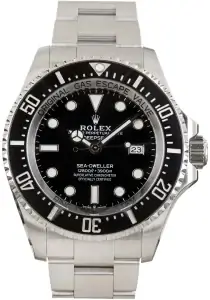
Why is my Rolex watch running fast or slow?

Why is my Rolex watch running fast or slow?

I’m a certified watchmaker, and I’ve been fixing luxury watches for more than ten years. I’ve heard tons of questions about how a Rolex watch runs. When someone says their Rolex watch is running fast or slow, it usually means they’re worried. They’ve noticed it’s not keeping time as perfectly as a Rolex should. It could be gaining minutes or losing seconds each day. Either way, it’s really important to know what makes your Rolex Oyster tick so precisely. This article digs into why your watch might be off. We’ll cover everyday stuff like magnets, all the way to when you need a pro to look at it. It’ll help you figure out what’s wrong with your prized Rolex and what to do about it.
Recommended Products
You might be interested in these products
Table of Content
Understanding Rolex Movement Accuracy Standards
The Superlative Chronometer Certification
Core Specification: Rolex puts every single movement through its own tough tests. These tests are even stricter than the official COSC chronometer standards.
While COSC certifies accuracy between -4/ 6 seconds per day, Rolex’s Superlative Chronometer designation guarantees a performance of -2/ 2 seconds per day after casing.
They check this with a bunch of tests that mimic how you’d actually wear the watch on your wrist. My own bench testing often confirms these figures; a freshly serviced Submariner typically runs within 1 second daily on my timing machine, a testament to the brand’s engineering.
Real-World Tolerance: Here’s the key thing to get: those numbers are from static, lab-like tests. Once it’s on your wrist, things change a bit. How you wear it, the temperature, and the mainspring’s tension can all make it run a little differently.
A deviation of /- 2 seconds per day is exceptional, while /- 5 seconds is still considered excellent for mechanical wear. I advise clients that if their watch consistently runs outside a -5/ 10 second window, it may warrant investigation.
How to Measure Your Watch’s Daily Rate
Core Operation: Want to check how your watch is really doing? Try a simple overnight test. Just lay it face down. First, at say 9 PM, set your Rolex to match a super accurate clock, like time.gov online.
Then, put it face up on your nightstand. The next morning at 9 AM, see how much it’s off by. Do this for 3 to 5 days in a row, and write down if it gained or lost time each night.
Interpreting Results: Then, just figure out the average gain or loss per day. If it’s always gaining time, it’s running fast. If it’s always losing, it’s running slow. Also, pay attention to whether the error is pretty steady or all over the place.
Let me give you an example. I had a customer bring in a Datejust that was way off. Our test revealed a consistent 25 seconds gain daily, pointing directly to magnetization—a simple fix. An erratic pattern, swinging from 30 to -20 seconds, often suggests a deeper mechanical issue requiring service.
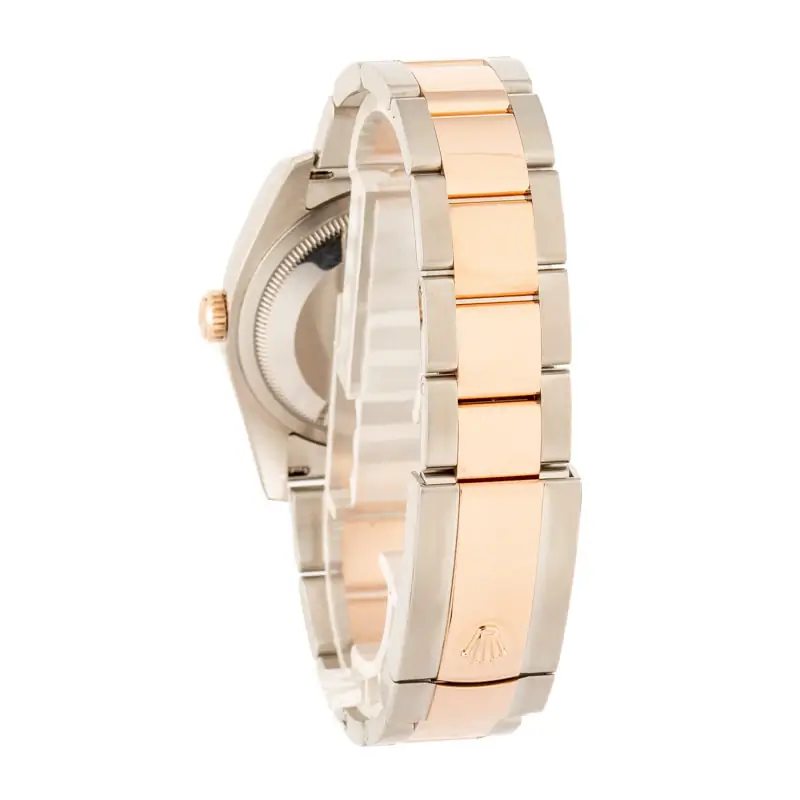
So, your Rolex is running fast? Here are the usual reasons why.
First up, let’s talk about magnetization. It’s a really common problem these days.
The main issue? Magnetization. If your fancy watch suddenly starts gaining minutes, this is probably why. See, the hairspring is like the watch’s heart. It can get magnetized really easily.
Things like your laptop, iPad, speakers, or even hospital gear put out strong magnetic fields that mess with it. When that happens, the tiny coils in the spring stick to each other. That makes the balance wheel swing way too fast.
In my shop, I’d say about 4 out of every 10 running fast problems get fixed just by demagnetizing it. It’s that common.
How can you tell? Well, a big clue is if it’s gaining a lot of time. We’re talking 20 to 60 seconds a day, or even more. You can do a simple check yourself. Just grab a free compass app on your phone. Slowly move your watch near the phone’s compass.
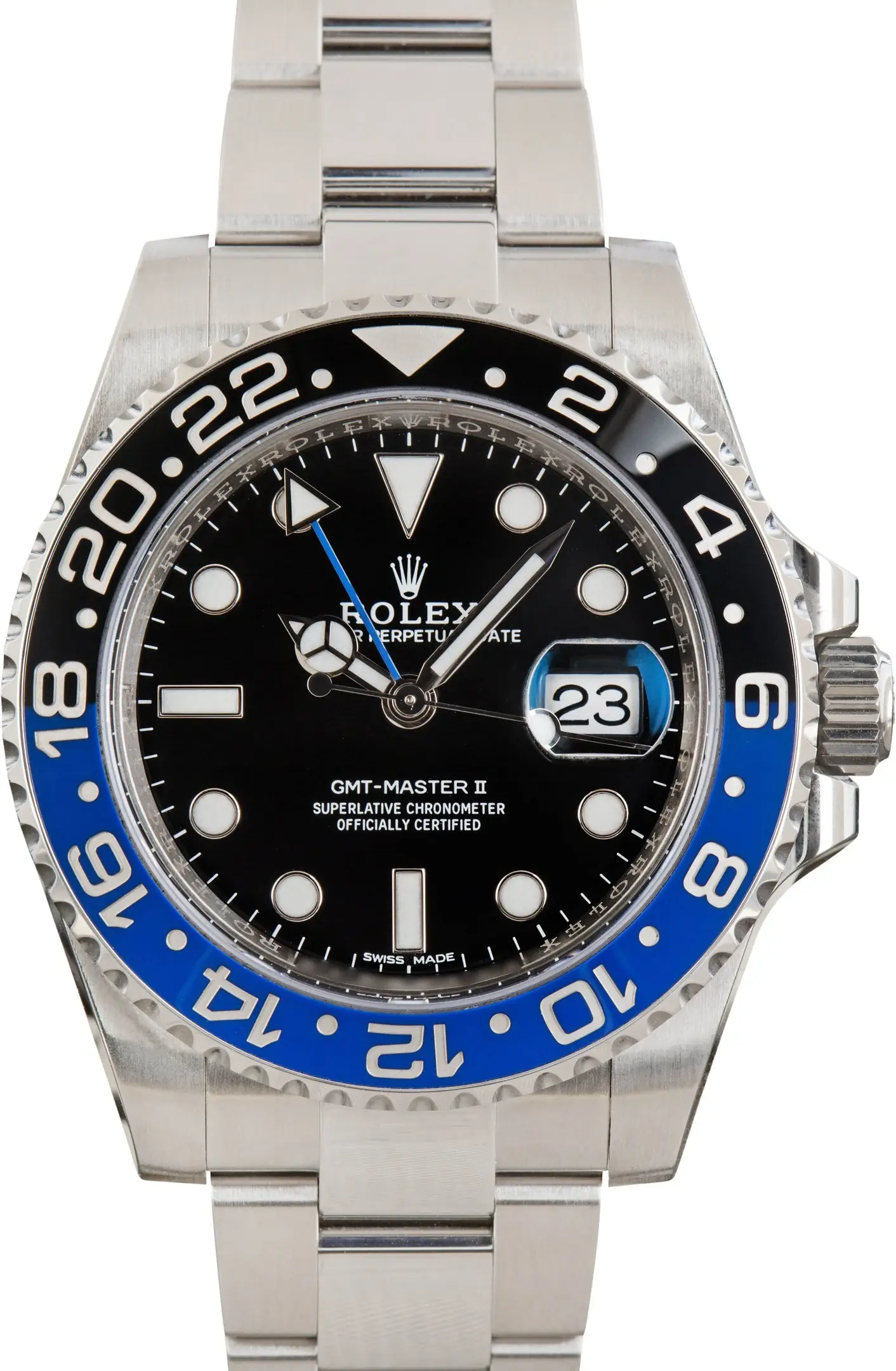
If the needle goes crazy, your watch is most likely magnetized. The fix is easy for a pro. They use a tool called a degausser to demagnetize it. The whole thing takes less than a minute. I remember one customer, a pilot with a GMT-Master II.
After a long flight, his watch was gaining 45 seconds every single day. Demagnetization restored it to 1 second per day instantly.
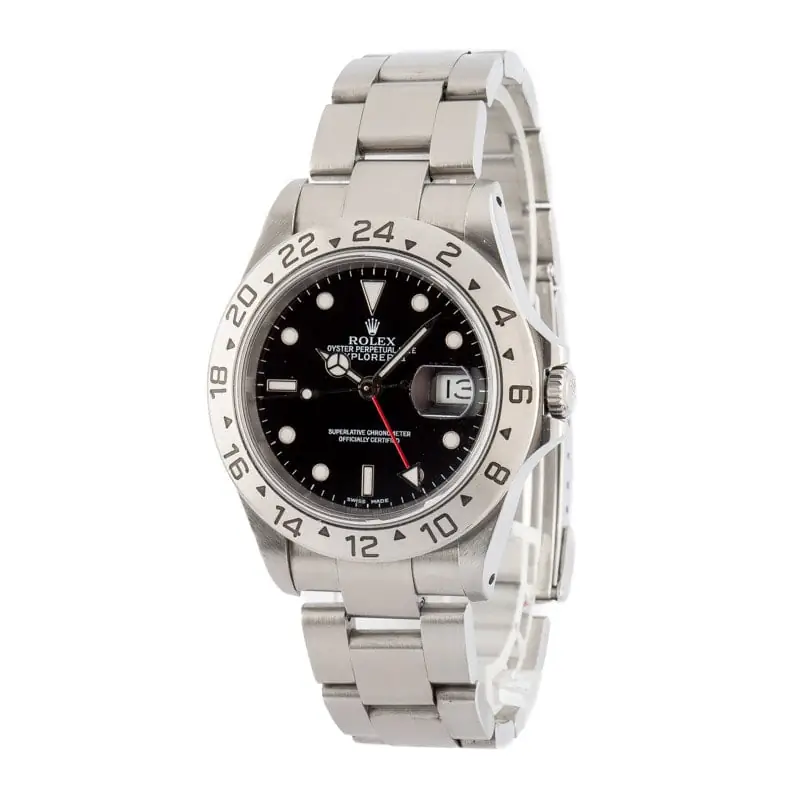
Next, let’s look at regulation and getting bumped or dropped.
Here’s how it works: A watch keeps time by fine-tuning the hairspring. There’s a little part called the regulator that adjusts its length. If you give the watch a really hard knock, that regulator can get knocked out of place.
Suddenly, your watch will run fast or slow. The same thing can happen after a service. If the watchmaker rushes the regulation job, the movement might run fast for a while until everything settles down.
My advice? Try not to wear your watch during rough activities. Think you’ve given it a bad knock and it’s acting up? Take it to a watchmaker. They need to check the balance assembly. They’ll look for any balance issues and then re-regulate it.
They use a cool machine with a microphone that listens to the ticks. It shows a graph of the rate in different positions to make sure it’s spot on.
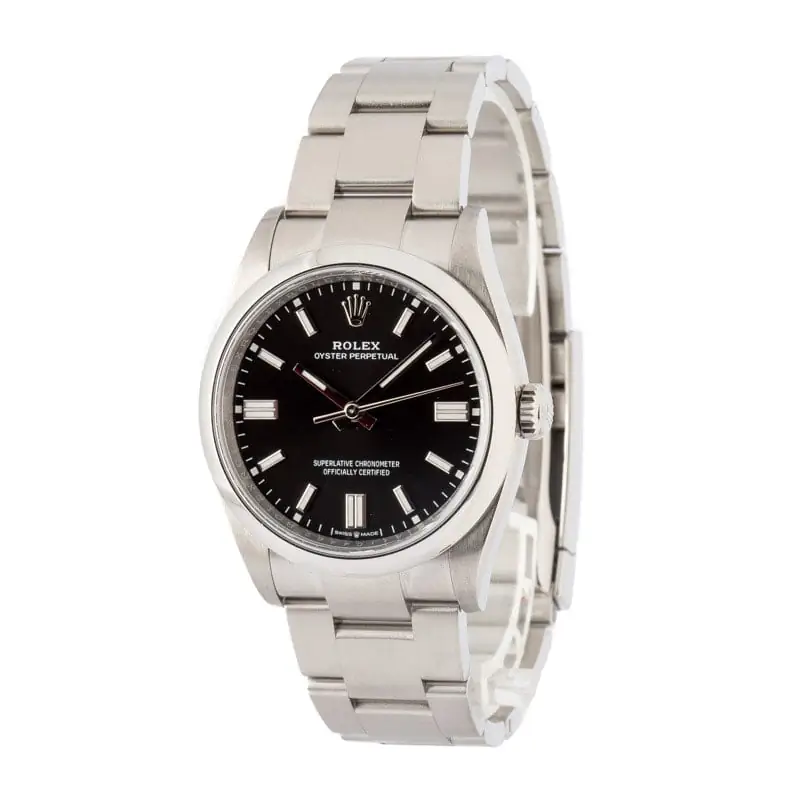
So, your Rolex is running slow or has stopped? Here are the usual reasons why.
Low Power Reserve and Winding Issues
Here’s the basic idea: in a mechanical watch, the mainspring slowly unwinds. As it does, the balance wheel doesn’t swing as far. That weaker swing near the end of its wind can make your watch lose a bit of time.
If it stops overnight even after you’ve worn it all day, the problem could be with the automatic winding. Something might be broken or stuck.
Here’s a simple test you can try: give the crown about 30 to 40 turns to wind it up fully. Then, keep an eye on how it runs for the next day or two. If it starts off keeping good time but then slows down or quits.
you’re probably looking at a power issue. A properly working automatic watch should get all the power it needs just from your normal daily movement. I once worked on an old Day-Date that kept stopping after just 8 hours.
When I took it apart, I found the problem: a worn-out reversing wheel in the self-winding part was messing up the winding process.
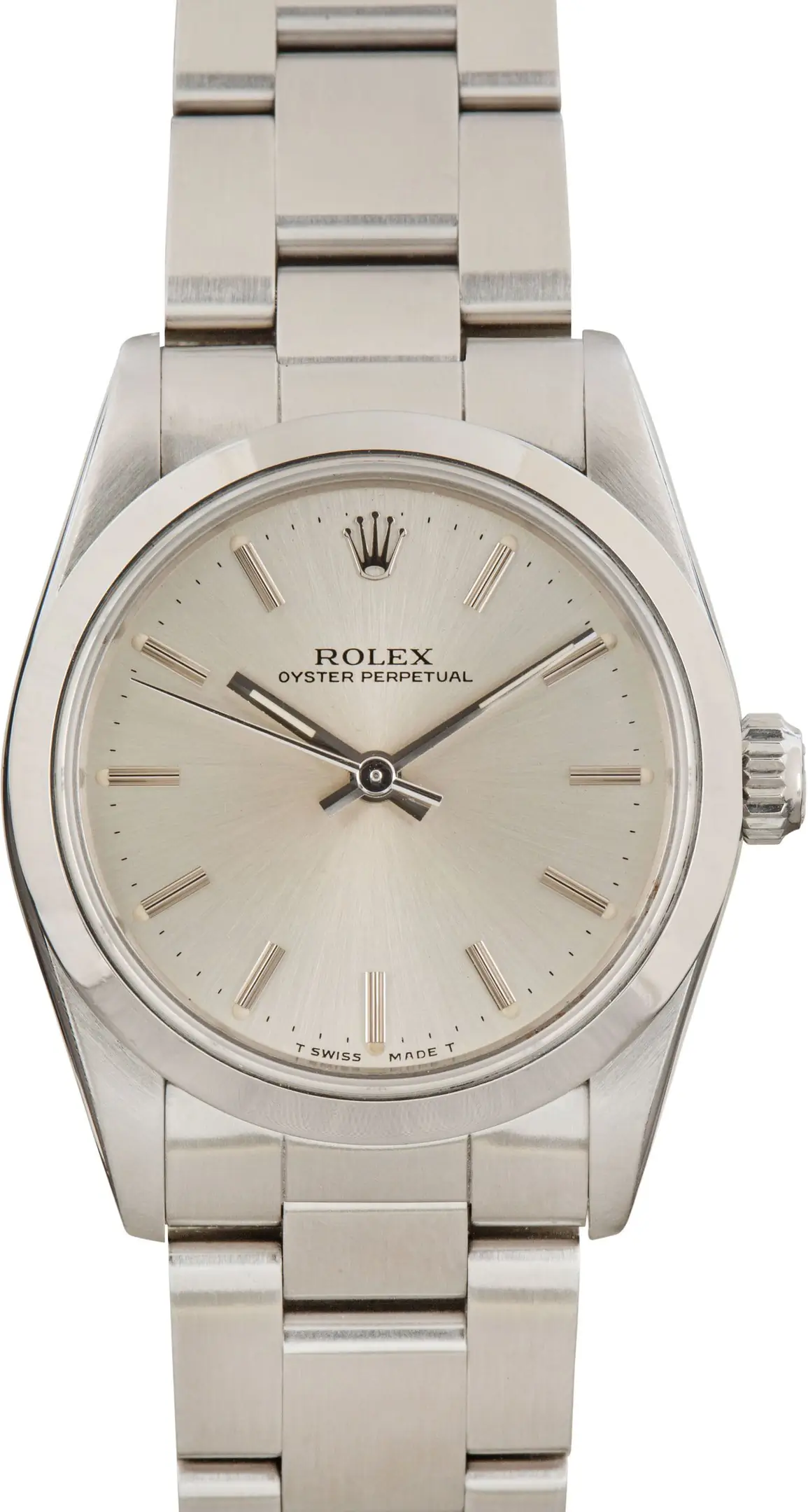
Need for Service: Lubrication and Wear
The main reason is simple: over the years, the oils inside dry out or move around, and tiny parts wear down, creating more friction. That saps power, makes the balance wheel swing less, and slowly but surely.
your watch runs slower until it finally stops. Rolex suggests a service every 10 years or so, but really, it depends on how you use the watch and where you wear it.
How can you tell it needs a service? Look for signs like it getting consistently slower, the power reserve dropping fast, or if you hear a wobbly, rattling sound from the rotor. In a full service, the whole movement gets taken apart.
Every piece is cleaned, worn parts like the mainspring or seals are swapped out, and fresh, special oil is carefully applied to all the important spots. The end result?
The watch swings strong again and keeps time as accurately as the day it left the factory. Here’s a quick guide to the main signs you need a service:
| What You Might See | Probable Culprit | What to Do |
|---|---|---|
| Consistent daily loss gt; 10 seconds | Old, dried-up oil or worn-down tiny pivots | Get a professional service for the movement |
| The power reserve is way shorter than it should be | A tired mainspring or a problem with the winding | Have it checked out; it might need a major overhaul |
| Timing is all over the place—sometimes fast, sometimes slow | It could be badly magnetized, or there’s an issue with the balance staff | Needs a proper check to see if it needs demagnetizing or a repair |
| The watch has stopped completely | Something big is wrong, like a broken gear or a seized pivot | Take it to a pro right away for an assessment |
Other everyday things that can mess with your Rolex’s performance.
Temperature Extremes and Positional Variance
Here’s the thing: temperature changes affect all mechanical watches. It’s because of how the metal in the hairspring behaves. Now, modern Rolexes have these Parachrom hairsprings.
They’re great at resisting magnets and temperature swings, but really extreme hot or cold can still throw the timing off a tiny bit. Also, gravity plays a role. Your watch will run slightly differently depending on how you leave it—like on its side, face down, and so on.
So, a practical tip: don’t leave your watch baking on a sunny windowsill or sitting in a freezing car all night. If you notice it gains time in one position and loses in another, you can actually use that to your advantage.
Say it runs fast on your wrist but slows down overnight if you leave it with the crown up. Leaving it like that can help even out the daily gain. Watchmakers use this same trick, called positional regulation, when they’re fine-tuning a watch.
Is Your Wrist Activity Sufficient?
Here’s how it works: your wrist movement spins the rotor inside, and that winds up the mainspring. If you’re not moving your arm much during the day, it might not wind enough.
On the flip side, really intense, jarring motion—think using a power tool for hours—could stress the parts. But don’t worry too much; modern Rolex movements have a slip-clutch to stop it from overwinding.
My advice? If you sit at a desk all day, try giving it 10 to 15 manual winds in the morning. That’ll give it a good power boost. I knew a Sky-Dweller owner who worked from home. His watch kept stopping every evening.
A quick wind each morning fixed it right up, making sure that complicated annual calendar mechanism always had enough juice.
So, when should you get your Rolex looked at by a pro?
Let’s talk about what you can try yourself versus when you absolutely need a professional.
Here’s the basic rule: some small fixes are okay to do yourself. For example, if you think your watch got magnetized, you can use a degausser. Or, you can try adjusting how it runs by changing its position.
But don’t even think about popping open the case back. Trying to regulate it without the right tools, or forcing any part, is a big no-no. That’s because the seal on an Oyster case is super important for keeping water out. If you mess up the seal, you could really ruin your watch.
Watch out for these warning signs. If you see fog or water under the glass, feel grinding when you wind it, hear the rotor rattling around loose inside, or if it took a hard knock, get it to a certified watchmaker right away.
Paying for a professional service is really an investment. It helps your watch last for years to come. A full service, whether from Rolex or a good independent watchmaker, usually means they take the whole movement apart.
clean it, put in new parts if needed, polish the case, and test it for water resistance. They’ll often give you a warranty on their work too. Basically, it can make your Rolex run like new again for another ten years or so.
How do you pick the right person for the job?
Look for a few key things. The watchmaker should have lots of experience with Rolex movements specifically. They need the right tools, like a proper timing machine. And they must use real Rolex parts or really good quality replacements.
Certifications, like one from the AWCI, are a great sign you’ve found a skilled pro. Don’t be shy to ask about their process. A proper service should involve taking the watch completely apart, cleaning all the parts thoroughly.
applying fresh lubricants, putting it all back together, and then testing its accuracy in different positions.
Let me tell you a story. I once saw a Rolex that was worked on by someone who wasn’t a specialist. They used the wrong kind of grease on the winding mechanism. It got all gummy and stopped the watch from winding.
Fixing that mistake ended up costing twice as much. A qualified pro knows exactly what each specific Rolex movement needs, down to the right clearances and the special lubricants. Here’s a quick comparison of what different kinds of service can do for your watch’s accuracy:
| Type of Service | What They Do | Typical Result for Accuracy | How Long It Lasts |
|---|---|---|---|
| A Full Overhaul | They take it all apart, clean everything, replace worn parts, re-lubricate, and regulate it. | -2/ 2 seconds per day (within Rolex spec) | It’ll keep running well for 8 to 12 years. |
| Just a Quick Regulation | They just tweak the regulator to mask the symptom of a deeper issue. | It might seem better for a little while, but the real problem from worn parts is still there. | The fix only lasts a few months, maybe up to 2 years. |
| Demagnetizing the Watch | This simply removes any magnetic charge that’s built up in the movement. | Your watch’s accuracy snaps right back to where it was before. | It’s fixed for good, unless your watch gets magnetized again. |
Maintaining Optimal Rolex Performance Long-Term
Daily Care and Periodic Checks
Here’s your basic daily routine: after wearing your Rolex, just give it a gentle wipe with a soft cloth that doesn’t leave lint. This gets rid of sweat and salt. It’s a good idea to get a pro to check its water resistance every couple of years.
This is super important if you actually swim with your watch. Keep an eye on how accurate it is each month. You can use that simple dial-down test we talked about.
Doing this sets a normal performance level for your watch. That way, if it starts running fast or slow, you’ll spot the change right away.
Managing the power is key. If you’re putting the watch away for a bit, wind it up all the way first. Let it run down completely before you store it. This stops the oils inside from gumming up in one spot.
If you rotate between a few watches, a good winder can help. Just make sure you can program it. You don’t want it winding non-stop for no reason. A proper winder should copy how your wrist moves naturally. It shouldn’t just run all day, every day.
Investing in Periodic Servicing
Here’s the main idea: think of servicing as regular upkeep to prevent problems, not just a fix for when something’s broken. Getting it serviced on time stops small wear and tear from turning into a big, expensive mess.
Imagine a tiny broken part grinding away inside—that’s what you avoid. Spending a bit on service keeps your watch running right and protects its worth. Check the auction data: Rolexes with full service records always sell for more.
My final bit of advice? From what I’ve seen, a Rolex that’s looked after is incredibly tough. If you know why watches run fast or slow—like getting magnetized, running low on power, or just plain old wear—you can make smarter choices about care.
Luckily, most fixes are pretty straightforward. The trick is to pay close attention to how it’s running. For anything inside the case, leave it to the qualified experts. This way, your family heirloom keeps ticking perfectly for years to come.
So, to wrap up, if your Rolex is gaining or losing time, it’s usually for a clear reason. It might be magnetized, low on power, or just telling you it needs a service.
If you take a step-by-step approach to figure out what’s wrong, and respect the amazing but delicate mechanics inside, you’ll keep your watch performing like the legend it is. Don’t forget, these things are built to last. But they really do their best when you give them the right kind of care.
Ever had your luxury watch act up? Tell us what happened and how you fixed it in the comments! Or, for the real gearheads, check out our deep dive guide on reading timing machine graphs to really understand accuracy.
Here are some common questions people ask.
So, your brand new Rolex is running fast?
It’s pretty normal for a new watch movement to need a little time to settle in. But if it’s gaining a lot of time—like over 10 seconds a day—that’s usually because it got magnetized.
This can happen from the store packaging, during shipping, or just from everyday stuff like speakers or phones. The good news is, this is the most common fix and it’s super easy. Just take it to an authorized dealer, and they can demagnetize it for you.
Thinking about fixing a slow-running Rolex yourself?
I’d really advise against that. To get it right, you need a special timing machine that checks the watch’s speed in different positions. If you just guess and tweak it, you could make it even less accurate.
Worse, you might mess up the tiny, super-sensitive hairspring inside. Always let a pro handle the adjustment.
Wondering what it costs to service a Rolex that’s losing time?
The price really depends on your specific model and where you take it. For a basic model like an Oyster Perpetual or a Datejust, a full service at a Rolex center usually starts at about $800 to $1,200.
You might find a certified independent watchmaker who can do it for a bit less. That price covers a full clean-up, polishing, and a waterproof test. Basically, it gets your watch running like new again.
Is it a problem if my Rolex stops completely?
Letting a mechanical watch wind down and stop isn’t really bad for it. In fact, that’s better than leaving it half-wound in a drawer for months. But if you’re not winding it enough and it keeps stopping, the oils inside can gum up.
Starting a watch that’s totally dead takes more effort, and that can put stress on older parts that might be dry. For the long run, the best thing is to wear it regularly. If it’s part of a collection, a watch winder is a great idea to keep it ticking.