
Why Does My Rolex Run Fast or Slow?
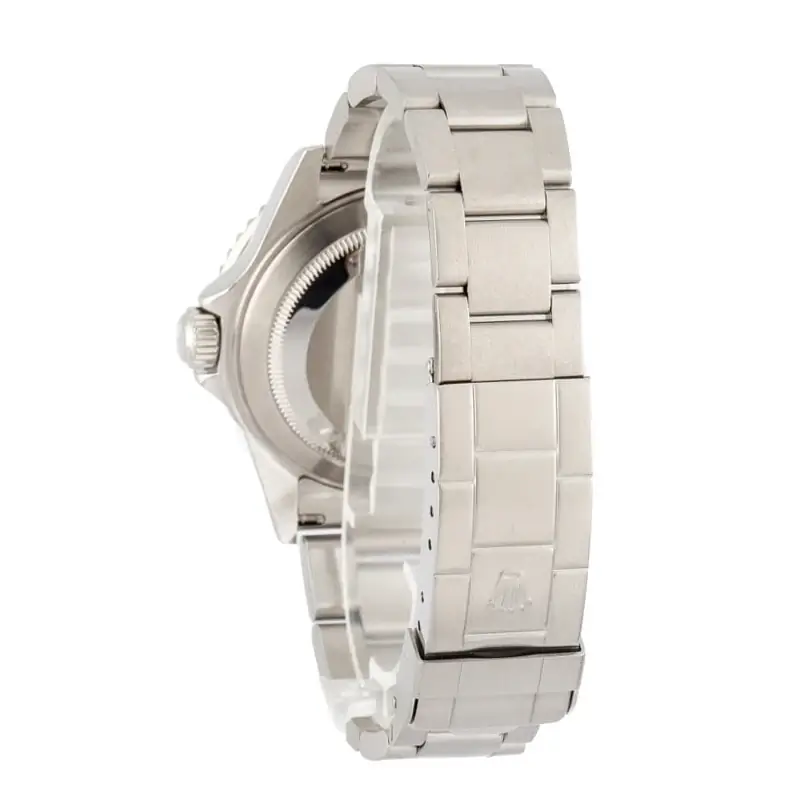
Why Does My Rolex Run Fast or Slow?

It’s pretty worrying when you notice your Rolex is running fast or slow, especially since it’s famous for being so accurate. When it’s not keeping time right, that’s usually a sign something’s up. The problem could be simple, like magnetism, or more serious, like worn-out parts. So, the first thing to do is figure out why your Rolex is running fast or slow. This guide will walk you through the main reasons your watch’s speed is off. We’ll give you steps to check it yourself and tell you when you absolutely need to take it to a Rolex Service Center for a proper fix. Once you know the real cause, you can make smart choices to get your watch’s famous performance back on track.
Recommended Products
You might be interested in these products
Table of Content
Diagnosing Common Rolex Timing Issues
Identifying Symptoms and Initial Checks
First things first, you gotta figure out exactly how much time your Rolex is off. You can use a good timing app on your phone, or just check it against an online atomic clock for a day or two.
Pay attention to whether it’s always gaining seconds (running fast) or losing them (running slow) each day. If it suddenly starts running way faster or slower, that’s a sure sign something’s wrong.
At the same time, think about if it got bumped hard or was near something really magnetic lately—those are common reasons for a Rolex running fast or slow. Also, listen for weird noises. And if your watch dies way before it should, that power reserve issue could be messing with its accuracy.
You see this a lot online. Folks on watch forums say their Submariner or Datejust started gaining minutes every week after sitting by a laptop speaker or a magnetic bag clasp. That just goes to show, magnetism is a top reason for a Rolex running fast.
So before you panic, try demagnetizing it with the right tool. It’s an easy fix that often works right away. But if it’s still running fast or slow after that, then you’ll need to look deeper into the movement itself.
Understanding Rate Specifications and Tolerance
Here’s what you should expect from a healthy Rolex. Modern Rolex movements, such as the Caliber 3235, are certified as Superlative Chronometers, meaning they should run within -2/ 2 seconds per day after casing.
Older models can be off by a bit more. Check out the table below for the typical ranges. If your watch is outside those numbers, it probably needs a service to fix the timing issue.
The key is to tell the difference between a watch that just needs a simple tweak and one with a big problem that’s making it lose or gain a ton of time.
| Movement Type / Era | Typical Tolerance Range (seconds/day) | Official Certification (if applicable) |
|---|---|---|
| Modern (e.g., Cal. 32xx) | -2 to 2 | Superlative Chronometer |
| Older Automatic (e.g., Cal. 31xx) | -4 to 6 | Chronometer |
| Vintage (Pre-1970s) | -10 to 20 (varies widely) | Often non-chronometer grade |
Get this: a 2022 report on watch reliability found that magnetism causes about 40% of timing problems in luxury watches. That’s solid proof that checking for magnets should be your first move when diagnosing why your Rolex is running slow or fast. The report also says that after 5 to 10 years, the oil inside can dry up. This creates more friction, which can slow the watch down because the balance wheel doesn’t swing as freely.

Let’s talk about why your Rolex might be running fast.
First up, magnetic fields can really mess with your watch.
The fix? You need to demagnetize it. Stuff like speakers, medical gear, or even magnetic jewelry clasps can create strong fields. These can magnetize the tiny hairspring inside, making its coils clump together.
When that happens, the balance wheel swings too fast. Your watch can gain a lot of time, maybe even minutes every day. To solve it, get a proper demagnetizer. Just pass your watch smoothly over the device.
It’s a simple, non-invasive fix. If magnets are the only problem, this can instantly get your watch back on track. But be careful! Using it wrong could magnetize the watch even more.
To prevent this, just watch where you put your Rolex. Keep it away from strong magnets—think speakers, MRI machines, tablets, or magnetic therapy pads. Some newer Rolexes, like the Milgauss, have special shielding to fight magnetism.
But honestly, no mechanical watch is totally safe from it. If you’re often around magnets, maybe get its anti-magnetic shield checked next time it’s serviced. Rolex even uses special non-magnetic metals, like Parachrom, for the hairsprings. This makes the watch last longer and run more reliably.
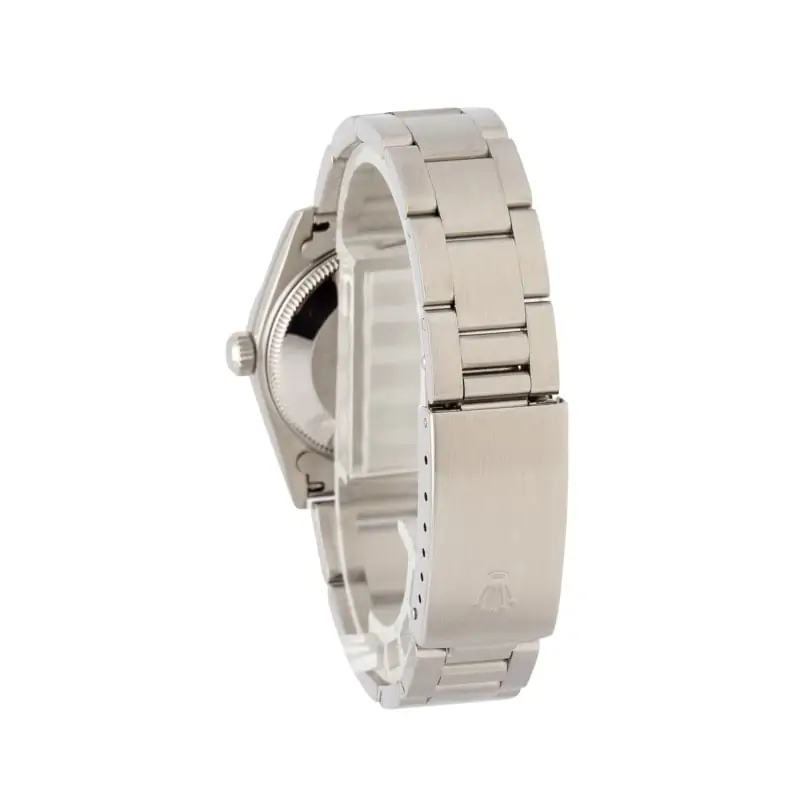
Another big reason for a fast Rolex? A hard knock or drop.
Check if your watch took a hit. A bad bump can knock the balance wheel out of place, mess up the hairspring, or nudge the tiny regulator. Any of these can make your watch run way too fast.
You might not see any damage just by looking, but you’ll notice the time is all wrong. If you think it got hit, don’t try to adjust the regulator yourself. That regulator is super delicate.
The tiniest tweak can make a huge difference in how fast it runs. For this, you need a pro. A watchmaker has to check the whole balance assembly, making sure everything is straight and balanced so it swings right, before they even think about adjusting it.
The experts say if your watch suddenly starts racing, especially after a known bump, the hairspring is usually the culprit. It might be bent, out of shape, or have a kink in it.
Fixing a hairspring takes serious skill—it’s even highlighted in top watchmaking school programs like WOSTEP. Trying a DIY fix here is risky. You could permanently ruin one of the most important and fragile parts of the watch. That’s why you really need to take it to a professional.
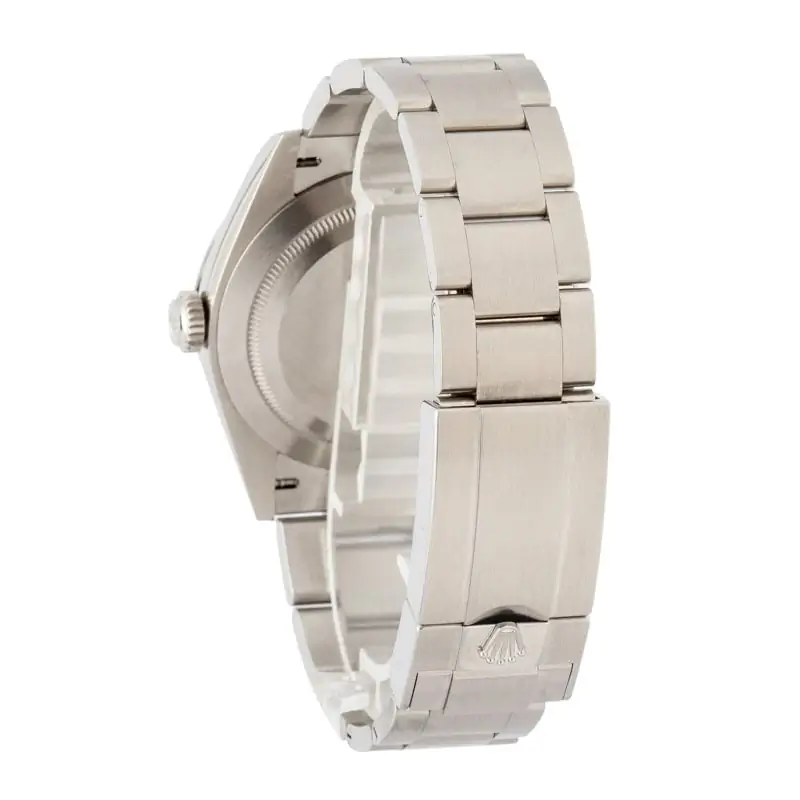
So, your Rolex is running slow? Here are the main reasons why.
First up, let’s talk about the oil inside your watch.
The fix is pretty straightforward: you need to get it serviced. Over the years, the lubricants inside can dry up or get gunky. That’s the top culprit for a slow-running Rolex.
When the oils on the gears and mainspring break down, it creates more friction. That means less power gets to the balance wheel, so it doesn’t swing as far. And if the balance wheel’s swing is weak, your watch will definitely run slow.
Rolex says to service it about every decade, but it really depends on how much you wear it. A full service means they take the whole movement apart, clean it thoroughly, put in fresh Rolex oil, and get it ticking right again.
To check this, a watchmaker uses a machine called a timegrapher. A healthy, fully wound Rolex should show a swing between 250 and 310 degrees. If it’s consistently under 220 degrees, that’s a clear sign it needs a good clean and fresh oil.
This is the standard way pros figure out what’s wrong at official service centers. Getting it serviced is also great for the long haul. Fresh oil means less wear and tear, so your watch lasts longer and you avoid replacing parts too soon. It’s all about keeping it running for years.
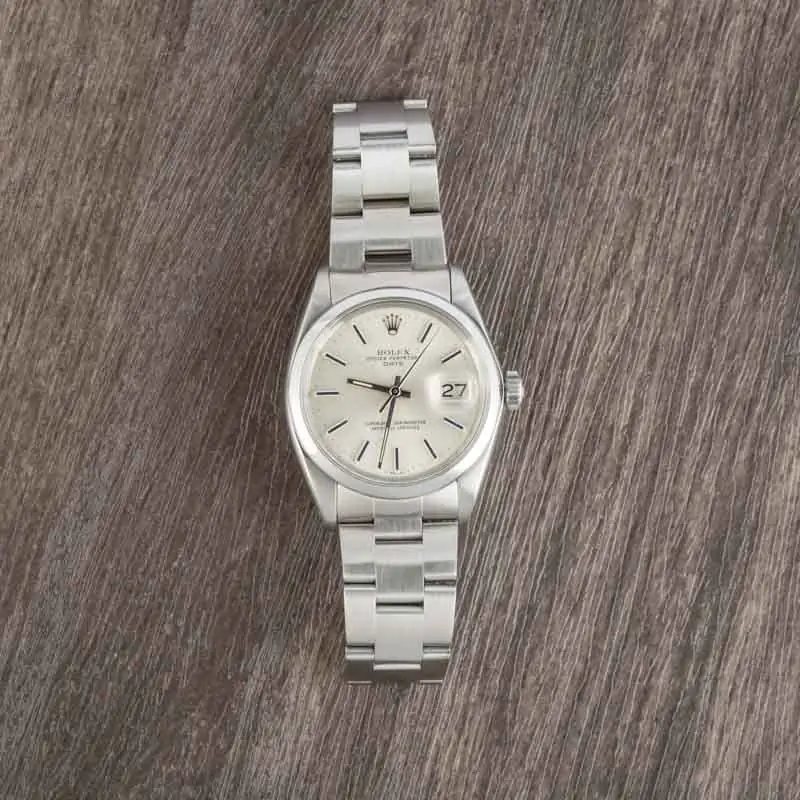
Next, let’s look at power and winding problems.
First thing to check: make sure it’s fully wound. If an automatic watch isn’t wound enough, its power runs low. That weakens the balance wheel’s swing and makes it run slow, especially before it stops.
If it’s stopped, give the crown a good 30 to 40 turns to wind it up from scratch. If you wear it daily, just moving around should keep it wound. If you have a few watches, a watch winder can help.
But watch out: if it stops after just a few hours off your wrist, even when fully wound, the mainspring or the automatic winding parts might be broken. That means it’s time for a repair.
| What you might see | Likely reason | What to do about it |
|---|---|---|
| It gets slower bit by bit over months or years | Old, dry, or dirty oil inside | Book it in for a full service |
| It stops overnight even though you wear it every day | The automatic winding system or the mainspring could be faulty | You’ll need a pro to check it out |
| It only runs slow when lying in a certain way | The balance wheel might be out of balance or have a damaged pivot | A watchmaker needs to adjust or fix it |
When and How to Regulate Your Rolex
The Role of the Regulator and Microstella System
First, you need to understand how the precision adjustment works. Rolex watches have something called a Microstella system on the balance cock. This system is made up of a regulator arm and some really tiny screws.
known as Microstella nuts, right on the balance wheel. When you turn that regulator arm, it changes how long the hairspring effectively is, and that’s what fixes your watch if it’s running slow or fast.
But be warned, it’s super precise. Even the tiniest move can change how many seconds your Rolex gains or loses each day. So, you should only try this after you’re sure the movement inside is clean, has good oil, and isn’t magnetized or broken.
Think of regulation as the last touch-up for a watch that’s already working well, not a solution for bigger mechanical problems.
Here’s a big warning: trying to regulate your Rolex yourself is risky and will usually void the warranty. If you don’t have a special tool called a timegrapher to check how each tiny tweak affects the time in different positions—like face up or crown down—you’re basically guessing. You could fix the timing in one position but mess it up in others. Rolex’s official warranty is clear: if anyone who isn’t authorized touches it, the coverage is gone. So, for an adjustment that’s spot-on and guaranteed, your best bet is to take it to a Rolex-trained expert. They have the right gear to make sure your watch runs as precisely as it should.
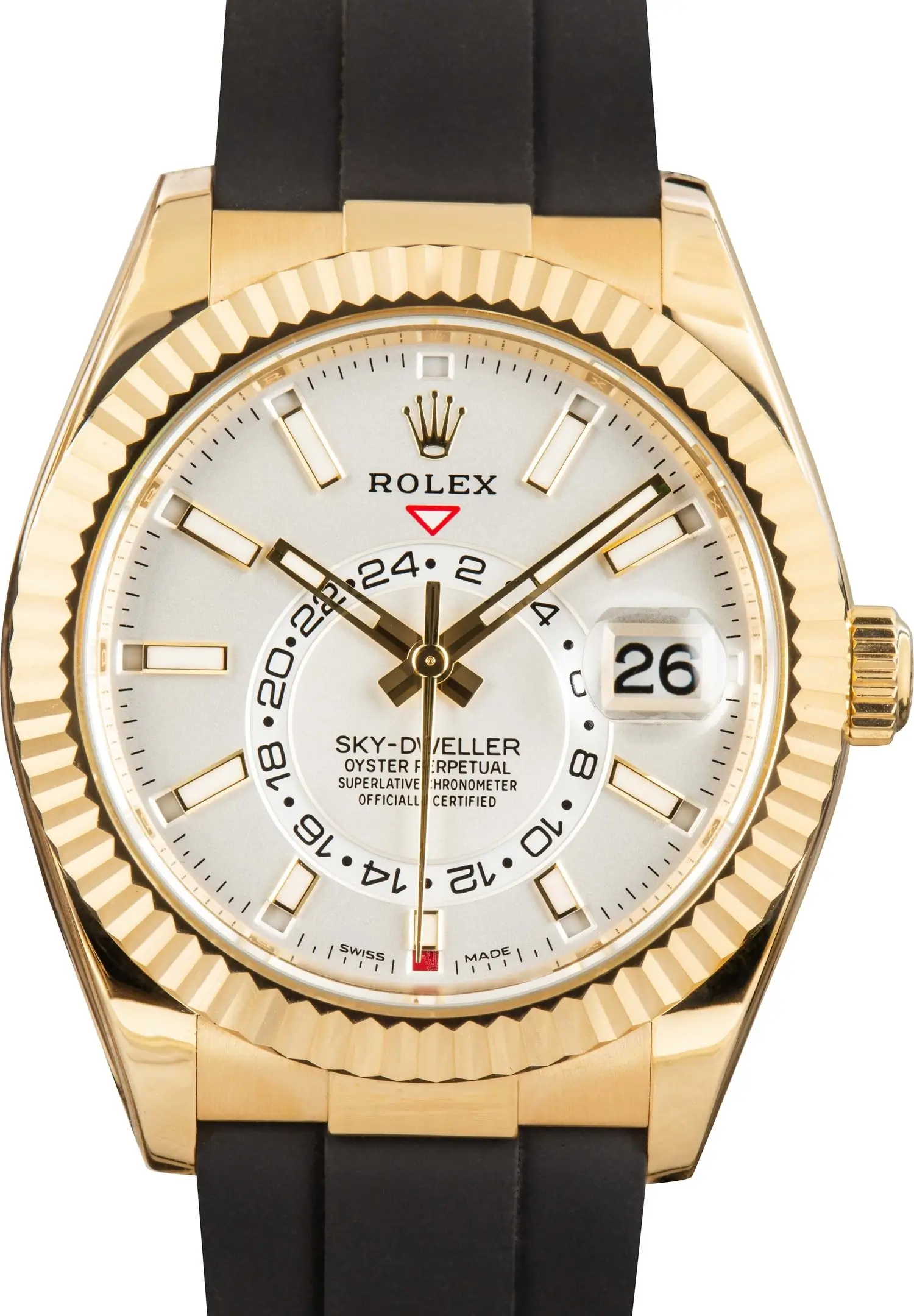
Getting it fixed professionally is your best bet.
First, pick an official Rolex service center.
Why go official? For peace of mind. These authorized centers and certified pros get real Rolex parts, special oils, and the right tools. They stick to strict steps to keep your watch waterproof, accurate, and valuable.
If your Rolex is running fast or slow, they’ll do a full check-up. You’ll often get a printout showing the timing before and after the fix. This shows you exactly how much better it’s running. Sure, some independent guys are good.
But for tricky timing problems on a newer Rolex, you really want the factory-approved methods and parts.
Rolex also cares about doing things right. Their service network focuses on ethical parts and being green. When they overhaul your watch, they swap out worn bits with new ones from good suppliers. The old parts often go back to Rolex to be recycled.
This means your watch runs great, and the fix is kind to the planet too. So, the service cost is really an investment. It keeps your watch ticking and valuable for years.
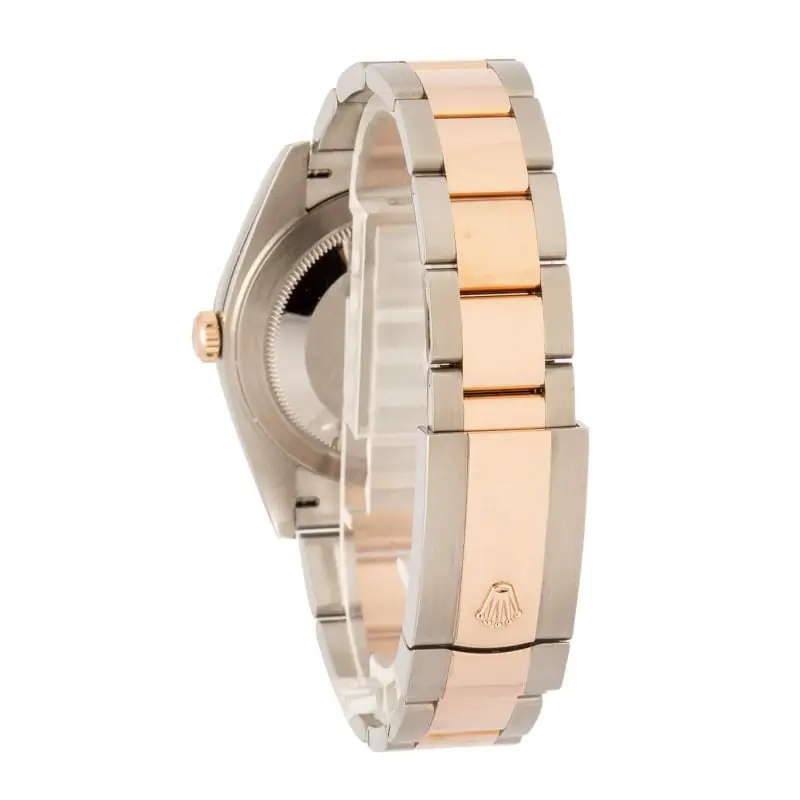
Here’s what the service involves and what you can expect.
A full overhaul has several steps. For a timing fix, they’ll take the whole watch apart. They clean everything, replace seals and worn parts like the mainspring, add fresh oil, and put it all back together.
Then they adjust the timing in different positions, test it for water resistance, and do a final check. This whole thing usually takes about 4 to 8 weeks.
You should get back a watch that keeps time like it’s supposed to, holds a charge better, and comes with a new guarantee, often for two years. This thorough method tackles the real reasons your watch was fast or slow, making sure it’s reliable for the long haul.
| Type of Service | Typical Cost (USD) | Average Time | What’s Included |
|---|---|---|---|
| Basic Timing Adjustment (if no full service is needed) | $100 to $300 | 1 to 2 weeks | Just adjusting the speed |
| Complete Overhaul (Full Service) | $800 – $1,200 | 4 to 8 weeks | Full take-apart, cleaning, oiling, replacing parts, timing adjustment, and testing |
| Fixing a Specific Part (like the balance staff) | Cost varies a lot; usually part of the overhaul price | Depends on if the part is in stock | Swapping out the broken part during a service |
Conclusion and Actionable Steps
If your Rolex is running fast or slow, you need to tackle it step by step. First, do some easy checks. See if it’s magnetized and make sure you’re winding it right. If it’s still off, the usual suspects are magnetism, which makes it gain time, or old lubrication, which makes it lose time. Tweaking the regulator might look like a fast solution, but that only works if the movement itself is in good shape. To keep it accurate long-term and protect your investment, your best bet is a pro service at an authorized center. That way, your watch gets the proper care with real parts and skilled work, getting its precision back for years ahead.

Call to Action (CTA)
Ever noticed your Rolex suddenly running slow or fast? Drop a comment below and tell us what happened and how you fixed it. It really helps other Rolex owners out.
Want more tips on keeping your luxury watch in top shape and holding its value? Check out our full guide on Rolex service intervals and what to expect.
Here are some common questions people have.
Can I fix my Rolex myself if it’s running fast?
Honestly, it’s not a good idea. The Microstella system inside is super sensitive. If you try to adjust it yourself without the right tools, you could mess up the timing even more. You might even damage the delicate balance or hairspring.
Plus, doing it yourself will void your Rolex warranty. For an accurate fix, always take it to an authorized watchmaker.
What’s the cost to fix a Rolex that’s running slow?
Well, the price really depends on what’s wrong. If it just needs demagnetizing, a watchmaker might charge you very little. But if it’s running slow because the oil has worn out—which is the usual culprit—then it needs a full service.
At an official Rolex center, that’ll usually set you back between $800 and $1,200. That price covers a full clean, fresh lubrication, timing adjustment, and a warranty on their work.
Why does my brand new Rolex keep gaining time every day?
A new Rolex that’s running fast is usually magnetized. The hairspring can get magnetized from things like electronics, bag clasps, or medical devices. It’s a really common problem, but a watchmaker can fix it in no time with a demagnetizer.
If demagnetizing doesn’t fix it, the watch might have been knocked, messing with the balance. In that case, get it checked under warranty at an authorized service center.
How often should I get my Rolex serviced to stop it from running slow or fast?
Rolex says you should service it roughly every decade. But that can change depending on how you use it, where you wear it, and the specific model you have.
If you see it’s always running slow or doesn’t hold power as long, that’s a clear sign it needs a service sooner rather than later. Getting it serviced regularly stops parts from wearing out too much and keeps it telling time perfectly.
