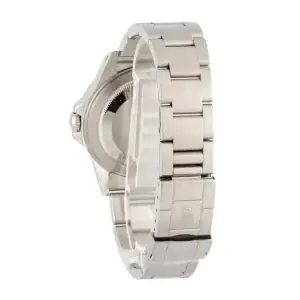
Is a 36mm Rolex too small for your wrist?
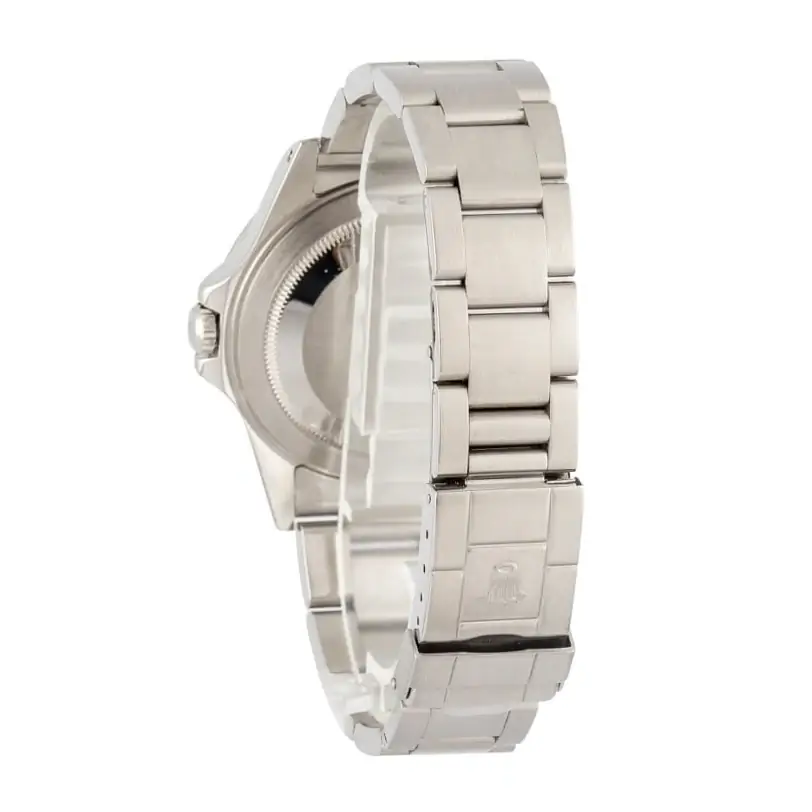
Is a 36mm Rolex too small for your wrist?

For years, I thought a real men’s watch had to have serious presence. It needed to shout at you from across the room. That all changed when I put on a classic Rolex Datejust 36mm. Wearing it was a total eye-opener. I discovered subtlety and comfort. So, looking up Rolex 36mm on wrist isn’t just about the numbers. It’s really about figuring out how this iconic, mid-size watch actually feels on your arm in real life. People wonder, is it too small by today’s standards? Can it work on a bigger guy? This article gets into the real-world experience of wearing a 36mm Rolex—like an Oyster Perpetual, Explorer, or Datejust. We’re going past the spec sheet to talk about how it feels on your wrist. We’ll look at the fit, the style, and dig into why this smaller watch size is making such a huge comeback.
Recommended Products
You might be interested in these products
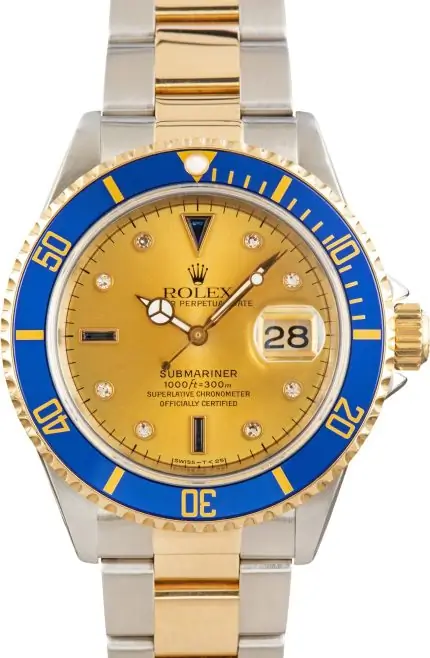
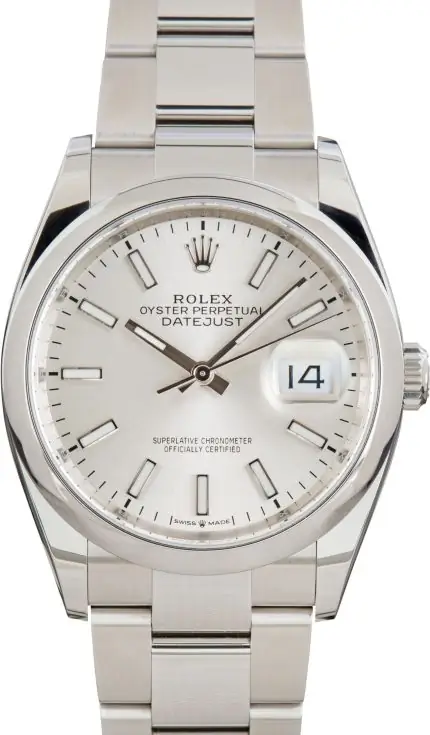
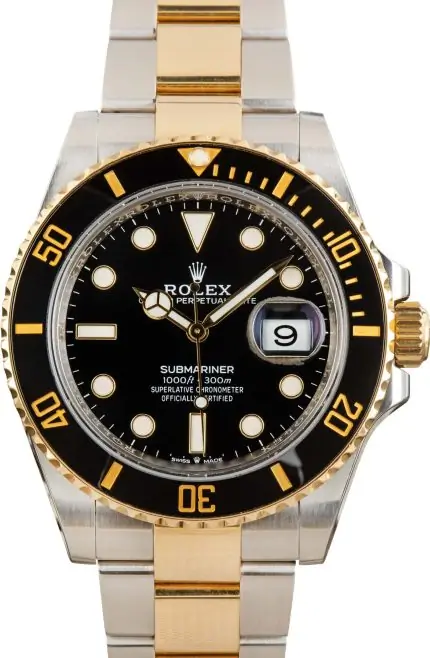
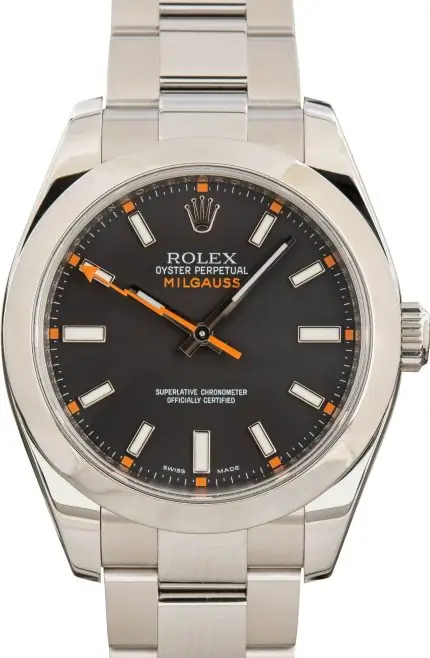
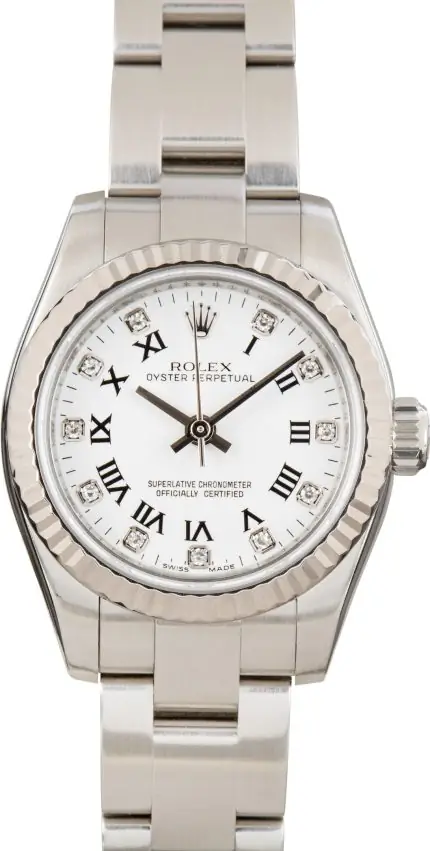
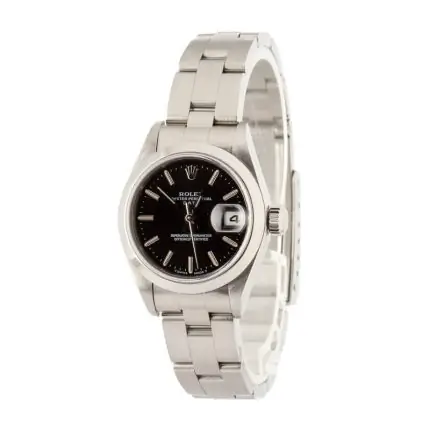
Here’s what we’ll cover:
So, you’re thinking about a 36mm Rolex? Here’s a modern guide to how it fits.
First up, let’s talk wrist size and how the watch actually sits on it.
The first thing you gotta do is measure your wrist and picture the watch on it. Don’t just get hung up on the number 36. I’ve got a 7.25-inch wrist myself, so I used that as my test case.
A lot of people think the case size is all that matters for how it wears, but that’s not quite right. What’s really key is the lug-to-lug distance—that’s the length from one lug tip to the other.
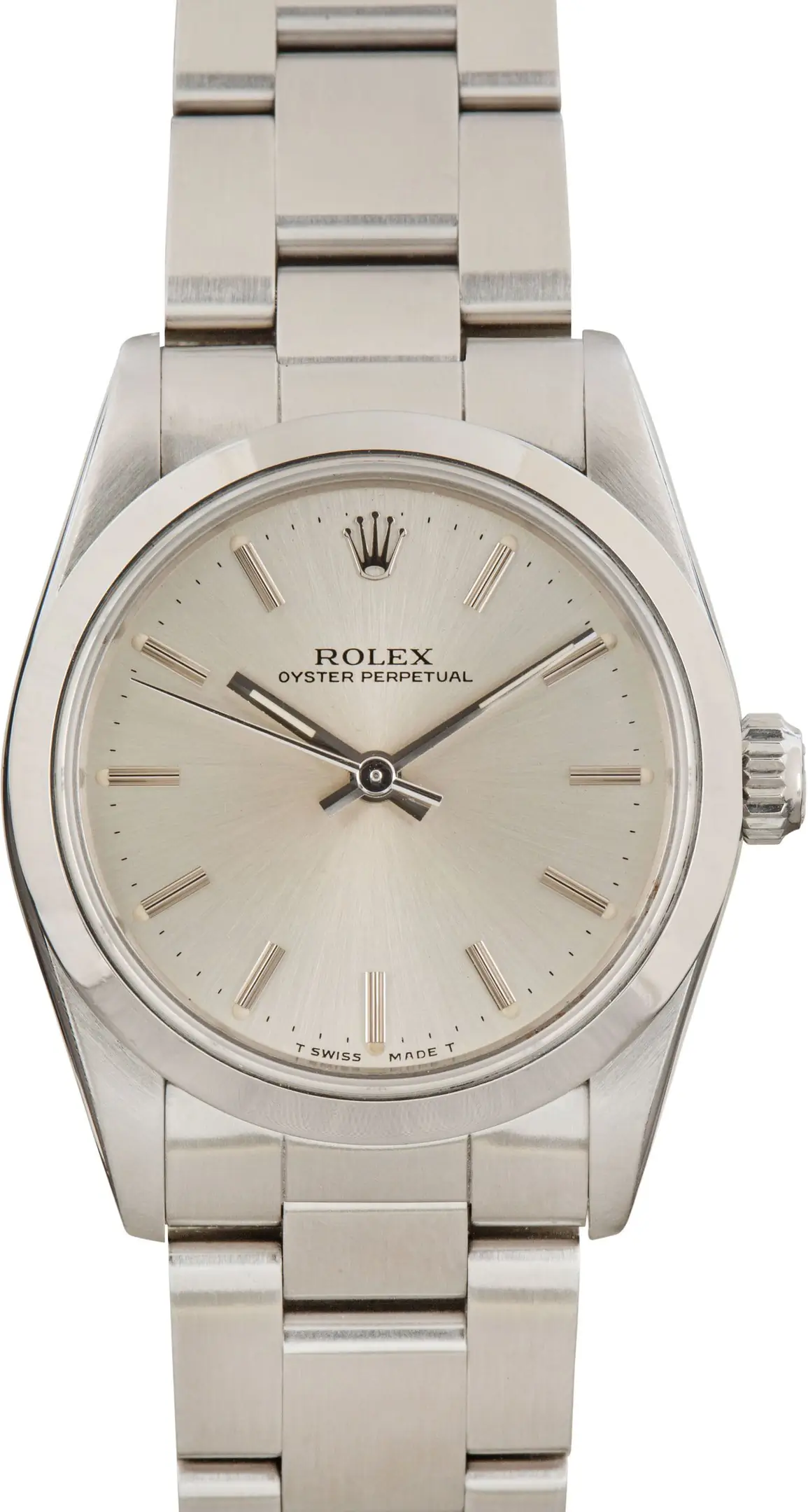
Most 36mm Rolexes, take the Oyster Perpetual 36 for example, have a nice compact lug-to-lug, about 44mm. That means the watch stays nicely within the flat part of your wrist, so it doesn’t hang over the edges.
Compare that to a typical 41mm sports watch, which can have a 48mm lug-to-lug. On a slimmer wrist, that can easily overhang.
Next, think about your own style and where you’ll wear it. How big a watch feels isn’t just about measurements; it’s in your head and depends on your style too. Nowadays, big watches are everywhere, so a 36mm piece really stands out differently.
It says you’re confident, you like classic style, and you don’t need to shout. Wearing my 36mm Explorer, it feels like a proper tool watch, not fancy jewelry. It slides right under a shirt cuff and I don’t whack it on doorframes.
For everyday and office use, this size is usually more practical and looks more elegant than bigger watches. The real trick is to try one on yourself. Photos can be really misleading.
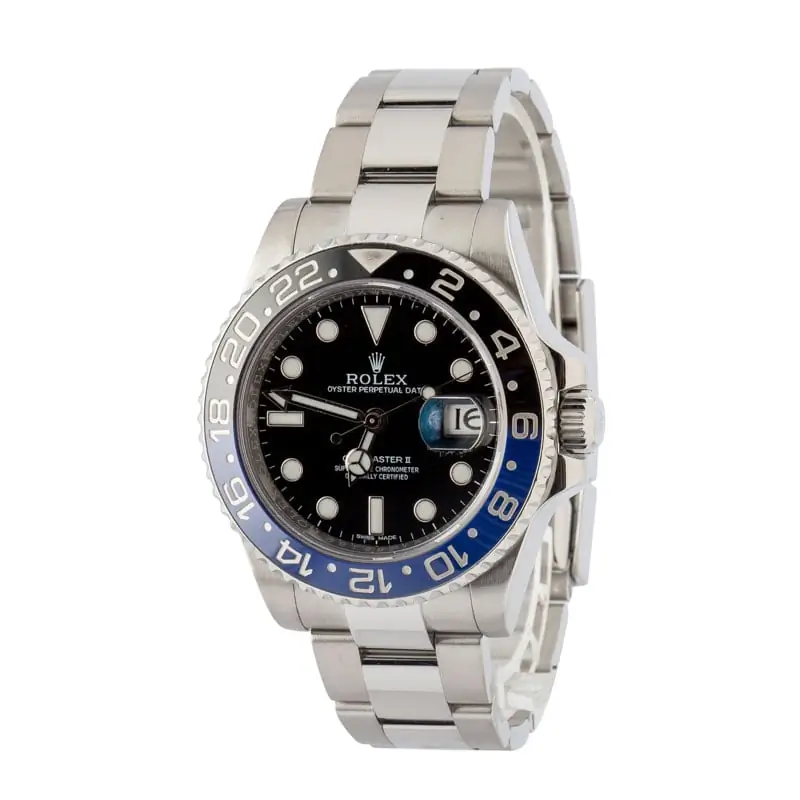
Let’s see them side-by-side: 36mm versus the bigger sizes.
The best way to get a real idea is to look at side-by-side wrist shots. So, let’s make a solid comparison. Here’s a table from my own watches and common models, showing how they look on a wrist around 7 inches.
| Watch Size | How It Looks | Lug-to-Lug (About) | Best Suits This Style |
|---|---|---|---|
| Rolex Oyster Perpetual 36 | Fits inside the wrist, you can see the whole dial. | 44mm | Super versatile, a bit dressy, great for subtle everyday wear. |
| Rolex Submariner 41 | Takes up more of the wrist, the bezel really stands out. | 48mm | Sporty, bold, that modern tool-watch vibe. |
| Rolex Datejust 41 | The case and bezel just look chunkier and heavier. | 47mm | Makes a statement, mixes sporty and dressy. |
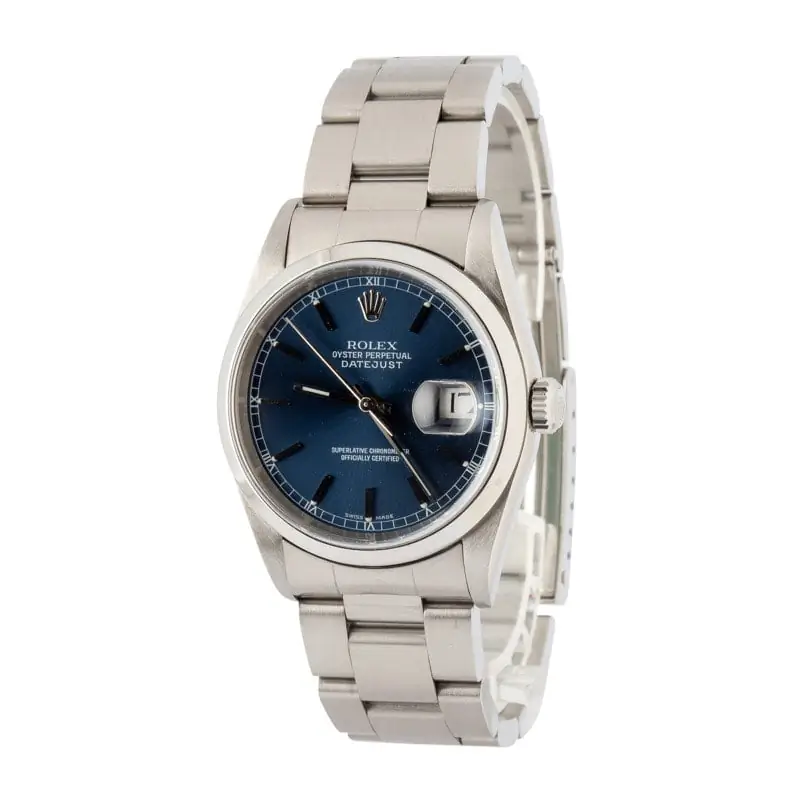
Now, pay attention to how the dial and bezel work together. The 36mm size usually gives you a more balanced-looking dial. Take the Datejust 36. That famous fluted bezel and Jubilee bracelet just fit together perfectly. Nothing feels too big or overpowering. But on the bigger 41mm version, the bezel looks wider compared to the dial, which shifts the whole balance. And for tool watches like the Air-King or Explorer, the 36mm case lets that clean, easy-to-read dial be the star of the show. That’s what they were originally about.
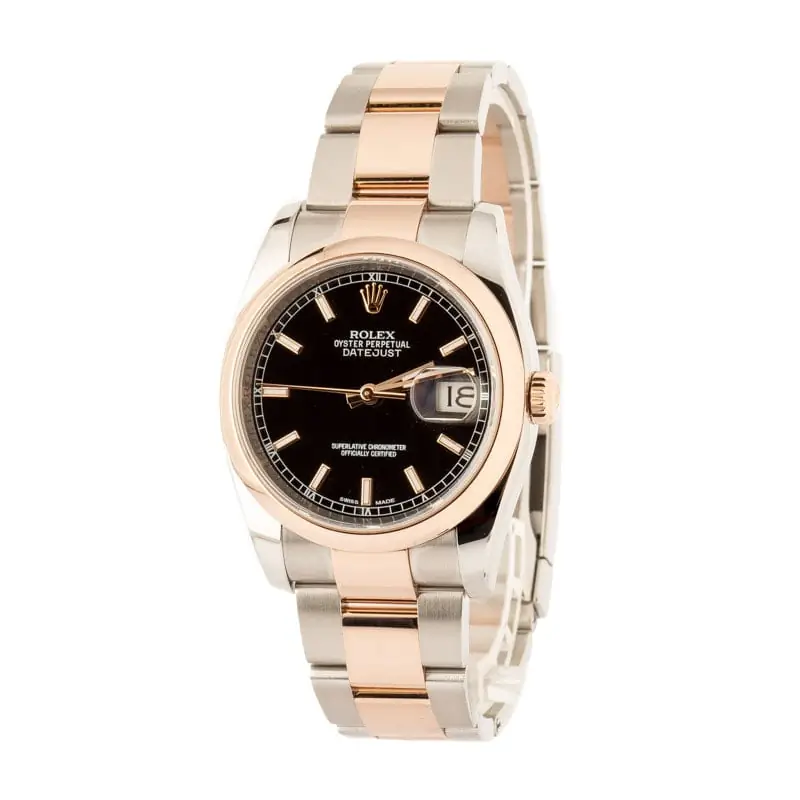
Let’s talk about some iconic 36mm watches and how they look and feel on the wrist.
First up, the Rolex Explorer 36mm. It’s the gold standard for getting the proportions just right.
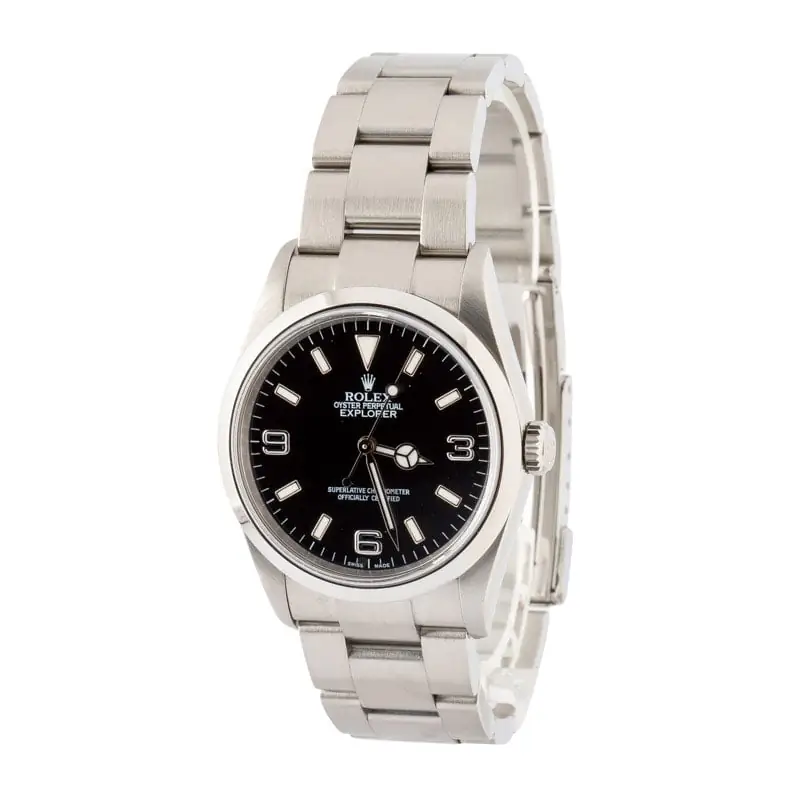
So, what’s the deal with this watch? It’s all about checking out how a tough tool-watch works in a smaller size. The Explorer 36, reference 124270, is a total lesson in no-nonsense, built-for-a-purpose design.
That 36mm Oyster case has a brushed finish and clean lines. It gives you a neutral, ready-for-anything vibe on the wrist. I’ve taken mine hiking and even worn it to fancy dinners. It never looks or feels wrong.
The black dial with those 3, 6, 9 numerals is super easy to read. The design is totally focused, with no extra junk getting in the way. Thanks to the 36mm size, it’s light, sits securely, and is a real set it and forget it kind of watch.
Rolex brought it back recently after killing it for a 39mm version. That shows they finally get that people still love this classic 36mm size.
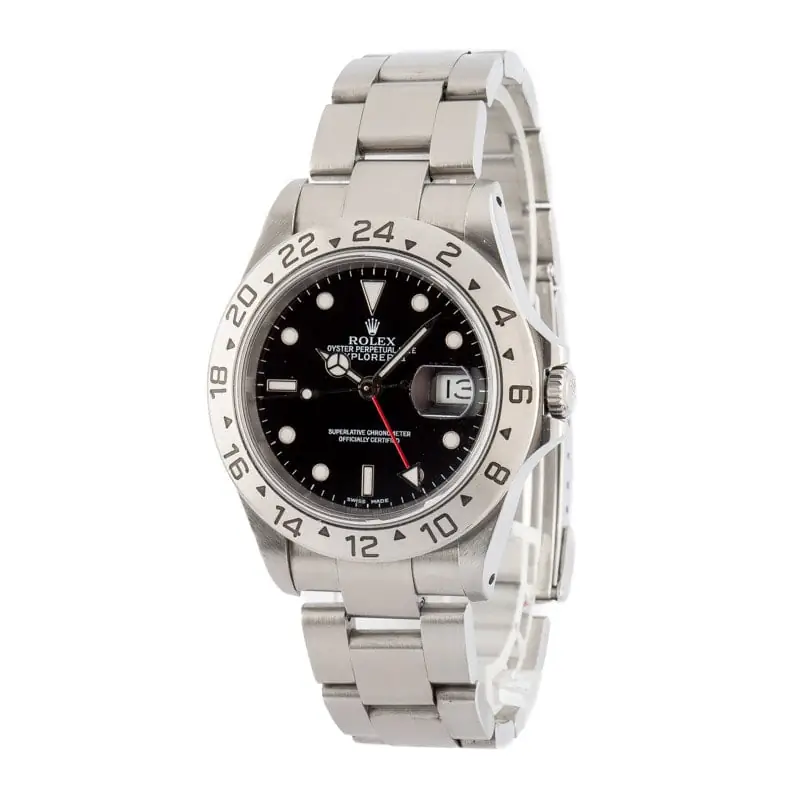
Next, the Rolex Datejust 36mm. It’s the perfect mix of dressy and sporty.
Here, the main thing is seeing how the light plays off a classic setup. The Datejust 36 is where that 36mm size really shows off as a versatile, go-to piece.
On a Jubilee or Oyster bracelet, the 36mm case lets the fluted bezel sparkle just enough, without being too flashy. On my own wrist, the two-tone steel and yellow gold model (ref. 126233) feels fancy but still low-key.
The smaller 36mm size stops it from looking show-offy. The little magnifying Cyclops over the date is just the right size. It keeps the date useful without taking over the whole dial.
If your wrist is under 7.5 inches, the Datejust 36 usually gives you a sleeker, more put-together look than the 41mm. That’s especially true when you’re wearing it with a suit or something dressy.
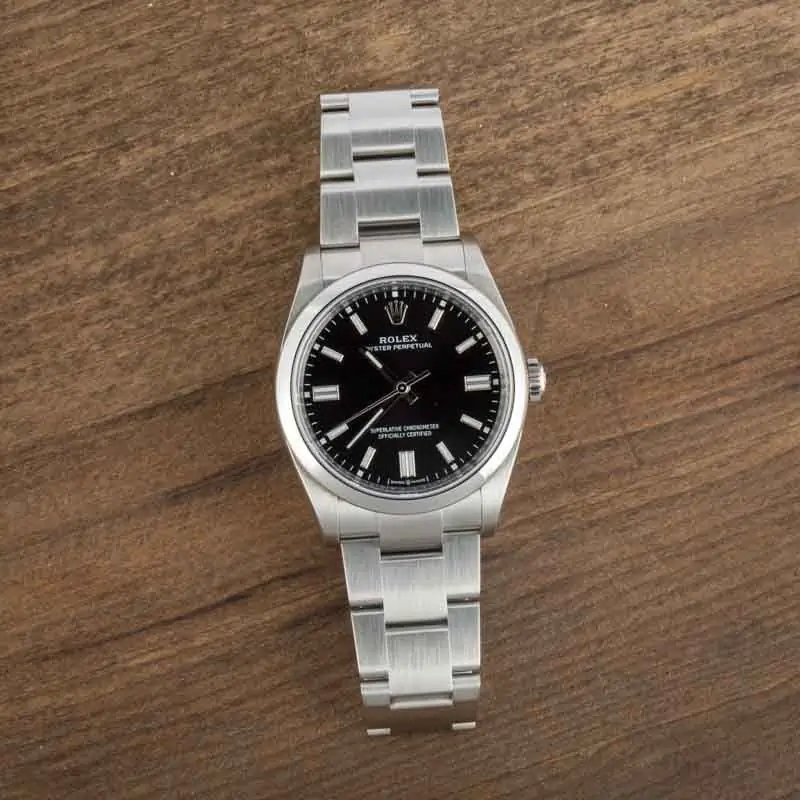
Let’s talk about how the bracelet or strap affects how a watch feels on your wrist.
So, how does an Oyster bracelet feel different from a Jubilee?
Here’s the key: pick the bracelet based on how you want the watch to feel. Choosing between bracelets really changes how a 36mm Rolex wears. The Oyster has flat, sturdy links. It feels more solid and sporty on the wrist.
This gives the watch a purposeful, anchored feel. The Jubilee uses smaller, five-piece links. It’s naturally more flexible, draping lightly for a dressier feel. That flexibility makes the 36mm case super comfy and form-fitting.
If you have smaller wrists, the Jubilee conforms perfectly. It gets rid of any gap for a seamless look.
Another tip: don’t forget about aftermarket straps for more versatility. A simple strap can totally change the watch’s character and how it fits. Throw on a good leather strap, and a Datejust or Explorer instantly becomes more casual.
It also feels lighter and smaller on the wrist. Slip a NATO or perlon strap on a 36mm Explorer. It boosts that vintage tool-watch vibe and lets you get a snug, custom fit.
Switching to a strap is a smart fix if the metal bracelet doesn’t fit just right. Lots of third-party straps have more adjustment holes than the ones Rolex gives you.
Now, a bit of history on why classic sizes are back.
They went from standard, to small, and now they’re popular again.
Let’s look at how watch size trends have changed. For decades, guys wore watches between 34 and 36mm. That was just the norm. Even Rolex’s iconic tool watches, think the first Submariner and GMT-Master, began life in these sizes.
Then, in the late 90s, things got bigger. The 2000s saw the peak of huge watches, thanks to fashion and better movements. So, what was once standard suddenly seemed small. But in the last five years, there’s been a huge swing back.
People started loving vintage watches again and wanted elegance, not just a big statement. Now, sizes from 36 to 39mm are super hot. That’s why Rolex brought back the 36mm Explorer and even made the Air-King in that size. They’re following the trend.
Here’s another big factor: the vintage market. Vintage Rolexes like the 1016 Explorer or 1601 Datejust, all 36mm or under, have shot up in value. This has taught new collectors a lesson.
Wearing one of these old watches shows how timeless that smaller size really is. This creates a halo effect for new 36mm models. Buyers want that classic look but with modern reliability.
Check the data from big auction houses like Phillips and Christie’s. It always shows more buzz and better value for well-kept vintage watches in their original, modest sizes. The oversized watches from later years just don’t hold up as well.
| Model | Vintage Era (1960s-80s) | Modern Peak (2000s-2010s) | What You Can Get Now (2020s) |
|---|---|---|---|
| Explorer | 36mm (ref. 1016) | 39mm (ref. 214270) | 36mm 40mm (ref. 124270/124273) |
| Datejust | 36mm (ref. 1601) | 41mm (ref. 126300) | 36mm 41mm |
| Oyster Perpetual | 34mm, 36mm | 39mm, 41mm | 36mm, 41mm, 34mm, 31mm |
Practical Advice: Trying and Buying a 36mm Rolex
What to Do Before You Commit
First thing, book some time to try them on at an official Rolex dealer. There’s just no substitute for getting the watch on your wrist. My tip? Try the exact 36mm Rolex you’re eyeing, with your favorite bracelet.
and wear it for a good 10 to 15 minutes. Walk around a bit, see how it looks in different lighting, and mimic everyday stuff like typing or holding a steering wheel. Really notice how the watch’s lugs sit against your wrist bone.
See if the dealer will let you try a 36mm and a 41mm Rolex side by side. Often, how they feel is a bigger deal than how they look. Just remember, a smaller 36mm watch might surprise you at first, but give it a minute—you’ll get used to that classic Rolex size.
Next up, use online tools smartly for your research. They’re no replacement for trying it on, but sites like YouTube and watch forums are super helpful. Look for wrist shots and reviews from people who have a wrist size close to yours.
Go for honest, straight-on pictures in natural light, not fancy angled ads. A solid reviewer will tell you their wrist size, so you can compare directly. But watch out for camera tricks—wide-angle lenses can make a 36mm Rolex look way bigger on wrist than it really is.
Care and Long-Term Wear Considerations
Maintaining the Proportional Elegance
Core Operation: For a smaller case like the 36mm Rolex, you’ll want a custom servicing plan. Even though a 36mm Rolex is tough, you gotta take good care of it to keep its shape looking sharp.
When you send it in for service, tell the shop clearly—whether it’s Rolex or a good independent watchmaker—to go easy on the polishing. Be specific about the lugs.
If they polish it too much, those crisp edges that give the watch its look get rounded off. Over many years, this can even make the lugs narrower, which might mess with how the bracelet fits. The good news for daily wear is its size.
Being smaller, it’s less prone to smacking into door frames or desk corners. After wearing it, just give the case and crystal a quick wipe with a soft microfiber cloth.
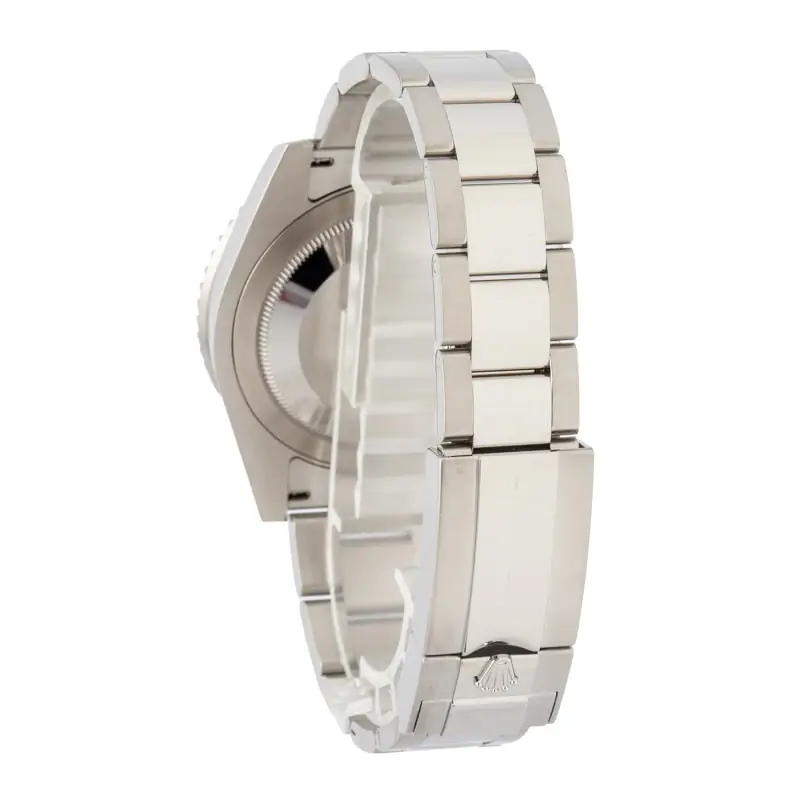
Core Operation: Getting the bracelet to fit right is key for long-term comfort. Since the bracelets on 36mm Rolexes have fewer links, nailing the perfect fit is super important. Make full use of all the micro-adjust spots on the clasp.
That Easylink extension on newer Oyster clasps? It’s a total lifesaver when your wrist swells up. If your wrist changes size with the seasons, it helps to have a half-link or the right screwdriver tool on hand for tiny tweaks.
Want a truly custom fit? A pro jeweler might be able to find or even modify a clasp to add more micro-adjustment holes. The aim is for the watch to feel secure but not tight. That way, the 36mm case just becomes a natural part of your wrist—you barely even notice it’s there.
So, really, it’s not about asking if a 36mm Rolex is too small. It’s about whether you like its classic look, its low-key style, and its all-day comfy feel—and if that matches your own taste and wrist.
Now that trends are swinging back towards comfortable, wearable sizes, the 36mm has really shown it’s a timeless choice. It gives you a different, confident option compared to all those huge watches out there.
You still get the full Rolex vibe, but in a size that’s true to its history and just feels right on the wrist.
Ever put a 36mm Rolex on your wrist? Drop your own wrist shots and stories in the comments! Or, check out our deep dive comparing the Explorer 36 and the 40mm version—it might just help you make up your mind.
FAQ: Rolex 36mm Wrist Fit
Is a 36mm Rolex considered a men’s or women’s watch?
Back in the day, 36mm was the go-to size for men’s watches. Nowadays, everyone sees it as a unisex or mid-size watch. Rolex sells plenty of 36mm models, think Datejust and Oyster Perpetual.
to anyone and everyone. It really just comes down to your own style and how big your wrist is, not what the ads say.
What wrist size is best for a 36mm Rolex?
There’s no hard and fast rule, but this size is super versatile. It usually looks great on wrists from around 6 inches all the way up to 7.5 inches. If your wrist is on the smaller side, say 6 to 6.75 inches, it looks perfectly balanced and classic.
For bigger wrists, between 7 and 7.5 inches, it gives off a cool, vintage vibe. Over 7.5 inches, it might look more like a deliberate choice for a classic style.
Does a 36mm Rolex look too small in modern times?
No way, not too small at all. Sure, it’s a matter of taste, but the trend is definitely swinging back to classic sizes. A 36mm Rolex on your wrist looks purposeful, elegant, and full of confidence.
It gets noticed because it’s not trying too hard to be seen. At work or for formal events, its low-key style is a real plus, and you can’t beat the comfort for wearing it every day.
Can I get a 36mm Rolex with a sporty look?
Oh, absolutely you can. Take the Rolex Explorer 36, reference 124270, it’s the ultimate sporty 36mm tool watch. Plus, the Oyster Perpetual 36 comes in bright colors like yellow or coral red, which gives off a laid-back, fun feel.
Throw an Oyster bracelet or a rubber or sailcloth strap on any 36mm model, and it instantly becomes more sporty.