
Rolex Explorer 36, 39, or 41mm: Which Fits Best?
Rolex Explorer 36, 39, or 41mm: Which Fits Best?

So, you’ve got your eye on the iconic Rolex Explorer, but you’re stuck on that classic question: which case size is the right one for you? I’ve owned and worn all three modern versions—the revived 36mm, the discontinued 39mm, and the current 41mm—so I’ve been through this exact dilemma myself. It’s not just about the millimeters. It’s really about how it looks on your wrist, its history, and how comfy it is to wear every day. Let’s cut through all the chatter and put these three legendary tool watches side-by-side. We’ll focus on what really matters for your collection and your wrist.
Recommended Products
You might be interested in these products
Here’s what we’ll cover:
- How the Rolex Explorer evolved and its core design ideas.
- A detailed look at the specs and how they actually wear.
- Which wrist sizes they suit best and styling tips.
- The movements inside, their value, and where they stand in the market.
- My personal take and final recommendation on the Rolex Explorer 36 vs 39 vs 41.
- Wrapping it all up.
- Ready to make your choice?
- FAQ: Your Rolex Explorer size questions, answered.
Historical Evolution and Core Design Philosophy
The Explorer’s Legacy: From 1016 to Modern Sizes
Contextualizing the Sizes: Let’s start the Explorer’s story with the ref. 1016. That’s the classic 36mm watch people loved for decades. Then in 2010, Rolex brought out the 39mm Explorer, ref. 214270. This was a big change, and not everyone liked it.
They were just following the trend for bigger watches. Fast forward to 2021, things got interesting. Rolex brought back the 36mm and also launched a new 41mm size. Now you have a clear pick: go classic with the 36mm or modern with the 41mm.
So here’s the key takeaway from this history. The 36mm is a straight-up tribute to the original. The 39mm was more of a middle step. And the 41mm? That’s Rolex’s modern take on the Explorer. Basically, each size represents a different chapter in how Rolex has handled this iconic tool watch.
Shared DNA: What All Three Models Unquestionably Share
Identifying Common Ground: Okay, before we get into the size debate, let’s talk about what all these Explorers have in common. And trust me, it’s a lot. All three are certified Superlative Chronometers, boasting -2/ 2 seconds per day precision.
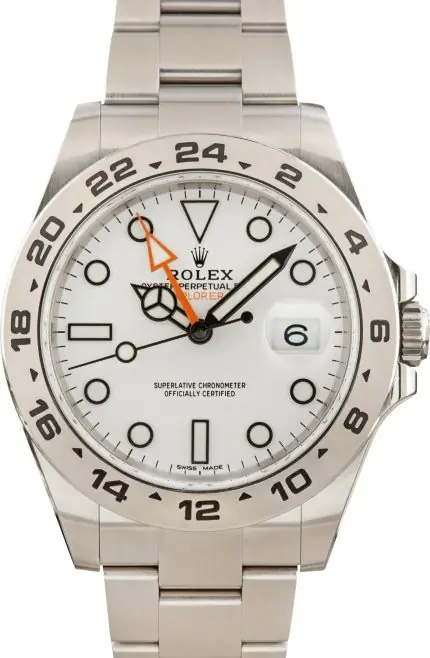
They all have that famous dial with the 3, 6, and 9 numbers, lit up by Chromalight. You get the tough Oyster case that’s good for 100 meters underwater. And they stick to the simple, time-only look with a smooth bezel.
The bracelets are top-notch too, with solid Oyster links. The 41mm has the handy Easylink extension, but they all share that fantastic Rolex build quality. So no matter which size you pick, that core Explorer feel is guaranteed. You’re getting the real deal.
Detailed Specification and Wearability Comparison
Case Dimensions and On-the-Wrist Feel
Let’s measure the difference. The specs give you one picture, but how it feels on your wrist is a whole other story. The 36mm Explorer is the discreet and lightweight one. It slips right under a shirt cuff with no fuss.
Then there’s the 39mm. Rolex doesn’t make it anymore, but it’s still hot on the second-hand market. It gives you a more solid feel, but it’s not too big. The 41mm version? That’s the one with the most presence on your wrist.
But size isn’t just about the diameter. Lug-to-lug distance and thickness matter a ton too. The 36mm and 39mm both have pretty slim profiles. The 41mm is only a bit thicker, but it feels chunkier because it’s just got more surface area.
Dial Layout and Legibility Analysis
Now, let’s talk readability. A huge part of the Explorer’s deal is that you can always read it perfectly. All three sizes nail this, but they do it in slightly different ways. The 36mm dial has those classic, historically perfect proportions.
The markers are spaced just right. The 39mm dial, especially the Mark II with the glowing numbers, can look a little more open. The 41mm gives you the most spacious dial.
The markers and the Mercedes hands have plenty of room to breathe. If your eyesight isn’t what it used to be, that bigger 41mm dial is a real practical plus.
| Model (Ref) | Diameter | Lug-to-Lug | Thickness | Status |
|---|---|---|---|---|
| Explorer 36mm (ref. 124270) | 36mm | ~44mm | 11.5mm | Still in production |
| Explorer 39mm (ref. 214270) | 39mm | ~47mm | 11.5mm | Discontinued, made from 2010 to 2021 |
| Explorer 41mm (ref. 224270) | 41mm | ~48mm | 11.5mm | Still in production |
Target Wrist Sizes and Styling Considerations
Matching Case Size to Your Wrist
Here’s how to find your fit. Generally, the 36mm Rolex Explorer is a real champ for smaller wrists under 7 inches. It gives you a classic, elegant look that never goes out of style. For a lot of folks, the 39mm Explorer hit the sweet spot.
It was perfect if your wrist measured between 6.5 and 7.5 inches, kind of bridging the gap between classic and modern styles. Got a wrist over 7 inches? Then the 41mm Explorer is your ideal pick. It brings a bold, modern tool-watch vibe.
On my own 6.75-inch wrist, here’s how they feel. The 36mm is just perfectly classic. The 39mm feels sporty but still balanced. The 41mm? That’s definitely pushing the limit for my everyday wear—it’s a real statement piece.
Versatility for Dress and Casual Wear
Let’s talk about style range. All Rolex Explorers are super versatile watches. But the size you pick does steer its style a bit. The 36mm is the biggest chameleon of the bunch. It goes perfectly with a suit or your weekend casual clothes.
Honestly, it’s the ultimate one-watch size if you want a refined look. The 39mm and 41mm versions lean more obviously towards casual and sporty outfits.
Sure, you can dress them up, but their bigger size keeps them feeling like solid tool watches at heart. Let your everyday wardrobe guide you. If you’re often in business formal wear, the 36mm’s low-key style is a huge plus.
Let’s talk about the movement, value, and where these watches stand in the market.
First up, comparing the calibers: the 3230 versus the 3132.
Looking at the tech, here’s a key difference. The current 36mm and 41mm models use the Caliber 3230. This movement has Rolex’s Chronergy escapement and gives you a 70-hour power reserve.
The older, discontinued 39mm Explorer ran on the Caliber 3132, which only had a 48-hour reserve. The 3230 is more efficient and better at resisting magnetism. This isn’t just a number on paper. That extra 22 hours is a real, practical perk.
Leave your watch off over the weekend, and it’ll probably still be running when you pick it up on Monday.
Now, about their value as an investment and what to think about when buying.
If you’re buying new from an Authorized Dealer (AD), your choice is between the 36mm and 41mm. Just be ready for a waitlist. The discontinued 39mm Explorer, especially the Mark II dial version, is now a collector’s favorite on the used market.
It often sells for more than it originally cost. No Rolex is a surefire investment, but the fact that the 39mm is discontinued gives it a special story in the market. As for the long term, the 36mm has that heritage appeal, and the 41mm is the new flagship. Both should stay pretty desirable.
| Feature | Explorer 36mm (124270) | Explorer 39mm (214270) | Explorer 41mm (224270) |
|---|---|---|---|
| Movement | Caliber 3230 | Caliber 3132 | Caliber 3230 |
| Power Reserve | 70 hours | 48 hours | 70 hours |
| Bracelet Clasp | Oysterclasp | Oysterclasp | Oysterclasp with Easylink 5mm extension |
| Market Status | In Production (Current) | Discontinued | In Production (Current) |
Personal Experience and Final Recommendation
Living with Each Size: A Wearer’s Perspective
Let me share my hands-on thoughts. After wearing each one for months, I finally figured out which one I like best. The 36mm Rolex Explorer is so comfortable, you forget it’s even on your wrist, and that’s a good thing.
It’s super comfy, looks elegant, and has this timeless charm. When I wore the 39mm Explorer, it felt like the ideal modern tool watch—a tough, reliable buddy for every day.
The 41mm Explorer is impressive, with its easy-to-read dial and strong wrist presence. But on me, it felt less like a tool watch and more like a bold statement.
If you’re super active and always moving, you’ll love the 41mm’s bold look and its better clasp. But if you want just one watch that does it all, the 36mm Explorer is tough to top.
Making Your Choice: A Practical Decision Guide
So, how do you decide? Don’t overthink it. First step, measure your wrist. Is it under 6.75 inches? You should really look at the 36mm Explorer. Over 7.25 inches? The 41mm Explorer will probably fit you better.
Somewhere in the middle? You’re lucky—you can probably pull off any size, but you gotta try them on. Next, think about your other watches. If this Rolex Explorer will be your only nice watch, the 36mm is the most versatile choice.
If you already have dress watches and want a standout sports watch, the 41mm Explorer is the one. Lastly, think about the history. If you love the story behind the original 36mm Explorer, then your choice is pretty obvious.
Conclusion
So, picking your Rolex Explorer—36, 39, or 41mm—really comes down to three things: how it fits your wrist, your own style, and how much you love the Explorer’s history.
The 36mm is for the purists. It gives you that classic, timeless look and stays true to the original Explorer’s history. If you can track down a good pre-owned one, the 39mm is still a great pick—it’s really well-balanced.
Then there’s the 41mm. This is the modern version, with the biggest look on the wrist and all the newest tech inside. Honestly, there’s no bad choice here. You just need to find the one that fits your wrist and feels right for you.
Ready to Decide?
Still can’t decide between the Rolex Explorer 36, 39, and 41? Here’s my advice: go try them on for yourself. Head to a good dealer, either an authorized one or a trusted pre-owned shop.
Get the current 36mm and 41mm Rolex Explorer models on your wrist. Feel how they weigh on your wrist, see how the dial looks, and take a peek in the mirror. Drop a comment below!
Tell me what you think or which Rolex Explorer size—36, 39, or 41—you’re leaning toward. I’m curious about how you’re deciding, and your thoughts could really help others make their pick!
Got questions about Rolex Explorer sizes? We’ve got answers.
So, is the 39mm Rolex Explorer still worth buying?
For sure, yes — but only if you can snag one in good shape for a decent price. Take the ref. 214270, for example. The Mark II version, which came out after 2016 and has lumed numerals, is a really great watch.
It hits a sweet spot, blending that classic Explorer look with a more modern size. Just keep in mind, it uses the older Caliber 3132 movement. That means about 48 hours of power reserve, not the 70 hours you get with the newer 36mm and 41mm Explorers.
Which size Explorer is the best bet if you’re thinking about its value later on?
It’s tough to guess how watch prices will move. Right now, the discontinued 39mm model is doing really well on the resale market. That’s mostly because they didn’t make it for very long. Looking ahead, both the 36mm (ref.
124270) — the heritage pick — and the 41mm (ref. 224270) — the new top dog — should keep their value pretty well. This is especially true if you buy one at the official retail price. But don’t buy it just as an investment. Get the size you actually enjoy wearing.
Okay, but does the 41mm Explorer feel too big on the wrist?
That totally comes down to your wrist size and what you like. It measures about 48mm from lug to lug and is pretty slim, so it wears like a true 41mm watch. If your wrist is smaller than 6.75 inches (about 17cm), it might feel a bit oversized.
That goes double if you’re into a more classic, understated look. On wrists larger than 7.25 inches (around 18.5cm), it’ll probably look just right. Seriously, you’ve gotta try it on yourself. No way around it.
What’s actually better on the new 36mm Explorer compared to the old 39mm one?
The latest 36mm model (ref. 124270) got some important upgrades that the discontinued 39mm (ref. 214270) doesn’t have. First, it has the newer Caliber 3230 movement. That bumps the power reserve up to 70 hours, compared to just 48 in the old one.
Second, the case and lugs got a slight redesign. They’re more sculpted now and look a lot more like the profiles on vintage Explorers. And third, you can get it on an Oyster bracelet with solid end links.
The 41mm version even comes with an Oysterlock clasp that has the handy Easylink extension system.
