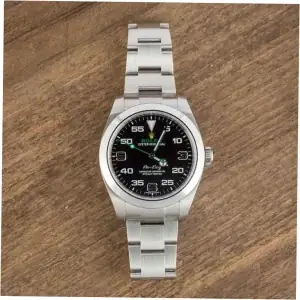
Rolex 41mm or 36mm: Which Fits Your Wrist Best?
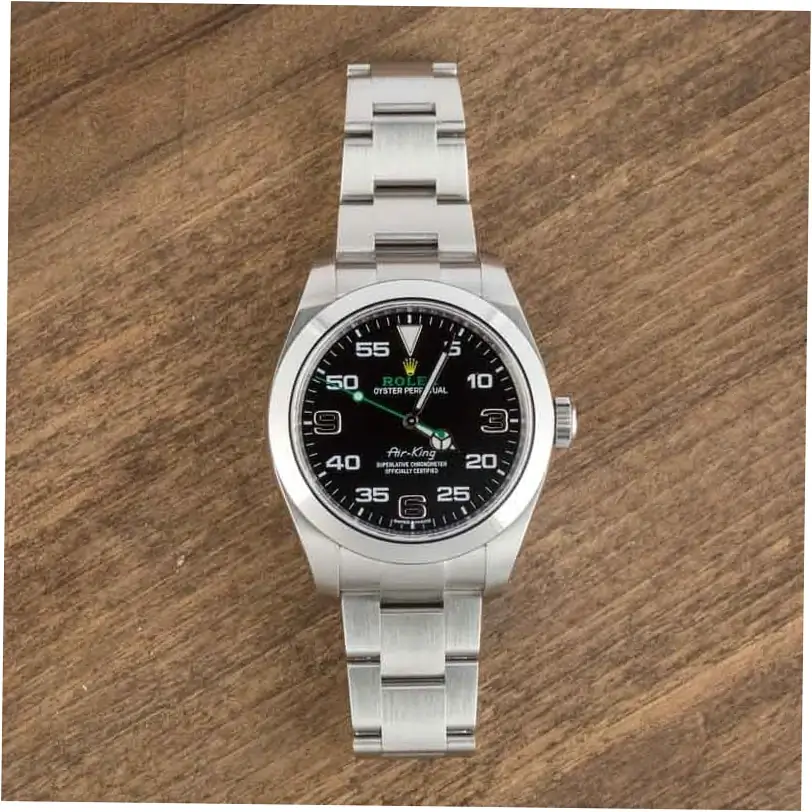
Rolex 41mm or 36mm: Which Fits Your Wrist Best?

So, you’re stuck choosing between a Rolex 41mm and a 36mm for yourself? I know exactly how that feels. It’s a classic problem, and it’s way more than just numbers on a page. It’s really about how the watch feels on your wrist, how it looks, and how it fits your own personal style. This guide isn’t just about case sizes. We’re going to dig into what fits your wrist, how men’s watch sizes have changed over time, and how famous models like the Datejust and Oyster Perpetual actually feel when you wear the 41mm versus the 36mm. My goal is simple: to help you get past the confusion and find the perfect Rolex size that suits your body and your life.
Recommended Products
You might be interested in these products
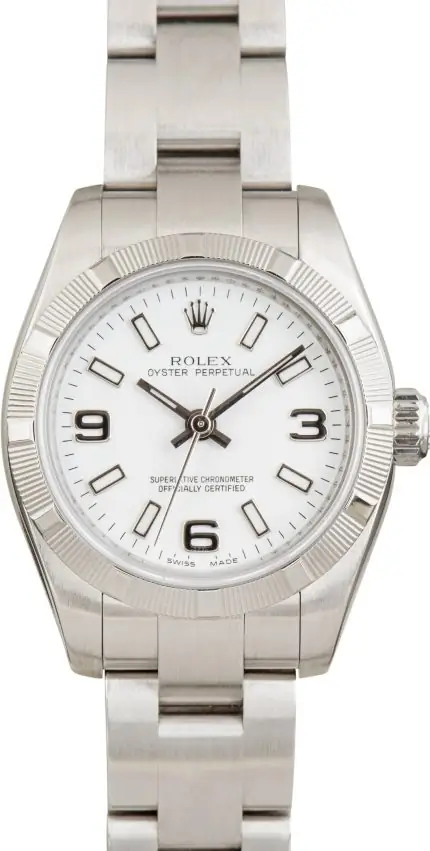
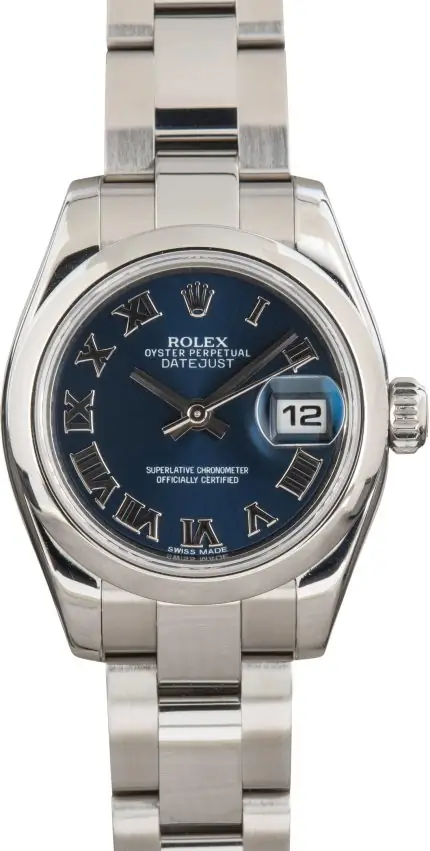
Table of Content
Let’s really understand the sizes. It’s more than just millimeters.
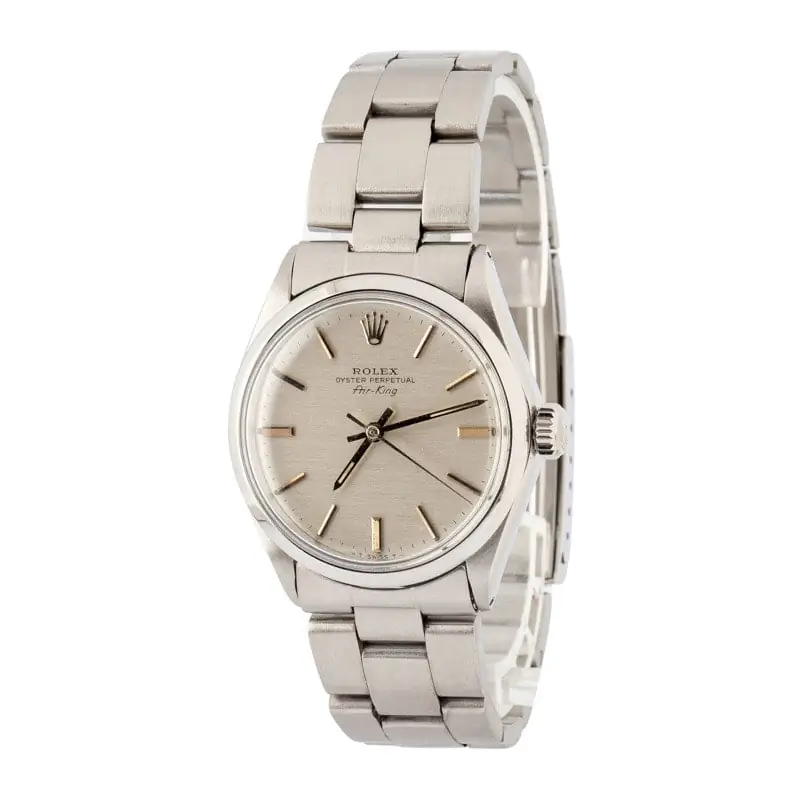
The actual measurements and how the watch looks.
First, let’s look at the numbers. The 41mm and 36mm talk about the case width across the dial, not counting the winder. But how big it *seems* depends on a few other key things.
The lug-to-lug distance—that’s from one lug end to the other—decides how much of your wrist the watch will cover. A 41mm Rolex often comes with longer lugs, so it can feel even bigger on the wrist than you’d think.
On the flip side, the bezel design matters a ton. A fluted bezel on a 36mm Datejust can make the watch face look smaller. But a smooth bezel on a 41mm Oyster Perpetual makes the dial seem wider open.
Now, let’s talk proportions. The balance between the dial and the bezel is another subtle but super important detail. Lots of newer 41mm watches have a bit wider bezel to keep that classic look.
This means the real difference in dial size between it and a 36mm might not be as huge as the numbers make it seem. I always tell people to check the watch out in a mirror from a few steps back.
Does it look right on your arm, or is it just taking over your whole wrist? That overall look and feel is what you and everyone else will see every day, not the millimeter number.
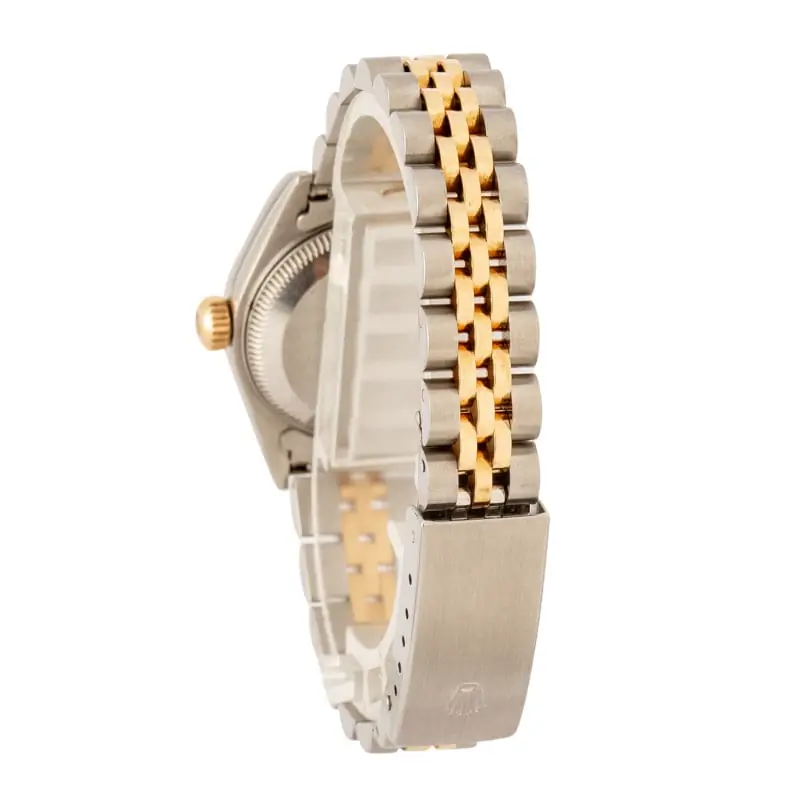
When you’re deciding between a Rolex 41 and a 36, your wrist size and how the watch fits are the most important things.
So, how do you measure your wrist the right way?
Let’s get practical and skip the guessing game. To figure out if the Rolex 41 or 36 is best for you, you’ve got to measure your wrist accurately first. Just grab a soft measuring tape or even a piece of paper.
Wrap it snugly around that bony bump on your wrist—right where you’d normally wear your watch. Then, jot down the measurement in inches or millimeters. Based on fitting tons of watches, here’s a handy guide to help you choose between the Rolex 41mm and 36mm sizes.
| Your Wrist Size | Suggested Case Size | Primary Consideration |
|---|---|---|
| If your wrist is under 6.5 inches | the 36mm Rolex is usually the perfect fit. | It won’t hang over the edges and it’ll be super comfy. |
| For wrists between 6.5 and 7.5 inches | you can really go either way—both the 36mm and 41mm Rolex can look great. | Depends on personal style amp; lug design |
| If your wrist is over 7.5 inches | the 41mm Rolex typically balances better on your wrist. | It gives you that solid, noticeable presence. |
But the measurement is only the beginning. The real test is all about comfort and how it wears. You’ve got to see how the watch actually sits on your wrist. A good-fitting watch should let you slip a finger easily under the bracelet. The lugs shouldn’t stick out past the flat part of your wrist. If they do, that Rolex is too big for you. If you’re active or wear your watch all day, the slimmer, lighter 36mm Rolex can be a lot more comfortable. My advice? Try on both the 41 and the 36 for a few minutes. Move your arm around naturally to really feel the difference.
Style, Era, and Model-Specific Considerations
Classic vs. Contemporary Aesthetics
Let’s talk about the history and style. For ages, the 36mm case was the go-to size for men’s dress and sports watches. Think classic models like the vintage Datejust and Explorer – they really defined that look.
It gives off a classic, polished vibe and slips neatly under a shirt cuff. Now, moving to 41mm is a more modern, bold move. It’s the kind of statement you see with today’s tool watches.
So, picking a size is like tipping your hat to a specific time period. A 36mm watch usually has that elegant, vintage feel. On the other hand, a 41mm one goes for a more current, sporty look.
Here’s the thing about different models: not every 41mm or 36mm Rolex is the same. Take the Submariner. It stuck with 40mm for years before some versions went to 41mm. It’s a small change, but fans can definitely spot it.
But the Datejust 41 and Datejust 36? They’re actually separate model lines. The DJ41 often comes with a bit of a different case shape and uses the Caliber 3235 movement. The DJ36 might have the Caliber 3235 or the 2236.
When you’re deciding, you might want to check out what features and dial options come with each size for your favorite model.
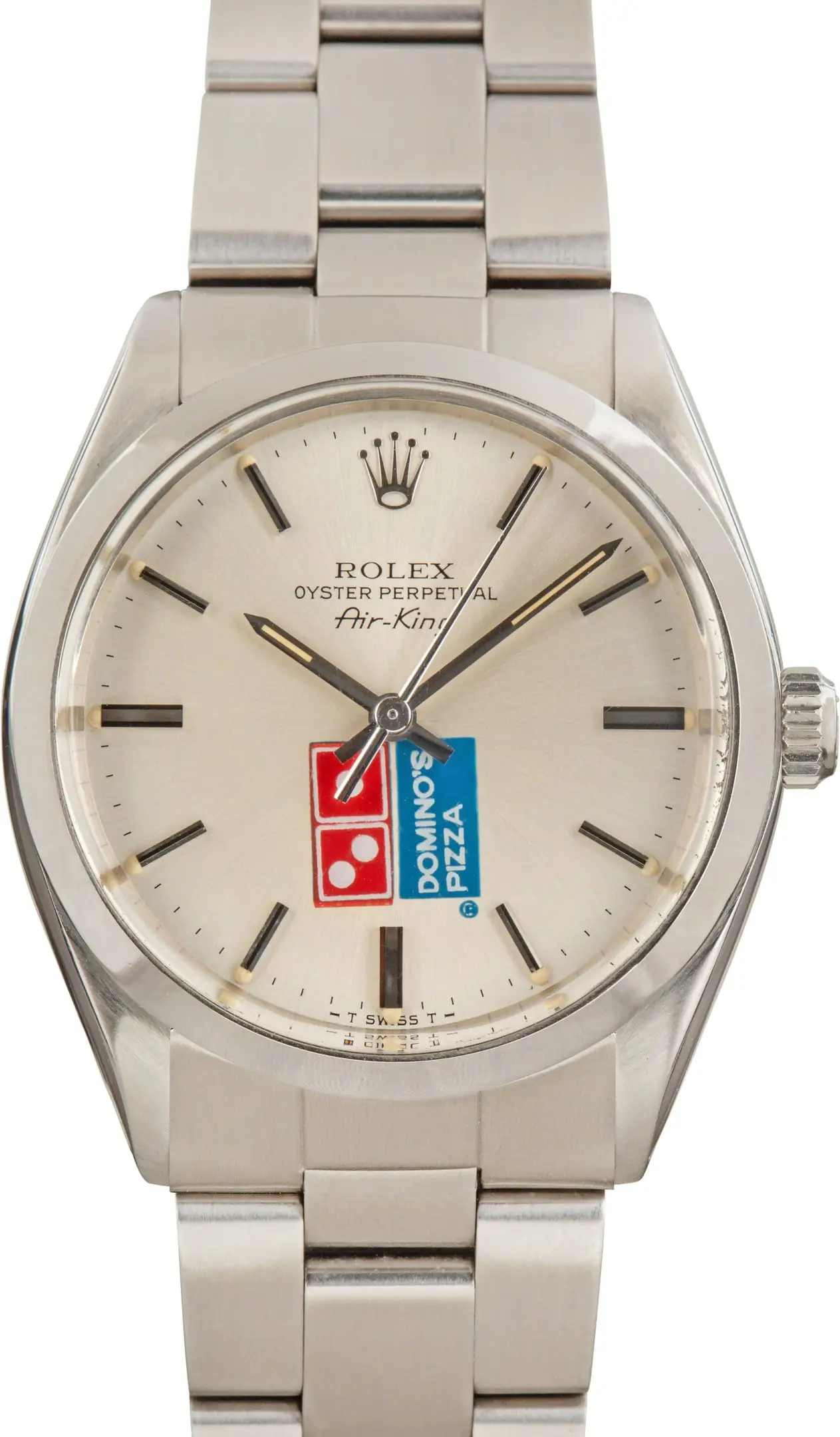
Let’s talk about personal experience and what keeps you happy with your watch long-term.
Here are some real stories from wearing them, and a few regrets people have had.
I’ll share my own story first—I actually own both the 41mm and the 36mm Rolex. My first proper Rolex was a 36mm Datejust. It felt just right—super classy, went with everything, and was really comfy on the wrist.
But then trends changed, and I started thinking maybe I needed a bigger watch. So I went and got myself a 41mm Oyster Perpetual. At first, I was all about that bold, statement look. Over time though, I noticed I kept grabbing the 36mm one more.
It just felt like part of my arm, not some bulky thing sitting on top of it. So the lesson here? That initial love for a big, bold size might wear off, but good comfort and the right proportions last forever.
Here’s a common mistake to avoid. I often hear guys say, I got the 41mm because it looked awesome in the store, but now for everyday, I wish I’d picked the 36mm. Those bright store lights and fancy mirrors can really trick your eyes.
You’ve gotta think about your real daily life. Do you dress up a lot? The 36mm might slide under a cuff better. Is your style more casual and tough? Then the 41mm could be the one for you. Think of this as a choice for the next ten years, not just for the ten minutes you’re in the shop.
It’s not just about the size. The dial, the bracelet, and how it all looks on your wrist matter too.
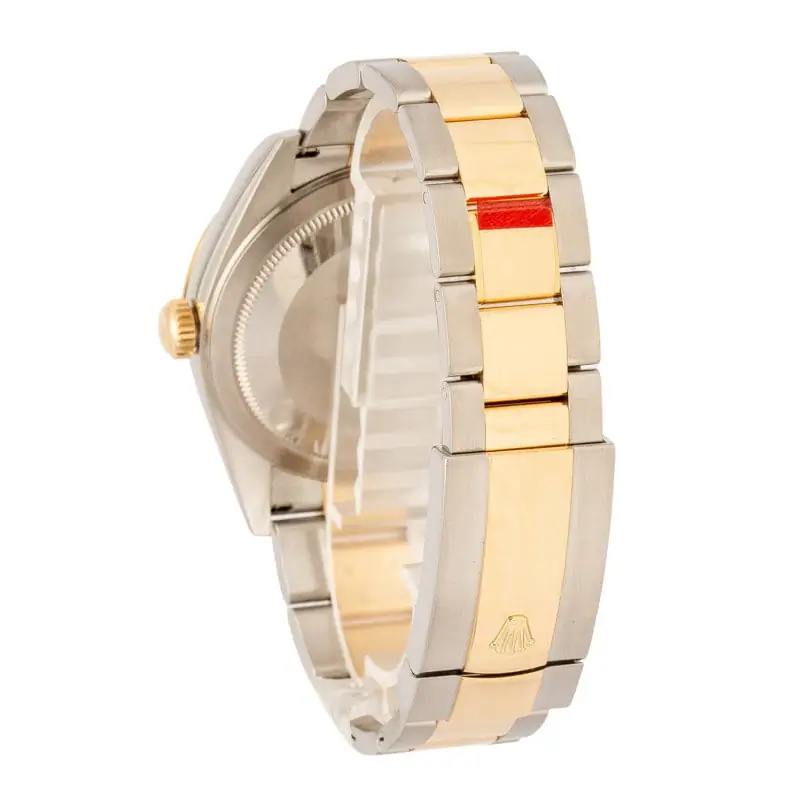
Here’s how those other parts change how you see the watch.
Dial color makes a big difference. Put a dark dial, like black or navy, on a 41mm watch, and it can look a bit smaller because it doesn’t stand out as much.
But a shiny white or silver dial on a 36mm model does the opposite—it can make the watch look bigger than it is. Also, think about how busy the dial is. A cluttered chronograph dial might feel too squished at 36mm for some people.
A simple Oyster Perpetual dial, though, can feel nice and open even at the smaller size. The trick is to judge the whole watch together, not just the case size alone.
The bracelet and clasp play a huge part too. They change how the watch sits and feels. An Oyster bracelet has those solid, flat links. It adds some visual weight and can make a 36mm watch feel chunkier.
A five-piece Jubilee bracelet is more flexible and detailed. It can balance out a big 41mm case by breaking up the bulk. The newer Oysterlock clasps are wider too.
which changes how the watch sits in the middle of your wrist. So don’t just look at the case. Make sure you try it on with the bracelet you plan to use.
| Design Element | Effect on 36mm Model | Effect on 41mm Model |
|---|---|---|
| Dark Dial | Can appear smaller, more subtle | Reduces visual bulk, enhances wearability |
| Fluted Bezel | Adds sparkle but can minimize dial focus | Adds significant visual weight and luxury detail |
| Oyster Bracelet | Adds robustness, balances proportions | Enhances tool-watch, sporty character |
| Jubilee Bracelet | Adds vintage elegance and visual length | Softens the case, adds dressier appeal |
So, how do you make your final choice between the Rolex 41mm and 36mm? Let’s break it down step by step.
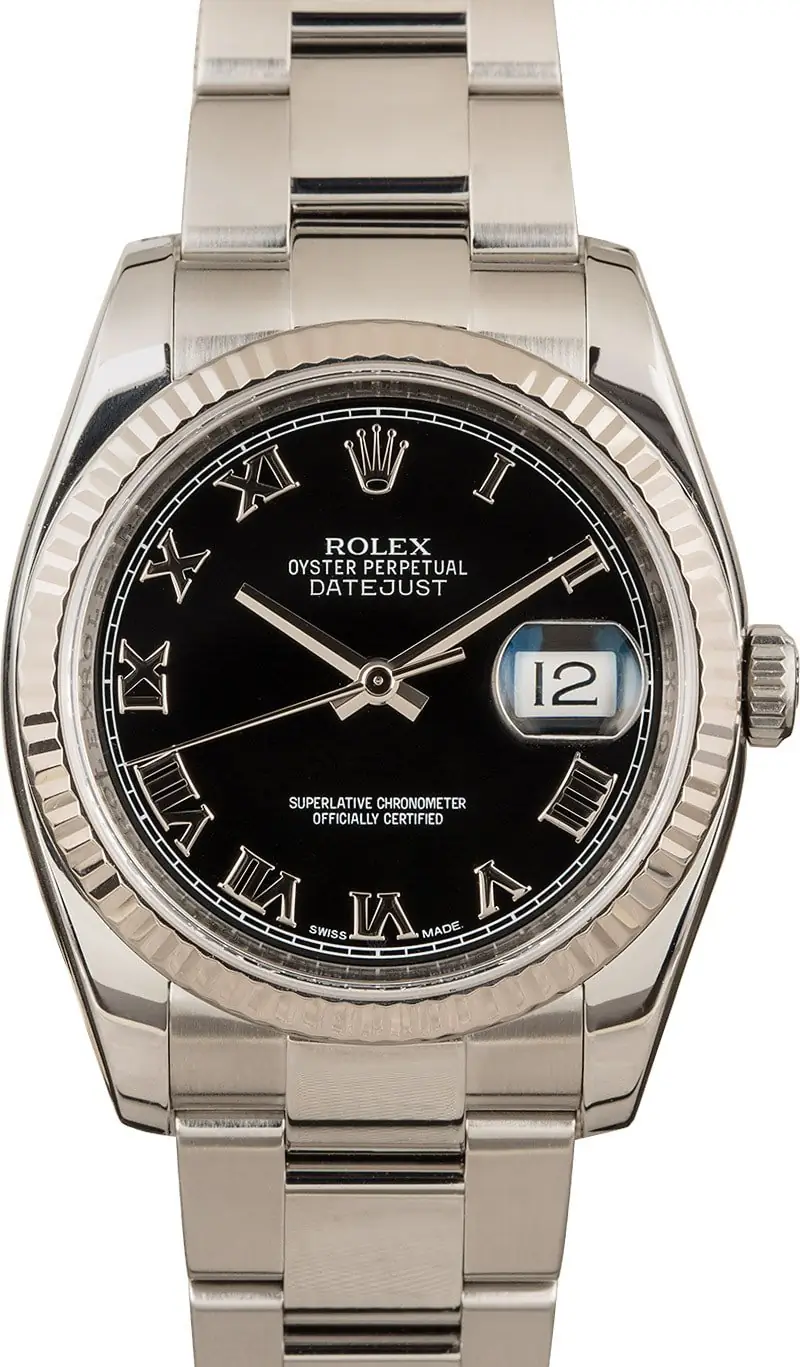
Here’s a practical checklist to run through before you buy.
First rule: take your time. Start by getting an accurate measurement of your wrist. Next, if you can, go to an official dealer. Try on both the 41mm and 36mm versions of the exact model you want.
Then, snap some pics of each one on your wrist from a few angles—get a mirror selfie too. Also, think about the other watches you own. Are you looking for something low-key or a real standout piece? Finally, sleep on the decision. Your gut feeling often knows which size really fits your style.
A quick word on ethics and sustainability. When you buy a Rolex, think about where it comes from. Buying from an authorized dealer means your watch is legit, comes with a full warranty, and supports the brand’s focus on making things that last.
A Rolex is made to be passed down. Picking the right 41mm or 36mm size is the first step in loving a watch you’ll keep forever, which is better for the planet too. This isn’t a quick, throwaway choice. It’s an investment in amazing craftsmanship that lasts.
To wrap it up, choosing the best size between a Rolex 41mm and 36mm is super personal. It all comes down to your wrist, your personal style, and the details of the watch itself. Trends fade, but good proportions and comfort never go out of style.
The 36mm gives you that classic, versatile look that’s been the standard for men’s watches for more than 50 years. The 41mm gives off a modern, confident vibe that fits today’s styles and works well on bigger wrists. There’s no single best size for everyone. There’s only the perfect fit for you.
Want to see more real-life comparisons of the Rolex 41mm vs 36mm? I’ve made a whole gallery of photos showing these two sizes on all sorts of wrists. Jump into our community forum, tell us your wrist size and what style you like. I’ll help you figure out which Rolex size—41mm or 36mm—could be your ideal match!
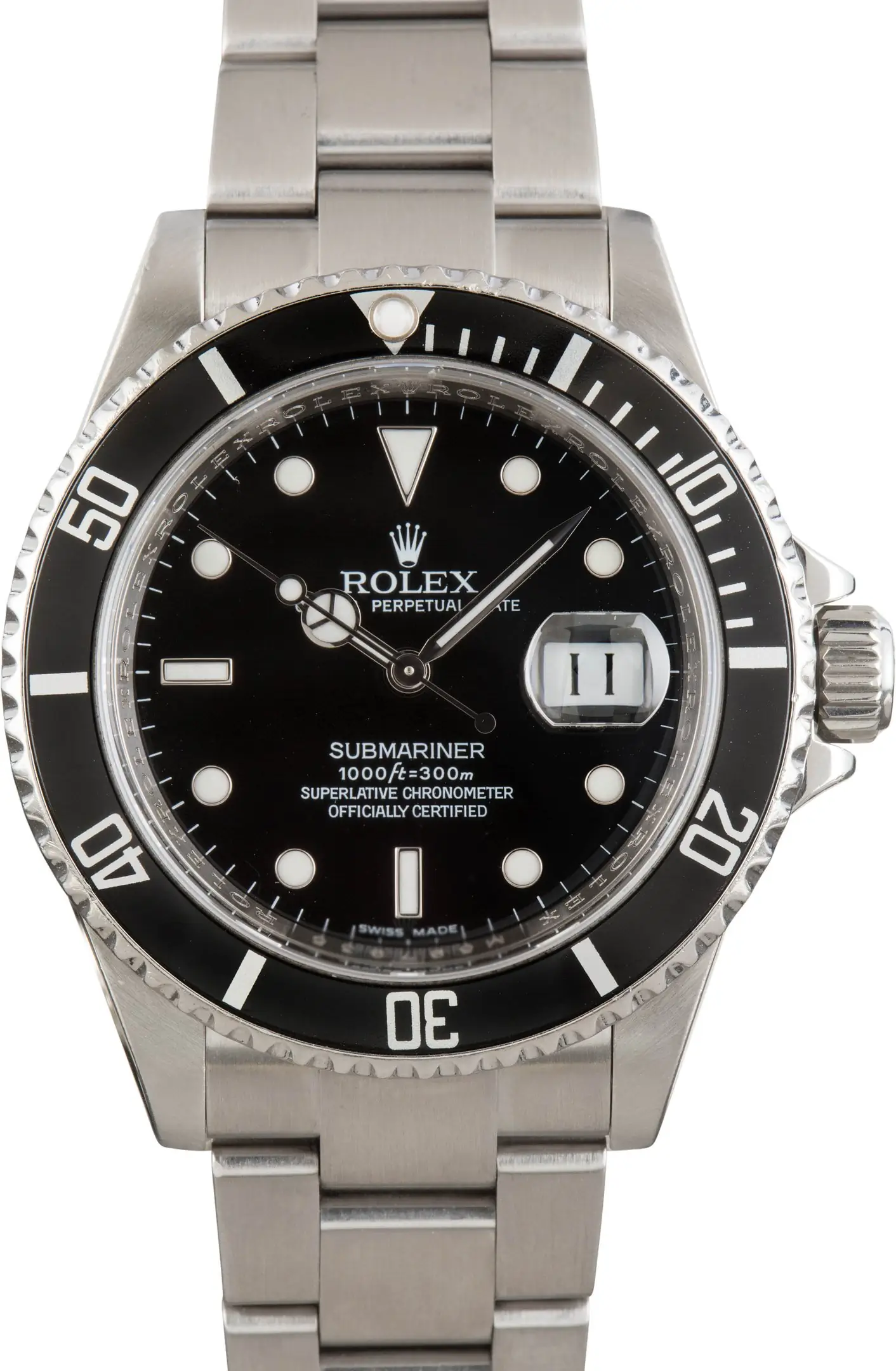
FAQ: Rolex 41mm vs 36mm for Men
So, is a 36mm Rolex too small for a guy?
Not at all. For ages, 36mm was actually the go-to size for men’s watches. It’s still a great pick if your wrist is under 7 inches. It’s also perfect if you like a classic, low-key look that slides right under your shirt cuff.
Plenty of today’s style icons and athletes rock 36mm watches with confidence. That just shows it’s all about how it fits your wrist, not whether it’s a man’s or woman’s size.
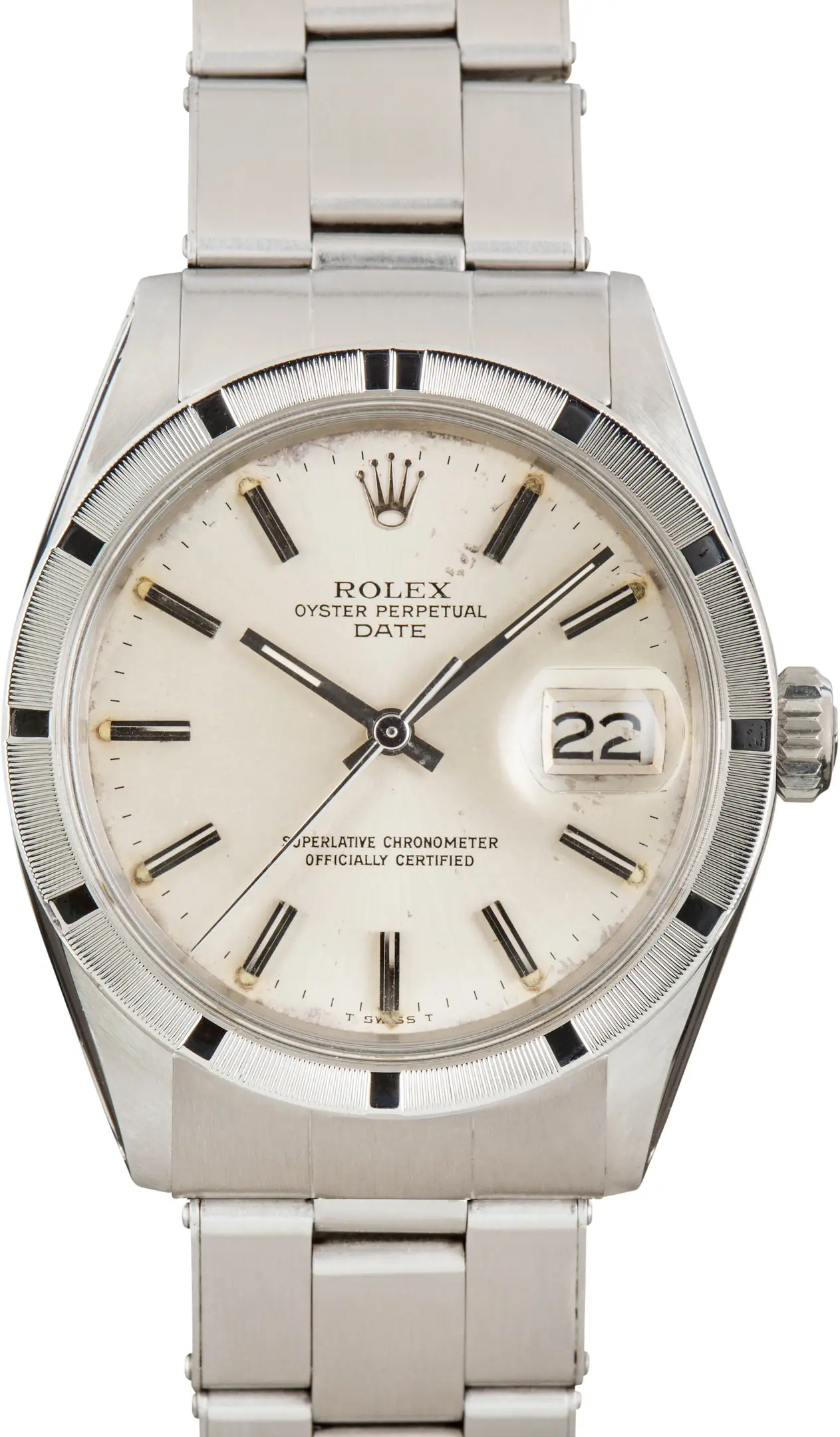
Alright, what about a 41mm Rolex? Is it too big for formal stuff?
It might be, yeah. It really depends on your build and the watch’s specific style. Take a 41mm Datejust with a Jubilee bracelet and fluted bezel. It’s a dressy watch for sure, but that 41mm size can feel a bit bulky under a tight shirt cuff.
Traditionally, for super strict business or black-tie events, a 36mm model is the more appropriate choice. But these days, workplace rules are way more relaxed. So a 41mm watch can be totally fine in many formal situations, as long as it fits your wrist properly.
Now, which one keeps its value better, the Rolex 36mm or 41mm?
Honestly, how well it holds value depends more on the specific model than just the size. Iconic models in both sizes, think certain Explorer I or Datejust versions, tend to do really well.
Right now, some discontinued 36mm pieces, like the Explorer 14270, are hot. So are popular 41mm ones like the Submariner 126610. In the end, the watch’s condition, how rare it is, and if it’s all original matter way more than a couple of millimeters in size.
Can you swap the bracelets between a 41mm and a 36mm Rolex?
Nope, you can’t. The lugs and the whole case are built specifically for that size. A bracelet made for a 41mm watch just won’t hook onto a 36mm case, and it’s the same the other way around.
And get this, even watches that are both called 41mm might not share bracelets. Different models have different case shapes and end-links, so the bracelets are usually model-specific.