Is a Watch Winder Necessary for Rolex Datejust?
Is a Watch Winder Necessary for Rolex Datejust?

So, you’ve got yourself a beautiful Rolex Datejust. Now you’re probably thinking, What’s the best way to look after it when I’m not wearing it? A lot of watch fans ask the same thing: should I use a watch winder for my automatic Rolex? Sure, you can always wind and set your Datejust by hand after it’s been sitting. But a good watch winder is super convenient. It’s a real game-changer if you switch between a few different watches. A winder keeps that complex automatic movement ticking over smoothly. This means your watch is always ready to wear, and it might even help keep all those tiny gears nicely lubricated. But here’s the catch: not every watch winder is the same. Pick the wrong one, and you could actually hurt your prized watch instead of helping it.
Recommended Products
You might be interested in these products
Here’s what we’ll cover:
- Why a winder is great for your Rolex Datejust
- How to pick the perfect winder for your Datejust
- Some top watch winder brands and models to check out
- The right way to set up and use your winder
- Watch winder myths and mistakes you should avoid
- Wrapping it up: our final recommendation
- Ready to find the perfect partner for your Rolex?
- Your questions about watch winders for the Rolex Datejust, answered
Here’s why a watch winder is great for your Rolex Datejust.
Let’s talk about how an automatic watch works.
The main idea is this: your Rolex Datejust has a fancy self-winding mechanical movement inside. It’s not like a quartz watch. It needs the energy from your wrist moving around. A little rotor inside swings when your arm moves.
This winds up the mainspring, which stores the power to run the watch. If you leave the watch sitting still, that stored power runs out, and the watch stops.
Practical Implication: So if you don’t wear your watch every day—maybe you rotate between a few—you have to wind it by hand and set the time and date every single time you put it on. A watch winder for your Rolex Datejust fixes that.
It copies the natural motion of your wrist, gently turning the watch to keep the mainspring nicely wound. This saves you the bother of resetting everything. More importantly, it keeps the date function working smoothly on its own.
You avoid putting any strain on the mechanism by trying to change the date manually at the wrong time.
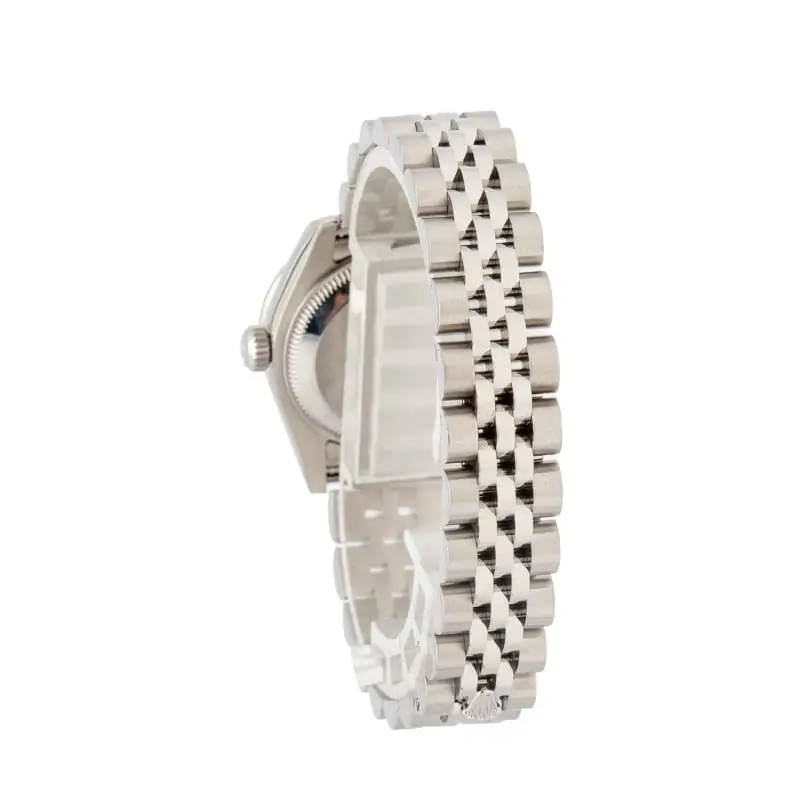
It’s all about convenience and taking care of your watch.
The biggest perk for most people? Pure convenience. Picture this: you grab your favorite Rolex Datejust for a big night out, and it’s already showing the right time and date. A watch winder makes that happen.
Plus, that steady, gentle turning might help spread the oils inside the movement evenly. Some watch experts say this is good for the watch’s long-term health, but not everyone agrees.
Here’s an important heads-up: you don’t absolutely need a winder to maintain your Rolex. Rolex movements are tough and built to be wound by hand. In fact, too much winding or doing it wrong could even add extra wear over time.
So, think of a watch winder for your Rolex Datejust as a handy luxury, not a must-have tool. For the best advice on your specific watch and how you use it, chat with a certified Rolex watchmaker.
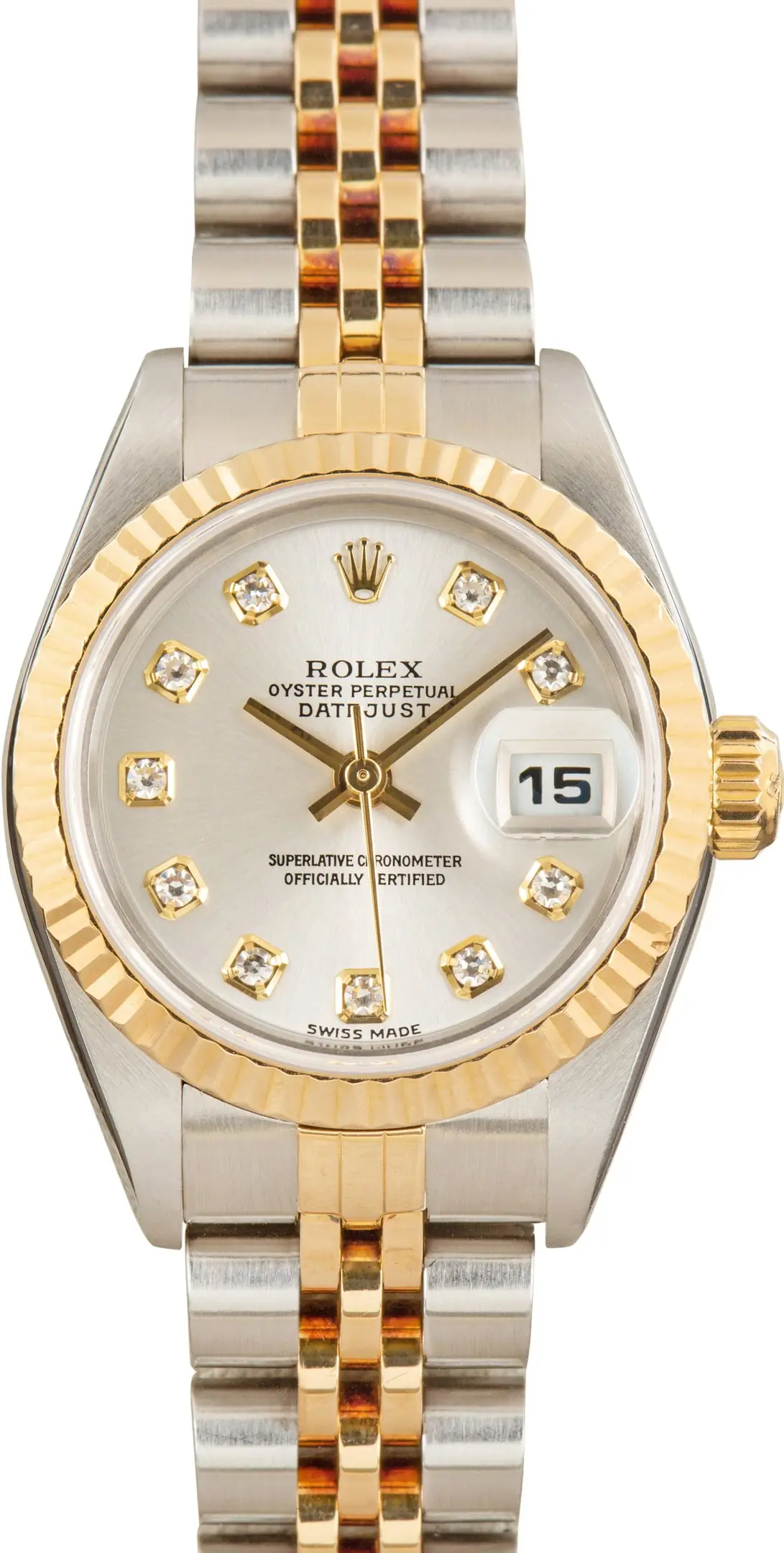
Let’s find the perfect watch winder for your Rolex Datejust.
Here are the key specs you really need to check out.
First up, the most critical spec: Turns Per Day, or TPD. Modern Datejust watches, with the Caliber 3235 movement, can run for about 70 hours on a full wind.
So, your watch winder needs to give it just the right amount of turns to keep it charged, but not too much. A good winder lets you adjust the TPD, usually somewhere between 650 and 1200 turns. For most Rolex automatics, starting with a setting around 800 to 900 turns per day is a safe bet.
Next crucial feature: rotation direction. Rolex movements wind in both directions, so the rotor charges the watch whether it spins clockwise or counterclockwise.
That means your watch winder should have a bidirectional mode, or better yet, a special setting just for Rolex. Steer clear of cheap winders that only spin one way—they won’t wind your Datejust properly.
| Watch Model | Good TPD Range | Best Rotation Mode | Tips for Rest Cycles |
|---|---|---|---|
| Newer Datejust (with Cal. 3235) | 800 to 950 | Go with bidirectional, or use the Rolex setting if it has one. | It helps to program some rest time, like 6 to 12 hours off. |
| Older Datejust (with Cal. 3135) | 650 to 850 | Bidirectional is the way to go. | Same idea with the rest cycles—it lets the mainspring relax a bit. |
Now, let’s talk about quality, noise, and keeping your watch safe.
Build quality and noise matter. Your fancy watch needs a good home. Find a winder with soft, adjustable pillows inside. They’ll hold your watch snugly and won’t scratch the bracelet. The motor should be super quiet.
A loud, buzzy one is cheaply made and will drive you nuts if it’s in your bedroom or office. Motors from Japan or Switzerland are top-notch—they run quietly and reliably.
A couple more things to think about: security and looks. Lots of high-end winders have locks on the lid, or you can just put the whole box in your safe. And don’t forget the design.
This thing will be sitting on your dresser, so you want it to look good. You can pick anything from a sleek box for one watch to a fancy wooden cabinet that holds several. Basically, it’s a display case that keeps your watch wound and ready to go.

So, which watch winder brands and models should you look at?
Let’s talk about the top players, from the fancy ones to the more affordable options.
At the luxury end, you’ve got brands like Buben Zorweg and Orbita. They’re the absolute best watch winders money can buy. These guys mix amazing craft, super quiet tech, and really smart programming.
They’re an investment on their own. Made from top-shelf wood and metal, they’re built to last and look great with your watches.
Now, for most folks with a Rolex Datejust, brands like Wolf and JQUEEN hit the sweet spot. You get great performance and reliability without breaking the bank. Take Wolf, for example.
They’ve got a great reputation, and lots of their winders even have special settings just for your Rolex. You still get all the important stuff like adjustable turns per day and rotation in both directions.
But you don’t pay that crazy luxury price. That’s why they’re such a smart and popular pick for a watch winder for your Rolex Datejust.
| Brand | Price | What’s good for your Rolex | Who it’s best for |
|---|---|---|---|
| Orbita | High-end | Has a special gentle spin, and the build quality is top-notch. | The collector who wants nothing but the best. |
| Wolf | Mid-range to High-end | Comes with settings made just for Rolex watches. | Enthusiasts who want performance they can trust. |
| JQUEEN | Mid-range | Great value for money, offers lots of rotation options. | Perfect if you need a reliable watch winder for your Rolex Datejust but are watching your budget. |
Setting Up and Using Your Winder Correctly
Initial Configuration and Placement
Here’s how to set it up step by step. First, gently put your Datejust on the pillow that came with it. Make sure the crown isn’t pushed up against the inside wall. If you can, adjust the pillow’s size so the watch fits snugly but isn’t too tight.
Then, just plug the winder in and go to the control panel. Set the Turns Per Day, or TPD. Use the preset for Rolex if there is one, or just start with 850 turns. Choose the bidirectional rotation setting.
Finally, set a rest period. A good, safe choice is a 12 hours on, 12 hours off cycle. This keeps it from running all the time.
Finding the right spot is key. Put your watch winder somewhere stable and dry. Keep it out of direct sun, away from really hot or cold spots, and far from strong magnets like speakers or laptops.
A sturdy nightstand or a cabinet in a room with steady, normal temperature is perfect. This helps protect the winder’s electronics and, even more importantly, keeps your Rolex’s delicate movement safe.
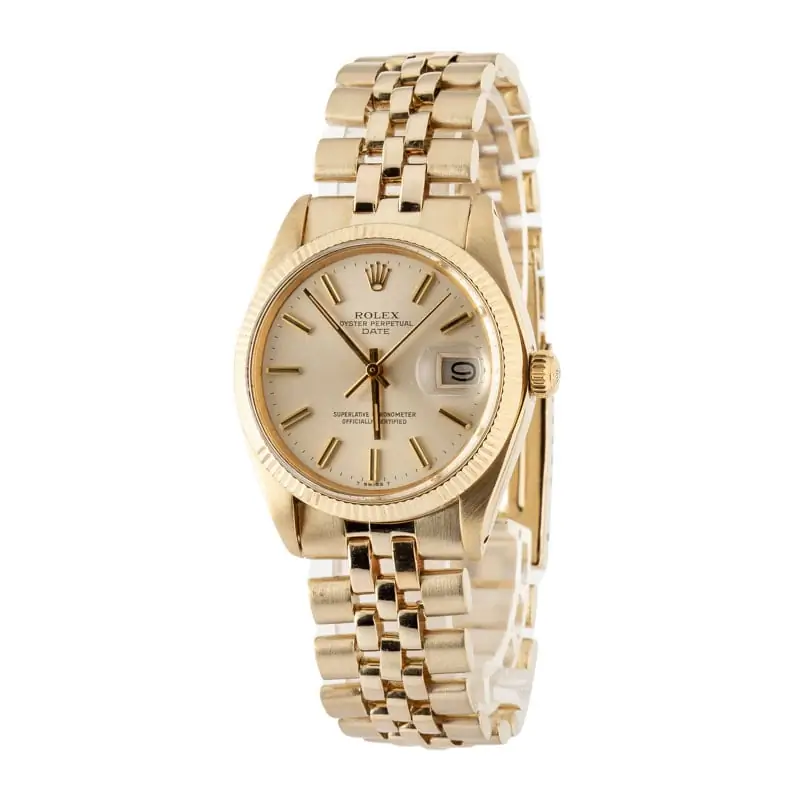
Ongoing Maintenance and Monitoring
Make it a habit to do a quick check now and then. Maybe once a month, stop the winder and take a look at your watch yourself. Check that it’s still keeping good time and that the date flips over cleanly right at midnight.
This way, you know your winder is working right. Also, listen to the motor. If you hear any new or strange sounds, it might need a look.
For the long haul, remember this: a winder isn’t a substitute for a professional service. Your Rolex Datejust still needs to be serviced by an expert about every 10 years. The winder is just a handy tool to use in between those service appointments.
If you know you won’t be wearing the watch for months—like putting it away for a season—that’s totally fine. Just let it wind down all the way. Then store it safely in its original box somewhere cool and dry.
Common Myths and Mistakes to Avoid
Debunking Overwinding and Power Reserve Myths
Let’s bust a common myth first: a lot of people worry about overwinding their automatic watch with a winder. But with modern Rolex movements, like the Caliber 3235, you don’t need to worry. They have a clever slipping clutch that stops overwinding.
Once the watch is fully wound, that clutch just slips, so the rotor can spin freely without tightening the spring any further. The real problem with a cheap watch winder for your Rolex Datejust is different.
It might not wind it enough, or the motion could be too rough and shaky, which might hurt the movement in the long run.
Here’s another thing people get wrong about power reserve: they think a winder has to run all day, every day. That’s just not true, and it’s not a good idea either. A good quality watch winder that you can set to take breaks is actually much better.
It keeps your Rolex Datejust wound just right—enough to hold power and run the date—but also lets it rest now and then. This mimics how you’d naturally wear it and could even help you go longer between services.
Pitfalls in Selection and Usage
Now, let’s talk about a big pitfall: don’t fall for those super cheap, no-name winders you find on shady websites. They usually have the wrong turns-per-day settings, their motors are noisy, and they vibrate way too much.
Check the reviews, and you’ll often see stories of them breaking, scratching bracelets, or even shaking the watch right off its pillow. Spending a bit more on a trusted brand for your watch winder is really about protecting your much more expensive Rolex Datejust.
When using your winder, a simple mistake is not putting the watch on right. Make sure your Datejust is sitting nice and centered on the pillow, and that the whole winder is on a flat surface so it turns evenly.
Also, if you’ve just wound your watch by hand all the way, don’t bother putting it on the winder right away. There’s no point. Just let the winder do its job when the watch has run down a bit.
One last tip: if your Rolex is water-resistant, always screw the crown down tight before you put it on the winder. That keeps the seal intact.
Conclusion and Final Recommendation
So, getting a watch winder for your Rolex Datejust is a great idea.
It makes owning the watch more convenient and can even help keep its movement healthy in the long run. But that’s only true if you pick the right one and use it properly. You don’t absolutely have to buy one.
But if you own several watches, or you just like the thought of your Datejust always being set and ready to go, then it’s definitely money well spent. The most important thing?
Focus on quality, getting the settings right, and buying from a good brand. Don’t just go for the cheapest option or the one that looks the fanciest. Your Rolex Datejust is a real engineering marvel. It deserves a watch winder that knows how to take care of it properly.
Looking for the perfect watch winder for your Rolex Datejust?
Got any tips or questions about watch winders? Drop them in the comments!
Want to really compare models and features? Our buyer’s guide on luxury watch accessories has all the details you need.
Got questions about watch winders for your Rolex Datejust? Here are some answers.
So, do you really have to get a watch winder for your Rolex Datejust?
Nope, you don’t *have* to have one. Your Rolex is built to be wound and set by hand. A watch winder is just for convenience. It keeps your watch ticking and the date right when you’re not wearing it.
so you don’t have to reset everything. It’s a nice perk, but your watch will be just fine without it.
What’s the best TPD, or Turns Per Day, for a Rolex Datejust watch winder?
For newer Datejust watches with the Caliber 3235, aim for somewhere between 800 and 950 TPD. Older ones with the Caliber 3135 movement usually like 650 to 850 TPD. Always check your winder’s manual. And it’s smart to pick one with adjustable settings so you can get it just right for your watch.
Can a bargain watch winder actually hurt my Rolex?
Yeah, it sure can. Cheaply made winders might shake too much, spin the wrong way, or have parts that are magnetic. Over time, that could mess with your watch’s movement. Their cushions are often flimsy too, which could scratch up your bracelet.
The safest bet is to spend a bit more on a good-quality winder from a brand you trust. It’s worth it to protect your investment.
Should you leave your watch winder running non-stop?
Actually, it’s better not to. The best winders let you program cycles with breaks, like 12 hours on and 12 hours off. This is more like how you’d actually wear the watch. It saves wear and tear on the movement and uses less power. You don’t need to run it 24/7 just to keep the power reserve up.