Is a Single Watch Winder Right for Your Rolex?
Is a Single Watch Winder Right for Your Rolex?

So you’ve got yourself a stunning Rolex, right? It’s a real marvel of engineering and definitely needs to be looked after. You’ve probably heard of watch winders. But is a single-bay winder, one made just for one watch, the best pick for your prized Rolex? Let’s dive into the world of single watch winders. We’re talking about the ones built specifically for luxury automatics, like your Rolex. We’ll look at how a single watch winder keeps your Rolex healthy. We’ll check out which features really matter for a high-end watch. And we’ll help you figure out if a solo winder is the perfect, custom fit for the star of your collection.
Recommended Products
You might be interested in these products
Table of Content
- Why your Rolex needs to keep winding
- Picking the perfect single watch winder for your specific Rolex model
- Key things to think about and common mistakes to steer clear of
- Setting it up, taking care of it, and doing things the right way
- What we promise: warranty and support
- Your questions answered: all about single watch winders for Rolex
Ever wonder why you gotta keep your Rolex wound up?
Let’s break down how that automatic movement works.
It all starts with the rotor, a little weighted piece inside your watch. When you move your wrist, that rotor swings around and winds up the mainspring for you. But if you leave it sitting still, it’ll run out of juice and stop ticking.
That’s where a good single watch winder for your Rolex comes in. It keeps the watch moving gently, just like your wrist would. And it’s not just about saving you time. Using a winder helps spread the oils inside your watch around evenly.
This stops them from gunking up, which keeps your Rolex running accurately and healthy for years to come.
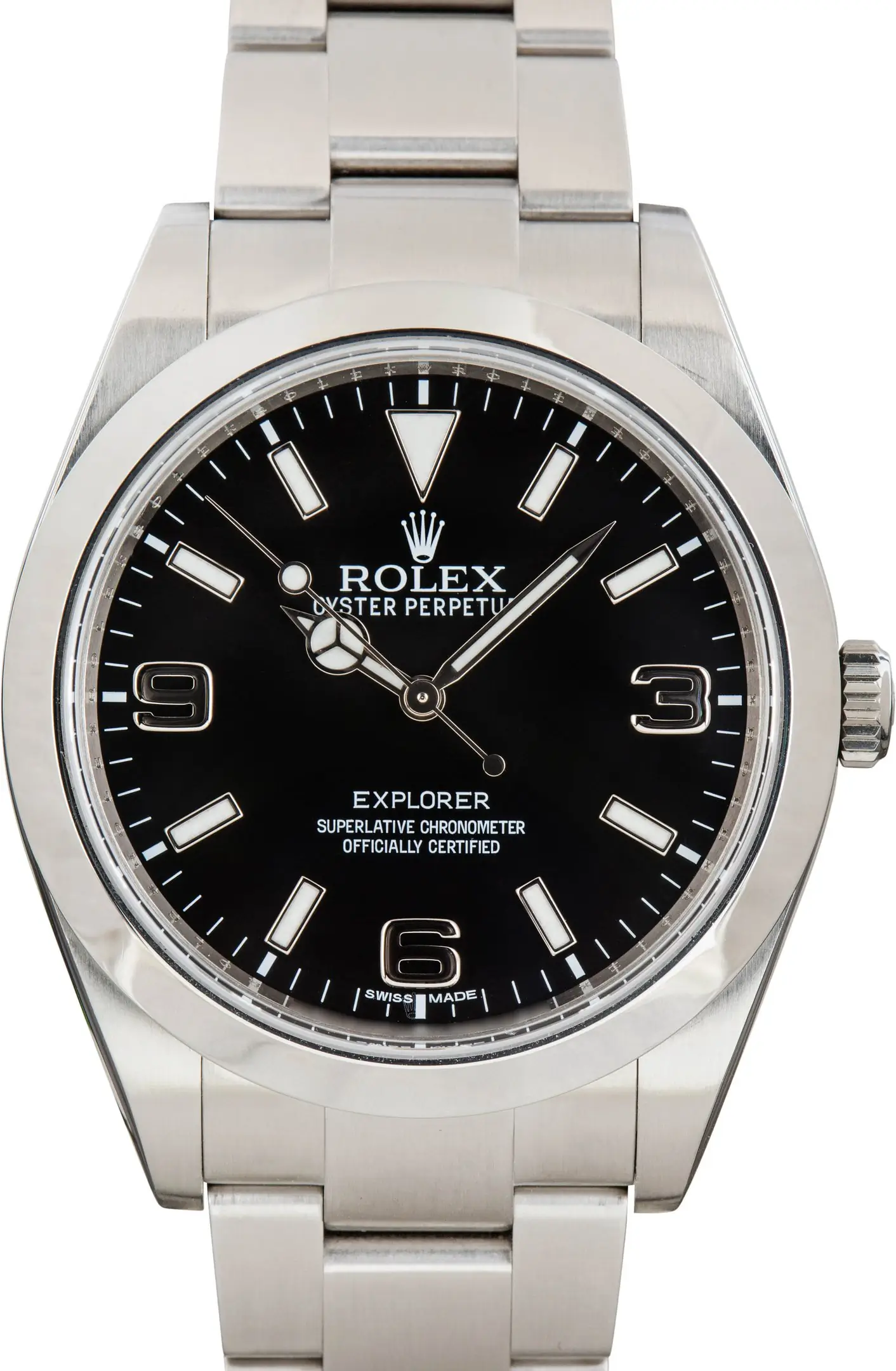
But there’s more to it than just convenience. Think long-term care.
The biggest perk of a single watch winder for your Rolex isn’t just having it ready to go. Modern watch oils are fancy stuff, but if the watch sits too long without moving, those oils can break down or settle.
A quality single-bay winder gives your Rolex a gentle turn now and then. This keeps all the lubricants in tip-top shape. That means less wear and tear on the tiny gears and parts when you finally pick it up and start wearing it again.
And if you own a fancy Rolex with lots of features, like a perpetual calendar or a GMT-Master II, a winder is pretty much a must-have. It saves you the huge headache of resetting everything if the watch stops.
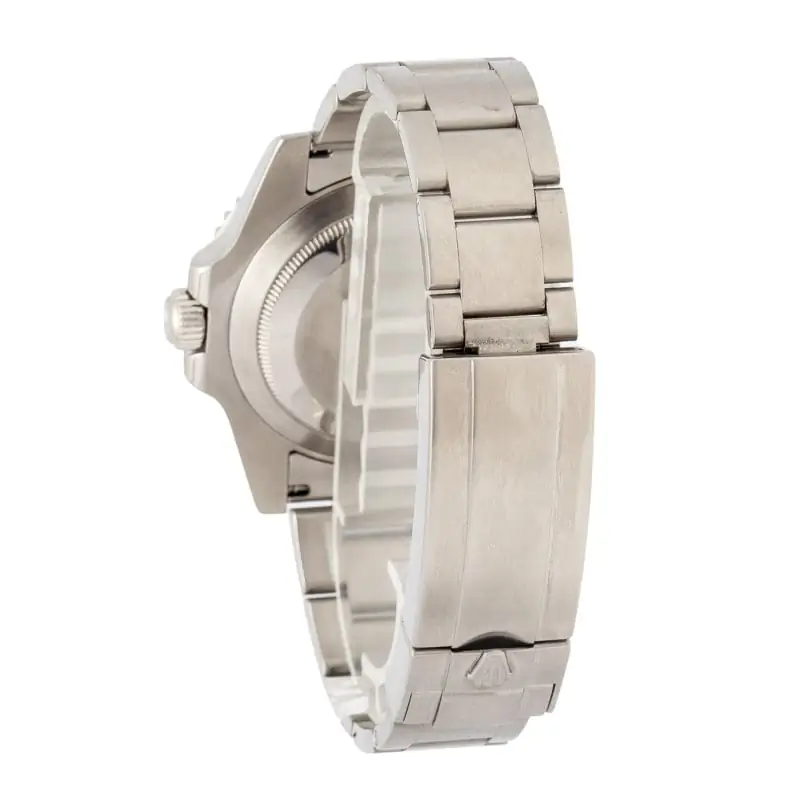
Let’s talk about picking the right single watch winder for your Rolex.
You really need to look at three key things: TPD, rotation direction, and how quiet it runs.
First up, the tech specs. Not every winder is the same, and that’s super important for something as precise as a Rolex. The most important spec is Turns Per Day, or TPD. Most Rolex movements need somewhere between 650 and 850 turns per day.
A good single watch winder lets you adjust the TPD to fit your exact watch model. The rotation direction matters too. Some watches wind both ways, others only like turning one way. So, find a winder that gives you a few different direction options.
And lastly, think about the noise. A quiet brushless motor means it won’t bug you when you’re trying to sleep or work.
| Watch Model / Movement | Good TPD Range | Best Direction | A Few Notes |
|---|---|---|---|
| For a Submariner with Caliber 3235 | Set it between 650 and 800 TPD. | Bidirectional is fine. winding works great. | It’s a tough movement that’s not picky about winding direction. |
| For a Daytona with Caliber 4130 | Aim for 700 to 850 TPD. | Stick with clockwise rotation. | Since it’s a chronograph, double-check your manual to be sure. |
| For a Datejust with Caliber 3235 | Set it between 650 and 800 TPD. | Bidirectional is fine. winding works great. | This is pretty standard for newer Rolex watches. |
| For older models, like those with Caliber 3135 | Set it between 650 and 800 TPD. | They often prefer counterclockwise. | But always, always check the official specs to be safe. |
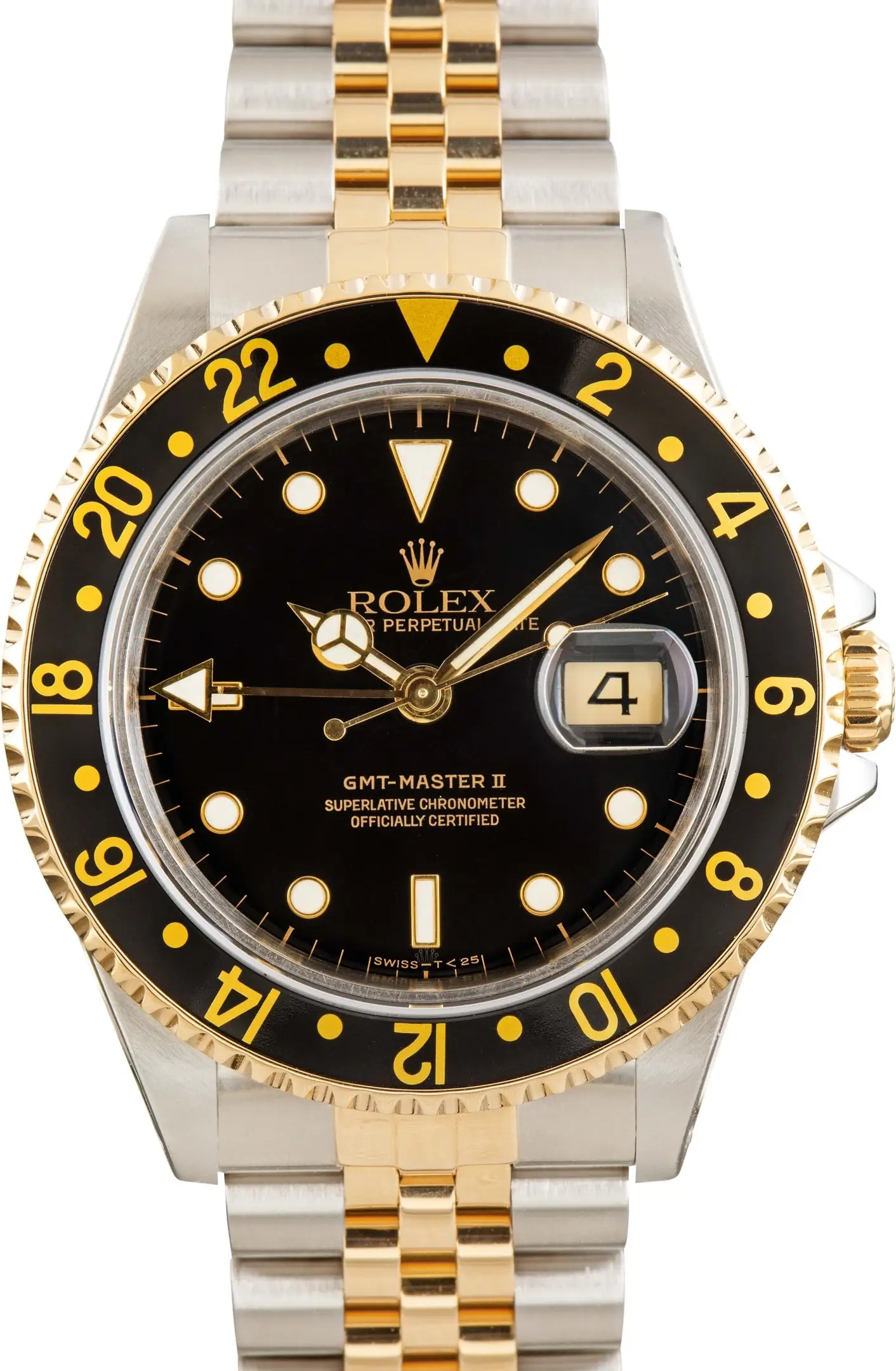
Now, let’s look at the design, how secure it is, and power options.
It’s not just about working well; your single watch winder should look good with your watch and your room. Get one with a soft, lined inside so it doesn’t scratch your watch’s case or bracelet.
A secure lid, maybe magnetic or with a lock, just makes you feel better about leaving your Rolex in there. They usually plug in, but battery backup is a huge plus if you travel or the power goes out.
Trust me, I found out the hard way: a wobbly base makes for a shaky, noisy winder. So, choose one with a solid, heavy base that won’t slip. It’ll run much smoother and quieter.
So, should you get a single watch winder or one that holds multiple watches?
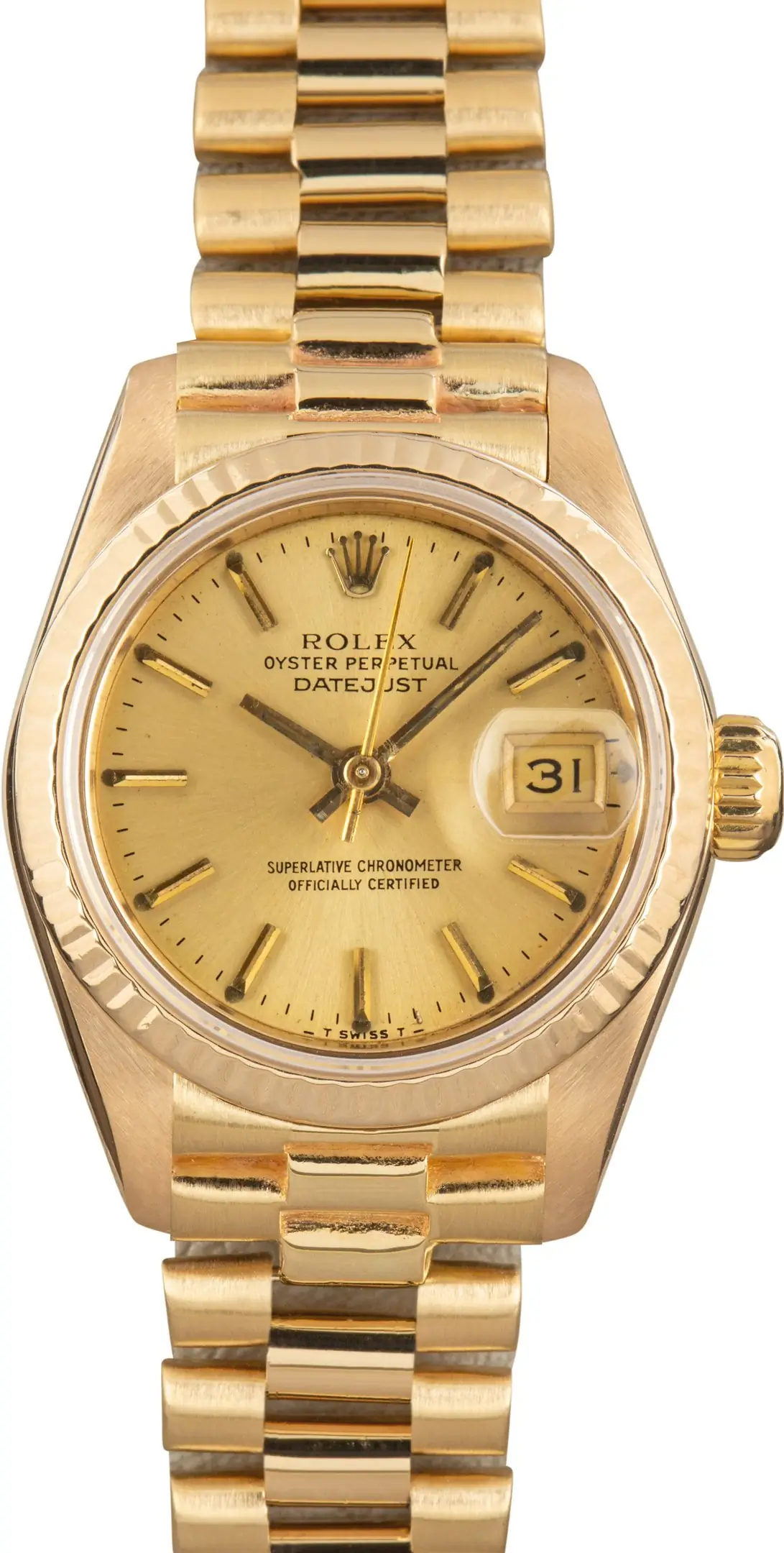
Here’s why a single-bay winder is awesome.
A single watch winder gives your best watch the VIP treatment it deserves. You can tweak everything—TPD, direction, rest times—perfectly for that one watch’s movement.
It’s perfect for the star of your collection, think a Daytona or an old-school Submariner. They usually protect your watch better too, with a snugger, more secure holder. If you have one main luxury watch and want to keep it in top shape and ready to go, a single winder is definitely the way to go.
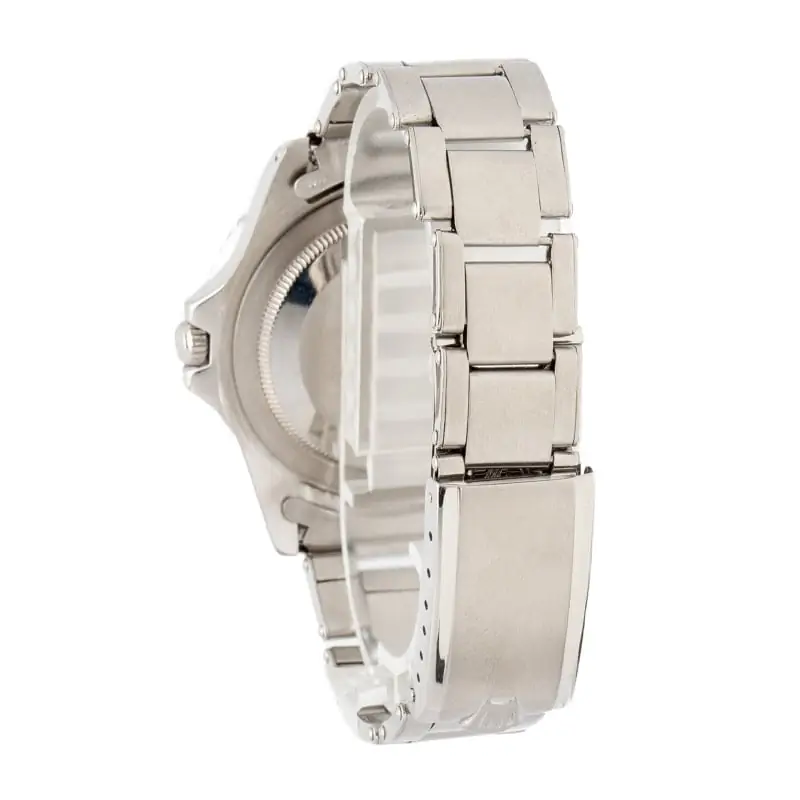
But sometimes, a multi-watch winder makes more sense.
Let’s be real, even though we’re talking single winders, they’re not perfect for every situation. If you have a few automatics you wear in rotation, a multi-bay winder is just more practical and saves space.
A lot of serious collectors mix it up. They’ll use a single winder for their trickiest or favorite Rolex—maybe one with an annual calendar—and a bigger box for their simpler everyday watches.
This way, the most important watch gets the best care, and the others are still looked after without any fuss.
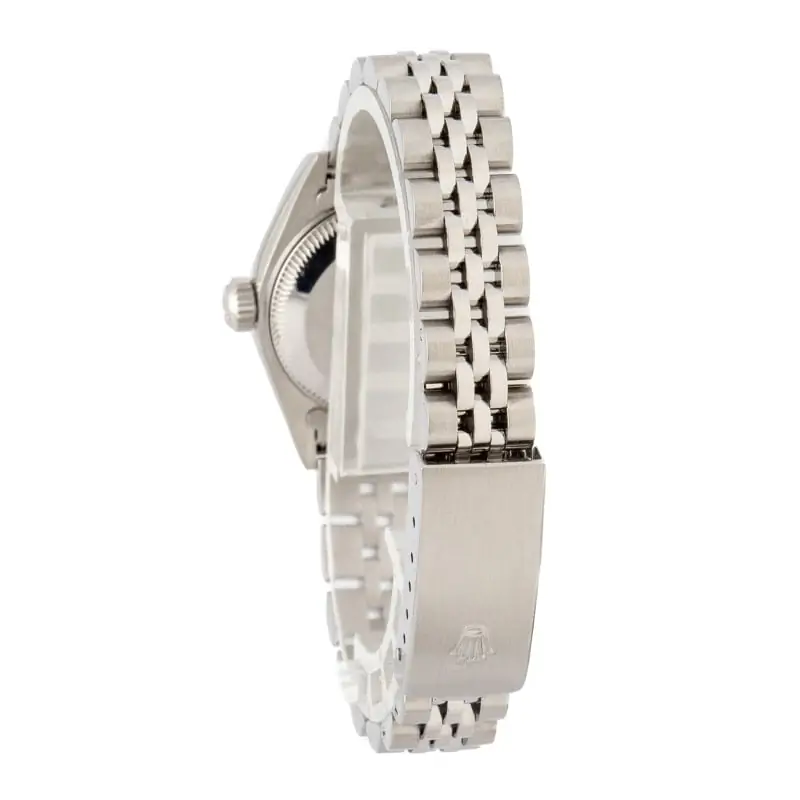
Here’s what you really need to think about, and the mistakes you’ll want to dodge.
Let’s talk about picking the right single watch winder for your Rolex and using it the right way.
First up, the main thing: don’t think your single watch winder needs to be on all the time. That’s the biggest myth. You can’t really over-wind a new Rolex—it’s got safety springs. But running the winder too much just wears it out for no good reason.
So, get a single watch winder that you can program. Make sure it has settings that let your Rolex take breaks. Another big no-no is a cheap winder. If the motor’s jumpy or the pillow doesn’t fit, it can really strain your watch’s bracelet.
Always check your Rolex’s size—how far apart the lugs are and how thick the case is. That way, you know it’ll fit the winder’s pillow perfectly. Take it from Michael, a guy I know.
His old Rolex bracelet got a bit loose because the winder pillow was too tight. Moral of the story? Go for a soft, adjustable holder.
| What to look for | Why your Rolex needs it | The specifics |
|---|---|---|
| Adjustable turns per day (around 650 to 850) | This matches what your Rolex movement needs. | Look for digital controls so you can set it exactly right. |
| Different rotation modes | It works with different kinds of watch movements. | You want options: both directions, just clockwise, or just counter-clockwise. |
| A super quiet motor (under 20 dB) | This keeps things quiet at home or in the office. | Go for one with a brushless DC motor—they’re the quiet ones. |
| A soft pillow you can adjust | This stops your watch’s case and bracelet from getting scratched. | Look for microfiber lining, or one that’s inflatable or well-padded. |
| A backup power option | This keeps your watch wound if the power goes out or you’re traveling. | A rechargeable battery is a great feature to have. |
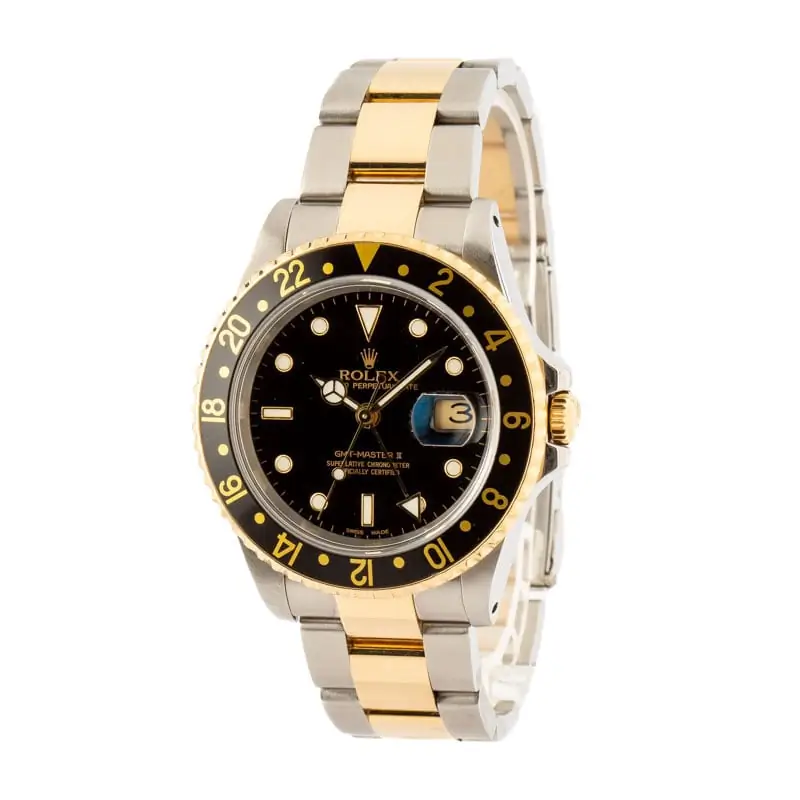
Installation, Care, and Best Practices
Setting Up Your Winder for Optimal Performance
First things first, find a good spot for your single watch winder. Put it on a flat, steady surface. Keep it out of direct sun, away from really hot or cold spots, and don’t put it near things with strong magnets, like speakers.
Next, slide the adjustable pillow into your Rolex’s bracelet. Gently expand it until your watch feels snug and secure, but make sure it’s not putting any pressure on the spring bars. Then, set the TPD (turns per day) and rotation direction.
Just follow the recommendations for your specific Rolex model. Here’s a tip: start with a lower TPD setting. Pick a mode that winds for a bit then takes a long break.
like spinning for just 2 minutes every 12 hours. This way, your Rolex gets plenty of winding, but the motor doesn’t have to run all the time.
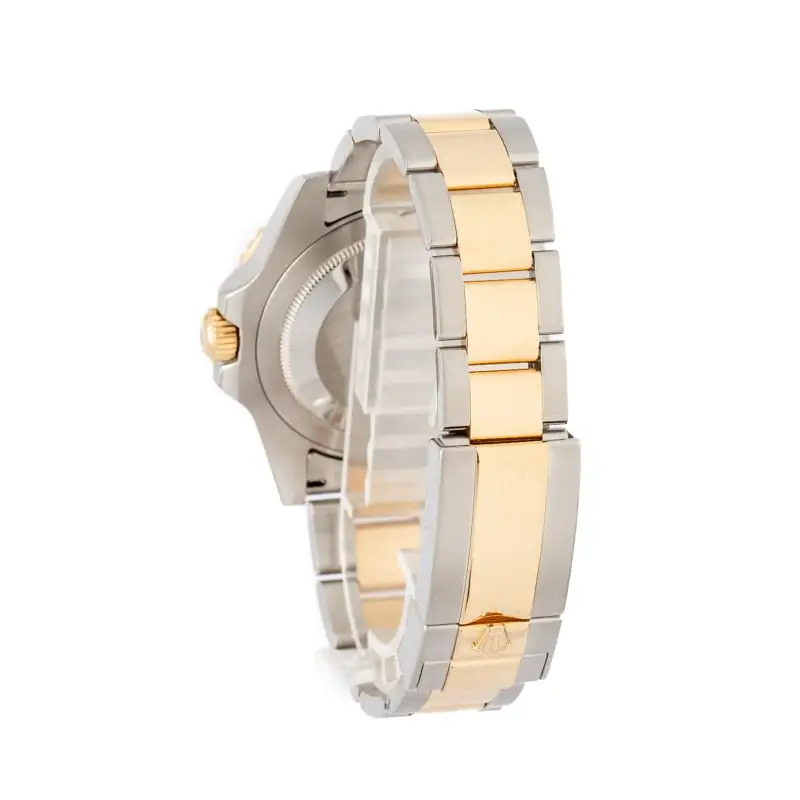
Long-Term Maintenance and Troubleshooting
To keep your single watch winder in good shape and reliable, just give the outside a regular wipe-down with a soft cloth to get rid of dust. Every couple of months, unplug it and gently clean the soft lining inside.
If the motor starts getting noisy or the spin seems uneven, that might mean it’s time for a service or even a new winder. One important rule: never force your watch onto the pillow. If it doesn’t sit right, just get a pillow that’s a better fit.
Always remember, this winder is for keeping your Rolex ready to wear, it’s not really meant to be a permanent display case. If you won’t be using your Rolex for weeks or months, go ahead and take it off the winder. Let it wind down and tuck it away safely in its original box. That’s totally fine.
Here’s our promise on warranty and support.
We’ve got your investment fully covered.
First, let’s talk about what’s covered. We fully back the quality of the single watch winders we recommend. Every premium single watch winder comes with a solid 2-year warranty from the maker. It covers any motor or electrical issues.
You can also try it out risk-free for 30 days with our no-questions-asked return policy. Just test the winder with your Rolex. Run into any problems? Our support team knows luxury watch care inside out.
They’re here to help you set things up and fix any issues. We think the right single watch winder is a long-term partner for your Rolex. Our policies are all about giving you total confidence in that partnership right from the start.
Now, let’s hear from some real users.
Take Sarah, for example. She collects Rolex watches, including a GMT-Master II. She used to get really frustrated after business trips, always having to reset the time, date, and GMT hand.
Since she started using a programmed single watch winder, things changed. She says, It’s not just convenient. My watch’s power reserve feels steadier, and I have real peace of mind knowing it’s being looked after.
Then there’s David. He loves the security of a lockable single winder for his vintage Submariner. It keeps his watch safe and ready to go, even when it’s just sitting on his desk. These stories show how a simple device like a single watch winder can solve real headaches for watch lovers.
So, to sum it up, if you’re serious about your Rolex, a high-quality single watch winder is a smart, focused investment. It’s more than just convenient.
It’s a key maintenance tool that keeps your watch’s movement lubricated, accurate, and running for years. Pick a single watch winder with the right turns per day (TPD), quiet operation, and a secure fit.
That’s how you give your prized Rolex the personalized care it really deserves. Whether it’s your everyday Submariner or a more complex Sky-Dweller, a dedicated single winder makes sure your Rolex is always in top shape and ready to wear.
Ready to give your Rolex the dedicated care it needs? Check out our handpicked guide to the best single watch winders out there. We’ve got detailed comparisons and setup tutorials.
Click here to find the perfect single watch winder for your Rolex model. You’ll also join a community of enthusiasts who are all about precise care!
FAQ: Single Watch Winder for Rolex
Can using a single watch winder for Rolex actually overwind or hurt my watch?
No, it can’t. A modern Rolex with a good movement won’t get overwound by a winder. That’s because Rolex movements have a safety feature—a slipping mainspring or clutch.
Once the watch is fully wound, it just slips and stops, so there’s no extra tension. A good single watch winder just gives it enough turns to keep it wound up, kind of like how your wrist moves when you’re wearing it.
The real danger is a cheap winder. If it has the wrong settings, a rough motor, or a pillow that doesn’t fit right and strains the bracelet, that’s what could cause problems.
So, how many turns per day (TPD) does my particular Rolex actually need from a winder?
For most newer Rolex models—think calibers like the 3235, 3255, or 3285—they’re happiest with around 650 to 800 TPD. Older ones, say with a Caliber 3135, usually need about the same number of turns.
but they might like to spin the other way—counterclockwise. The best bet is to check your watch’s manual or ask an official Rolex service center. They can give you the exact specs for your specific model and reference number.
A decent single watch winder should let you adjust the TPD settings to fit right in that common range.
Can I just leave my Rolex on the single watch winder all the time?
Technically, it’s safe because of those anti-overwind features, but you don’t really need to, and it’s not always the best idea. Letting it spin non-stop for months does put a tiny bit of extra, needless wear on the rotor parts.
The smart move is to get a winder you can program. Set it to give the watch good long breaks—like winding for just a few minutes every few hours. If you’re not going to wear it for a while—say.
a whole season—just let it run down and pop it back in its box. Then, the day before you want to wear it, put it back on the single watch winder to get it going again.
What about using the same single winder for my other watches, like an Omega?
Yeah, you can, but there are a couple of big things to watch out for. A single-bay winder is great because you can really focus on just one watch. But if you’re swapping between your Rolex and another automatic.
like an Omega, you’ve got to change the settings every time. Adjust the TPD and which way it turns to match whatever watch is on there. If you leave the wrong settings on for too long, the watch might not wind properly. In some rare cases, it just won’t work as well for that specific movement.