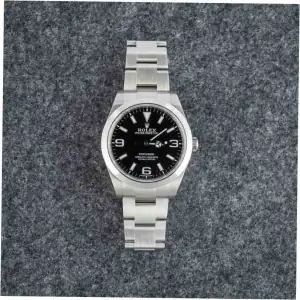
Does a Rolex require manual winding to operate?
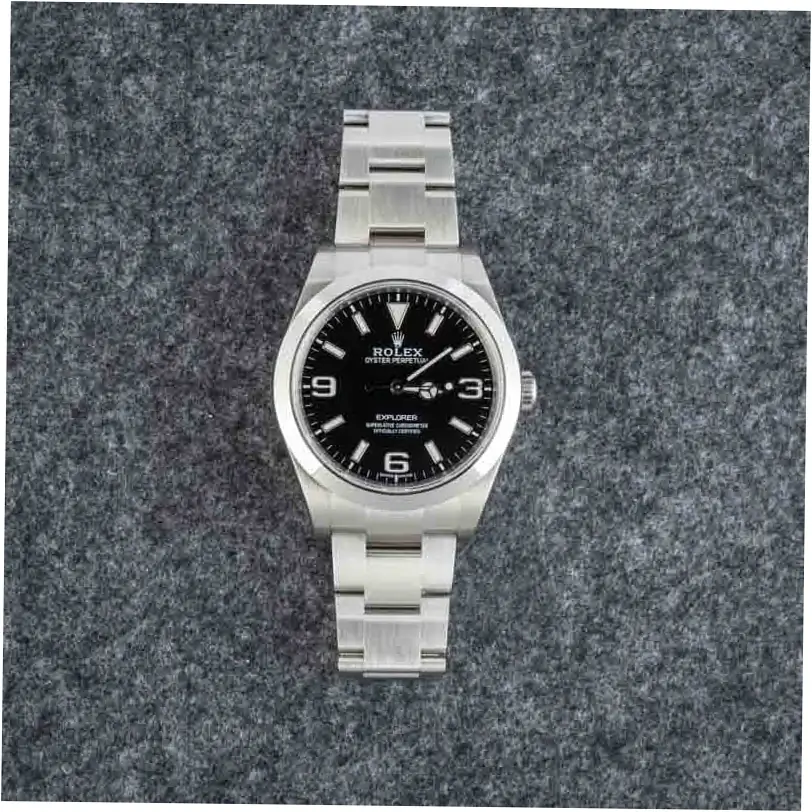
Does a Rolex require manual winding to operate?

Lots of luxury watch fans and new owners wonder the same thing: do you have to wind a Rolex to keep it running? Most modern Rolexes are self-winding, meaning they get their power from your wrist’s movement. But knowing how and when to wind them by hand is still super important for how they work and how long they last. This question really gets to the core of owning a mechanical watch. It connects the famous automatic movement with the basic need to keep it powered up. It’s key to know when and how to wind your watch. This goes for a vintage piece, a brand new one right out of the box, or a watch that’s been sitting around unused. This guide will clear up the confusion about winding your Rolex. We’ll talk about automatic movements, when you need to step in and wind it yourself, and the best ways to make sure your valuable watch keeps perfect time.
Recommended Products
You might be interested in these products



Table of Content
- How Rolex Automatic Movements Function
- Proper Techniques for Winding Your Rolex
- Power Reserve and Watch Winders
- Manual Winding vs. Perpetual Rotor Systems
- Troubleshooting Common Winding Issues
- Maintaining Your Rolex for Long-Term Performance
- Ready to become a more confident Rolex owner?
- FAQ About Rolex needs winding to keep running
So, how do Rolex automatic movements actually work?
Let’s break down the self-winding part.
Here’s the basic idea: inside a self-winding Rolex, there’s a half-moon shaped weight called a rotor. It swings around whenever you move your arm. That swinging motion winds up the mainspring.
Think of the mainspring as the watch’s battery—it stores all the energy to keep things ticking. For most people wearing it every day, just moving around gives it enough juice.
This builds up a power reserve—that’s how long it’ll run off your wrist—usually between two and three days, depending on the model. So, if you’re regularly wearing a modern Rolex like a Submariner or Datejust, you shouldn’t need to wind it by hand every day to keep it running.
Here’s a key point: there’s a big difference between automatic and manual winding. You can wind an automatic watch yourself using the crown to give it a starting boost. But its main job is to wind itself from your motion.
That efficient rotor system—called the Perpetual rotor—has been a Rolex signature since 1931. If the watch stops because you haven’t worn it, just give the crown a few turns to get it going again. Once it’s on your wrist, the automatic winding takes over.
So when do you actually need to wind your Rolex?
First, starting it up. Whether it’s brand new or has run down completely, manual winding is the first thing you gotta do. Here’s what you do: unscrew the crown if it’s that type, then wind it clockwise about 30 to 40 times.
This gives it the basic energy it needs to start ticking and move the hands. After that, the automatic rotor can keep it going.
Next, not enough movement. If you have a desk job or switch between different watches, your wrist might not move enough to keep it fully wound. Spot your watch running slow or stopping even while you’re wearing it?
It probably needs a little manual winding help. Here are some common times you’ll need to wind it up:
| Scenario | Reason | Recommended Action |
|---|---|---|
| Watch is brand new or just out of storage | Mainspring is fully unwound; zero power reserve. | Give 30-40 full turns of the crown to establish reserve. |
| Watch was not worn for over the power reserve period (e.g., 3 days) | Stored kinetic energy has been depleted. | Wind until the second hand starts, then wear normally. |
| Owner has very low daily wrist activity | Automatic rotor does not swing enough to maintain full wind. | Supplement with 10-15 winds every morning while wearing. |
Proper Techniques for Winding Your Rolex
Step-by-Step Winding Procedure
First things first, safety. Before you start winding, make sure the crown is completely unscrewed and pulled out to that first click, right next to the watch case.
If your Rolex has a screw-down crown, just turn it gently counter-clockwise until it loosens and pops out. Don’t ever force it. Always take the watch off your wrist to wind it. This keeps you from putting sideways pressure on the little stem.
Now for the winding motion. Hold the watch steady in one hand. With your thumb and forefinger, turn the crown clockwise. Use nice, smooth, full turns. You’ll feel a bit of resistance and might hear a soft clicking sound.
That’s totally normal. No need to go at it hard. If the watch has completely stopped, about 30 to 40 turns should do the trick to get it fully wound up.
Good news is, most newer Rolexes have a safety feature called a slipping clutch. It stops you from overwinding, so you can’t really hurt the mainspring by turning it too much.

Common Mistakes and Best Practices
Here are some common slip-ups to avoid. A big one is trying to wind the watch with the crown still screwed in tight. That can mess up the threads. Another mistake is turning it counter-clockwise.
On most Rolexes, that doesn’t do anything but waste your time. Also, skip winding it while it’s on your wrist. The odd angle can slowly bend the stem.
Here’s a pro tip: get into a routine. If you don’t wear it every day, think about using a watch winder. But for putting it away long-term, experts usually say it’s okay to just let it run down. You don’t need to store it fully wound.
Once you’re done winding, always screw the crown back down firmly against the case. This keeps the watch waterproof. This step is absolutely essential for Oyster case models, no question about it.
Power Reserve and Watch Winders
Understanding Your Rolex’s Power Reserve
So, what’s power reserve? It’s basically how long your watch keeps ticking after you’ve wound it up all the way. Take the newer Rolex movements, like the Caliber 3235. They’re pretty impressive, holding a charge for about 70 hours.
That means you can take it off Friday night and it’ll still be going strong when you wake up Monday. Older Rolex watches might not last as long, maybe around 40 to 50 hours. Knowing your watch’s specific power reserve is the key. It helps you figure out when you’ll need to wind it by hand.
Keeping an eye on the power reserve? Well, Rolexes don’t have a gauge for that. You just have to get a feel for it. If your watch keeps stopping way before it should when you’re not wearing it, that’s a sign.
Maybe your daily wear isn’t winding it enough, or it might need a service. Don’t worry, letting it run down completely once in a while is totally fine. It can even be good for it.

To Use a Watch Winder or Not?
So, what’s a watch winder good for? It’s a little box that turns your watch slowly, just like your wrist does. This keeps your automatic Rolex wound up. It’s super handy if you’ve got a bunch of automatics or a watch with a fancy perpetual calendar.
You don’t have to keep resetting everything. Basically, it saves you from having to set the time and date over and over.
But there are things to think about. The big question is about extra wear and tear. If a watch is always moving, its parts are working more. That could mean more wear compared to one that gets to rest sometimes.
If you just have one Rolex and you wear it every day, you really don’t need a winder. But if you do get one, make sure you can adjust it. You want to set the Turns Per Day (TPD) to match what your Rolex needs. Here’s a quick and simple guide to help you decide:
| Your Situation | Do You Need a Winder? | Suggested TPD Setting |
|---|---|---|
| Just one Rolex you wear daily | Skip it, not needed | N/A |
| Collection of 3 automatic watches in rotation | Yeah, it’s a good idea for convenience | Aim for 650-800 Turns Per Day. One that turns both ways is best. |
| Storing it away for months | Don’t use one. Just let the watch stop. | N/A |
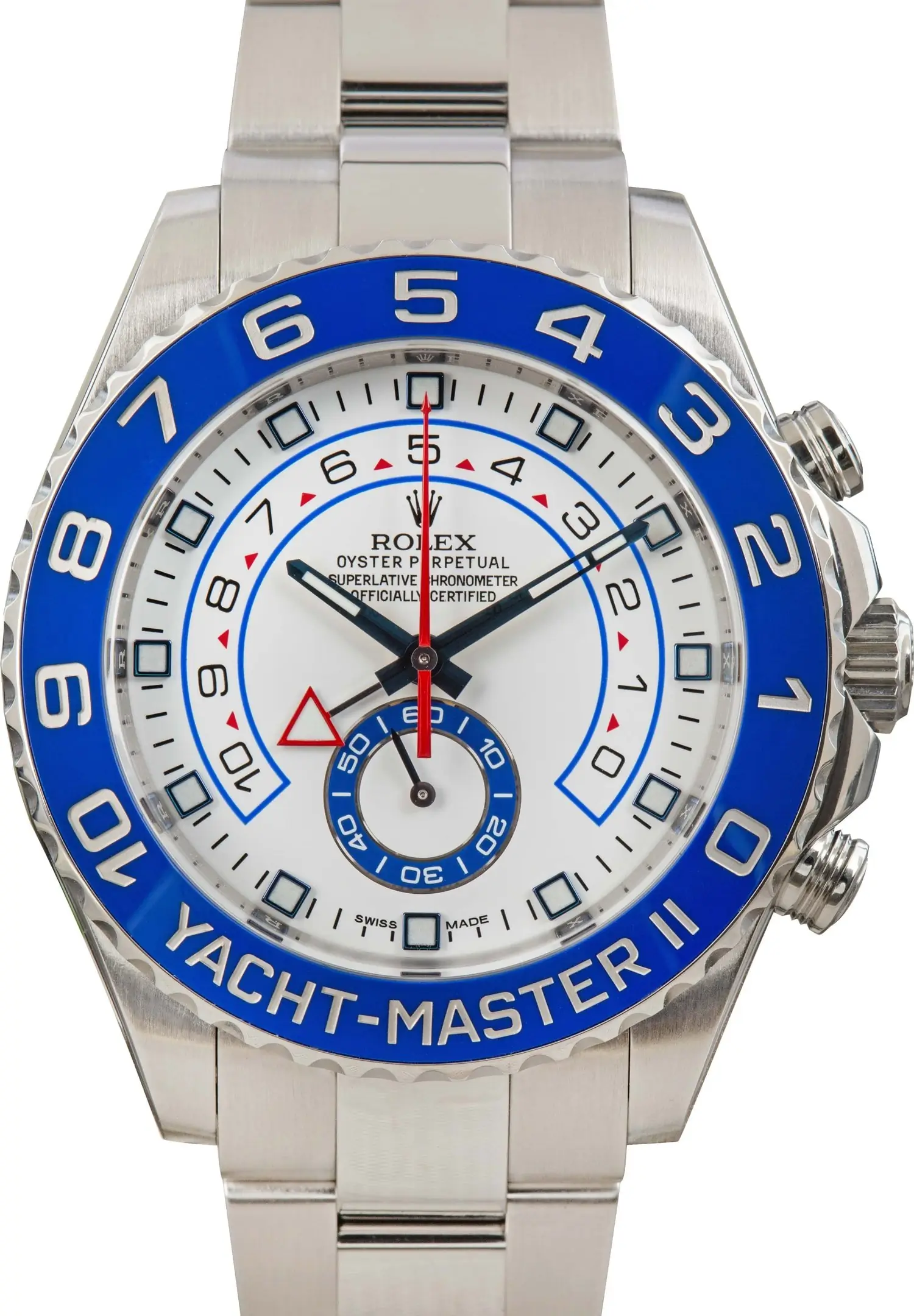
Manual Winding vs. Perpetual Rotor Systems
The Evolution of Rolex Winding Technology
Let’s look back at the history. Back in 1931, Rolex introduced the Perpetual rotor. That was a real game-changer. It made wristwatches super practical for everyday use. Before that, you had to wind every mechanical watch by hand.
The systems we have today are just more polished versions of that same idea. Knowing this history helps you see why manual winding is really just a backup plan in modern automatics. It’s like a bridge connecting you to the watch’s main power source, which comes from your own motion.
Here’s the thing about modern Rolex automatics: at their core, they’re basically a manual-wind movement with a self-winding part bolted on. That’s why you can always give it a wind by hand if you need to.
Turning the crown winds the mainspring straight up. Meanwhile, the rotor on the back does the same job, but indirectly, using a bunch of gears to step down the motion. Having these two ways to wind it makes the whole system really reliable.
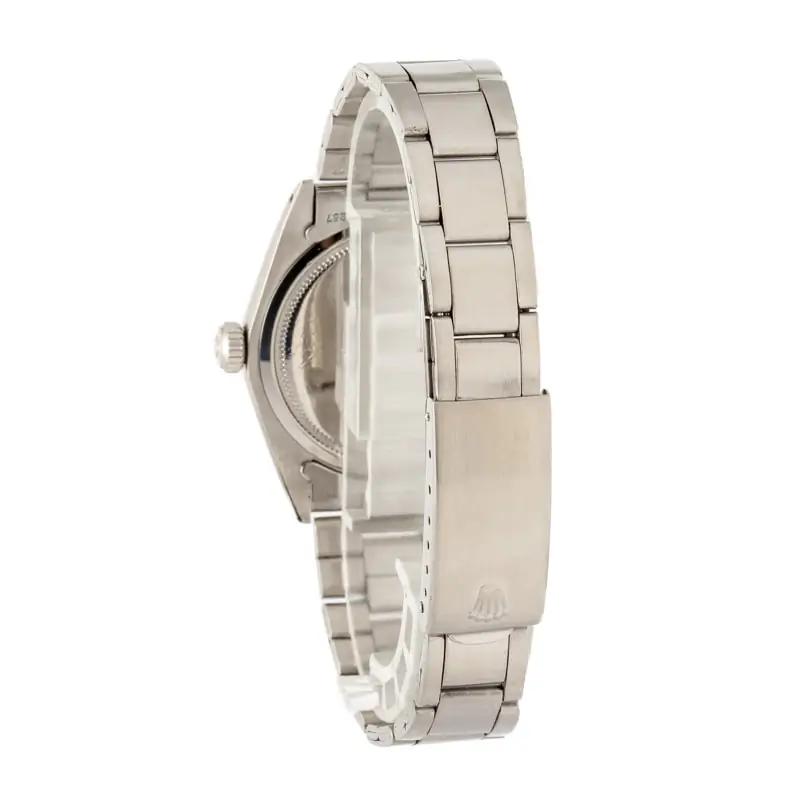
Identifying Your Movement Type
So, you gotta know your watch. Pretty much every modern Rolex is automatic. But some really old ones or special editions, like some Cellini models, are pure manual-wind. How can you tell what you’ve got?
Check the reference number, or just watch how it acts. If it stops running after a day off your wrist and you can’t see a rotor spinning inside, it’s a manual-wind.
For most Rolex owners, the big question isn’t *if* their watch is automatic—it almost certainly is. The real question is *how* to best use its winding system to keep it running.
Where can you find out for sure? The official Rolex website or the paperwork that came with your watch will tell you the exact movement caliber. If you have a vintage piece, a good watchmaker can take a look and confirm the type for you.
Why does this matter for winding? This info shapes your whole routine. A pure manual-wind watch *needs* you to wind it every single day. An automatic watch just *lets* you wind it by hand whenever you want to give it a boost.

Let’s figure out some common winding problems.
So, your watch won’t stay wound? Here’s how to check it out.
If your Rolex stops way before it should, even after you’ve wound it up good, a few things might be wrong. Most often, you’re just not moving around enough while wearing it.
Or, the self-winding part could be on the fritz, or maybe the mainspring is tired or even snapped. If winding feels rough or sloppy, the crown or the little stem inside might be the trouble.
First things first, make sure you’re winding it right and enough—give it a good 30 to 40 turns. Wind it up all the way by hand, set it down, and see how long it keeps going.
If it quits way before hitting two days, something’s probably wrong inside. Listen close when you wind it or while it’s ticking. Any grinding or skipping sound is a bad sign.
Knowing when to call in the pros
Here’s the limit: don’t try to pop the back off or figure out the insides yourself. All those tiny parts inside are super sensitive to dust and bumps. If the simple checks don’t fix it, getting a pro to look at it is your only safe bet.
Rolex says you should get it serviced about every 10 years, and that includes a full check-up and fix for the winding parts.
Here’s what they do at a real Rolex Service center: they’ll take the whole movement apart, clean everything, add fresh oil, and swap out any worn bits like the mainspring or the rotor’s bearings.
They’ll also test how long it holds a charge and how well it winds. This gets your watch back to running like new, so it winds nice and smooth and keeps its power just like it’s supposed to.
If you ignore winding troubles, things can get worse. Getting it serviced on time is really an investment to keep your watch going strong.
Maintaining Your Rolex for Long-Term Performance
Daily and Long-Term Care Routines
Taking good care of your Rolex is about more than just winding it right. Sure, winding it properly is key, but don’t forget to screw the crown back down tight after you set the time—that keeps it waterproof.
Give the case a quick wipe with a soft cloth to get rid of any sweat or grime from wearing it. Also, try to keep it away from strong magnets. They can mess with the accuracy, even if they don’t stop the winding itself.
When you’re not wearing your Rolex every day, find a cool, dry spot for it, and again, keep magnets far away. Some folks like to let it run down completely after winding it up.
while others give it a wind once a month to keep the oils moving inside. There’s no one right way, but being consistent and keeping it dust-free is what really matters. A simple watch box is usually a safer bet for storage than just leaving it on a random winder.
The Role of Regular Servicing
Think of servicing like a check-up. Even if your Rolex seems fine, it needs regular care because it’s a mechanical machine. Over the years, the oils inside can dry out, and tiny parts wear down bit by bit.
A full service means they’ll clean and fix the automatic winding parts, put in a new mainspring, and make sure the rotor moves smoothly. Staying on top of this stops nasty surprises and makes sure your Rolex keeps winding well and telling time right for years to come.
Picking who services it is a big deal. Always go to an official Rolex Service Center or a really trusted expert who knows Rolex inside out. These places have the right tools, real Rolex parts, and the know-how.
This way, you know the complex self-winding system is set up just right, which keeps your watch working perfectly and holds its value.
So, to wrap it up, even though a Rolex is a brilliant self-winding watch, knowing how to wind it by hand sometimes is a basic skill every owner should have.
It connects the fancy automatic mechanics with the simple fact that you don’t wear it all the time and need to store it. Whether you’re giving it that first wind to get it going or figuring out why it’s losing power.
this know-how lets you keep your watch in top shape. Just remember, a Rolex that’s looked after well isn’t just a timepiece—it’s a living heirloom that keeps on ticking.
Want to feel more sure about owning your Rolex?
Got any tips or stories about winding your watch? Drop them in the comments!
Or, if you want to learn more, check out our detailed guide. It’ll help you understand your Rolex’s power reserve and when it might need a service.
FAQ About Rolex needs winding to keep running
Do you have to manually wind a Rolex every day?
Nope, if you wear your Rolex regularly, you don’t have to wind it by hand every single day. That’s because modern Rolexes come with automatic movements, which means they wind themselves. Just the natural swing of your wrist winds up the mainspring.
This gives it enough juice for daily use and a power reserve that usually lasts between 48 to 70 hours. You really only need to wind it manually in a few situations: when it’s brand new, if it’s stopped because you haven’t worn it, or if you’re just not moving around much during the day.
Can you overwind a modern Rolex watch?
Good news—you can’t overwind a modern automatic Rolex. For decades now, their movements have had a slipping clutch or something similar built into the winding system. Once that mainspring is fully wound, the clutch just slips.
So, you can keep turning the crown or the rotor spins, but it won’t put any more tension on the spring. You might even hear a little slipping sound when it’s fully wound—that’s totally normal.
But, be careful not to force the crown if it’s screwed down, and don’t go crazy winding it. You could mess up the stem or the threads on the crown.
How many turns to fully wind a Rolex?
So, if your Rolex has stopped completely, you’ll want to give the crown about 30 to 40 smooth, full turns clockwise to wind it up fully. This goes for most modern automatic models.
There’s no perfect number, though, since it depends on how much the mainspring was already wound. After those 30-40 turns, the mainspring should be pretty much full. Then, the automatic rotor will just keep it topped off as you wear it normally. If it’s only partly run down, you’ll need fewer turns.
Why did my Rolex stop even though I wear it daily?
Okay, so if your Rolex stops even though you wear it every day, the usual culprit is that your wrist isn’t moving enough to keep the mainspring wound. Sitting at a desk all day might not generate enough kinetic energy.
Try giving it a little boost with 10 to 15 manual winds in the morning. If it keeps stopping, the self-winding mechanism itself could be on the fritz. Things like worn rotor bearings or a broken reversing wheel might be to blame.
Or, the mainspring could be weak or even broken. In cases like these, it’s probably time for a professional service to figure out and fix what’s wrong inside.