
Choosing Your Perfect Rolex Watch Size Guide
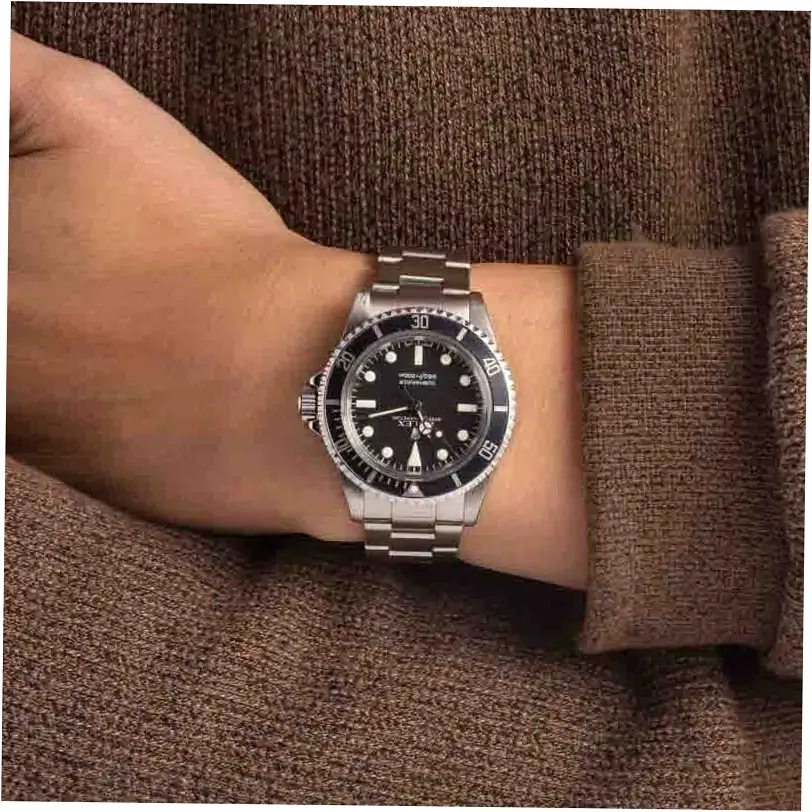
Choosing Your Perfect Rolex Watch Size Guide

I’m a certified watch nut, and I’ve spent more than ten years helping folks in luxury boutiques. Honestly, I’ve seen tons of people wrestle with one big question: What Rolex size should I get? Picking the right size isn’t just about the millimeters. It’s a really personal choice. You need the case diameter and lug-to-lug length to work with your wrist size, your own style, and when you plan to wear it. If a watch feels like a brick on your arm or just disappears, it ruins the whole vibe. So, in this guide, I’m gonna share my pro tips and fitting tricks. I’ll help you find a Rolex that fits like it was custom-made for your wrist.
Recommended Products
You might be interested in these products
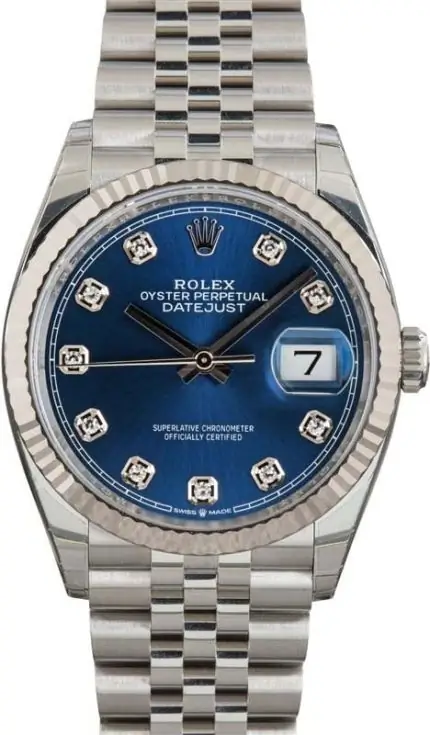
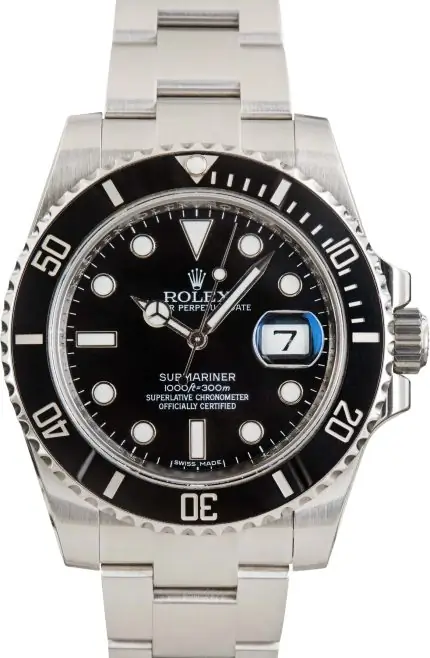
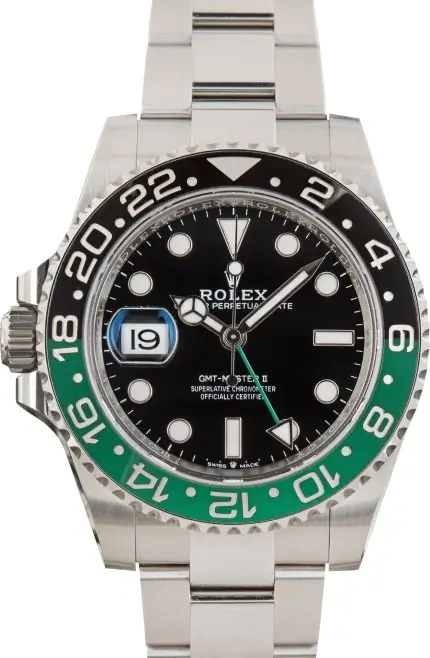
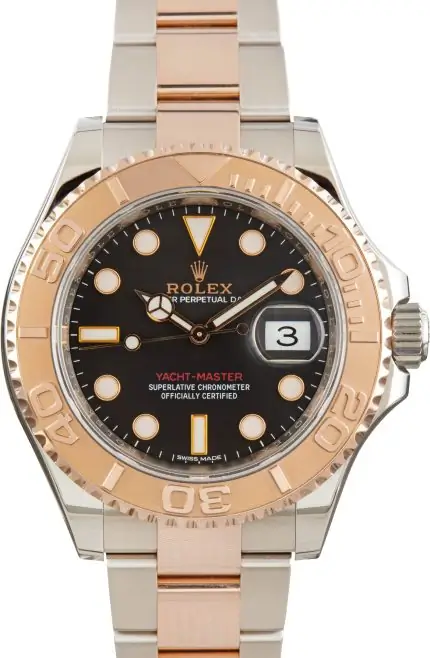
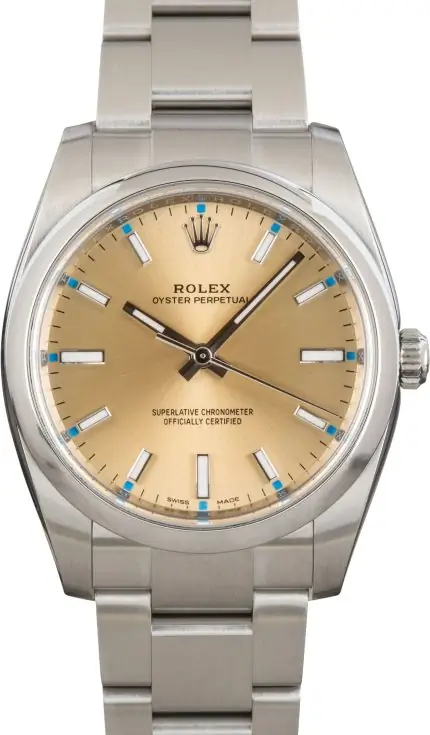
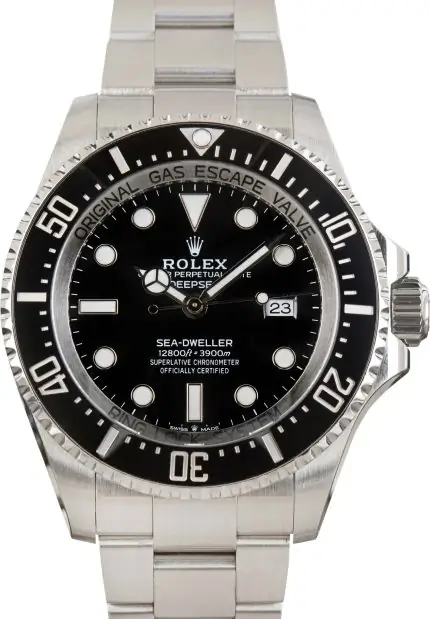
Here’s what we’ll cover:
- Understanding Wrist Measurements and Proportions
- Decoding Rolex Case Sizes and Model Families
- The Critical Impact of Case Design and Materials
- Personal Style, Wardrobe, and Occasion Matching
- The Non-Negotiable Step: Trying On Before Buying
- Conclusion and Final Recommendation
- Call to Action (CTA)
- FAQ: Your Rolex Sizing Questions Answered
Understanding Wrist Measurements and Proportions
How to Accurately Measure Your Wrist
Core Operation: Grab a soft measuring tape or even just a piece of paper. Wrap it snugly around the bony part of your wrist, right below that wrist bone where you’d usually put your watch. Note down that measurement in either millimeters or inches.
That’s your starting point, your baseline size. To get a really precise fit, also measure across the flat top of your wrist. This width is super important—it tells you the biggest watch dial that’ll fit without hanging over the edges.
Back when I sold Rolexes, I always had a soft tape measure handy in my kit. I remember one client with a 6.5-inch wrist. He was dead set on getting a 41mm Datejust.
But after I measured him and had him try the 36mm version, he was blown away by how much better it felt and looked. Getting the right size stops the watch lugs from sticking out past your wrist. That overhang is the biggest giveaway of a bad fit.
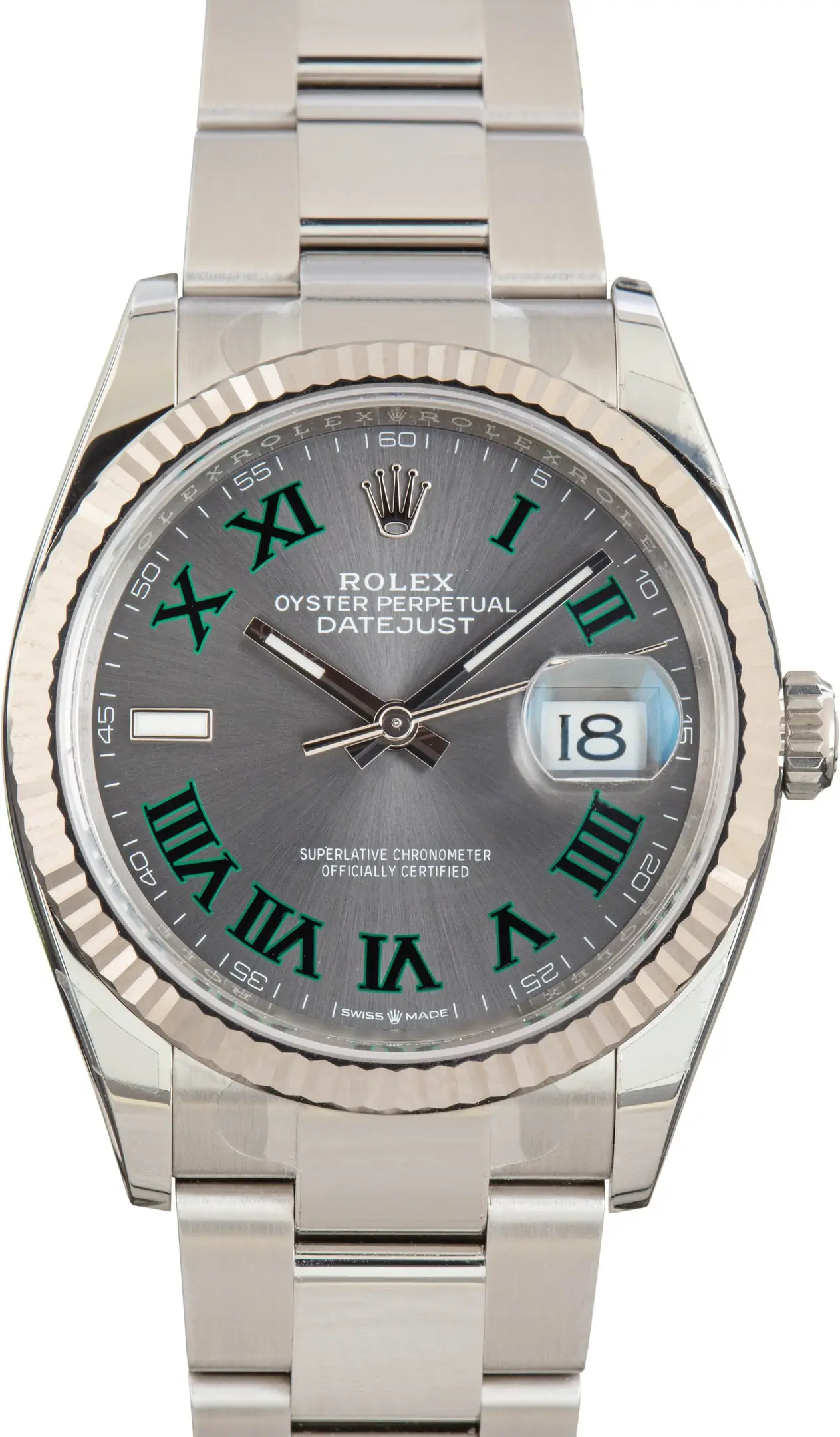
The Golden Ratio of Watch-to-Wrist Fit
Core Operation: Here’s a good rule of thumb: the 80% rule. A watch that fits well should cover about 80% of the flat part on top of your wrist. So, if your wrist is 50mm wide, look for a watch where the lug-to-lug length is close to 40mm.
That lug-to-lug measurement—the length from the top lug tip to the bottom one—often matters more than just the case diameter. A 40mm Rolex Submariner could fit a slender wrist just fine if its lugs are short and curve down to hug your arm.
On the flip side, a watch with long, straight lugs can look and feel a lot bigger. Dr. Rebecca Ross, a horological researcher, notes, Proportion is perception.
When a watch takes up the right amount of visual space on your wrist, it looks balanced and intentional. That’s the sign of a really smart choice.
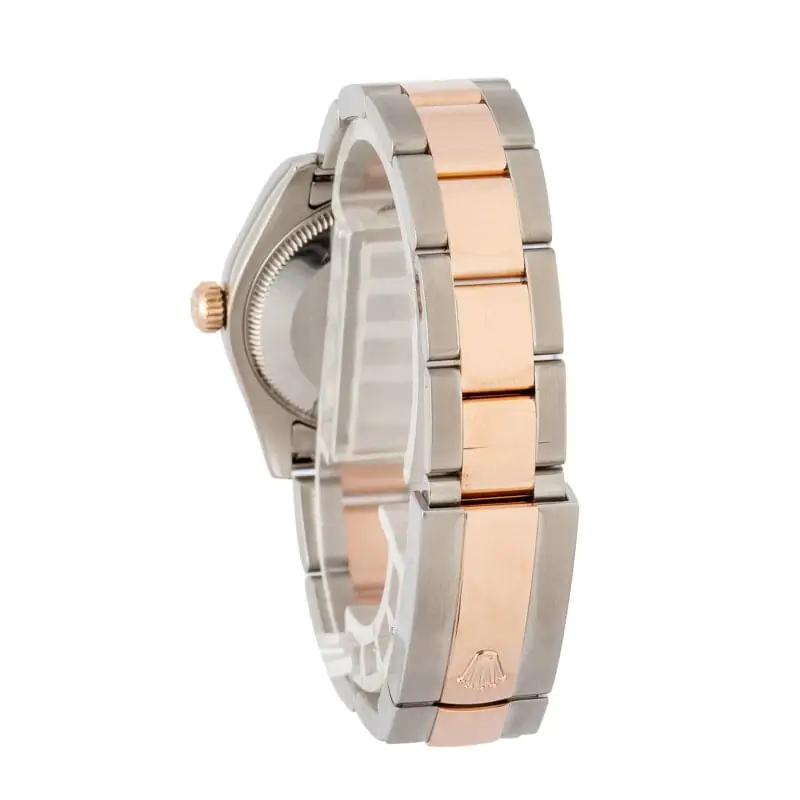
Let’s break down Rolex case sizes and their model families.
First up, the classic dress and everyday sizes, which run from 26mm to 36mm.
The main idea here is to spot the models that are all about elegance and versatility. This size range is where you’ll find Rolex’s dressier and unisex watches. The iconic Datejust and Oyster Perpetual are the stars here.
The 36mm size is especially famous, long seen as the perfect watch for a gentleman. Datejusts come in 31mm, 34mm, and the classic 36mm. These sizes have timeless proportions that fit most wrists and give you a refined, understated look.
Also, don’t skip the 34mm Air-King or the older 34mm Explorer I. They offer a sporty but balanced look, great for small to medium wrists. If you’re a woman or just prefer a smaller watch, check out the 26mm.
28mm, and 31mm Datejust and Oyster Perpetual models. They’re masters of delicate precision. My first luxury watch was a 36mm Rolex Datejust 16200. I’m still amazed by how versatile it is, perfect for the boardroom or the weekend.
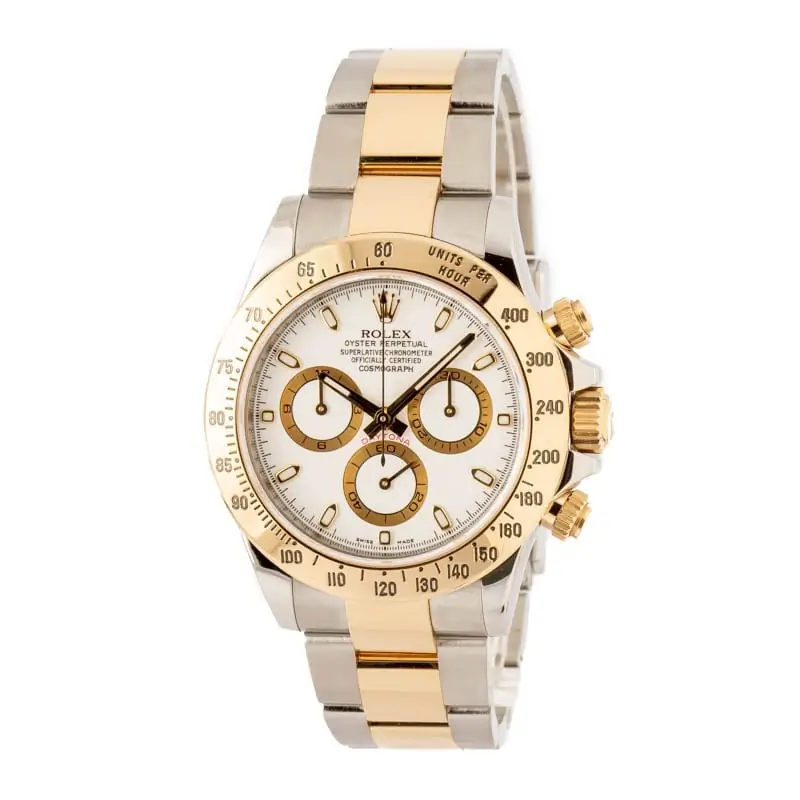
Now, let’s talk about the modern sports and professional sizes, from 39mm all the way up to 44mm.
The goal here is to match tough tool watches with active lifestyles and bigger wrists. This category covers Rolex’s Professional tool watches, each built for a specific job. The 40mm size is a real powerhouse.
It includes the Submariner, GMT-Master II, and the Daytona (before the 2023 model). It’s basically the gold standard for modern sports watches. You’ll also find the 41mm case in the Datejust 41, the current Submariner, and the Explorer.
It gives a slightly more modern feel. If you have really large wrists or want maximum impact, go for the 42mm Deepsea Sea-Dweller or the 43mm Sea-Dweller. They’re built for extreme conditions and make a bold statement.
Just remember, these watches are thick and heavy. You need a pretty substantial wrist to wear them comfortably, or they might look like a hockey puck strapped to your arm.
| Model Family | Common Case Sizes | Main Vibe |
|---|---|---|
| Oyster Perpetual / Datejust | 28mm, 31mm, 34mm, 36mm, 41mm | Classic, versatile, everyday wear |
| Submariner / GMT-Master II | 40mm, 41mm (Submariner) | Sporty, professional, tool watch |
| Daytona | 40mm | Chronograph, sporty, premium |
| Explorer / Air-King | 36mm (Explorer I), 40mm (Air-King), 40mm (Explorer II) | Adventure-ready, easy to read, robust |
| Yacht-Master | 37mm, 40mm, 42mm | Luxury sports, nautical theme |
| Sea-Dweller / Deepsea | 43mm, 44mm (Deepsea) | Professional diving, heavy-duty |
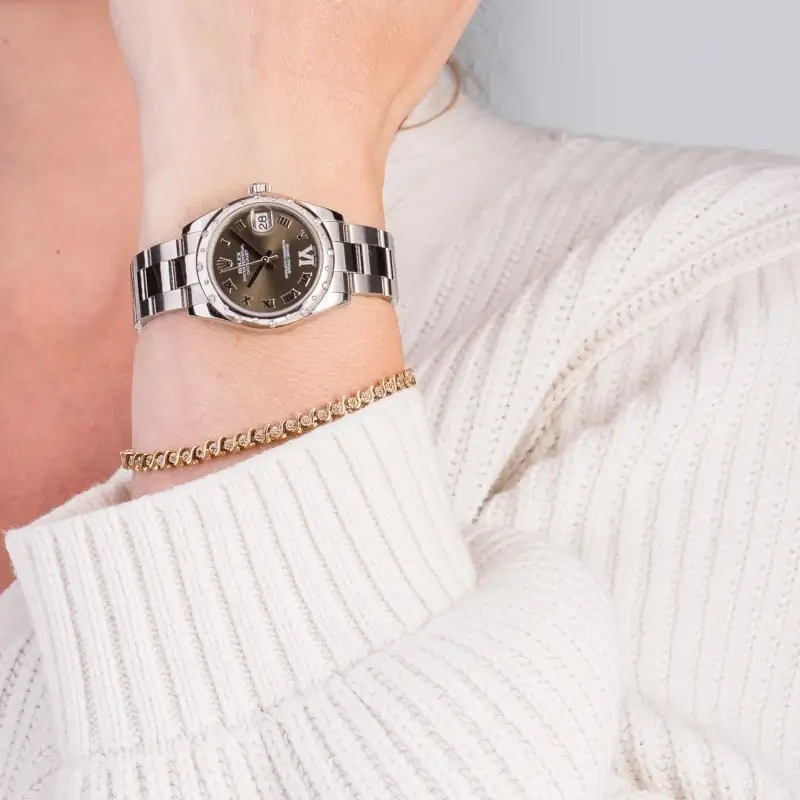
Let’s talk about how a Rolex’s case design and materials really make a difference.
First up, the bezel and case shape change how big the watch looks.
Here’s the key: don’t just look at the diameter number. You gotta check out the whole shape. The bezel has a huge effect on how heavy a watch looks on your wrist. Take a Submariner with its thick ceramic bezel.
It’ll seem more compact than a Datejust 41 with a wide, smooth bezel, even if they’re around the same size. That’s because the Datejust has more dial showing, so it feels bigger. It’s the same idea with other models.
The GMT-Master II has tough crown guards that make it look muscular. But an Oyster Perpetual 36 has sleek, curved lugs that let it sit really flat on your wrist. Thickness matters too, a lot.
A slim 36mm Datejust slides right under a shirt cuff, no problem. But a thicker 40mm Submariner has a bold, sporty look that might not fit under every cuff.
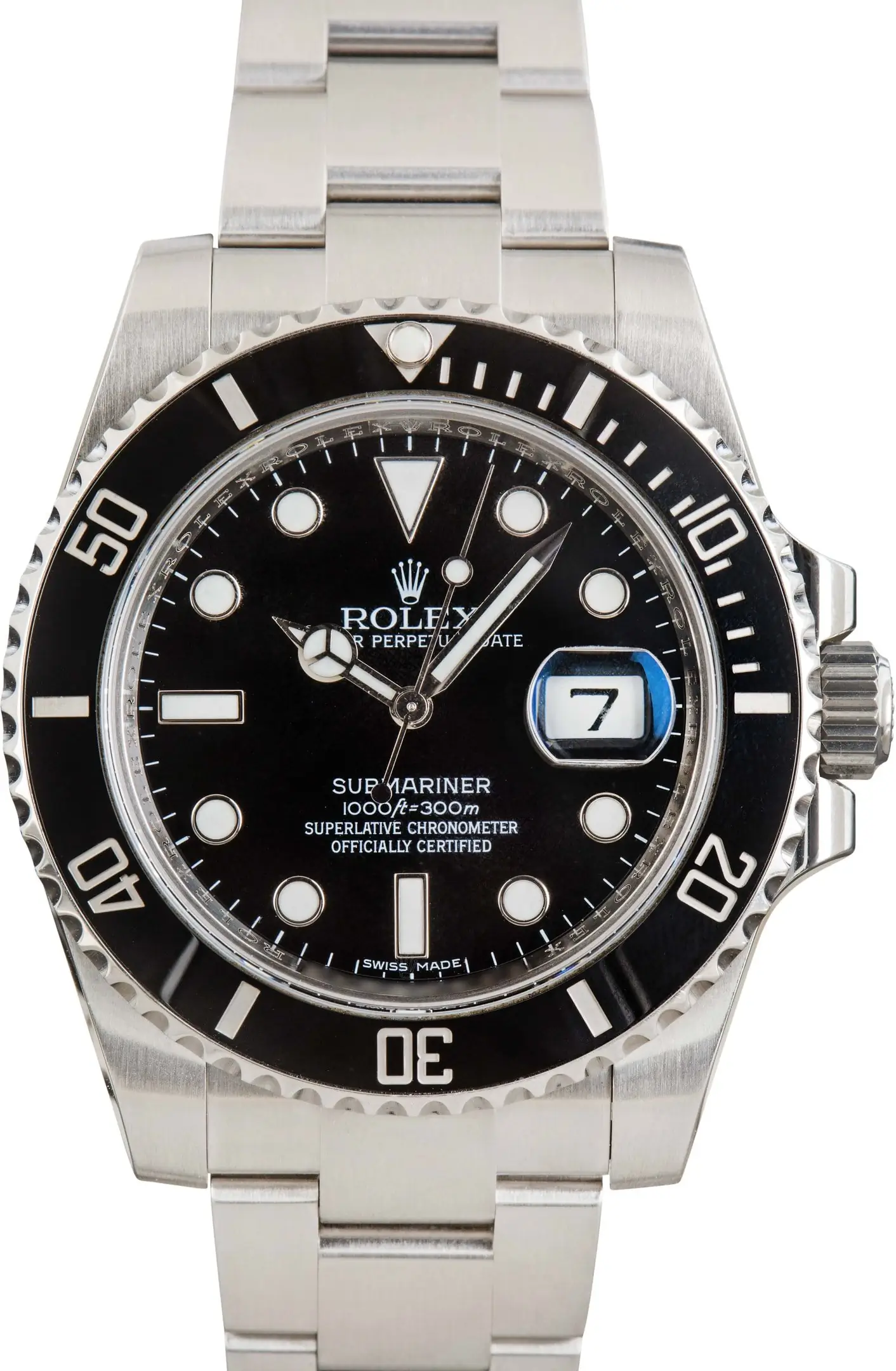
Now, let’s talk weight and feel—Oystersteel versus gold or other precious metals.
The main thing here is the material’s density. It really changes how the watch feels to wear. A 40mm GMT-Master II in Oystersteel—that’s Rolex’s special stainless steel—feels solid but not too heavy.
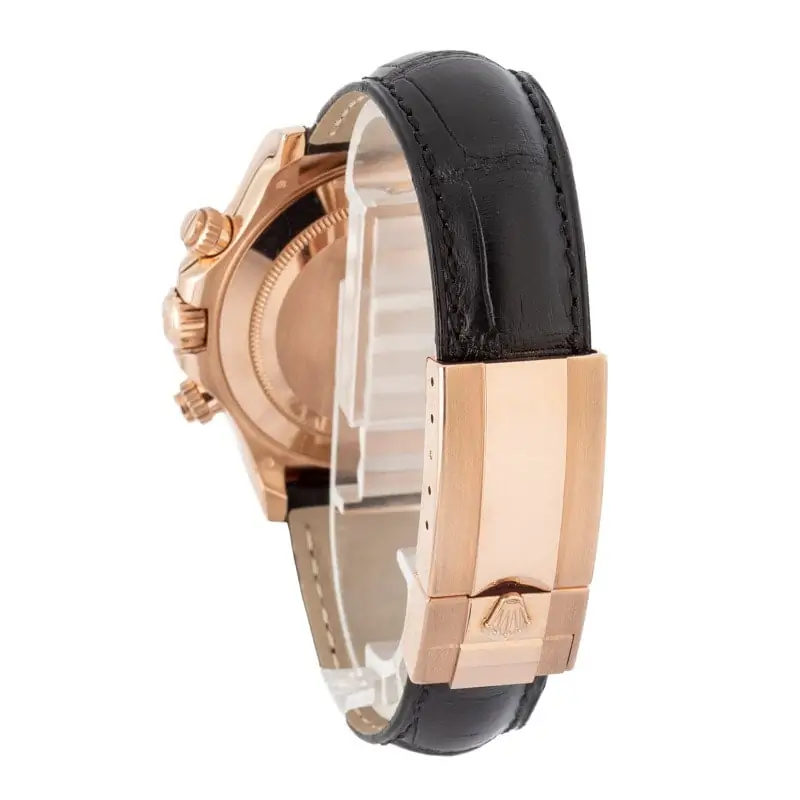
Get that same watch in 18k yellow gold, and it’ll be way heavier because gold is denser. That extra weight makes it feel more luxurious and there on your wrist. Some people love that feeling. Others might find it gets tiring after wearing it all day.
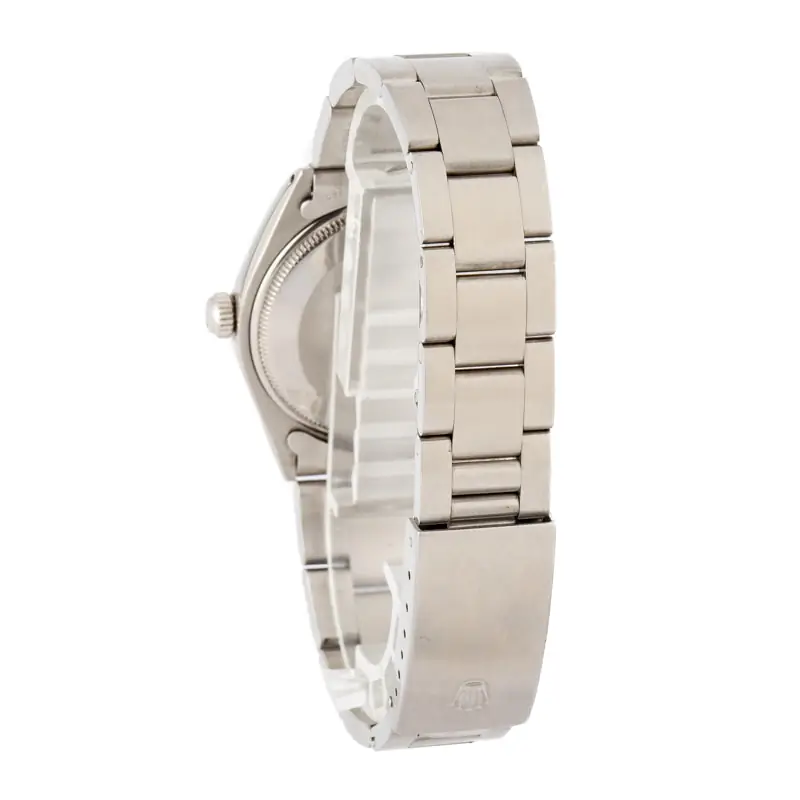
Two-tone models, what Rolex calls Rolesor, give you a nice middle option. I’ve tried on a full yellow gold Day-Date 40. It’s an amazing watch, but you always feel its weight. It’s a constant reminder it’s there. You gotta really be into that if you’re gonna wear it every day.
Let’s talk about matching your watch to your personal style, your wardrobe, and the occasion.
First up, sizing for purpose: are you looking for a dress watch or an everyday beater?
The main idea is simple: pick a size that fits the watch’s main job in your life. If you want just one watch for everything, go for a versatile size. Something like 36mm, 39mm (that’s for the older Explorer I), or 40mm is perfect.
It’ll look right with a suit and still feel great with casual clothes. Want a proper dress watch for formal wear? Then lean towards a classic 36mm or even 34mm. That size stays elegant and slips easily under a dress shirt cuff.
On the other hand, if you’re active and need a tough watch for travel or sports, a bigger 40mm or 41mm professional model makes more sense. Think Explorer II or Submariner. The larger size is easier to read and just more durable for that kind of use.
Next, think about the presence factor: do you want something understated or a real statement piece?
Here’s the core idea: figure out what kind of visual statement you want your watch to make. The size of your watch is a big part of how you express yourself. A 36mm watch says tradition, refinement, and quiet confidence.
It’s a pick for the true connoisseur. Go for 41mm or bigger, and you’re making a bolder, more modern statement about your presence and power. There’s no right or wrong answer here, only what fits your personality.
Back when I worked in retail, I saw a clear trend. People often started out wanting a bigger, flashier watch. But after collecting for years, their tastes usually evolved.
They’d often end up preferring more classic, understated sizes. So, think about where your style is headed long-term, not just what’s hot right now.
| Your Wrist Size (in inches/cm) | Recommended Watch Size Range | Good Rolex Models to Start With |
|---|---|---|
| Small wrists (under 6 inches / 15.2 cm) | Try watches between 34mm and 36mm. | Look at the Datejust 36, Oyster Perpetual 34 or 36, or the Explorer I 36. |
| Medium wrists (6 to 7 inches / 15.2 – 17.8 cm) | Aim for sizes from 36mm up to 40mm. | Check out the Submariner 40, GMT-Master II 40, Datejust 41, or Explorer II 40. |
| Large wrists (7 to 8 inches / 17.8 – 20.3 cm) | You can wear 40mm to 42mm watches well. | The Submariner 41, GMT-Master II, Yacht-Master 42, and Datejust 41 are great options. |
| Extra large wrists (over 8 inches / 20.3 cm) | You can pull off the bigger sizes, from 41mm all the way to 44mm. | Consider the Sea-Dweller 43, Deepsea 44, Daytona 40, or Yacht-Master 42. |
Here’s the step you can’t skip: you gotta try it on before you buy.
So, what should you actually look for when you’re trying one on?
First thing, book an appointment with an official dealer. Then, try on a bunch of different sizes and models. Pictures and specs online are helpful, sure, but they’re no substitute for actually feeling the watch on your wrist.
When you’ve got it on, check how the lugs sit relative to the edge of your wrist. Do they stay within your wrist’s outline, or do they hang over? Does the weight and thickness feel even, or is it top-heavy and wanting to spin around?
Move your arm like you normally would—does the watch get caught on your shirt cuff? Step back and look in a mirror from a few feet away. That’s how other people will see it.
Does it look like a natural part of your style, or just like a bulky thing stuck on your arm? My advice? Keep it on in the store for a good 10 to 15 minutes. Let that first rush of excitement wear off, and you’ll really notice if it’s comfortable or not.
Now, let’s talk about common mistakes and how to steer clear of them.
Here’s the key: don’t just pick a size because it’s trendy online or your friends have a certain look. The biggest mistake people make is going too big just because it’s in style.
That’ll likely lead to it being uncomfortable every day, and you’ll end up regretting it. Another thing to watch out for is thickness. A really thick watch can be even more annoying to wear daily than a wide one.
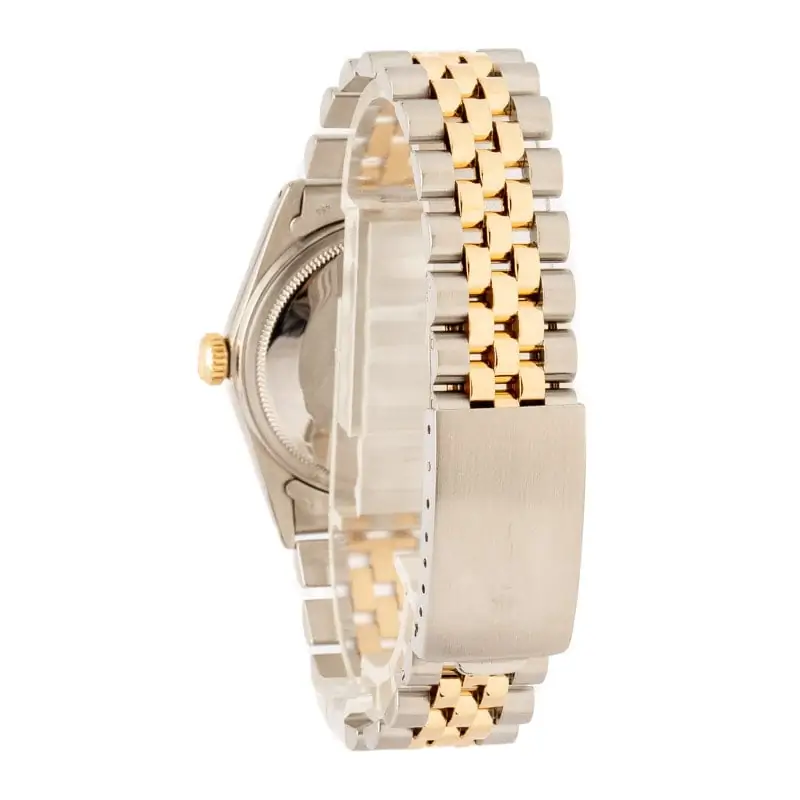
Oh, and don’t forget the bracelet style changes how it fits. A Jubilee bracelet is more flexible and molds to your wrist better than a solid Oyster. So, a watch that’s a bit bigger might feel just fine on a Jubilee.
Lastly, don’t base your decision on just one model. A 40mm Rolex Explorer I and a 40mm rolex daytona will feel totally different on your wrist. That’s because of the case shape, the bezel, and how thick they are. You really need to try on the exact model you have your eye on.
Conclusion and Final Recommendation
Picking the right Rolex size for you? It’s part science, part art. You’ve got your measurements on one hand, and your personal taste and style on the other.
So, there’s no single best size that works for everyone. The only thing that matters is finding the best size for you. Start by measuring your wrist—that’s your solid, objective starting point.
Then, think about how you live, what you usually wear, and what just looks good to you. That’ll help you narrow it down. Keep in mind, a Rolex is something you’ll have for a long, long time.
When you get the size right, it’ll be so comfortable you might forget it’s there. But you’ll always feel that little spark of joy knowing it’s on your wrist. In the end, it should just feel like a natural part of you.
Call to Action (CTA)
Can’t decide between the 36mm and 41mm Datejust? Just drop your wrist size and what’s holding you back in the comments. I’ll give you some personal tips from my own try-on experience.
If you really want to get into the details, check out our full breakdown of the Submariner versus the Explorer for daily use. It’ll help you figure out your perfect Rolex size.
Got questions about Rolex sizing? We’ve got answers.
So, you’re wondering if a 36mm Rolex is too small for a guy?
Not at all. The 36mm size is a real classic for men’s watches, with a lot of history behind it. It gives you that timeless, elegant look, feels super comfortable, and fits wrists under 7 inches just right.
Lots of collectors these days are going back to 36mm because it’s so versatile and has a cool, low-key charm. It looks like a deliberate, classy choice, not like a tiny watch.
What about a 41mm Rolex on a 6.5-inch wrist?
Well, that really depends on which model you pick and how you feel about a bigger watch on your wrist. Take a 41mm Datejust with a smooth bezel—it’ll seem bigger and might even hang over the edges of a 6.5-inch wrist.
But a 41mm Submariner, with its chunky bezel, could sit nicely within the flat part of your wrist. Honestly, you just have to try it on to know for sure. For most folks with a 6.5-inch wrist, a 36mm or 39mm Rolex will give you a better, more classic fit.
How does a Daytona feel on the wrist compared to a Submariner?
Even though they’re both usually 40mm, a Daytona often feels a bit smaller and sleeker than a Sub. That’s because the Daytona has a thinner case, a slimmer bezel that doesn’t move, and the three little dials on the face break up the space.
The Submariner, though, with its thicker build, that big rotating bezel, and a cleaner dial, feels more solid and tool-like on your wrist.
What’s the one Rolex size that looks good on almost everyone?
A lot of watch folks, me included, think the sweet spot for most people is between 36mm and 40mm. In that range, 36mm is probably the classic size that suits everyone best, and 40mm is the go-to size for a modern sports watch.
Before they stopped making it for a 40mm model, the 39mm Explorer I was famous for being almost the perfect fit for just about anyone.
