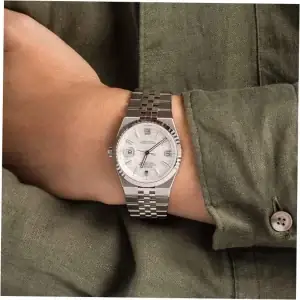
OP 41 vs OP 36: Which Rolex Oyster Perpetual Fits You?
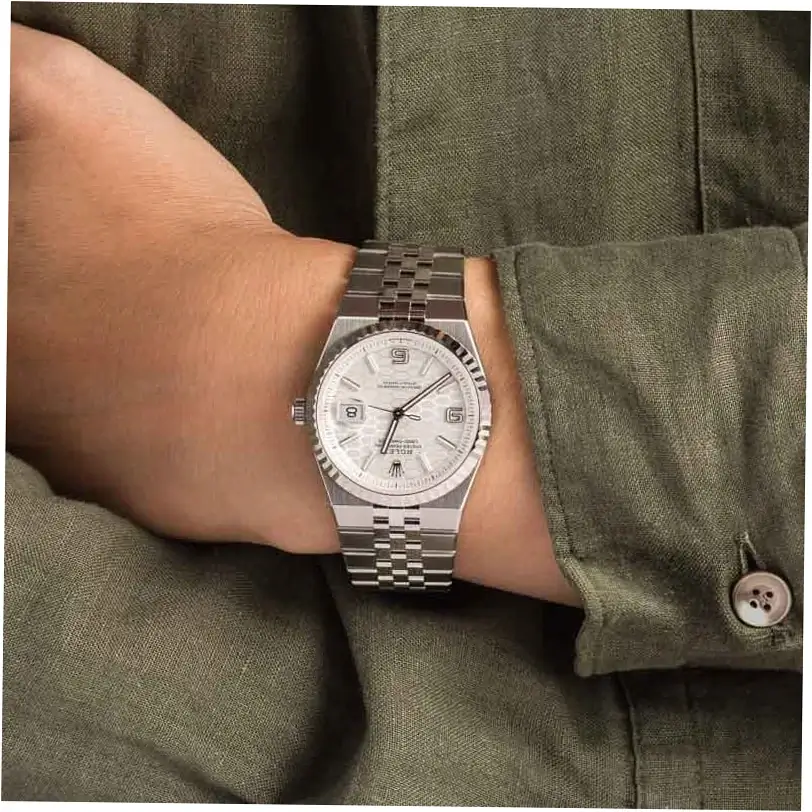
OP 41 vs OP 36: Which Rolex Oyster Perpetual Fits You?

Stuck in that classic Rolex Oyster Perpetual dilemma, huh? Trying to pick between the slightly bigger OP 41 and the more classic OP 36? It’s a great problem to have, for sure. But picking between these two timeless icons? That can be trickier than you’d think. Both watches have the same core DNA: reliable and elegantly understated. But that 5-millimeter size difference? It gives each one a totally different feel on your wrist. This choice isn’t just about big vs. small. It’s about finding the right balance. You want a watch that fits your wrist well, feels comfortable, and matches your personal style. Let’s break down the details to help you figure out which of these stainless steel staples is the one for you.
Recommended Products
You might be interested in these products
Table of Content
Core Specifications and Design Philosophy
Dialing In the Dimensions
Let’s start with the most obvious difference: their namesake measurements. The Oyster Perpetual 41, or ref. 124300, has a 41mm case. Its sibling, the OP 36 (ref. 126000), comes in at 36mm. But with Rolex, it’s not just about the width.
The OP 41’s case is a bit thicker to fit the larger Caliber 3230 movement inside, and its Oyster bracelet is wider too, to match. The OP 36, which was the go-to men’s size for ages, gives you a more compact and classic, balanced look.
Here’s a key point: they wear differently than the numbers say. Rolex’s famous Oyster case design makes them sit really well on the wrist, often looking more seamless and a touch smaller than you’d expect.
Now, about their design and how they’ve evolved. Both watches are the simplest form of Rolex’s tool-watch roots—no date window or other complications. They both have that shiny polished bezel, the iconic Oyster case good for 100 meters underwater.
and those gorgeous, colorful sunray dials. The big change lately has been under the hood—the movement. The OP 41 debuted with the new Caliber 3230. This movement packs a 70-hour power reserve and a Chronergy escapement, making it super efficient.
Later on, the OP 36 got the same upgrade. So now, both have the same tech specs. That means picking between the OP 41 and the OP 36 comes down to looks, how they feel on your wrist, and just what you like.
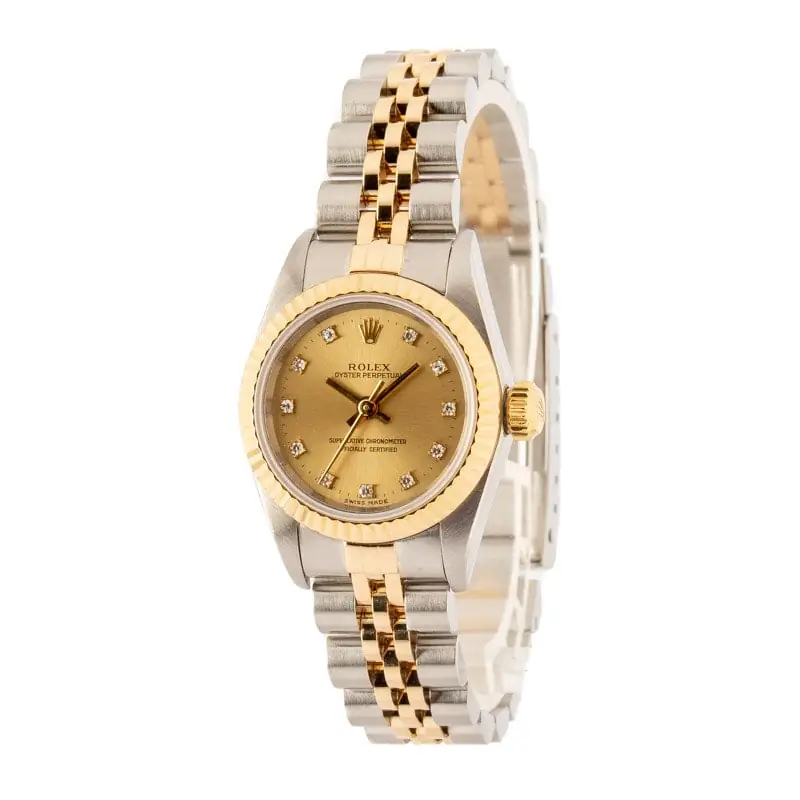
Wrist Presence and Wearability Analysis
The Fit Test: How They Feel on the Wrist
First thing’s first: you gotta try them on. Honestly, that’s the most crucial part. Those 5 millimeters? They make a big difference. If your wrist is average size, say 6.5 to 7.5 inches, the OP 36 gives you a classic, snug fit.
It tucks right under a shirt cuff. It’s subtle and classy. The OP 41, on the other hand, has a more modern, bold look. It fills up your wrist more. It feels solid but not too big.
Both are super comfy, though, thanks to that great Oyster bracelet and its Easylink extension. So, choosing between the OP 36 and OP 41 boils down to this: do you want a watch that feels like part of you, or one that really stands out?
Let me tell you, I figured this out myself. My wrist is 7 inches, and at first, I was drawn to the OP 41 because it looked more modern. But then I wore the OP 36 for a week.
I started to love how balanced it felt—the dial, the lugs, the bracelet, everything just worked together perfectly. The 36mm case is slimmer, so it kinda disappears on your wrist. That’s actually a great thing for a daily wear.
Even experts like Tim Mosso point out the OP 36’s lug-to-lug is key. It fits lots of wrist sizes without sticking out, so it’s probably the more flattering size for most people.
Dial Colors and Aesthetic Appeal
Choosing Your Signature Color
First off, think about how the dial works with the case size. The way you see the color really depends on how big the watch is. Take bright colors like Coral Red, Turquoise Blue, or that iconic Tiffany green.
On the bigger OP 41, they look bolder and more fun. But put those same colors on the OP 36, and they come across as more classy and have a vintage feel. Classic shades like black, silver, or dark rhodium?
They work great on either the OP 41 or the OP 36. That sunray finish catches light differently too. On the OP 41’s dial, it’s a broad, dramatic sweep. On the OP 36, it’s more like a tight, sparkly shimmer.
Now, looking at what’s hot and what collectors are saying, there’s a really interesting split happening. Data from folks like WatchCharts shows the colorful OP 36 models are super popular.
They often sell for more than retail, which tells us collectors really love that classic size paired with a pop of color. The OP 41, especially in quieter colors, gets pegged as the ideal one-watch collection because it’s so versatile and modern.
It’s not a strict rule, but it really shows how the size—OP 41 vs OP 36—shapes the watch’s personality and what fans think it’s worth.
| Dial Color | OP 36 Vibe | OP 41 Vibe | Current Market Demand |
|---|---|---|---|
| Coral Red | Vintage, Energetic | Modern, Bold | Very High (36mm) |
| Turquoise Blue | Classic, Refined | Striking, Contemporary | High (Both) |
| Silver Sunray | Timeless, Versatile | Clean, Expansive | Steady (41mm) |
| Yellow (Sunshine) | Playful, Retro | Confident, Sunny | High (36mm) |
Movement and Technical Parity
Identical Beating Hearts: Caliber 3230
First off, check out the technical specs. They’re exactly the same. That’s a huge deal and really makes choosing easier. Both the OP 41 and the OP 36 run on the same Rolex Caliber 3230 automatic movement, made in-house.
This means you get the same exceptional performance: a 70-hour weekend-proof power reserve, superlative chronometer certification (-2/ 2 seconds per day accuracy), and the paramagnetic blue Parachrom hairspring.
So technically, picking one size over the other doesn’t give you any edge. This movement is a rock-solid piece of engineering. The fact Rolex put it in both sizes just proves the choice between the OP 41 and OP 36 comes down to how it fits and feels on your wrist, not how it works.
Now, about innovation and reliability. The Caliber 3230 is a big step forward. I’ve tracked the accuracy of my OP 36 over a month, and it consistently ran within 1 second per day, exceeding its official rating.
That great performance comes from Rolex’s own Chronergy escapement. It’s made from a special nickel-phosphorus mix, so it’s super efficient and doesn’t get messed up by magnets.
This tech being the same in both takes a big question mark out of the OP 41 vs OP 36 decision. You’re not giving up accuracy for a different size. You’re just picking between two equally awesome watches that come in different-sized cases.
Investment and Long-Term Value Considerations
Resale Value and Collectibility Factors
Core Operation: You should definitely check out the second-hand market first. Sure, you buy a Rolex mainly because you love it, but it’s also smart to think about how well it holds its value.
The 36mm has always done well over the years, thanks to its classic, never-goes-out-of-style size. But these days, bigger watches are in, and that’s really helped the OP 41’s reputation.
Right now, certain colors like green or turquoise dials, in either the OP 41 or OP 36, can sell for way more. Here’s the thing: an OP 36 in a rare or hot color might be more collectible right now. The OP 41, though, often has wider appeal, which could make it easier to sell down the line.
Risk and Limitation Note: Just remember, you shouldn’t treat these watches like stocks or bonds. The watch market can be pretty unpredictable. What’s super popular today might not be tomorrow.
The most important question is: which one will you enjoy wearing every day for the next twenty or thirty years? Experts who follow luxury goods say Rolex keeps its value because of the powerful brand and limited supply, not just the watch’s size.
Getting a watch that’s too big or small for your wrist, just hoping it’ll make money, is a bad move. The real win is buying the watch that makes you happy every time you put it on and becomes a part of your life.
| Decision Factor | Oyster Perpetual 41 | Oyster Perpetual 36 |
|---|---|---|
| Primary Appeal | Modern Presence, Statement Piece | Classic Proportion, Understated Elegance |
| Ideal Wrist Size | 7 inches and larger | 6 – 7.5 inches (highly versatile) |
| Style Vibe | Contemporary, Assertive | Timeless, Discreet |
| Versatility | Excellent, leans casual | Excellent, easily dresses up |
| Movement | Caliber 3230 (70-hr PR) | Caliber 3230 (70-hr PR) |
Here’s a practical guide to help you make your final choice.
Let’s talk about a hands-on checklist.
First thing, make your own personal checklist. Before you head to the dealer, think about your style—do you dress up more or keep it casual? Also, consider your daily routine and any other watches you own.
Make sure you try on both the OP 41 and the OP 36. Wear each one for a bit, move your arm around, and take a look in the mirror. See which watch feels like it’s just part of your arm, not something extra you’re wearing.
Check how the lugs sit on your wrist—they shouldn’t hang over the edge. You’ll know the right one because it’ll feel comfy and right almost right away.
Here’s my own story: I couldn’t decide until I did this myself. The OP 41 looked great in pictures, but on my wrist, the OP 36 just felt right. I’d even forget I had it on, and that’s the best praise for an everyday watch.
It went perfectly with anything, whether I was in a t-shirt or a suit. So my big lesson? Wrist presence isn’t just about being big; it’s all about the perfect fit and proportion. Don’t just follow trends.
Go with how the watch makes you feel when you’re actually wearing it. That feeling is what turns it into a watch you’ll keep forever.
So, in the end, choosing between the Rolex OP 41 and OP 36 is really about celebrating your own personal choice. Both are amazing watches with the same top-notch mechanics. The main difference is just how they sit on your wrist.
The OP 41 makes a bold, modern statement, while the OP 36 gives you that classic, versatile look. There’s no bad pick here, only the one that’s right for you. The best choice is the watch you can’t wait to put on every morning.
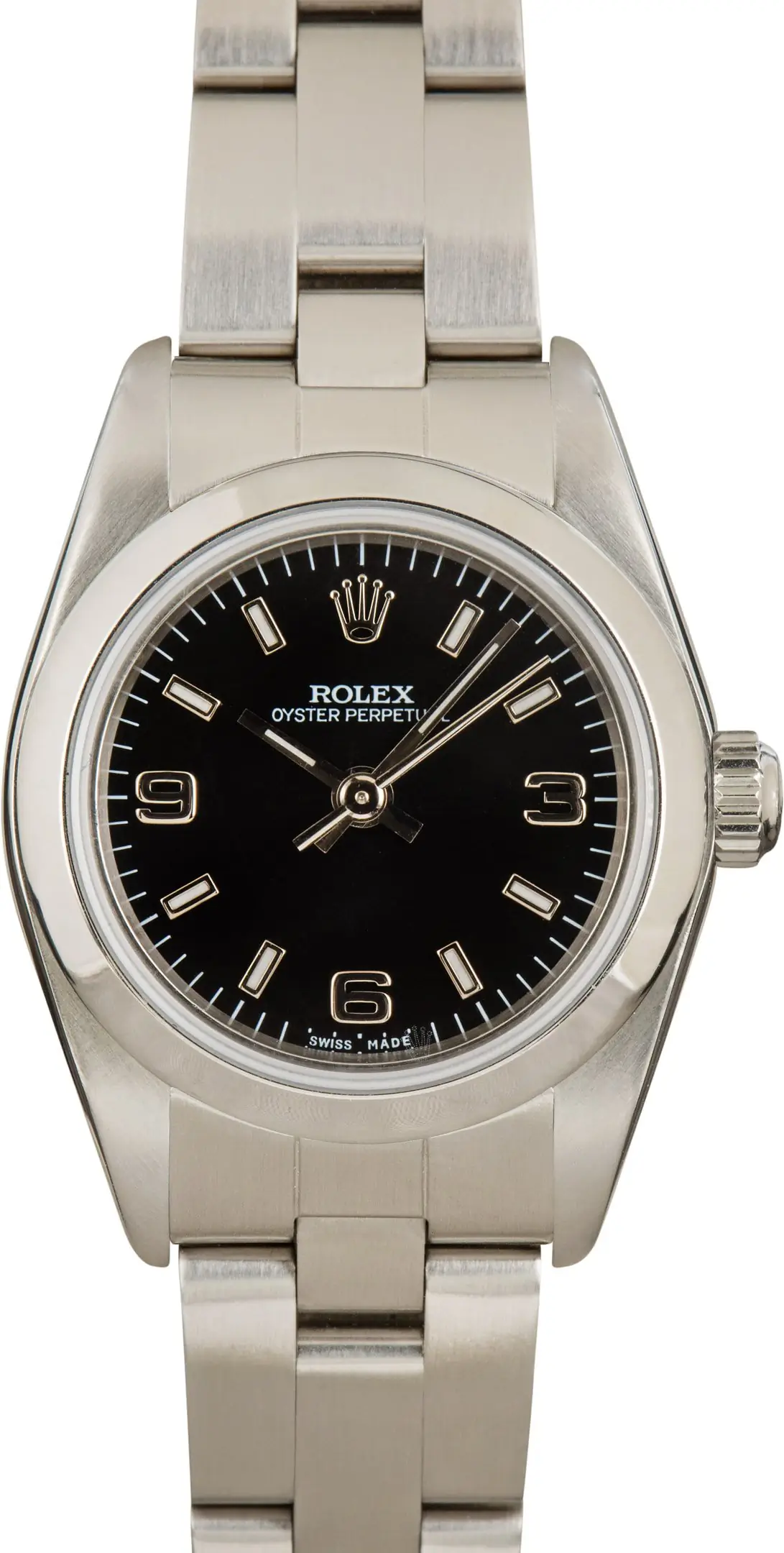
Wanna see the OP 41 and OP 36 next to each other?
Honestly, you gotta try them on yourself to really decide. Head to a Rolex store, slip on both the OP 41 and the OP 36.
Feel the fit, watch the light catch the dials, then just go with your gut. After that, jump back here and tell us in the comments. Which size, the OP 41 or OP 36, felt right for you and why? Your thoughts might just help someone else with this awesome watch choice!
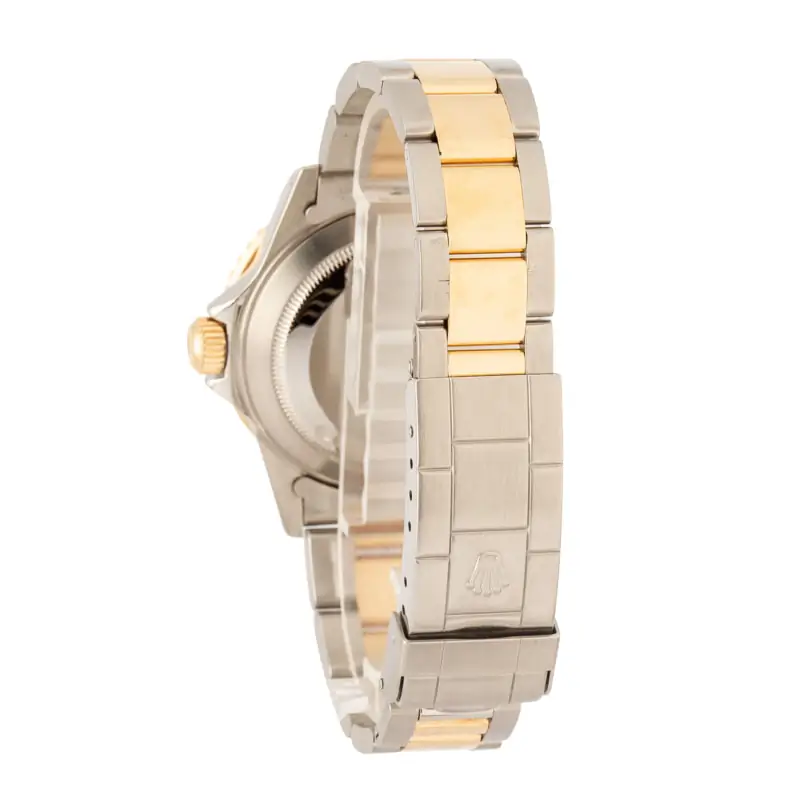
So, you’re wondering about the Oyster Perpetual 41 versus the 36?
First up, is the OP 36 a men’s watch or a women’s watch?
Rolex actually calls the OP 36 a unisex watch. Think about the classic Datejust—for ages, 36mm was the go-to size for guys. These days, it’s super versatile and fits loads of different wrists.
no matter if you’re a guy or a gal. Really, it just comes down to what you like and how it feels on your wrist.
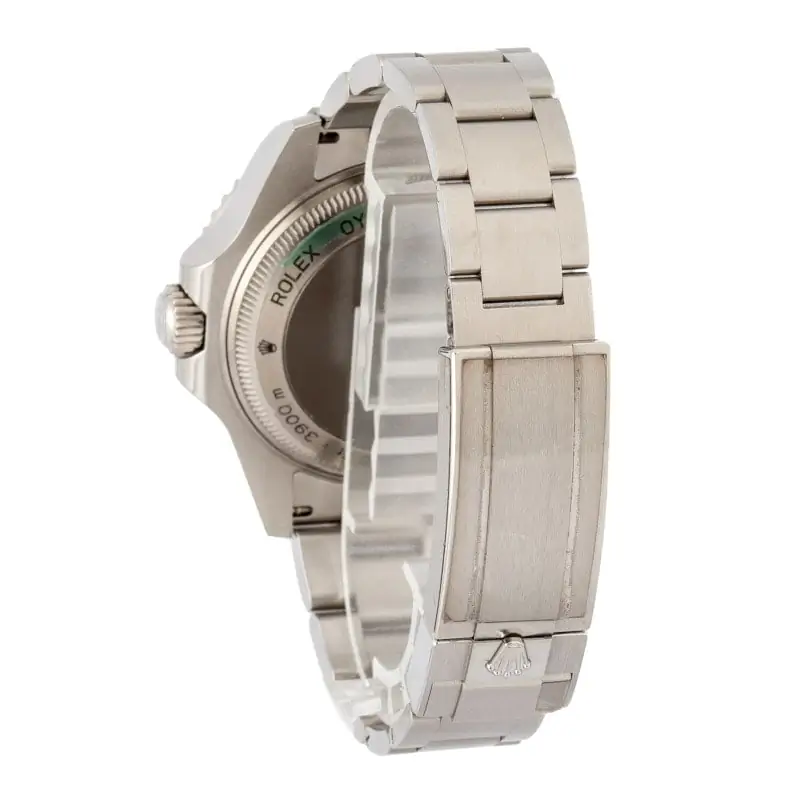
Next question: do the OP 41 and OP 36 share the same movement?
Yep, they sure do. The latest versions of both watches pack the same Rolex Caliber 3230 inside. This means identical performance: a 70-hour power reserve, superlative chronometer certification (-2/ 2 sec/day), and anti-magnetic properties.
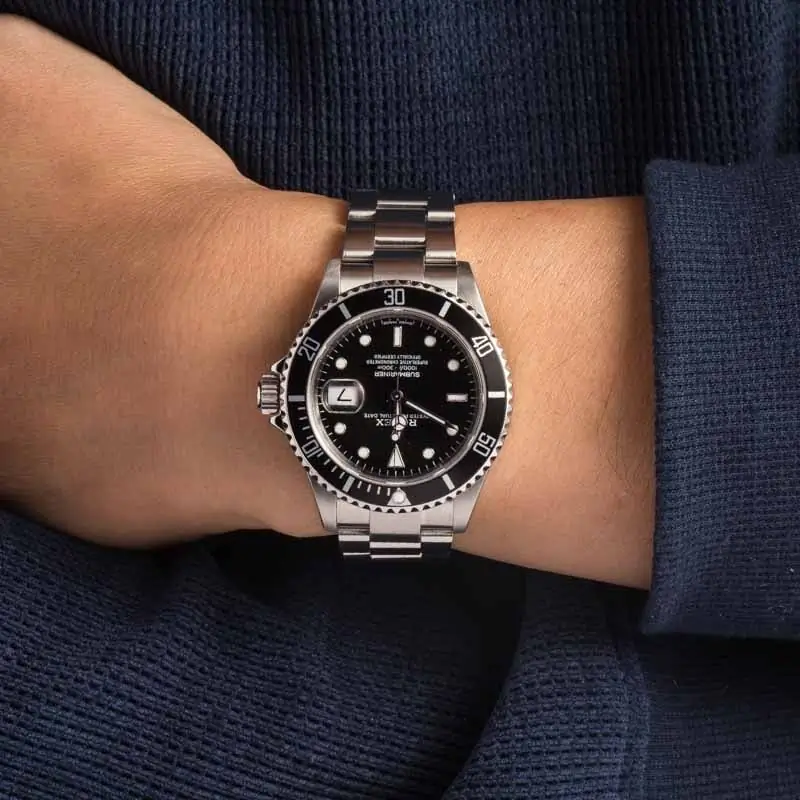
Okay, which one keeps its value better, the OP 41 or the OP 36?
Figuring out which holds value is tricky—it really depends on the color. Usually, the OP 36 has a solid history of holding up well, thanks to its classic look.
But watch out—if Rolex stops making a certain color in either size, that one can suddenly become super valuable. My advice? Pick the size you really love to wear, because the market’s always changing.
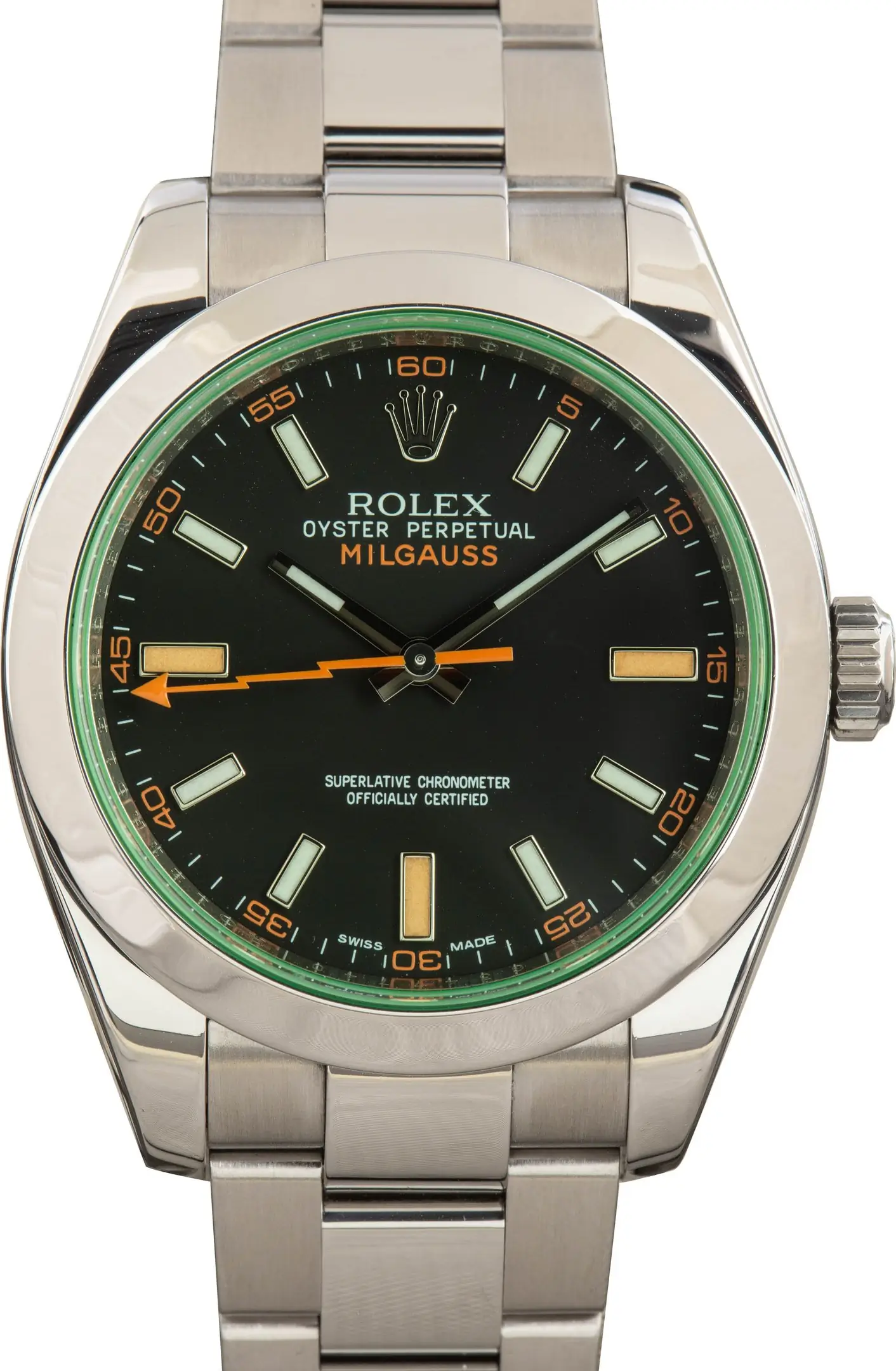
Last one: can you rock an OP 41 with a formal suit?
You totally can, but many folks think the OP 36 is the more classic, dressy pick. It’s slimmer, so it slips right under a shirt cuff. The OP 41 has a bolder, sportier vibe that goes great with business casual or just everyday clothes.