Do Rolex watches need automatic winders?
Do Rolex watches need automatic winders?

If you own a Rolex, deciding whether to get an automatic watch winder isn’t just about convenience. It’s a choice that ties into how you care for your watch, keep its mechanics in good shape, and your own habits as a collector. So, what’s an automatic watch winder? It’s a gadget that mimics the motion of your wrist. It keeps self-winding watches—think your Rolex Submariner or Datejust—ticking even when you’re not wearing them. The whole point is to keep the watch’s power reserve topped up. This means it stays accurate, and you might even avoid wearing out the delicate setting parts from winding it by hand all the time. But here’s the thing: whether a Rolex really needs a watch winder isn’t a simple yes or no. It depends a lot on which model you have, how you wear it, and how you think about caring for it in the long run. This guide will walk you through the key things to think about. We’ll cut through the sales talk and give you the facts, so you can decide if adding a watch winder to your Rolex care routine is right for you.
Recommended Products
You might be interested in these products


Table of Content
Let’s start by understanding how automatic watch winders and your Rolex’s mechanics work together.
The main job of a winder is how it works with your watch’s movement.
At its core, a winder’s main job is to copy the natural, on-and-off motion of your wrist. It spins the watch gently in a soft, cushioned holder, sometimes in one direction, sometimes in another.
That spinning makes the rotor—that’s the half-moon shaped weight inside—swing around. As the rotor moves, it turns a set of gears that wind up the mainspring. This stores energy, keeping the watch’s power reserve full.
Take a modern Rolex, say an Oyster Perpetual. It usually holds a charge for about 48 to 70 hours. A winder keeps that movement fully wound. So, your watch is always ready to go, showing the right time and date whenever you grab it.
Now, a big question people argue about is whether constant winding from a winder wears the watch out faster. Modern Rolex movements have special synthetic lubricants made to last.
Folks who like winders say keeping the lubricants spread around is good. But critics worry that non-stop motion could put extra wear on the rotor bearings and the winding parts.
The consensus among many watchmakers is that moderate, intermittent use of a high-quality winder programmed with adequate rest periods poses minimal risk compared to the potential wear from manually setting a complex calendar function weekly.
Thinking about Rolex specifically means looking beyond just any generic winder.
Here’s a key point: you need to program it for your specific watch caliber. Different automatic movements wind differently. Each Rolex caliber needs a certain number of Turns Per Day (TPD) and spins in a particular direction.
If your winder settings are wrong, you could overwind or underwind your watch. A top-notch watch winder for your Rolex should let you customize the TPD—usually between 650 and 950 for most models.
It should also spin both ways or let you program the pattern to match your watch’s specs. You can find those details in your manual or by asking an authorized dealer.
| Rolex Model (Example Caliber) | Recommended TPD (Turns Per Day) | Recommended Rotation | Notes |
|---|---|---|---|
| Submariner (Cal. 3230) | 650-800 | Bi-directional | Time-only model; simpler requirements. |
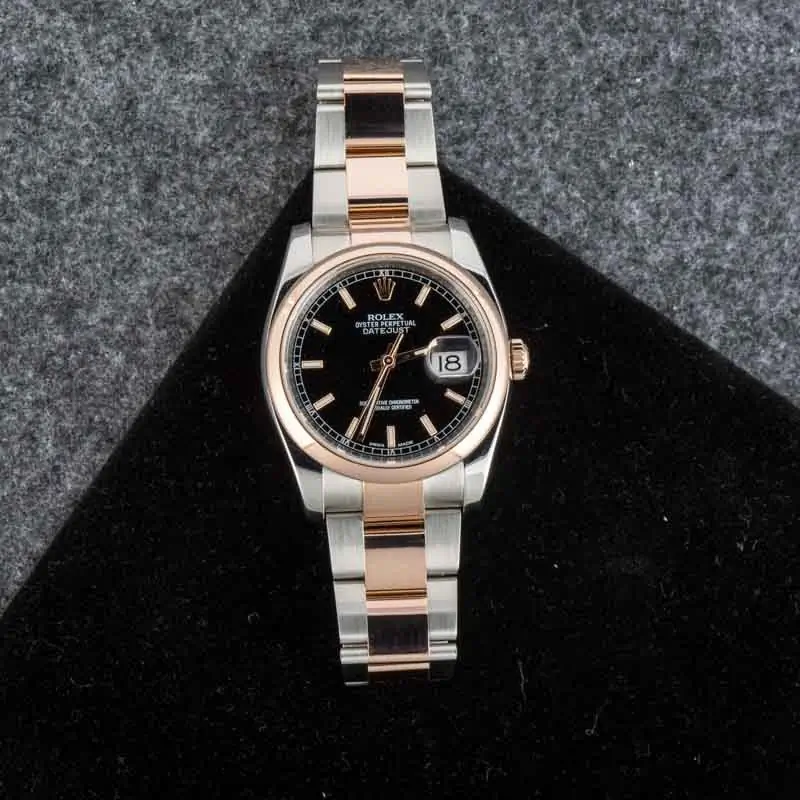
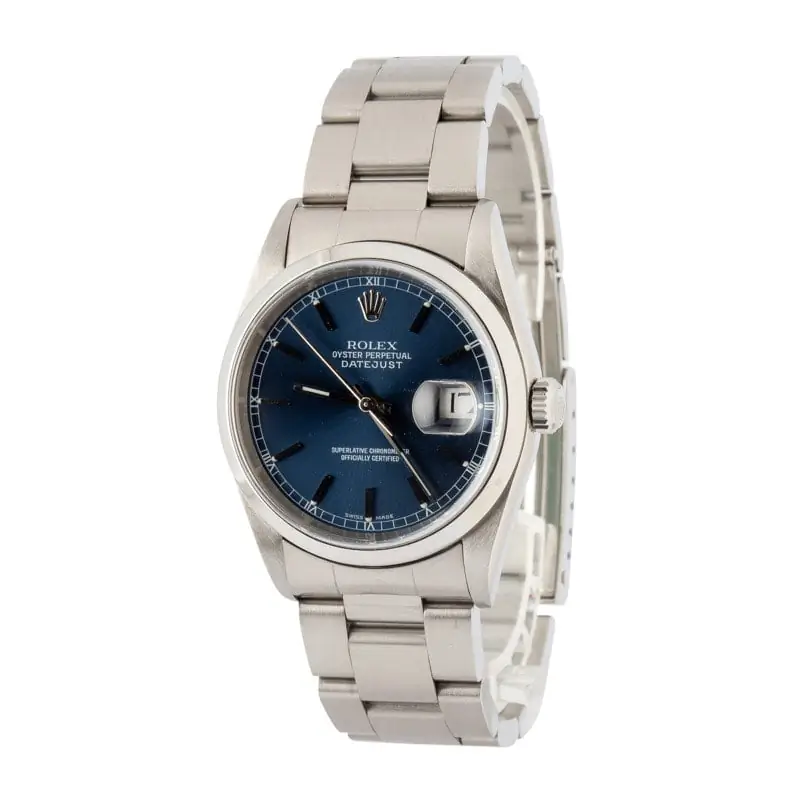
| Datejust (Cal. 3235) | 700-850 | Bi-directional | Includes date function; consistent winding prevents date wheel lag. |
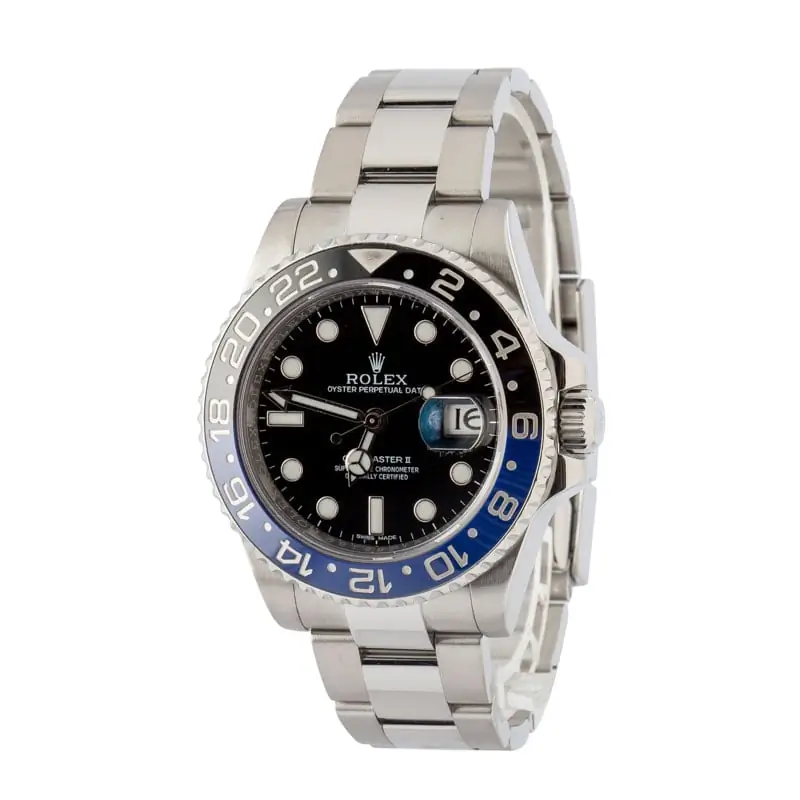
| GMT-Master II (Cal. 3285) | 750-900 | Bi-directional | Dual time zone function benefits from maintained power. |
| Day-Date (Cal. 3255) | 800-950 | Bi-directional | Complex day and date mechanisms require reliable power. |
So, when do you really need a Rolex winder, and when is it just optional?
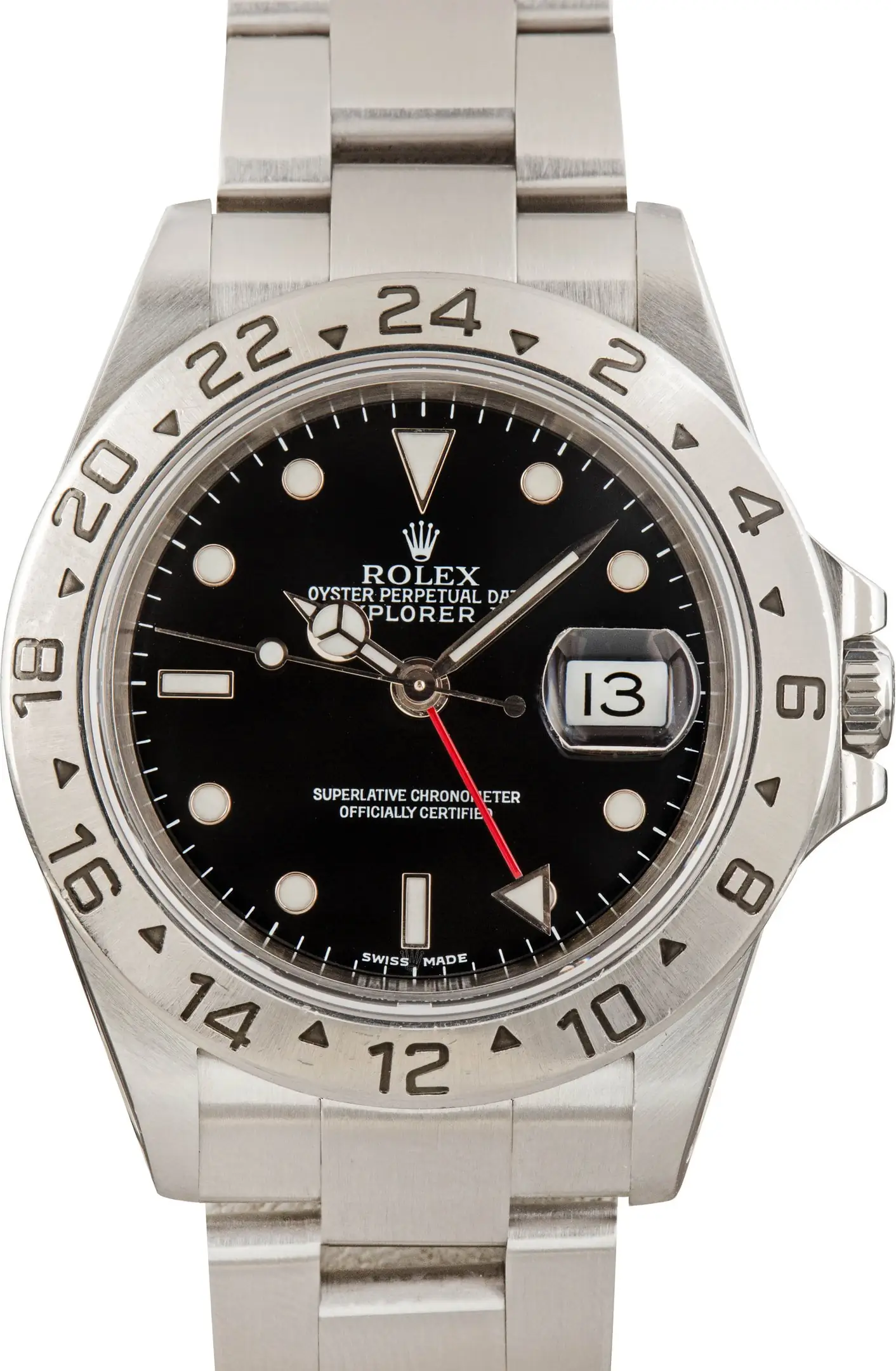
Let’s look at the best times to use a Rolex watch winder.
If you’re a collector with several automatic watches you switch between, a winder is super handy. Say you own a few Rolexes and wear a different one daily. The ones you’re not wearing will just stop after a couple of days, often over the weekend.
A winder keeps your whole collection ticking and set right. It saves you the boring job of resetting the time, date, and even tricky stuff like an annual calendar on a Sky-Dweller every single time you swap watches. It turns your watch box from just a storage spot into an active, ready-to-go lineup.
Another great use is for watches with complicated features. If a watch with a perpetual calendar, moon phase, or annual calendar stops, resetting it is a huge pain.
Most Rolexes are just time and date, but for something like a Rolex Cellini Moonphase, or if you have other fancy complicated watches, a winder is pretty much a must-have.
Keeping them wound up avoids the risk of messing up the movement by setting the calendar wrong by hand, which is easy to do, especially at the end of the month.
But there are also times you can probably skip the winder.
Take the case of your one daily-wear Rolex. If you wear it almost every day and only take it off for a night or two, a winder doesn’t really add much. Your daily activity winds it up naturally.
When you take it off at night, its power reserve has plenty of juice to keep it going until morning. So, spending money on a fancy watch winder box might not give you any real benefit for that particular watch.
Now, think about long-term storage. If you’re putting a watch away for months—like a winter watch in summer—most experts say to let it wind down all the way. Then store it somewhere cool and dry. Keeping it on a winder for months on end doesn’t help.
It just keeps the lubricants under constant stress for no reason. The best move for long-term storage is to get it fully serviced first, then let it sit peacefully. Remember, a winder is for when you’re actively rotating your watches, not for storing them forever.
Picking the right winder: a quick buyer’s guide for Rolex owners.
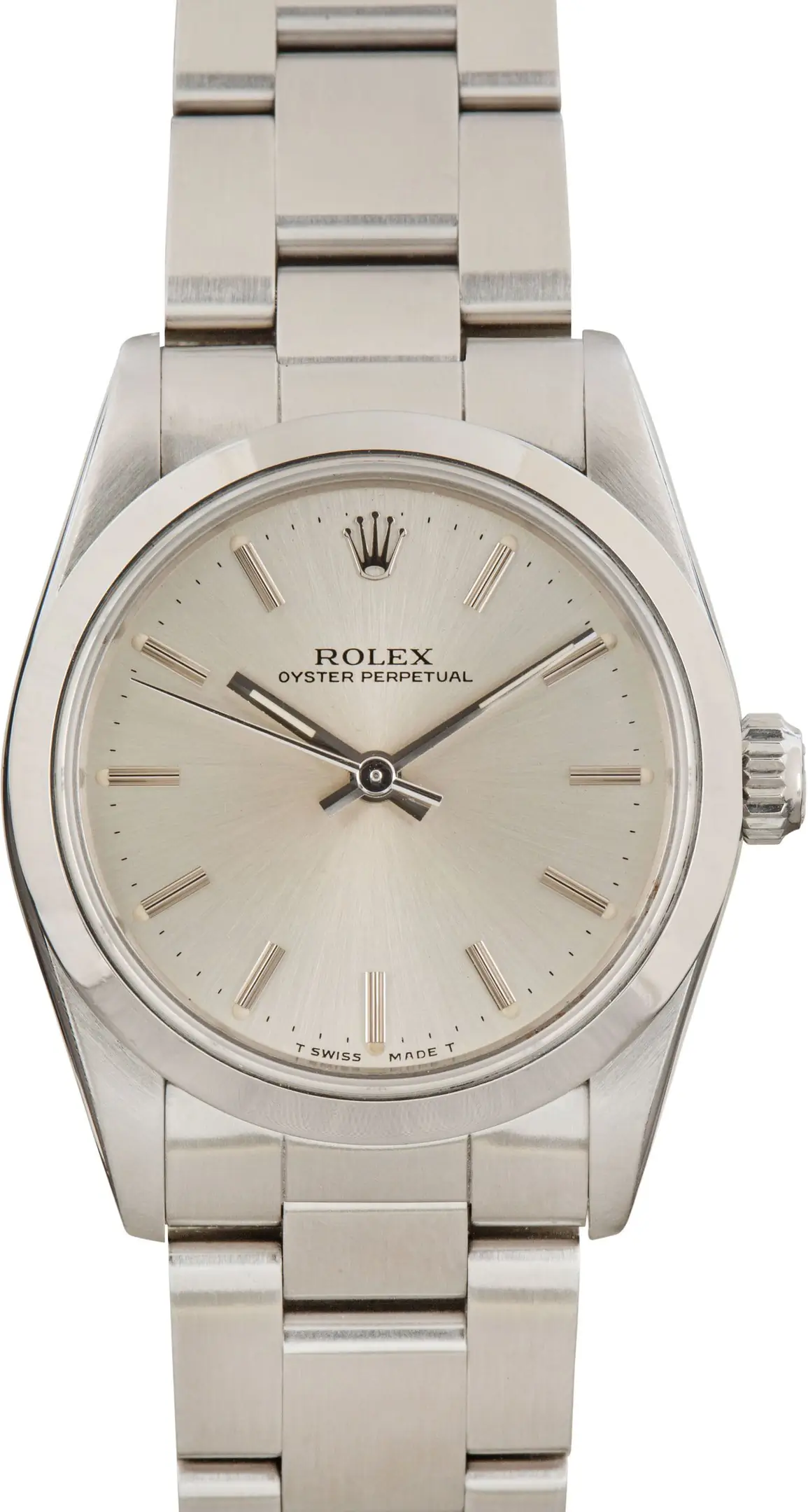
Here are the key tech specs you should really look at.
First up, the motor. It’s the heart of the winder. A cheap, badly shielded DC motor can create electromagnetic fields (EMF). Over a really long time, that could, in theory, mess with a mechanical movement.
More obviously, it’ll be loud. Look for winders that have quiet, dependable motors made just for this job. A good-quality automatic watch winder should be almost silent. That way, it can run in your bedroom or office without bothering you. Avoid any with motors that hum or buzz loudly.
Next, programmability and power. A good device lets you choose from multiple TPD settings and rotation modes—clockwise, counterclockwise, or both ways. It should also have a rest mode.
It winds for a bit, say 2 minutes, then rests longer, like 6 minutes. This copies how you naturally wear a watch much better than just spinning non-stop. This on-and-off operation is easier on the movement. A battery backup is a really useful feature too, in case the power goes out.
| Feature | Basic/Generic Winder | Premium Rolex-Focused Winder |
|---|---|---|
| Motor Noise | Often audible hum or buzz | Near-silent operation |
| TPD Settings | Fixed or limited (e.g., 3 options) | Fully customizable (e.g., 650-1950 TPD) |
| Rotation Modes | Single direction or simple bi-directional | Multiple programmable modes with rest periods |
| Power Source Backup | AC adapter only | AC adapter with battery backup |
| Build Security | Plastic or thin wood, simple latch | Solid wood/leather, locking mechanism |
Also, think about the materials, security, and how it looks.
Your Rolex needs a safe, scratch-free home. The inside holder should be lined with something soft like microfiber or suede that won’t scratch. The outer box should be tough, made of solid wood or good leather, to protect against dust and knocks.
If you just have one watch, a compact, high-quality single watch winder is enough. For a collection, a multi-watch winder box where you can program each slot separately is the way to go.
Also, think about where it’ll go. You’ll probably keep it on a dresser or in a safe. So, consider how it looks. Does it look like a nice piece of furniture, or just a plastic gadget?
Many luxury winder brands offer designs that complement a sophisticated interior. Furthermore, if security is a concern, look for models with a discreet locking function to deter casual access, especially important for a valuable Rolex collection display.
Let’s talk about how to use and take care of your Rolex watch winder.
First up, setting up and programming your winder.
The first thing you gotta do is figure out the right TPD and which way it should spin for your particular Rolex. You can check the table we mentioned or look at your watch’s manual for that info. Then, pop your watch safely into the soft cradle.
Make sure the crown isn’t pushed up against anything. Next, program the winder with those correct settings. A smart move is to begin with a middle-of-the-road TPD, like 750, using a bi-directional mode that includes breaks.
Watch it for about a week. If your Rolex keeps its power and stays on time, you’ve got the setting right. If it stops, just nudge the TPD up a bit.
Where you put your winder matters too. Find a steady spot, away from direct sun, really hot or cold areas, and strong magnets like speakers or laptops. Even though modern Rolexes are pretty good against magnetism, why risk it?
Just keep it clear. Also, tuck the power cord away neatly so nobody trips over it. Pick a fairly dry spot too. Too much moisture is bad news for any mechanical gear, even when it’s sitting in its winder.
Now, about looking after it and the possible downsides.
For maintenance, give it a regular check-up, say once a month. Make sure your watch is keeping good time and the winder is running quiet. Feel your watch after it’s been winding.
It shouldn’t feel warm, because too much heat can mess with the oils inside. If it’s warm, that could mean it’s overwinding or the motor’s acting up. And remember, even with a winder, your Rolex still needs its regular service.
about every 10 years or so. The winder isn’t a substitute for a pro service. It just keeps your watch going between the times you wear it and its check-ups.
To avoid problems, don’t rely on it too much. The big risk is using a cheap, badly made winder with the wrong settings. That could, in theory, cause extra wear and tear. So, play it safe and buy a good one from a brand you trust.
Also, keep in mind a winder is just for convenience. You don’t absolutely need one. If you’re traveling, it’s totally okay to let your watch wind down and just set it again when you get there.
Gently winding and setting it by hand now and then does almost no harm, especially compared to what a lousy winder might do.
Time to bust some common myths about Rolex watch winders.
Myth number one: You must have a winder for any automatic watch.
Here’s the truth: That’s a common myth pushed to make sales. Automatic watches, Rolex included, are made to be worn on your wrist. Their insides and lubricants are set up for the natural start-and-stop of everyday use.
Letting your watch sit for days or even weeks doesn’t hurt it. It actually lets the movement take a breather. You only really need a winder for convenience, so you don’t have to reset it, or to keep complicated functions running.
The watch itself doesn’t mechanically need to keep moving all the time. So for a basic three-hand Rolex you wear often, a winder is more of a nice-to-have luxury, not something you must have.
Myth number two: Using a winder makes your service visits much farther apart.
Let’s clear this up: There’s no solid proof that a winder puts more time between your watch’s service appointments. How often you need service mostly depends on the oils inside breaking down over the years, whether the watch is ticking or not.
Things like dust, moisture, and oil going bad just happen as time passes. A winder might help spread the oils around, but it doesn’t stop them from getting old.
You should stick to Rolex’s suggested service schedule, about every ten years, winder or no winder. That’s how you keep it reliable and waterproof for the long haul.
| What people often think | What the facts actually say |
|---|---|
| People think winders stop all wear and tear. | The reality is, they just move the wear from the setting parts to the rotor and winding parts. But a well-built movement can handle that just fine. |
| Some believe letting a Rolex stop hurts it. | Not true. No damage happens. The mainspring just unwinds all the way, which is perfectly normal. |
| The myth is that any old cheap winder works. | The truth? Wrong TPD, noisy motors, and electromagnetic fields from bargain winders can be worse for your Rolex than not using a winder at all. |
| Some say winders take the place of professional servicing. | That’s false. A service deals with re-lubrication, re-sealing, and wear that a winder simply can’t stop. |
Conclusion and Final Recommendations
So, picking an automatic watch winder for your Rolex really comes down to how you live and what watches you own.
Got a few automatic watches, or maybe a Rolex with a fancy calendar? Then a good, programmable winder is totally worth it. It makes life easier and saves those delicate parts from getting worn out by constant manual winding.
But if you only have one watch and wear it every day, you probably don’t need a winder much. Here’s the thing: don’t just go for the cheapest option. A bad winder can actually hurt your watch more than help it.
Do your homework. Look for brands that are famous for quiet motors, you can set them just right, and have a nice, soft inside to keep your watch safe. Just remember, a winder is there to help look after your watch. It doesn’t replace getting it serviced regularly by a proper Rolex expert.
Thinking about finding the best winder for your watches? Tell us about your watch winder experiences down in the comments! Or, check out our detailed review of the top models to find the perfect automatic watch winder for your Rolex.
Got questions about automatic watch winders for your Rolex? Here are some answers.
Is it a problem if my Rolex stops running?
Not at all. It’s totally normal for an automatic Rolex to wind down and stop. The mainspring just unwinds all the way. There’s no proof that letting it rest like this hurts the movement or makes it wear out faster. The main hassle is you’ll have to set the time and date again next time you put it on.
Can using a watch winder overwind my Rolex?
Modern Rolexes have a safety feature called a slipping clutch. This stops overwinding once the mainspring is full. But, a winder set too high on Turns Per Day (TPD) or one that never stops spinning keeps the rotor and gears moving all the time.
Some folks think that could wear those parts out sooner. You can avoid this worry by using a winder with the right, moderate TPD settings and one that takes breaks.
What makes a good watch winder for a Rolex Submariner?
Look for three main things. First, a quiet motor. You want one that doesn’t make noise. Second, customizable TPD. Find a winder that offers a range including 650 to 800 Turns Per Day for bi-directional winding.
Third, a quality cradle. The inside should be soft, with something like microfiber, so it won’t scratch your watch’s bracelet or case. A lock is a nice bonus for keeping it safe.
How long is it okay to leave my Rolex on a watch winder?
If you’re regularly wearing it from your collection, you can keep it on a well-set winder for as long as you like. But for really long storage—like several months or more, maybe for a seasonal watch—it’s better to let it wind down all the way.
Then take it off the winder and store it somewhere cool and dry. There’s no point in keeping it wound if you’re not going to wear it for a long time.