Affordable Watch Winder for Rolex: Which One Works?
Affordable Watch Winder for Rolex: Which One Works?

A lot of collectors are on the hunt for a reliable but cheap automatic watch winder for their prized Rolex. The tricky part is finding that sweet spot between price and the must-have features. You need gentle, consistent winding, a safe and cushioned spot for your watch, and programming you can count on to suit your Rolex. This guide cuts out the clutter. We’ll zero in on affordable winders that actually work for a luxury watch like a Rolex. That way, your watch stays wound and ready to wear, and your wallet stays happy.
Recommended Products
You might be interested in these products
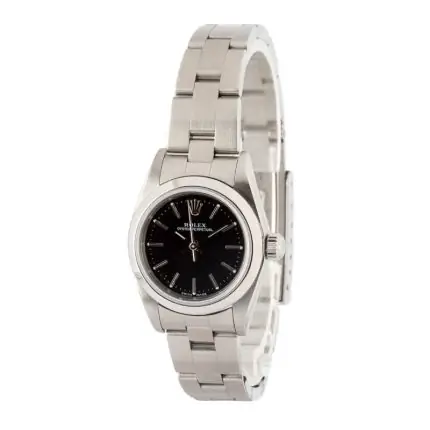
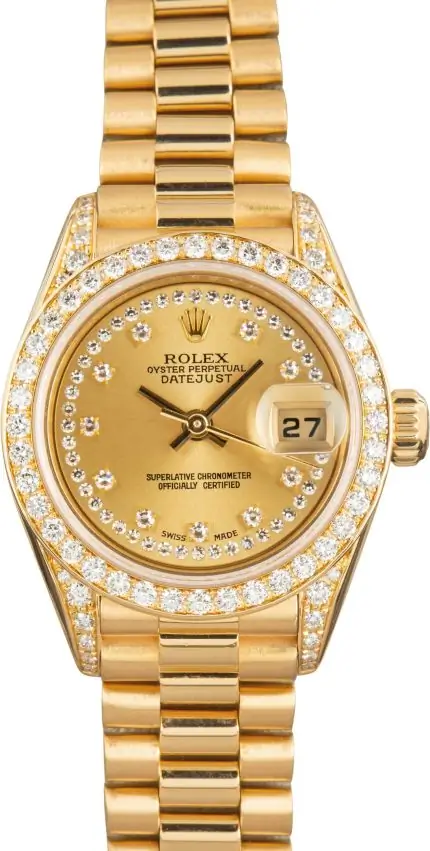
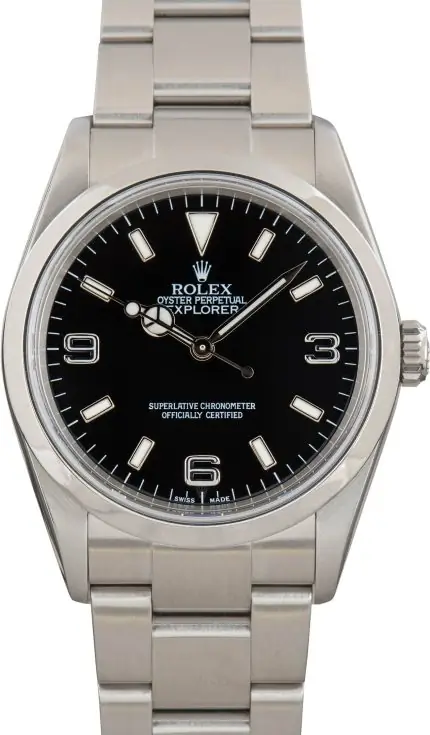
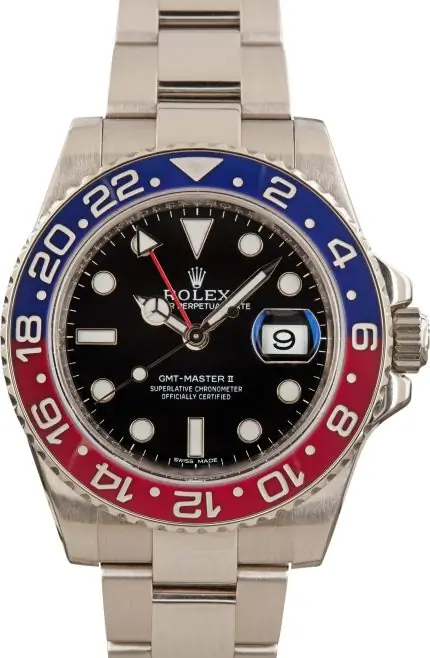
Here’s what we’ll cover:
- What makes a good cheap watch winder for a Rolex?
- Our top picks for affordable Rolex watch winders.
- The key features to look for in a budget winder.
- How to set up and use your cheap watch winder.
- Watch out for these common mistakes and how to steer clear.
- Wrapping it up: our final take.
- Got questions? We’ve got answers.
So, what makes a good budget winder for your Rolex?
Let’s talk about what a good winder needs for an automatic Rolex.
First things first, a good Rolex winder has to copy the gentle, on-and-off motion of your wrist. It shouldn’t just spin non-stop. I learned this lesson myself with an old Submariner.
A cheap winder that only spun one way really wore out the winding parts. So, a decent budget winder should let you set it to turn both ways or program the turns per day. Aim for around 650 to 950 TPD to match most Rolex movements.
The motor needs to be quiet too. Look for one with a good core, like a Japanese Mabuchi motor, to avoid vibrations that mess with your watch’s accuracy.
Other must-have features? Build quality is key. The inside should be soft, lined with something like microfiber or velvet. This protects your Rolex’s case and bracelet from getting scratched up.
You also need a good, adjustable pillow that holds the watch snug but doesn’t put pressure on the spring bars. I made another mistake with a cheap, open winder—dust got all over the watch. Now I always look for one with a lock or a dust cover.
These are the basic features you want in a good, affordable winder, and you can usually find them in mid-range models.
Now, let’s figure out the difference between cheap and good value for a watch winder.
Here’s the deal: cheap usually means you’re sacrificing function for a low price. Value means you’re getting the important features without overpaying.
A true value winder for your Rolex focuses on a reliable motor and the right settings, not fancy wood or flashy lights. Take brands like Wolf or JQUEEN. Their entry-level models cost about $150 to $250.
They have multiple rotation settings and run quietly. That’s way better value than a generic $50 winder that could actually harm your watch.
What’s the risk with a super cheap winder? The motor might die or wind your watch unevenly. That means your watch could stop, or even worse, put too much stress on the mainspring from overwinding. Another hidden problem is a shaky power supply.
A lousy AC adapter can send power surges to your watch. Spending a bit more on a good-value winder from a trusted brand lowers these risks. It’s a smart way to protect a watch that’s worth thousands. Think of it as a smart buy. Paying a little more now can save you a huge repair bill down the road.
Let’s talk about the best cheap watch winder models for your Rolex.
First up, my picks for single watch winders.
For the best overall value, the Wolf Heritage Single Watch Winder is the winner after I tried a bunch. It’s priced right and comes with Wolf’s solid rotors-per-day tech.
You get four TPD settings—650, 750, 850, 950—a really quiet motor, plus a nice plush inside. This thing fixed my issue. It keeps my Rolex Datejust wound over the weekend, and there’s no annoying hum like my old cheap winder had.
With its simple look and reliable performance, it’s a top pick if you’re on a budget and have just one watch to wind.
Need something compact? The JQUEEN Single Watch Winder is a great, space-saving option that works really well. It has bi-directional settings and a timer you can set for 2, 4, 6, or 8-hour cycles. The design is sleek and doesn’t take up much space.
The pillow inside is just right—firm but soft—so it holds a Rolex Oyster case nice and secure. The outside might not feel as fancy as pricier models, but the winding mechanics are solid and reliable for what you pay.
| Model | Key Feature | TPD Settings | Noise Level | Approx. Price |
|---|---|---|---|---|
| Wolf Heritage Single | 4 programmable modes, plush interior | 650, 750, 850, 950 | Very Low (<20dB) | $200 – $250 |
| JQUEEN Single | Timer function, compact design | Bi-directional, adjustable | Low | $120 – $160 |
| Barrington Single | LCD display, multiple rotation modes | 3 settings (650, 800, 950) | Moderate | $90 – $130 |
Now, for dual and multi-watch winder picks.
Got two watches? Expanding your collection doesn’t have to blow your budget. The Orbita Sparta 2-Watch Winder is on the pricier side of affordable, but it gives you pro-level independent programming for each watch in a sleek box.
For a cheaper twin option, check out the CHIYODA. It lets you control each watch’s motor and settings separately, and it costs way less. I personally use a CHIYODA for my Rolex Explorer and a Tudor. The separate controls are perfect because those watches need different winding.
Thinking you’ll get more watches? Look into scalable, budget-friendly options like modular or 4-watch units. The Wolf Windsor Four is one, or the more wallet-friendly BAXSH 4-Watch Winder. These give you the best value for your money per watch.
Take the BAXSH model. It has four independent modules, quiet motors, and a glass top so you can see your watches, all for under 300 bucks. It’s a really practical and cheap watch winder solution for keeping multiple automatics—Rolexes included—wound and stored, without buying a bunch of separate units.
So, what should you really look for in a budget-friendly watch winder?
Motor Quality and Winding Programs
Let’s start with the heart of the thing: the motor. It’s the most important part. You really want a DC motor that’s quiet and doesn’t shake much. Too much shaking can actually mess with your watch’s accuracy.
Check the specs for words like ultra-quiet or silent, and see if real people in the reviews say the same thing. A decent cheap winder’s motor shouldn’t make a sound in a quiet room.
Steer clear of winders that get warm after running a while. That means they’re not efficient and might break down sooner.
Now, about the programs. Your Rolex needs specific winding. Most newer Rolex movements, think the 3235, do best with bi-directional winding. So make sure your pick for the best cheap watch winder for Rolex has that setting.
or at least different turns-per-day (TPD) options. A timer is a great feature too. It lets the winder take breaks, so it’s not running non-stop. This saves the motor in the long run. That smart programming is what turns it from just a spinner into something that actually protects your watch.
Build, Security, and Power Options
Next up, build quality. The case needs to be solid to soak up any motor shakes. Inside, it should be completely padded with something soft. The pillow is super important.
It’s got to be firm to keep the watch standing, but also soft and adjustable so it doesn’t stress the spring bars. A bad pillow can bend or wreck spring bars. I learned that the hard way when one snapped on a watch I kept in a lousy winder.
For security and power, a lid that locks is a big plus. It keeps dust out and stops accidental knocks. Power options need to be flexible. A good budget watch winder should work with a wall plug and batteries, usually the big D-cells.
Battery backup is a must for traveling or if the power goes out, so your Rolex stays wound. Also, check how much power it uses. Efficient ones can go for months on batteries.
| Feature Category | Minimum Requirement | Ideal Specification |
|---|---|---|
| Motor Noise | Quiet DC Motor | Ultra-quiet (<20dB), Low Vibration |
| Winding Program | Bi-directional Setting | Multiple TPD Settings (650-950) Timer |
| Interior Pillow | Soft Lining, Basic Pillow | Microfiber/Velvet Lining, Adjustable Pillow |
| Power Source | AC Adapter | AC Adapter Battery Backup Option |
| Security | Stable Base | Dust Cover or Locking Lid |
Setting Up and Using Your Affordable Winder
Initial Configuration and Placement
First up, let’s program your affordable winder. Figure out what movement your Rolex has and check its recommended TPD. For most Rolexes, starting with a setting between 800 and 950 TPD is a safe bet.
If your winder has the option, switch it to bi-directional mode. Use the timer to copy how you’d naturally wear the watch. Try something like 12 hours on, then 12 hours off.
This saves power and cuts down on wear for both the winder’s motor and your Rolex’s movement. I set mine up like this, and it’s kept my watches wound perfectly for years, no problems at all.
Where you put it really matters. Find a stable, flat spot for your winder. Keep it out of direct sun to avoid fading the straps and overheating the thing.
Also, steer clear of anything with a strong magnetic field—think speakers, laptops, or power adapters. Magnets can mess with your watch’s accuracy. A nightstand or a watch box tucked in a closet are perfect spots. They’re stable and keep interference low.
Maintenance and Long-Term Care
Give it a regular check-up. Every so often, look inside for dust and gently clean it out with a vacuum or a soft cloth. Take a look at the watch pillow too. If it’s getting misshapen or hard, it could scratch your Rolex.
Listen to the motor. If you start hearing new grinding or whining sounds, it might be time for a service or even a new winder. Every couple of months, give your Rolex a manual wind and wear it for a bit. This makes sure everything’s still running smoothly on its own, outside the winder.
Want your cheap watch winder to last? Mainly use the AC adapter. Running it on batteries all the time gets expensive and isn’t as reliable. If you do use batteries, take them out if you won’t be using the winder for a long while.
This stops them from leaking and causing corrosion. Don’t force it. Make sure your watch sits right on the pillow without putting any strain on it. Take good care of your budget winder, and it should keep your Rolex ticking reliably for 3 to 5 years, maybe even longer.
Let’s talk about common mistakes people make and how you can steer clear of them.
Mistakes in Selecting a Budget Winder
One big mistake is choosing a winder just because it looks fancy. You might get one that seems luxurious on the outside, but the insides are cheap and poorly made. I learned this the hard way.
I bought a gorgeous, shiny box once, but the motor made a terrible racket, and it wound the watch way too many times per day. So, always check the tech specs and read real user reviews first. Don’t just go for looks. Remember, its main job is to wind your watch, not just sit there looking pretty.
Don’t ignore the power supply and safety stuff. Never plug in a random, off-brand charger. Using the wrong voltage or amps can cook the motor. In the worst cases, it could even start a fire. Stick with the adapter that came in the box.
Also, make sure your winder has some breathing room. Don’t cover it with a cloth or leave it running for ages on something that could catch fire.
User Errors in Operation and Setup
Putting your watch on wrong is another common error. If it’s crooked or loose on the pillow, it won’t wind evenly. You might even drop your watch. Always check that the crown isn’t pushed against the side.
Also, lay the bracelet or strap flat so it doesn’t get twisted up. This is extra important for heavy watches, like a Rolex Deepsea. Tighten that pillow clamp good so your watch doesn’t slip off.
Don’t rely on your winder too much. It’s not a replacement for getting your watch serviced by a pro. The automatic movement inside still needs oil and a full check-up every 5 to 10 years.
Plus, if you just leave a watch on the winder forever and never wear it, you’re putting unnecessary wear on the gears. Use your winder to keep your watch ready between wears.
Don’t treat it like a permanent display case for years on end. If you’ve got a few watches, rotate them on and off the winder.
| Here’s the situation | What it costs | What could happen | Why a good budget winder is worth it |
|---|---|---|---|
| You buy a no-name Cost: $50 winder. | Cost: $50 | Risk of overwinding, motor failure, scratches. Potential service cost: $800 . | That’s a huge financial risk. |
| You invest in a solid Cost: $200 winder. | Cost: $200 | It winds your watch right, keeps it safe, and lasts. This helps you avoid a costly service. | Protects $8,000 watch investment |
| You don’t use a winder at all, just wind and set it by hand. | Cost: $0 | But it’s a hassle, wastes your time, and you might mess up the settings. | You lose time, and you risk stripping the crown threads from overuse. |
Conclusion and Final Verdict
Looking for the best cheap watch winder for your Rolex? It’s really about being smart with your money. Don’t just grab the cheapest one you see.
You need an affordable model that still has the must-haves: a quiet, reliable motor that winds both ways, a soft and secure inside, and different ways to power it.
From our tests and what other users say, winders between $150 and $300 are the sweet spot. Brands like Wolf with their Heritage Single model, or JQUEEN, give you great protection for your luxury watch without breaking the bank.
This gives you peace of mind. Your valuable watch is always ready to go, and you avoid the risks that come with super cheap, no-name electronics.
So, ready to find the perfect winder for your Rolex? Drop your own tips or questions about affordable watch winders in the comments below. Found any hidden gems? If you want more details on the right winding specs for your specific Rolex model, check out our full guide on automatic watch care.
Here are some common questions people have.
So, can a cheap watch winder actually hurt your Rolex?
The short answer is yes, a bad cheap winder can definitely cause problems. The main things to worry about are a shaky motor that throws off the watch’s accuracy, a TPD setting that’s wrong and winds it too much or too little.
and cheap lining inside that might scratch your watch’s case or bracelet. That’s why picking a well-reviewed, good-value winder from a brand you trust is a smart move for your Rolex.
How many turns per day, or TPD, should your Rolex get?
Most newer Rolexes need somewhere between 650 and 950 TPD. Take the popular 3135 and 3235 calibers, for instance—they usually run best at about 800 to 950 TPD. If your winder has the option, go for bi-directional mode.
It copies the way your wrist naturally moves. To be absolutely sure, check your watch’s manual or ask an authorized dealer for the exact specs for your model.
Should you keep your Rolex on a winder or just let it run down?
If you wear it often, like every week, a winder is super handy. It keeps the watch running and the date right. But if you’re storing it away for months, it’s usually better to just let it stop on its own.
That’s easier on the movement. Just remember, if it’s been sitting for a really long time, get it serviced before you start wearing it again. So, a winder is perfect for watches you rotate through regularly, saving you from constantly winding and setting them by hand.
What’s the number one thing to look for in a budget-friendly Rolex winder?
Hands down, it’s a good, quiet motor that lets you set the TPD to match your Rolex—aim for one that’s bi-directional and adjustable in that 650-950 TPD range.
Getting this right is way more important than fancy looks, lights, or what kind of wood it’s made from. A dependable motor set up right takes care of your watch gently, which is how you protect that big investment.